


Introduction to Lattice Structures in Modern Manufacturing
The emergence of lattice structure design software has fundamentally transformed how engineers and manufacturers approach product development in the additive manufacturing era. Lattice structures—intricate, porous geometries that replace solid materials with carefully engineered networks of struts and cells—offer unprecedented opportunities to optimize weight, reduce material consumption, and enhance functional performance across countless applications. As industries ranging from aerospace to consumer products increasingly adopt 3D printing technologies, the demand sophisticated lattice generation tools has grown exponentially.
Traditional manufacturing methods struggled to produce the complex internal geometries that lattice structures require. Additive manufacturing eliminates these limitations, enabling the creation of designs that were previously impossible to fabricate. However, designing effective lattice structures requires specialized software capable of managing millions of geometric parameters while ensuring structural integrity, manufacturability, and cost-effectiveness. This article explores how modern lattice structure design software enables innovation across diverse applications, from athletic footwear to advanced robotics.
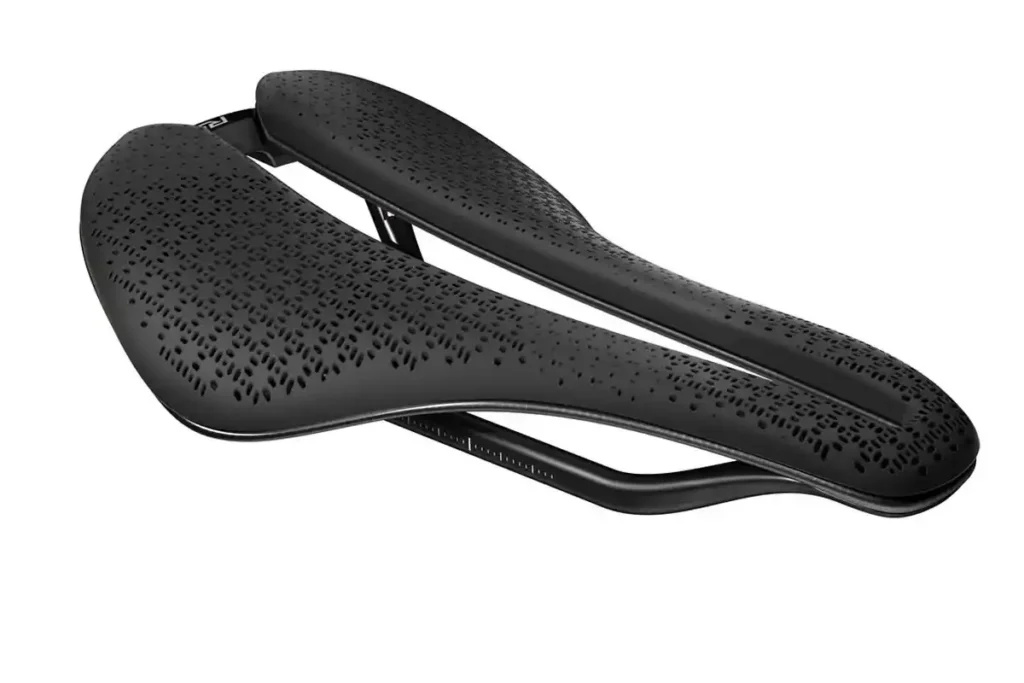
Lattice Structure Design Software
1. Altair Inspire (with Lattice Optimization)
- Introduction: Altair Inspire is a topology and lattice optimization software that allows engineers to generate lightweight, high-performance lattice structures directly from CAD models or simulation results. It integrates seamlessly with finite element analysis (FEA) and supports additive manufacturing workflows. Inspire’s lattice module enables users to define lattice types (e.g., gyroid, cubic, octet), control density, and optimize for stiffness or strength.
- Best for: Industrial design, aerospace, and automotive industries.
- Key Features: Parametric lattice generation, multi-material support, integration with manufacturing constraints.
2. Materialise Magics (with Lattice Module)
- Introduction: Materialise Magics is a widely used 3D printing preparation software that includes a powerful lattice generation module. It allows users to create custom lattice structures for 3D printed parts, especially in medical and dental applications. The software supports various lattice types and enables control over cell size, density, and orientation.
- Best for: Medical device manufacturing, dental implants, and rapid prototyping.
- Key Features: User-friendly interface, direct integration with 3D printers, support for STL and AMF formats.
3. nTopology (with Lattice Design Tools)
- Introduction: nTopology is a powerful platform for generative design and lattice structure creation. It uses a unique “field-based” design approach, allowing users to define complex geometries using mathematical functions and parameters. Its lattice tools are highly customizable and support advanced physics-based optimization.
- Best for: Advanced engineering, aerospace, and research institutions.
- Key Features: Parametric design, simulation-driven lattice optimization, support for multi-physics analysis, and direct export to AM machines.
4. Autodesk Fusion 360 (with Generative Design & Lattice Features)
- Introduction: Autodesk Fusion 360 includes generative design capabilities that can produce lattice structures as part of topology-optimized components. While not a dedicated lattice software, it allows users to define constraints and materials to generate lightweight lattice geometries suitable for 3D printing.
- Best for: Product designers, small to medium engineering teams.
- Key Features: Cloud-based collaboration, integration with simulation tools, easy-to-use generative design interface.
5. ANSYS Discovery / ANSYS Workbench (with Lattice Optimization)
- Introduction: ANSYS offers lattice design capabilities through its simulation and optimization modules. Users can define lattice structures within the simulation environment and optimize them for mechanical performance. ANSYS is particularly strong in structural, thermal, and fluid simulations, making it ideal for validating lattice performance under real-world conditions.
- Best for: High-fidelity simulation and validation of lattice structures.
- Key Features: Multi-physics simulation, optimization algorithms, integration with CAD and AM workflows.
6. 3DEXPERIENCE (Dassault Systèmes) – Lattice Design Tools
- Introduction: 3DEXPERIENCE is a comprehensive digital platform for product development that includes lattice design capabilities within its “Generative Design” and “Additive Manufacturing” modules. It allows users to define lattice parameters and generate structures optimized for performance and manufacturability.
- Best for: Large enterprises with complex product development cycles.
- Key Features: End-to-end digital thread, collaboration across teams, integration with CATIA and other Dassault tools.
7. Grasshopper + Kangaroo + Lattice Plugins (for Rhino)
- Introduction: Grasshopper is a visual scripting tool for Rhino 3D, often used in architecture and industrial design. With plugins like Kangaroo (for physics-based simulation) and custom lattice scripts, users can generate and optimize lattice structures parametrically. This approach is highly flexible and ideal for exploratory design.
- Best for: Architects, designers, and researchers exploring novel lattice geometries.
- Key Features: Parametric control, real-time simulation, open-source community support.
8. LatticeGen (by LatticeWorks)
- Introduction: LatticeGen is a specialized software focused on generating lattice structures for additive manufacturing. It offers a library of predefined lattice types and allows users to customize parameters such as cell geometry, density, and orientation. It is often used in medical and aerospace applications.
- Best for: Rapid prototyping and AM-specific lattice design.
- Key Features: Predefined lattice libraries, export to AM machines, easy integration with CAD.
9. Open Source: LatticeGen (GitHub Projects)
- Introduction: There are several open-source projects on GitHub that offer lattice generation capabilities, often built using Python, MATLAB, or Processing. These are ideal for researchers or developers who want to customize lattice structures from scratch or integrate them into custom workflows.
- Best for: Academic research, custom development, educational purposes.
- Key Features: Free to use, customizable, community-driven.
10. Siemens NX (with Additive Manufacturing Module)
- Introduction: Siemens NX includes lattice design tools within its additive manufacturing module. Users can define lattice structures based on simulation results or design constraints. It supports integration with Siemens’ own AM machines and provides tools for optimizing for strength, weight, and manufacturability.
- Best for: Manufacturing and engineering teams using Siemens ecosystem.
- Key Features: CAD-integrated design, simulation-driven optimization, support for multi-material printing.
| Software Name | Best For | Key Strengths |
|---|---|---|
| Altair Inspire | Industrial design | Topology + lattice optimization, AM integration |
| Materialise Magics | Medical/dental | Easy lattice generation, AM-ready output |
| nTopology | Advanced engineering | Field-based design, simulation-driven optimization |
| Autodesk Fusion 360 | Product design | Generative design, cloud collaboration |
| ANSYS Discovery | Simulation validation | Multi-physics, optimization, AM compatibility |
| 3DEXPERIENCE | Enterprise product development | End-to-end digital thread, CAD integration |
| Grasshopper + Plugins | Architecture, parametric design | Visual scripting, real-time simulation |
| LatticeGen (commercial) | AM-specific applications | Predefined lattices, export to printers |
| Open Source LatticeGen | Research, education | Free, customizable, community support |
| Siemens NX | Manufacturing, Siemens users | CAD-integrated, multi-material support |
Understanding Lattice Structures and Their Advantages
Lattice structures belong to a broader category of designs known as functionally graded materials, where properties vary systematically throughout a component. These structures derive their strength from geometric arrangement rather than material density, allowing engineers to achieve specific mechanical characteristics with minimal weight. Research conducted at leading institutions including MIT’s Center for Additive Manufacturing has demonstrated that properly designed lattice structures can reduce component weight by up to 70% while maintaining or exceeding the structural performance of solid alternatives.
The advantages of implementing lattice structures extend well beyond weight reduction. Topology optimization algorithms work in conjunction with lattice design tools to identify regions where material can be strategically removed or replaced with porous structures. This approach significantly reduces material costs—a critical consideration as metal 3D printing materials like titanium alloys command premium prices. Furthermore, lattice structures can be engineered to provide controlled stiffness gradients, energy absorption characteristics, and thermal management properties that would be impossible to achieve with homogeneous materials.
Manufacturing feasibility represents another crucial advantage. Modern lattice design software incorporates build orientation analysis, support structure optimization, and printability assessment directly into the design workflow. This integration ensures that complex lattice geometries can be reliably produced on industrial 3D printers without excessive失败 rates or post-processing requirements.
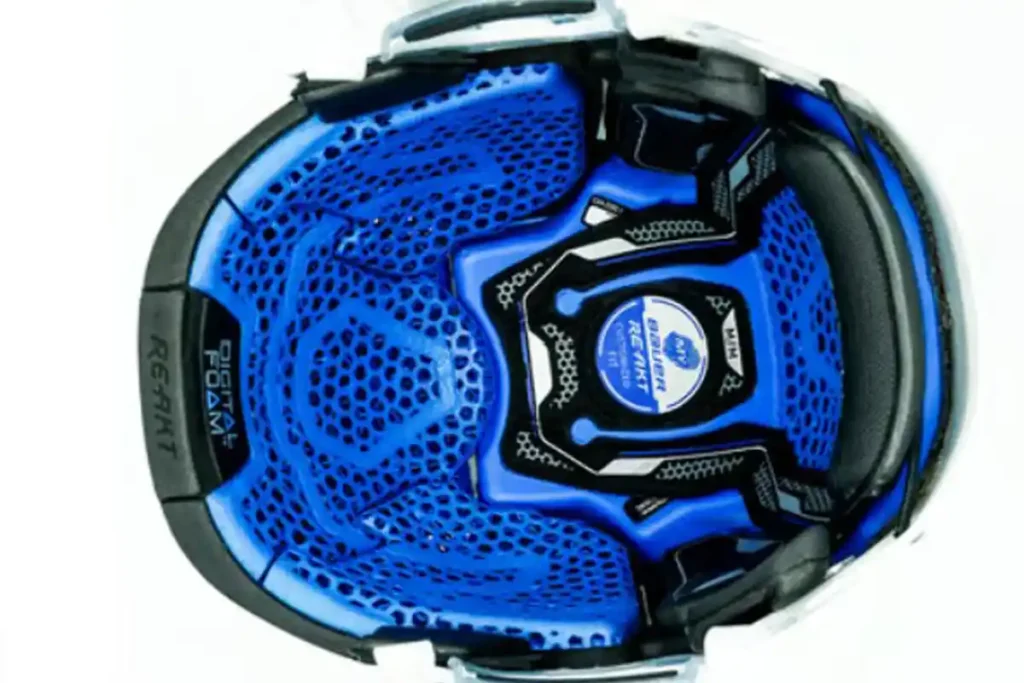
Industry Applications and Market Impact
The global market for lattice structure design solutions reflects the expanding adoption of additive manufacturing across sectors. Industry analysis indicates that the computer-aided design software market, including specialized lattice tools, continues to grow at double-digit annual rates as more organizations recognize the competitive advantages of optimized lightweight structures.
Lattice Applications in Athletic Footwear
The athletic footwear industry has emerged as a prominent adopter of lattice structure technologies. Major sports equipment manufacturers have invested heavily in developing 3D-printed midsoles featuring lattice geometries that provide targeted cushioning, stability, and energy return. These designs analyze athlete biomechanics and walking patterns to place lattice structures strategically, creating personalized performance characteristics that traditional foam materials cannot match.
Research published in the Journal of Sports Engineering and Technology has documented measurable improvements in running efficiency among athletes using lattice-structured footwear compared to conventional designs. The ability to customize lattice density and stiffness for different foot types, body weights, and activity levels represents a significant advancement in sports equipment personalization.
Lattice Structures in Robotic Systems
Robotics represents another sector where lattice structure design delivers substantial value. Robot joints manufactured with lattice geometries benefit from reduced inertia, improved heat dissipation, and customizable compliance characteristics. Xpeng Robotics and similar companies developing advanced humanoid and industrial robots have explored lattice structures extensively to enhance mobility and operational efficiency.
The weight reduction achievable through lattice designs directly improves robot runtime by decreasing the energy required for movement. Additionally, the energy absorption properties of certain lattice topologies protect sensitive components from impact damage during operation or accidental collisions. Research collaborations between robotics companies and academic institutions have produced published findings on optimizing lattice parameters for specific robotic applications.
Specialized Applications: From Pet Products to Stress Relief
The versatility of lattice structure design software enables applications beyond traditional industrial contexts. Companies manufacturing footwear for robotic dogs—increasingly used in security, exploration, and research applications—have adopted lattice structures to create durable, lightweight pads that withstand harsh operating conditions while providing appropriate traction and shock absorption.
Consumer products have similarly embraced lattice geometries. Squishy stress relief toys manufactured through 3D printing leverage lattice structures to achieve predictable deformation behavior and durability under repeated use. Unlike traditional foam materials, lattice-based designs offer consistent performance over extended lifetimes and can be engineered to provide specific tactile responses.

Technical Considerations for Lattice Implementation
Successful implementation of lattice structures requires careful attention to several technical factors. Strut diameter, cell size, lattice orientation, and overall density gradient must all be optimized for specific application requirements. Lattice generation tools must balance computational efficiency with geometric accuracy, as models containing millions of unit cells can strain even powerful computer systems.
Finite element analysis plays a critical role in validating lattice designs before manufacturing. Engineers must assess stress distribution, deformation under load, and fatigue life to ensure components will perform reliably in service. Modern lattice structure design software integrates analysis capabilities directly, enabling iterative optimization within a unified workflow.
Material selection significantly influences lattice performance. Different materials—ranging from titanium and aluminum alloys to polymers and composites—exhibit varying behavior at the lattice scale. Phenomena like the size effect, where smaller structural features exhibit different mechanical properties than bulk material, must be considered during design. Published research from institutions including Lawrence Livermore National Laboratory and ETH Zurich has advanced understanding of scale-dependent lattice behavior.
Market Growth and Adoption Trends
The following data illustrates the expanding adoption of lattice structure technologies across key industry segments:
| Industry Segment | Market Size 2023 (USD Billions) | Projected CAGR | Lattice Adoption Rate |
|---|---|---|---|
| Aerospace & Defense | 2.8 | 12.5% | 45% |
| Automotive | 4.2 | 14.2% | 38% |
| Healthcare & Medical | 1.9 | 16.8% | 52% |
| Consumer Products | 3.1 | 18.5% | 27% |
| Robotics | 0.8 | 22.3% | 34% |
These figures demonstrate substantial growth across all segments, with healthcare and robotics showing particularly aggressive adoption trajectories. The data reflects increasing recognition that lattice structures provide measurable competitive advantages across diverse applications.
Selecting Appropriate Lattice Structure Design Software
Organizations evaluating lattice design solutions should consider several factors beyond basic functionality. Integration with existing computer-aided design platforms, cloud computing capabilities for handling complex models, and support for industry-specific libraries all influence software selection decisions. The learning curve associated with advanced lattice tools can be substantial, making vendor training resources and technical support important evaluation criteria.
Scalability represents another critical consideration. Projects range from small components with simple lattice features to entire aerospace structures composed primarily of lattice material. Software must handle this range efficiently without requiring different tools for different project scales. Open file format support ensures interoperability with manufacturing equipment and downstream analysis applications.
The Future of Lattice Design Technology
Emerging developments in lattice structure design software point toward increasingly automated optimization workflows. Machine learning algorithms trained on successful designs can suggest promising lattice topologies for new applications, reducing the expertise required to achieve optimal results. Generative design tools that produce lattice structures as part of comprehensive component optimization represent a significant advancement in design automation.
Multi-material lattice structures represent another frontier of development. By combining different materials within a single lattice structure, engineers can achieve property combinations impossible with homogeneous designs. Research published in materials science journals documents advances in designing and manufacturing multi-material lattices for applications ranging from biomedical implants to responsive structures.
Conclusion
Lattice structure design software has established itself as an essential tool for organizations leveraging additive manufacturing to create optimized, lightweight components. From athletic footwear to advanced robot joints, the applications span an remarkable range of industries and use cases. As software capabilities continue to advance and manufacturing technologies mature, lattice structures will play an increasingly prominent role in product development across the global manufacturing sector.
Organizations seeking to implement lattice structure technologies should evaluate their specific requirements carefully and select solutions that balance sophistication with usability. The investment in proper tools and expertise yields substantial returns through improved product performance, reduced material consumption, and accelerated innovation cycles.
Frequently Asked Questions (FAQs)
What Industries Benefit Most from Lattice Structure Design Software?
Lattice structure design software provides advantages across numerous industries, with particularly strong adoption in aerospace, automotive, healthcare, consumer products, and robotics. Aerospace manufacturers use lattice structures to reduce aircraft component weight, directly improving fuel efficiency. Healthcare applications include custom implants and prosthetic devices that benefit from bone-like lattice structures that promote tissue integration. Robotics companies implement lattice designs to reduce joint weight and improve operational efficiency. Consumer product manufacturers leverage lattice structures for enhanced comfort in footwear and improved durability in products like squishy stress relief toys.
How Does Lattice Design Software Integrate with Existing 3D Printing Workflows?
Modern lattice design platforms integrate with existing computer-aided design systems and additive manufacturing workflows through standardized file formats and application programming interfaces. Designers can incorporate lattice structures within larger assemblies, ensuring proper fit and function with other components. The software generates manufacturing-ready geometry that exports directly to slicer programs for 3D printing. Many platforms include build preparation features such as support structure generation, build orientation optimization, and print simulation to identify potential issues before production.
What Technical Skills Are Required to Use Lattice Structure Design Software effectively?
Effective use of lattice structure design software requires foundational knowledge of mechanical engineering principles, particularly structural analysis and material science. Understanding of topology optimization concepts helps designers specify appropriate optimization targets and constraints. Familiarity with additive manufacturing processes and their capabilities and limitations ensures designs can be produced successfully. However, modern software increasingly incorporates automated features and intelligent defaults that reduce the expertise required for basic applications.
Can Lattice Structures Be Customized for Specific Performance Requirements?
Yes, lattice structures offer extensive customization opportunities for targeted performance characteristics. Software tools allow engineers to specify variable density gradients, different unit cell types in various regions, and transition zones between solid and porous material. This capability enables designs that provide stiff support in some areas and compliant cushioning in others—ideal for applications like 3D-printed athletic shoes that require different properties across a single component. Simulation tools within the software predict performance under specified loading conditions, enabling iterative refinement until requirements are satisfied.
How Do I Get Started with Implementing Lattice Structure Design for My Products?
Beginning lattice structure implementation involves assessing your current design and manufacturing capabilities alongside your specific product requirements. Evaluate lattice structure design software options against criteria including integration with your existing tools, support for your target materials and manufacturing processes, and scalability for your project sizes. Many software vendors offer trial versions or demonstration projects that allow organizations to evaluate capabilities before commitment. Contact our team at LAVA3DP to discuss your applications and receive personalized guidance on getting started with lattice structure design for your specific needs.