

Silk Screen Printing
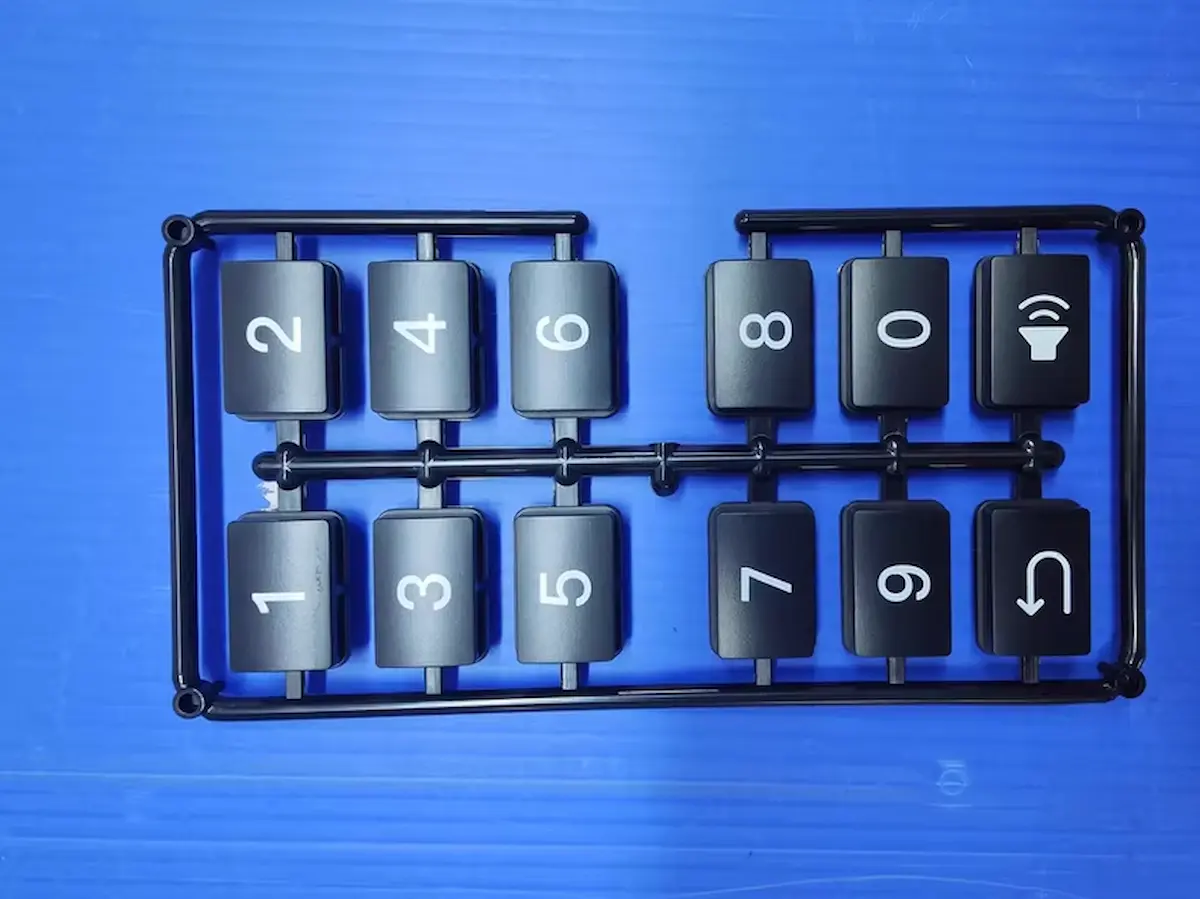
Silk Screen Printing for Custom Parts: Process Overview
Silk Screen Printing (also known as screen printing) remains one of the most versatile and widely adopted surface finishing services and custom manufacturing finishing methods in manufacturing. Despite the emergence of various digital printing technologies, this method continues to thrive in industrial screen printing applications due to its unique combination of durability, cost-effectiveness, and material flexibility. For businesses seeking reliable marking, custom part branding, or product identification printing on custom parts, screen printing for custom parts offers technical and economic advantages that modern alternatives cannot always match. This comprehensive guide explores how custom silk screen printing and manufacturing printing solutions can enhance your custom parts manufacturing projects.
Get an Instant QuoteTechnical Principles Behind the Silk Screen Printing Process
Silk screen printing is a stencil-based screen printing process where ink is forced through a fine mesh screen onto the substrate surface. The process involves creating a stencil (screen) for each color in the design, then pushing ink through these screens onto the material in layers through mesh screen printing techniques.
Key process stages:
- Design Preparation: Creating vector-based artwork separated into color components for Pantone color matching and custom logo printing
- Screen Preparation: Coating screens with light-sensitive emulsion and exposing them to UV light through the design film
- Printing: Applying ink through screens onto substrates using a squeegee in a multi-color printing process
- Curing: Using heat or UV light to permanently set the ink for UV resistant printing
Unlike digital printing methods that deposit ink on the surface, screen printing physically pushes ink into substrate textures, creating a more durable bond that resists wear, fading, and environmental exposure. This makes it ideal for durable printed graphics, permanent product marking, and high durability screen printing requirements.
Key Benefits of Silk Screen Printing for Industrial Parts
1. Exceptional Durability and Longevity
Screen printing creates remarkably durable surface markings that withstand harsh conditions, making it ideal for industrial components, tools, and outdoor equipment. The process produces a thicker ink layer compared to digital methods, resulting in superior resistance to:
- Abrasion: Withstands over 5,000 cycles in Martin Dale friction tests
- Environmental exposure: Resists UV degradation, chemicals, and moisture
- Temperature fluctuations: Withstands temperatures up to 180°C without cracking or peeling
- Frequent cleaning: Maintains integrity through repeated washing (50+ cycles with >90% color retention)
2. Superior Material Versatility
Unlike many digital printing methods limited to specific materials, silk screen printing adapts to an extraordinary range of manufacturing substrates:
| Material Category | Applications | Special Considerations |
|---|---|---|
| Metals | Machine parts, Instruments, Enclosures | Require specialized etching primers |
| Plastics | Consumer products, Electronic housings | Surface treatment may be needed |
| Glass | Laboratory equipment, Decorative items | Glass-specific inks required |
| Ceramics | Tiles, Technical components | High-temperature firing inks |
| Textiles | Industrial fabrics, Protective gear | Flexible ink formulations |
This exceptional material compatibility makes silk screen printing particularly valuable for manufacturers serving multiple industries with diverse material requirements .
3. Cost-Efficiency for Production Runs
The economic advantage of silk screen printing becomes particularly evident in medium to large production runs. While initial setup costs exceed some digital methods, per-unit costs decrease significantly as quantities increase:
- Small batches (50-100 units): Competitive with digital methods
- Medium runs (100-500 units): 20-40% more cost-effective than DTF printing
- Large production (500+ units): 30-50% more economical than digital alternatives
This cost structure makes screen printing ideal for manufacturers producing branded components, inventory batches, or recurring part orders .
4. Unmatched Color Performance
Screen printing delivers color properties that often surpass digital alternatives:
- Exceptional opacity: Produces vibrant colors even on dark substrates
- Color consistency: Maintains precise color matching across production runs
- Specialty inks: Accommodates fluorescent, phosphorescent, metallic, and texture effects
- High color saturation: 30-50% greater color intensity than digital alternatives
These characteristics make screen printing the preferred method for applications requiring bold branding, safety markings, or high-visibility indicators.
Industrial Applications of Silk Screen Printing Across Industries
Electronics Manufacturing
Silk screen printing plays a critical role in electronics manufacturing, where it’s used for applying conductive inks to create circuit patterns on flexible substrates . The process enables precise deposition of electronic materials for:
- Membrane switches and control panels
- Flexible circuit boards
- RFID antennas
- Electronic component markings
The technology’s ability to work with conductive, resistive, and insulating inks makes it indispensable in electronics production .
Automotive and Aerospace Components
In these demanding sectors, screen printing provides:
- Instrument panel markings that remain legible under varying light conditions
- Control interface elements that withstand constant interaction
- Safety labels and warnings that endure years of service
- Functional elements like heated window circuits
Medical Equipment Manufacturing
Medical device manufacturers benefit from screen printing’s:
- Chemical resistance to sterilization processes and cleaning agents
- Biocompatible ink options for direct-part marking
- Durability through repeated use and cleaning cycles
- Precision for applying tiny, legible identifiers on surgical tools and devices
Consumer Products
From appliances to sporting goods, screen printing enhances products through:
- Brand application that survives years of use
- Instructional graphics that won’t rub off with handling
- Decorative elements with special effects like texture or glow-in-the-dark properties
Design Best Practices for High-Quality Printing Results
Artwork Preparation
- Vector-based files (AI, EPS) yield the sharpest results
- Simplify color counts where possible to reduce setup time and cost
- Minimum line width of 0.2mm ensures clean reproduction
- Account for ink spread of 0.05-0.1mm in precise registration work
Technical Specifications
- Standard registration tolerance: <0.1mm for multi-color designs
- Maximum printable area depends on screen size (typically up to 1m² for industrial applications)
- Standard color matching using Pantone Matching System
- Screen mesh range: 80-500 threads/inch depending on detail level and ink type
Silk Screen Printing vs Other Part Marking Methods
| Parameter | Silk Screen Printing | DTF Printing | DTG Printing | Sublimation |
|---|---|---|---|---|
| Best For | Medium-large batches, durable applications | Small batches, complex designs | Cotton fabrics, photo-quality | Polyester items, full coverage |
| Setup Cost | Moderate-high | Low-moderate | Low | Low-moderate |
| Per-Unit Cost | Decreases with volume | Consistent | Consistent | Consistent |
| Durability | Excellent | Good | Good | Excellent (on polyester) |
| Color Vibrancy | Highest | High | High | High |
| Material Flexibility | Very High | Moderate | Limited to fabrics | Limited to synthetics |
| Design Complexity | Moderate (best for solid colors) | High (full color) | High (full color) | High (full color) |
This comparison reveals screen printing’s particular advantage in industrial applications where longevity and material compatibility outweigh the need for photographic detail .
Innovations Shaping the Future of Screen Printing Technology
Despite its centuries-old origins, silk screen printing continues to evolve through technological advancements:
- Improved Resolution: Emerging techniques using electrospun fiber screens achieve resolutions under 30μm, enabling micro-scale printing for electronics and industrial silk screen printing for electronics
- Enhanced Sustainability: Development of plant-based, biodegradable inks and compliance with international environmental standards (OEKO-TEX®, REACH), supporting engineering-grade printing practices
- Hybrid Approaches: Combination with digital technologies for complex effects and shorter runs in modern production-ready printing workflows
- Advanced Materials: Conductive ink printing, semiconductor, and bioactive inks for functional ink printing
The global screen printing market demonstrates remarkable resilience, with projected 9.6% compound annual growth in functional and industrial printing sectors through 2025. This growth underscores the method’s continuing relevance in manufacturing and continued investment in industrial printing expertise and global manufacturing solutions.
How to Integrate Silk Screen Printing Into Manufacturing Projects
When to Choose Screen Printing
Screen printing delivers maximum value when your project requires:
- Exceptional durability against abrasion, chemicals, or weather with abrasion resistant printing capabilities
- Special material compatibility beyond paper or standard plastics including screen printing on plastic parts and screen printing on metal
- Special ink effects like glow-in-the-dark, metallic, or textured finishes for custom product decoration
Partnering with Experts
Successful screen printing requires technical expertise in:
- Material science – matching inks to substrates for screen printing materials compatibility
- Color management – ensuring consistency across productions through screen printing quality control
- Process engineering – optimizing efficiency and quality with precision screen printing service standards
- Environmental compliance – navigating international regulations and ISO quality screen printing requirements
The Strategic Value of Silk Screen Printing in Custom Manufacturing
For manufacturers of custom parts, silk screen printing represents more than just a decoration method – it’s a reliable surface engineering solution that enhances product functionality, identification, and brand presence. The technique’s unique combination of durability, material flexibility, and cost-efficiency at scale ensures its continued relevance in an increasingly digital manufacturing landscape.
At LAVA, we integrate screen printing into our comprehensive surface finishing portfolio, combining traditional expertise with modern quality control to deliver exceptional results for our global clientele. Whether you require simple part identification, complex multi-color branding, printed control panel graphics, or silk screen printing for 3D printed parts, our technical team can help determine if screen printing represents the optimal solution for your application as a trusted screen printing manufacturer delivering OEM screen printing services and screen printing for production parts.
Get an Instant Quote