
Factory Audit
In today’s global supply chain, over 80% of companies are leveraging technology to automate and optimize their compliance processes, making factory audits more critical than ever for risk management .
In an interconnected global economy, your brand’s reputation is intrinsically linked to your suppliers’ operations. A factory audit is an independent, systematic assessment of a potential or existing supplier’s manufacturing facilities. It serves as a critical due diligence tool, verifying that a factory’s practices align with international standards and your corporate values before you commit to a partnership.
For businesses worldwide, these audits are no longer a mere formality but a fundamental component of strategic sourcing, helping to mitigate risks, ensure product quality, and protect brand integrity .
What is a Factory Audit?
A factory audit, also known as a factory assessment or “验厂” (yàn chǎng), is a structured evaluation of a manufacturing facility against a set of predefined criteria . It involves an on-site visit by qualified auditors who examine the factory’s systems, processes, and documentation.
The ultimate goal is to provide a clear picture of the factory’s capabilities and compliance status, offering you the transparency needed to make informed sourcing decisions. Think of it as a vital health check for your supply chain, identifying potential weaknesses before they can disrupt your business.
Get an Instant QuoteThe Key Types of Factory Audits
Factory audits are tailored to assess different aspects of a supplier’s operations. The three primary types are detailed below.
Social Responsibility Audit (Social Compliance)
This audit focuses on the treatment of workers and ensures the factory operates ethically. It assesses compliance with local laws and international labor standards, covering :
- Child Labor and Young Workers: Verifies that no underage workers are employed and that legal young workers are properly managed.
- Working Hours and Compensation: Reviews time records and payroll data to ensure workers are paid at least the minimum wage and overtime is compensated correctly.
- Health and Safety: Inspects the workplace for potential hazards, checks emergency preparedness, and reviews accident records.
- Forced Labor and Discrimination: Ensures employment is voluntary and that no discrimination exists in hiring or workplace practices.
Quality Management System Audit
This evaluation dives into the factory’s ability to consistently produce products that meet specifications and quality standards. It examines the foundational systems that govern production :
- Technical Capability: Assesses the supplier’s legitimacy, organizational structure, and key personnel.
- Production and Capacity: Evaluates machinery, production lines, and overall production capacity.
- Quality Control: Reviews the systems for testing, inspection, and control of non-conforming products.
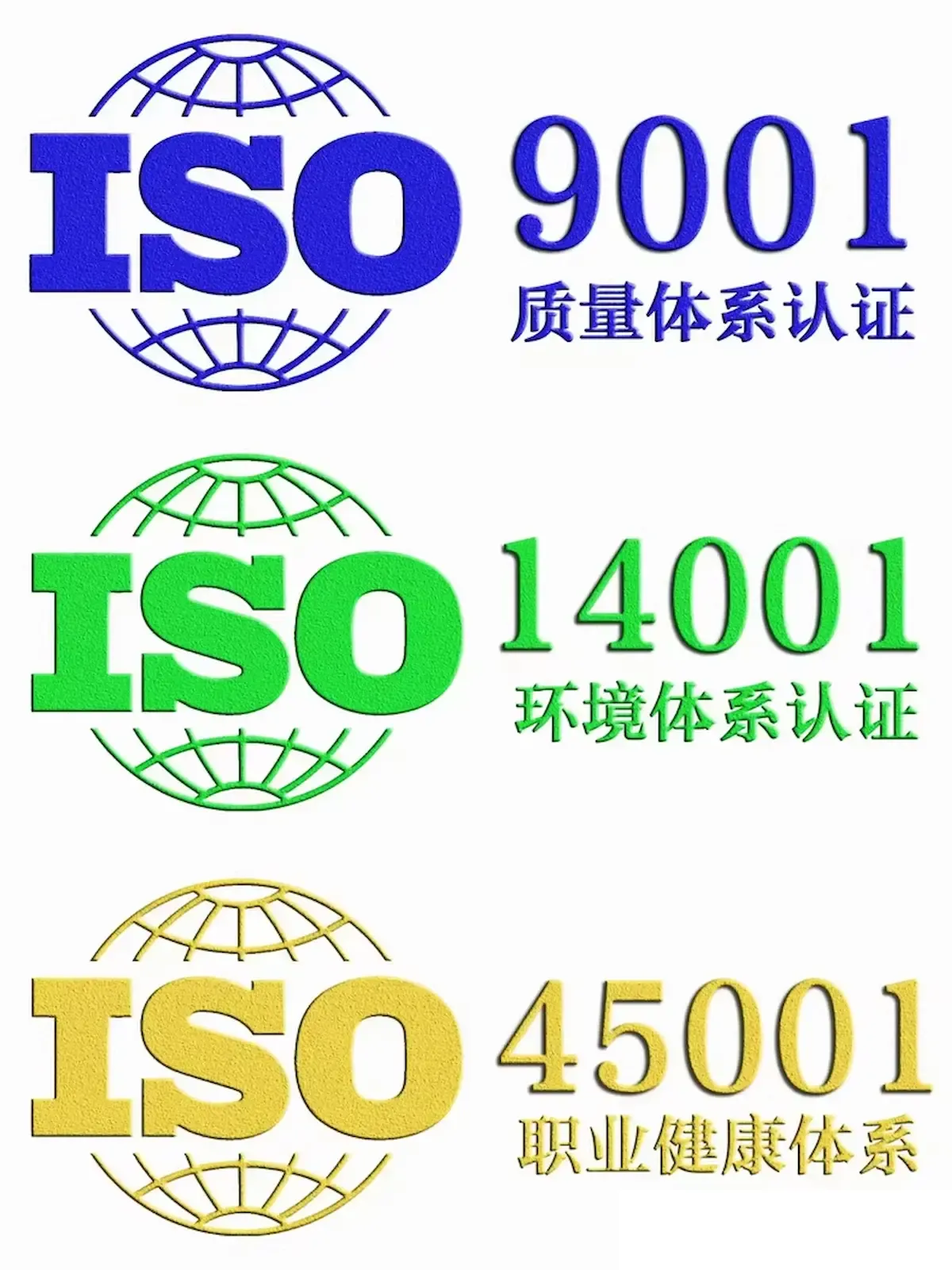
- Internal Management Systems: Checks for certifications like ISO 9001 and the existence of essential procedures for document control, management review, and internal audits .
Security and Anti-Terrorism Audit (CTPAT)
Crucial for international trade, this audit ensures that a factory’s security measures are robust enough to prevent the smuggling of illicit goods or unauthorized personnel into shipments .
The Factory Audit Process: A Step-by-Step Overview
A typical factory audit is a multi-stage process designed to gather comprehensive data through various methods. The following flowchart illustrates the key stages from initiation to continuous monitoring.
Step 1: Opening Meeting
The audit begins with a meeting where the auditor outlines the schedule, scope, and methodology. Key factory personnel from departments like HR, health and safety, and quality control should be present .
Step 2: Site Inspection
The auditor, accompanied by factory staff, conducts a physical walk-through of the facility. This includes production areas, warehouses, dormitories, and canteens to observe conditions firsthand .
Step 3: Document Review
The auditor examines critical records from the past 12 months, which typically include :
- Personnel files and payroll records.
- Time cards and working hour logs.
- Health and safety system documentation.
- Environmental management system records.
- Quality control and machine maintenance logs.
Step 4: Management and Worker Interviews
Private and confidential interviews are conducted with both management and a selection of workers. These discussions help verify that documented practices align with actual conditions and worker understanding .
Step 5: Closing Meeting
The auditor presents the initial findings, discusses any non-conformities, and outlines the necessary corrective actions and timelines for improvement .
Post-Audit: Report and Corrective Action Plan
A formal report is issued, detailing the audit results. Facilities are then expected to implement a corrective action plan to address any identified deficiencies .
Why Factory Audits Are indispensable for Your Business
Implementing a robust factory audit program delivers tangible strategic advantages:
- Risk Mitigation and Brand Protection: Audits help you avoid the financial and reputational damage associated with supply chain failures, such as labor scandals, safety incidents, or customs holds . By ensuring compliance with laws and standards, you protect your brand’s reputation.
- Enhanced Product Quality and Consistency: A quality audit directly correlates with your product’s market performance. As one analysis notes, data-driven quality management can help reduce quality issues by an average of 30% . By verifying the factory’s quality control systems, you secure a more reliable and higher-quality output.
- Improved Supply Chain Transparency and Ethics: Audits provide visibility into your supply chain, ensuring your products are made ethically. This is increasingly important to consumers, investors, and regulators, helping you build a responsible and sustainable brand .
- Informed Strategic Sourcing Decisions: Audit results provide a objective data point for comparing potential suppliers. A common scoring system rates suppliers as Excellent (90-100), Good (80-89), Qualified (60-79), or Disqualified (0-59), allowing for clear, data-driven decisions .
The Future of Factory Audits: Technology and Integration
The landscape of factory auditing is being reshaped by technology and a proactive approach to compliance.
- The Rise of Smart Audits: Advanced platforms now use AI and data analytics to automate evidence collection, monitor transactions, and generate insights. This shift allows for deeper risk analysis and more continuous monitoring, moving beyond periodic, snapshot assessments .
- Integration with Broader Compliance Frameworks: For publicly listed companies, factory audits are do not exist in a vacuum. They are often part of broader compliance obligations, such as the Sarbanes-Oxley (SOX) Act, which requires controls over financial reporting that are deeply intertwined with inventory and procurement activities .
- Data-Driven Performance Management: Modern audits are increasingly integrated with Manufacturing Execution Systems (MES), which provide real-time data on production parameters, enable full traceability, and automate quality alerts. This integration offers a dynamic, data-rich view of factory performance that static audits alone cannot provide .
Conclusion: Partnering for a Resilient Supply Chain
A factory audit is far more than a checklist; it is a strategic investment in the resilience, quality, and ethics of your supply chain. In a world of increasing complexity and scrutiny, taking a proactive and technology-enabled approach to supplier assessments is not just prudent—it is essential for long-term success.
By choosing to implement a thorough factory audit program, you are not merely inspecting a facility; you are building a foundation of trust and quality that will support your brand for years to come.
Ready to gain unparalleled visibility into your supply chain? Contact us today to discover how our expert factory audit services can help you de-risk your sourcing, protect your brand, and ensure the highest standards of quality and ethics.
Get an Instant Quote