
Laser Engraving
What is Laser Engraving?
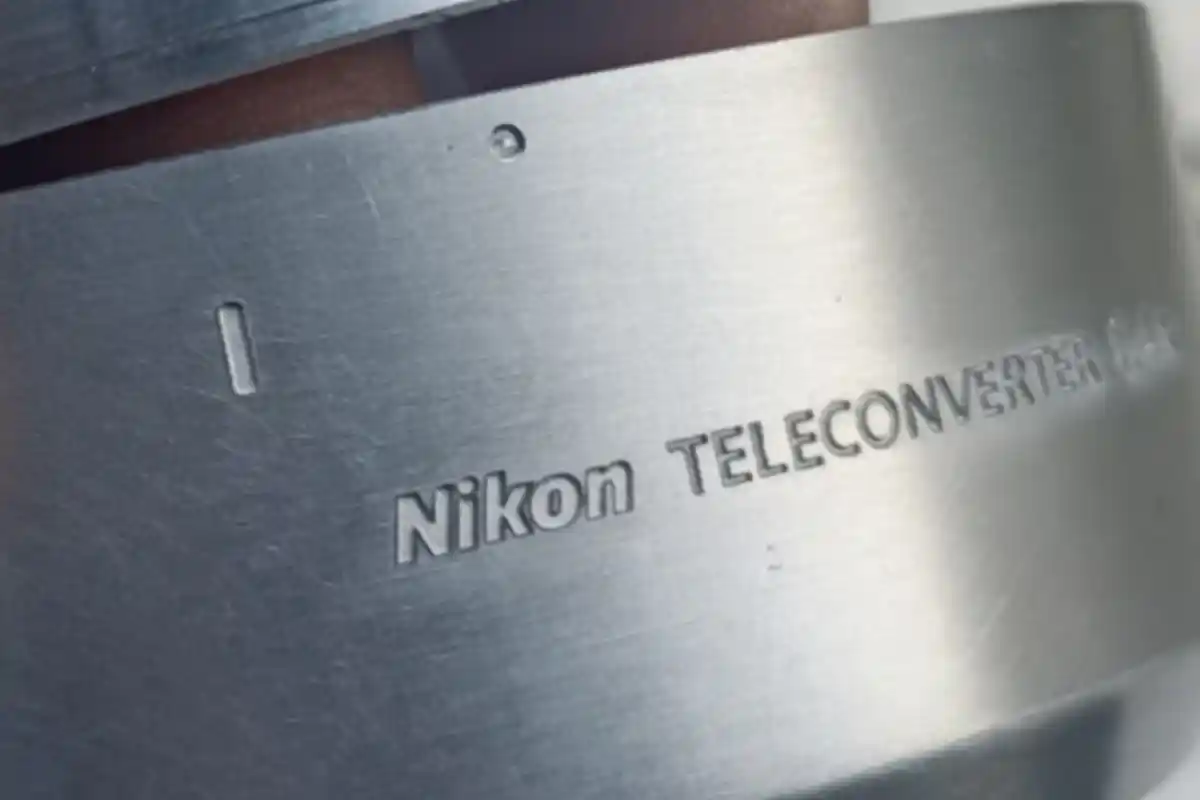
Laser engraving is a sophisticated, non-contact subtractive manufacturing process that uses a focused high-energy laser beam to remove material from a surface, creating permanent, high-contrast marks, text, logos, or intricate graphics using precision laser engraving and industrial laser engraving techniques. Unlike printing or coating, which sit on top of a surface, laser engraving physically vaporizes or ablates the material itself, producing a mark that is exceptionally durable and resistant to wear, solvents, and heat—making it ideal for permanent part identification and durable industrial marking solutions.
At LAVA3DP, we integrate advanced laser engraving technology into our custom parts fabrication workflow, enabling engineers, product designers, and businesses worldwide to add permanent identification, branding, and decorative elements directly onto their components—without additional lead time or secondary operations—through custom engraved parts, laser marking services, and CAD-based engraving workflow.
Get an Instant QuoteHow Laser Engraving Works: Technology & Process Explained
The laser engraving process relies on the precise interaction between a laser beam and the target material. When the beam strikes the surface, the concentrated energy rapidly heats the material beyond its vaporization point, causing it to melt, burn, or vaporize in a tightly controlled manner using non-contact material processing and high precision surface marking. The key components of any laser engraving system include:
- Laser Source – Generates the high-intensity beam. Common types include fiber lasers (ideal for metals and fiber laser engraving), CO₂ lasers (perfect for organics like wood and leather and CO2 laser engraving), and UV lasers (suitable for heat-sensitive materials).
- Beam Delivery System – Mirrors, fiber optics, and focusing lenses direct and concentrate the beam into a spot size as small as a few micrometers.
- Motion Control System – Galvanometer-based systems or gantry systems move the laser head or the workpiece precisely along X and Y axes to trace the desired pattern similar to CNC laser engraving systems.
- Engraving Software – Converts digital designs (vector files, text, barcodes) into machine-readable instructions that control the laser’s speed, power, and path, supporting laser engraving file formats.
Key Parameters: Power, Speed, and Depth
Achieving optimal laser engraving results requires balancing three core parameters that work together like musicians in an orchestra:
| Parameter | Low Setting | Medium Setting (Standard Engraving) | High Setting (Deep Engraving) |
|---|---|---|---|
| Power (W) | 5–15W (surface marking, 0.01–0.05mm depth) | 15–30W (standard engraving, 0.05–0.2mm depth) | 30–50W (deep engraving, >0.2mm depth) |
| Speed (mm/s) | Slow (longer exposure, deeper marks) | 500–800 mm/s (balanced) | Fast (lighter surface effects) |
Note: Power values are based on a standard 50W laser; adjust proportionally for your specific machine.
- Power – Controls the intensity of the laser beam. Higher power delivers more energy per unit time, enabling deeper engraving.
- Speed – Determines how long the laser dwells on each point. Slower speeds allow more energy absorption, resulting in darker or deeper marks.
- Depth – The result of the interaction between power and speed, measured in millimeters. Typical engraving depths range from 0.01mm for light surface marking to over 0.5mm for deep, tactile engravings.
Compatible Materials for Laser Engraving (Metals, Plastics & More)
One of the greatest strengths of laser engraving is its remarkable versatility across a wide spectrum of materials. At LAVA3DP, we work with an extensive range of substrates to meet diverse project requirements.
Metals
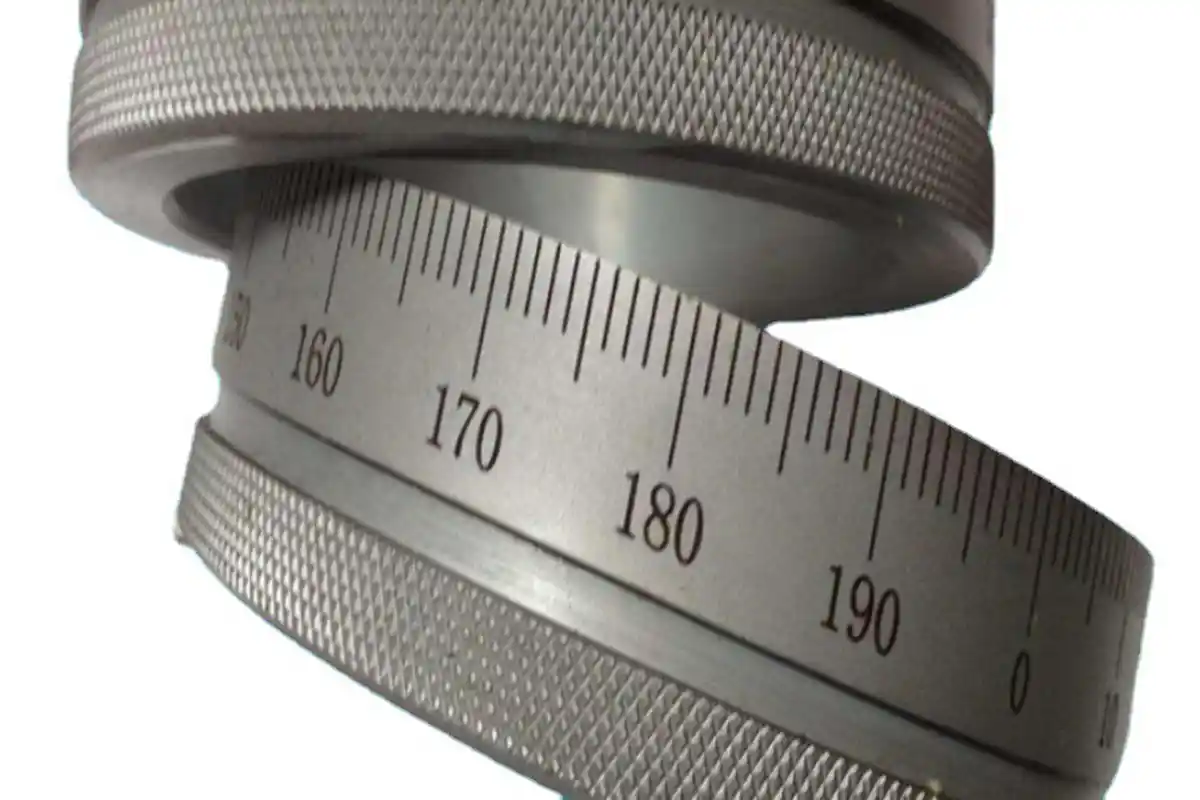
- Stainless Steel – Produces high-contrast black annealing marks (35–45W, 100–300 mm/s) or deep engravings with multiple passes.
- Aluminum & Anodized Aluminum – Creates crisp white marks on anodized surfaces (15–30W) or dark engravings on raw aluminum (40–50W).
- Brass, Copper, Titanium – Ideal for tags, plaques, jewelry, and industrial components.
Plastics & Polymers
- Acrylic (PMMA) – Yields a beautiful frosted white engraving; cast acrylic engraves better than extruded.
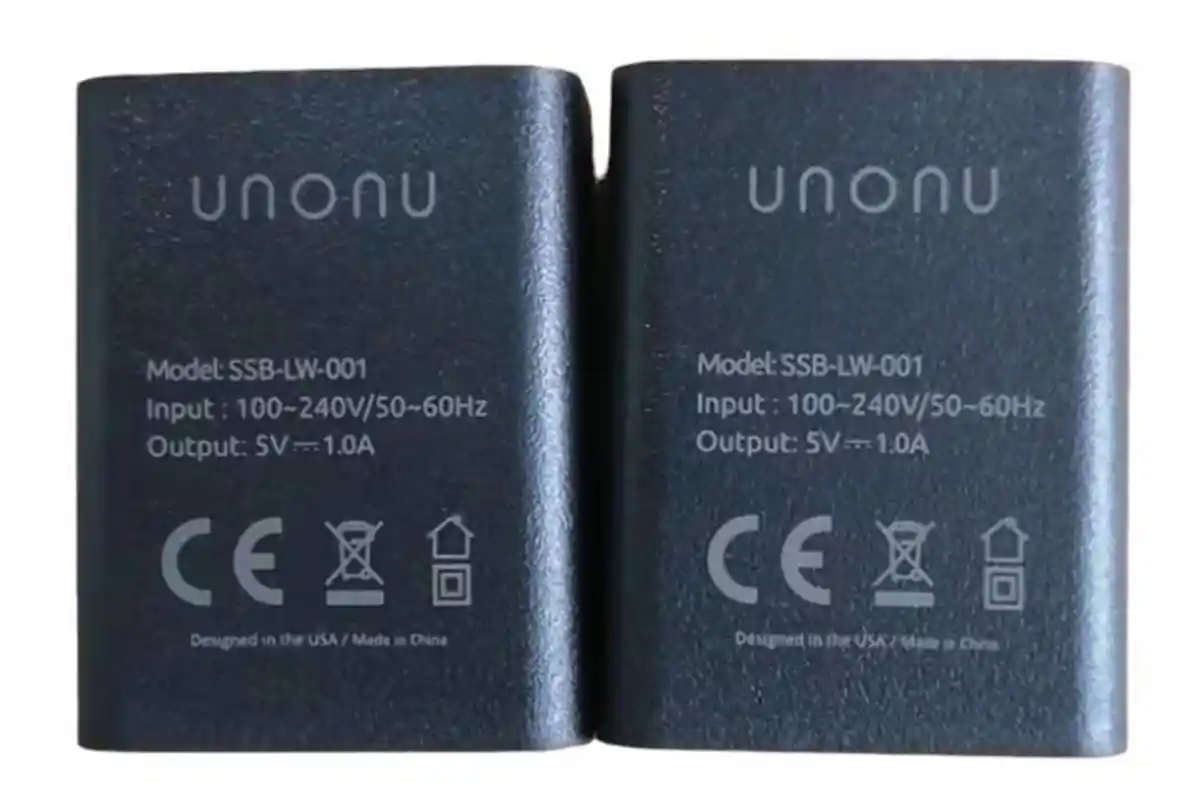
- ABS, Polycarbonate, Polyamide (PA) – Suitable for electronic housings, automotive interior parts, and consumer goods.
- Rubber & Silicone – Perfect for stamps, gaskets, and soft-touch products.
Organic Materials
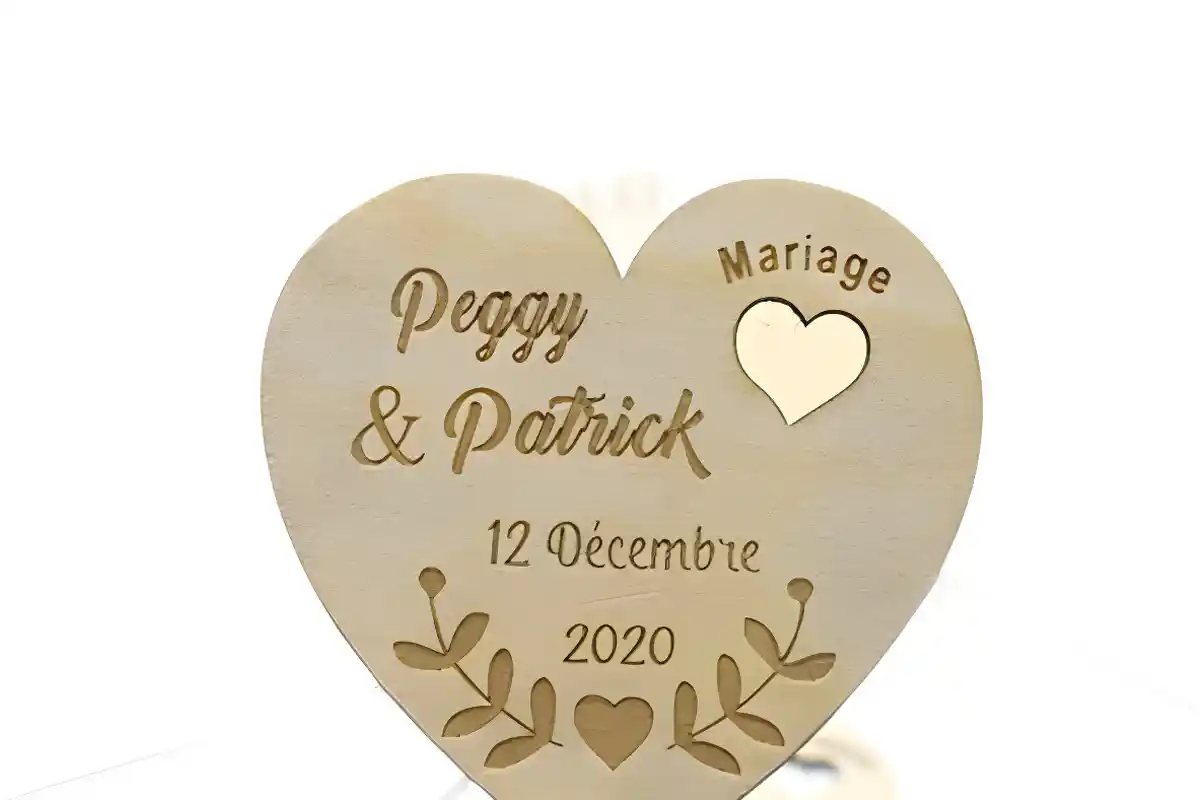
- Wood – Hardwoods and softwoods both engrave beautifully, producing dark, carbonized marks (25–40W for hardwoods).
- Leather – Creates sharp, clean engravings ideal for tags, wallets, and accessories.
- Paper, Cardboard, Cork – Suitable for packaging, labels, and artistic applications.
Other Materials
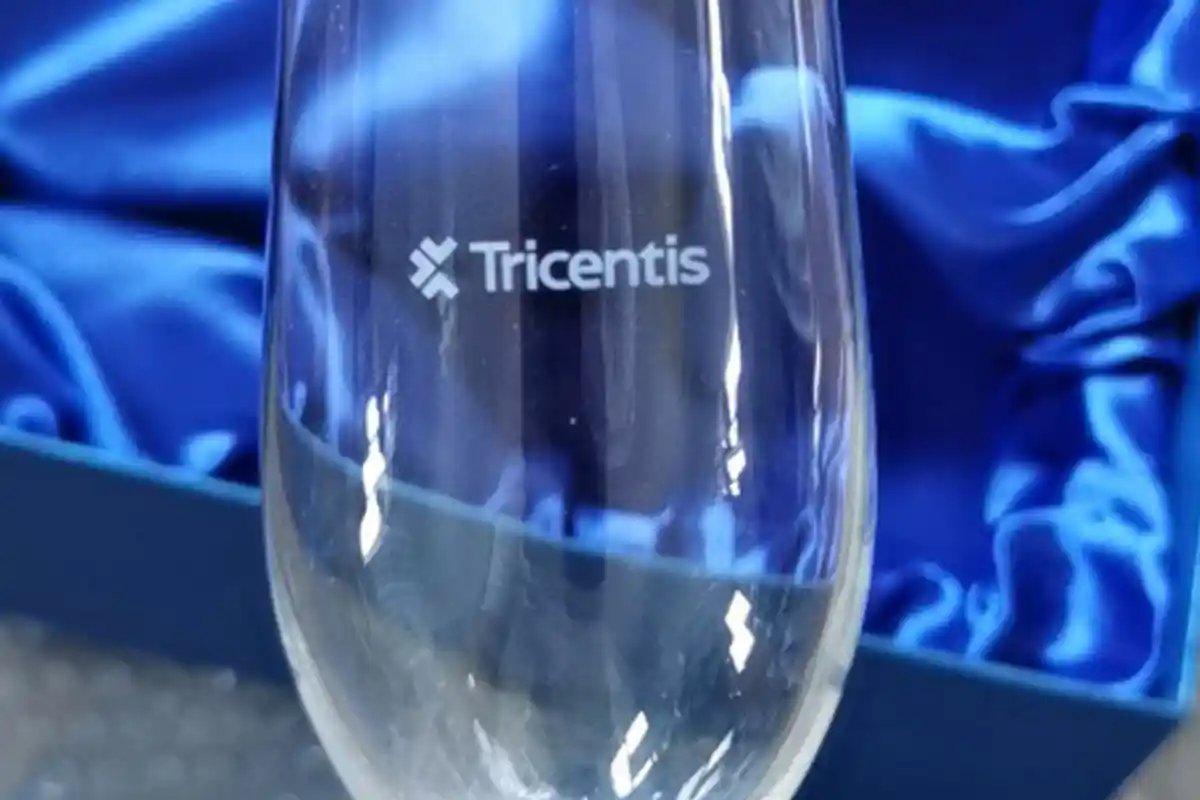
- Glass & Ceramics – Produces a frosted etched appearance (5–15W, 300–600 mm/s, multiple passes recommended).
- Stone (Marble, Granite) – Surface finishing and photo engraving for memorials and signage.
- Coated Surfaces – Ideal for removing coatings to reveal contrasting base materials (10–25W, 400–700 mm/s).
Benefits of Laser Engraving vs Traditional Marking Methods
When compared to conventional engraving techniques such as mechanical rotary engraving, chemical etching, or stamping, laser engraving offers a compelling set of advantages:
| Feature | Laser Engraving | Traditional Engraving (CNC/Mechanical) |
|---|---|---|
| Contact | Non-contact – no mechanical stress or deformation | Physical contact – risk of surface damage |
| Precision | Spot size down to microns; sub-millimeter accuracy | Limited by tool diameter and wear |
| Speed | Significantly faster, especially for complex designs | Slower, particularly for intricate patterns |
| Flexibility | Switch between materials and designs instantly | Requires tool changes and setup adjustments |
| Consumables | None – no inks, acids, or replacement bits | Bits wear out; chemicals need replenishment |
| Durability | Permanent marks resistant to wear, solvents, heat | Marks can fade or wear over time |
| Automation | Easily integrated into digital workflows | Limited automation; higher manual intervention |
Based on comparative data from industry sources.
Precision and Detail
With spot sizes as small as a few micrometers, laser engraving can reproduce the finest details—from micro-text and intricate logos to high-resolution photographs—with exceptional clarity and consistency, making it suitable for custom engraved logos and engraved metal parts.
Speed and Efficiency
Laser engraving systems operate at remarkable speeds, typically ranging from 200 mm/s to over 1,200 mm/s depending on the material and desired effect. This high-speed engraving technology translates directly into faster turnaround times and lower per-part costs, especially for high-volume production runs and high volume engraving services.
No Consumables, Lower Operating Costs
Unlike traditional methods that require replacement bits, inks, or chemical baths, laser engraving uses only electricity and the laser source itself. This eliminates ongoing consumable expenses, reduces maintenance requirements, and minimizes environmental waste.
Permanent, Tamper-Proof Markings
Because laser engraving removes material rather than depositing or coating it, the resulting mark is as durable as the substrate itself. Engraved identifiers—whether serial number engraving, barcode laser marking, or logos—remain legible throughout the component‘s entire lifecycle, even in harsh industrial environments and support industrial compliance marking services.
Industrial Applications of Laser Engraving Across Industries
The versatility of laser engraving has made it indispensable across virtually every manufacturing sector. At LAVA3DP, we support clients in the following applications:
Product Identification and Traceability
Manufacturers across automotive, aerospace, medical device, and electronics industries rely on laser engraving to apply serial numbers, batch codes, QR codes, Data Matrix codes, and barcodes directly onto components using high precision laser engraving for electronics. These permanent markings enable:
- End-to-end supply chain traceability
- Regulatory compliance (FDA, ISO, aerospace standards) aligned with laser marking compliance standards
- Counterfeit prevention and brand protection
- Efficient recall management using industrial part traceability methods
Branding and Customization
From engraved logos on industrial tools to personalized text on consumer products, laser engraving delivers high-impact branding with exceptional durability. Whether you need to mark 100 units or 100,000, our systems ensure every piece carries your brand identity with perfect consistency.
Alignment and Assembly Indicators
Laser-engraved alignment marks, orientation indicators, and assembly instructions streamline production workflows and reduce assembly errors. These markings can be applied during the initial manufacturing process with zero additional lead time.
Decorative and Personalized Products
Jewelry, awards, gifts, promotional items, and custom merchandise benefit from the precision and aesthetic quality of laser engraving. From deep engravings on metal such as stainless steel engraving and anodized aluminum engraving to delicate surface marks on glass and acrylic laser engraving, the possibilities are virtually unlimited.
Laser Engraving Market Trends & Industry Growth Insights
The global laser engraving machine market is experiencing robust growth, driven by increasing demand for precision marking solutions across manufacturing, automotive, consumer goods, and medical device industries including regions like laser engraving services USA, laser engraving UK, and laser engraving Germany. According to recent market research, the market grew from $3.78 billion in 2025 to $4.09 billion in 2026, and is projected to reach $6.69 billion by 2032, representing a compound annual growth rate (CAGR) of 8.47%. A separate analysis forecasts the market expanding from $4.43 billion in 2025 to $7.19 billion by 2034 at a CAGR of 5.53%.
This sustained growth reflects the technology‘s increasing adoption across both industrial and consumer-facing applications, as manufacturers recognize the value of permanent, high-precision, and cost-effective marking solutions including bulk laser engraving services for manufacturers.
Why Choose LAVA3DP for Professional Laser Engraving Services
At LAVA3DP, we specialize in the rapid fabrication of custom parts for clients around the globe as an experienced laser engraving company. Our laser engraving service is designed to integrate seamlessly into your manufacturing workflow:
- Instant Quoting – Upload your design files and receive an immediate price quote with an online laser engraving quote and custom laser engraving quote.
- Broad Material Support – From metals and plastics to organics and coated surfaces, we work with virtually any substrate including metal laser engraving services and plastic laser engraving services.
- No Minimum Order Quantities – Whether you need one prototype or ten thousand production parts, we deliver.
- Fast Turnaround – Streamlined digital workflows eliminate secondary operations and reduce lead times through rapid laser engraving service.
- Global Shipping – We serve clients worldwide from our centralized manufacturing facility as a laser engraving supplier china.
Conclusion: High-Precision Engraving for Modern Manufacturing
Laser engraving has revolutionized the way manufacturers add permanent markings to custom parts. Its combination of precision, speed, material versatility, and cost-effectiveness makes it the ideal choice for applications ranging from industrial traceability to consumer personalization.
Whether you require serial numbers for regulatory compliance, logos for brand identity, or intricate decorative patterns for custom products, LAVA3DP has the expertise and equipment as a certified manufacturing partner to deliver exceptional results. Upload your design files today and experience the difference that professional laser engraving can make for your next project.
Get an Instant Quote