

PBF (Powder Bed Fusion)
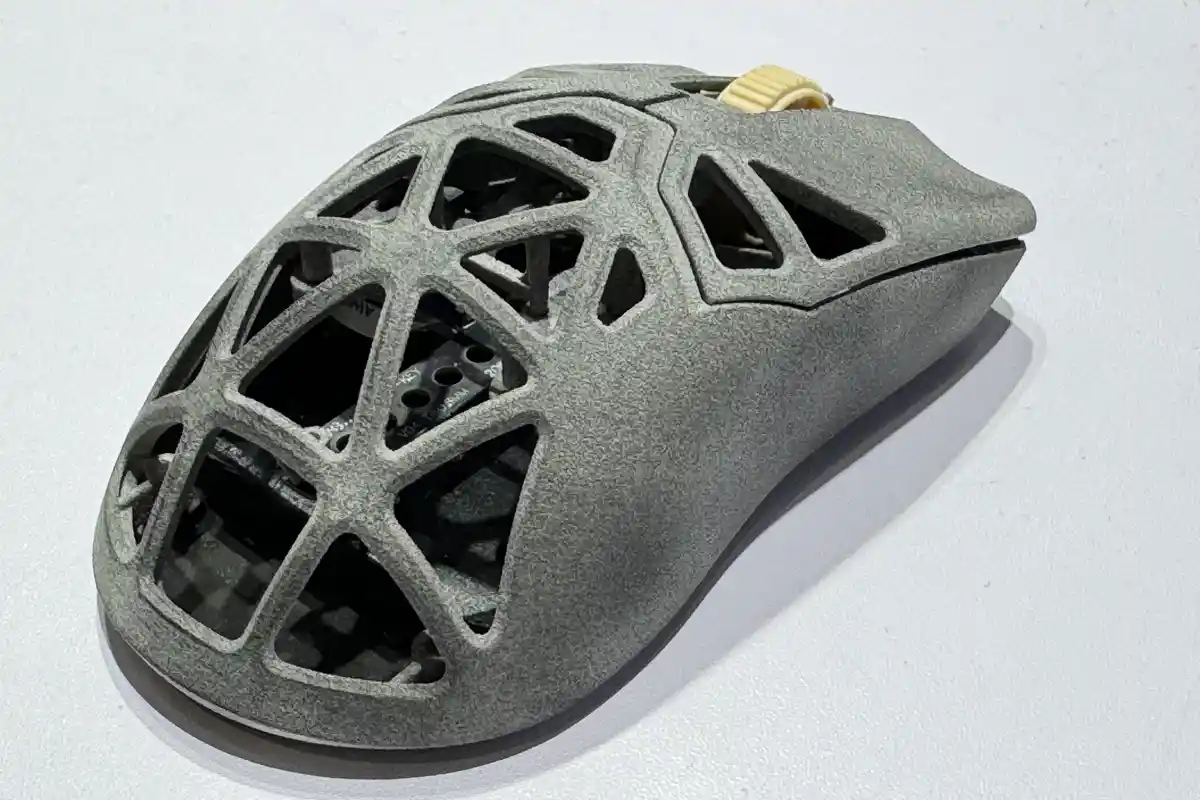
PBF 3D Printing Service for Custom Manufacturing
Powder bed fusion 3D printing and PBF 3D printing service, a transformative additive manufacturing technology that is reshaping how we conceive and produce custom parts. At LAVA3DP, we harness the power of advanced industrial PBF additive manufacturing and production-grade PBF 3D printing to deliver precision-engineered components to a global clientele, bridging the gap between innovative ideas and tangible reality through our online PBF 3D printing service.
This comprehensive guide delves into the world of PBF 3D printing, exploring its mechanisms, advantages, diverse applications, and why it stands as the premier choice for custom parts fabrication in the 21st century.
Get an Instant QuotePowder Bed Fusion (PBF) Explained: Advanced Metal 3D Printing Technology
Powder Bed Fusion is a category of additive manufacturing (AM) processes that use a thermal energy source—such as a laser or electron beam—to selectively melt and fuse regions of a powdered material together, layer by layer, to build a three-dimensional object. This layer-by-layer fusion technology is classified under ASTM/ISO standards as a “fusion” process and is one of the most widely adopted additive manufacturing technologies for industrial applications, particularly in the metal and polymer sectors, including metal PBF 3D printing service environments.
The core principle is elegantly simple yet technologically sophisticated: a thin layer of powder is spread across a build platform, the energy source “draws” the cross-section of the part onto the powder, fusing it. The platform then lowers by a single layer thickness, a new coat of powder is applied, and the process repeats until the part is complete. The unused powder surrounding the part acts as a natural support structure, enabling support structure optimization and complex geometry manufacturing that would be impossible with subtractive methods.
Types of PBF Technologies: SLM, DMLS & Electron Beam Melting
PBF is not a monolith; it encompasses several key technologies tailored to specific materials and applications, forming the backbone of modern precision engineering solutions:
- Laser Powder Bed Fusion (L-PBF or LPBF): The most common method for both metals and polymers. It uses one or more high-powered lasers to precisely melt the material, often referred to as the laser powder bed fusion process, and includes technologies like selective laser melting (SLM) and direct metal laser sintering (DMLS) for producing high density metal parts.
- Electron Beam Melting (EBM or PBF-EB): Utilizes an electron beam as its energy source, typically in a vacuum chamber. Known as electron beam melting (EBM), it is primarily used for high-end applications requiring high-performance alloys printing and exceptional thermal resistance.
- Selective Laser Sintering (SLS): Specifically for polymers, this process uses a laser for metal powder sintering-like fusion of nylon powders, enabling functional end-use parts and rapid digital manufacturing solutions.
- Agent-Based Thermal Fusion: A newer approach that enhances industrial-grade 3D printing, enabling faster production and consistency, ideal for scalable PBF 3D printing production solutions.
Why Choose PBF 3D Printing for High-Precision Custom Metal Parts
Why should a global manufacturer or a product designer choose PBF over CNC machining or other 3D printing methods? The advantages of powder bed fusion are compelling and directly address the core needs of custom fabrication.
1. Unparalleled Design Freedom and Complexity
PBF liberates designers from traditional constraints, enabling PBF printing for complex internal structures, topology optimized structures, and advanced design for additive manufacturing (DfAM). This allows for part consolidation and efficient custom metal parts PBF printing.
2. Exceptional Mechanical Properties
Parts produced via PBF exhibit excellent strength and durability, making them ideal for engineering-grade metal printing and precision inspected metal parts used in demanding industries like aerospace and automotive.
3. Cost-Effectiveness for Low-to-Medium Volumes
PBF eliminates tooling costs, making it ideal for low volume metal manufacturing service, PBF rapid prototyping service, and on demand metal additive manufacturing service with reduced lead times and competitive cost of PBF 3D printing.
4. Material Efficiency and Sustainability
PBF is a near-net-shape process, meaning it uses only the material necessary to create the part. Unfused powder can be collected, sieved, and reused in subsequent builds, dramatically reducing material waste compared to the subtractive nature of CNC machining, which can waste up to 90% of the raw material . Some technologies even allow for the use of recycled powder from other processes, contributing to a circular economy .
5. Scalability Through Nesting
In polymer PBF (like SLS) and some metal systems, parts can be “nested” or densely packed within the build volume. Advanced algorithms allow for parts to be arranged in 3D space to maximize throughput. High-density nesting can significantly increase productivity and lower the cost per part, making it viable for mass customization .
Materials Used in PBF: High-Performance Metal Powders & Alloys
The choice of material is paramount in determining a part’s final properties. At Lava3DP.com, we work with a wide spectrum of materials to match your application’s specific needs.
Polymers (Plastics)
- PA12 (Nylon 12): Widely used for rapid metal prototyping alternatives and durable parts in industrial-grade 3D printing applications.
- PA11 (Nylon 11): Ideal for flexible applications requiring durability and repeated stress resistance in functional end-use parts.
- Polypropylene (PP): Suitable for applications requiring chemical resistance and airtight properties in industries using PBF technology.
- Carbon-Fiber Reinforced Composites: Perfect for lightweight metal components alternatives with high stiffness and strength-to-weight ratios.
Metals
- Titanium Alloys (e.g., Ti6Al4V): Essential for PBF 3D printing for medical components and aerospace, offering superior performance in high accuracy PBF 3D printing supplier environments.
- Stainless Steel (e.g., 316L, 17-4PH): Common in PBF metal parts manufacturer workflows for durable and corrosion-resistant parts.
- Aluminum Alloys (e.g., AlSi10Mg): Ideal for lightweight metal components and thermal applications in PBF 3D printing for aerospace parts.
- Cobalt-Chrome (CoCr): Used in demanding environments requiring durability and performance in advanced manufacturing expertise settings.
Industry Applications of PBF: Aerospace, Automotive, Medical, Consumer Goods & Industrial Manufacturing
The versatility of PBF technology means it is making a tangible impact across virtually every manufacturing sector.
Aerospace
The industry’s demand for lightweight, high-strength parts makes it a perfect fit for PBF. Companies are producing complex brackets, ducting, and customized enclosures for laser-warning testers that are rugged, lightweight, and can withstand extreme temperatures . The ability to consolidate parts and create organic lattice structures directly contributes to fuel efficiency and performance .
Automotive
From rapid prototyping of new designs to producing end-use replacement parts and custom tooling (jigs and fixtures), PBF is streamlining automotive workflows. It enables the creation of complex geometries for weight and space optimization, which is critical in the shift towards electric vehicles .
Healthcare
Perhaps no other field benefits more from PBF’s customization capabilities. Surgeons can use 3D-printed models for pre-operative planning. Most importantly, patient-specific implants—such as cranial plates, spinal cages, and shoulder arthrodesis plates—can be manufactured quickly from biocompatible titanium, ensuring a perfect anatomical fit and improving recovery outcomes .
Industrial Manufacturing
PBF is used to produce durable, high-performance end-use parts and manufacturing aids. The ability to create complex, custom grippers for robotic arms, as analyzed in comparative studies, showcases how PBF can optimize automated production lines .
Consumer Goods
The technology enables mass customization at scale. Eyewear frames tailored to an individual’s face, custom-fit athletic gear, and uniquely designed fashion accessories are all possible, bypassing the high costs of traditional tooling .
Why Choose LAVA3DP: Trusted Experts in Precision PBF Manufacturing
Navigating the complexities of PBF manufacturing requires expertise. At LAVA, we are a trusted PBF service provider and experienced additive manufacturing provider delivering certified metal 3D printing service solutions.
We adhere to strict standards, ensuring ISO quality PBF manufacturing and quality assurance in metal 3D printing, supported by in-process monitoring and precision inspected metal parts validation.
From expert DfAM consultation to advanced materials and post-processing in metal 3D printing, including post-processing metal parts, we deliver complete precision engineering solutions as an international metal 3D printing supplier and export metal 3D printed parts worldwide partner.
The Future of Powder Bed Fusion in Advanced Additive Manufacturing
As material options expand and technology evolves, Powder Bed Fusion continues to lead the future of industrial PBF additive manufacturing and digital manufacturing solutions. Its ability to produce high density metal parts with efficiency makes it superior to traditional methods like PBF vs CNC machining and PBF vs casting manufacturing comparisons.
Whether you need prototypes or production parts, our online global PBF 3D printing service provides high precision metal 3D printing service capabilities with industrial PBF 3D printing with fast turnaround.
Ready to start your next project? Visit Lava3DP.com to upload your design and get an PBF 3D printing service instant quote or order PBF 3D printing online today!
Get an Instant Quote