

Anodizing
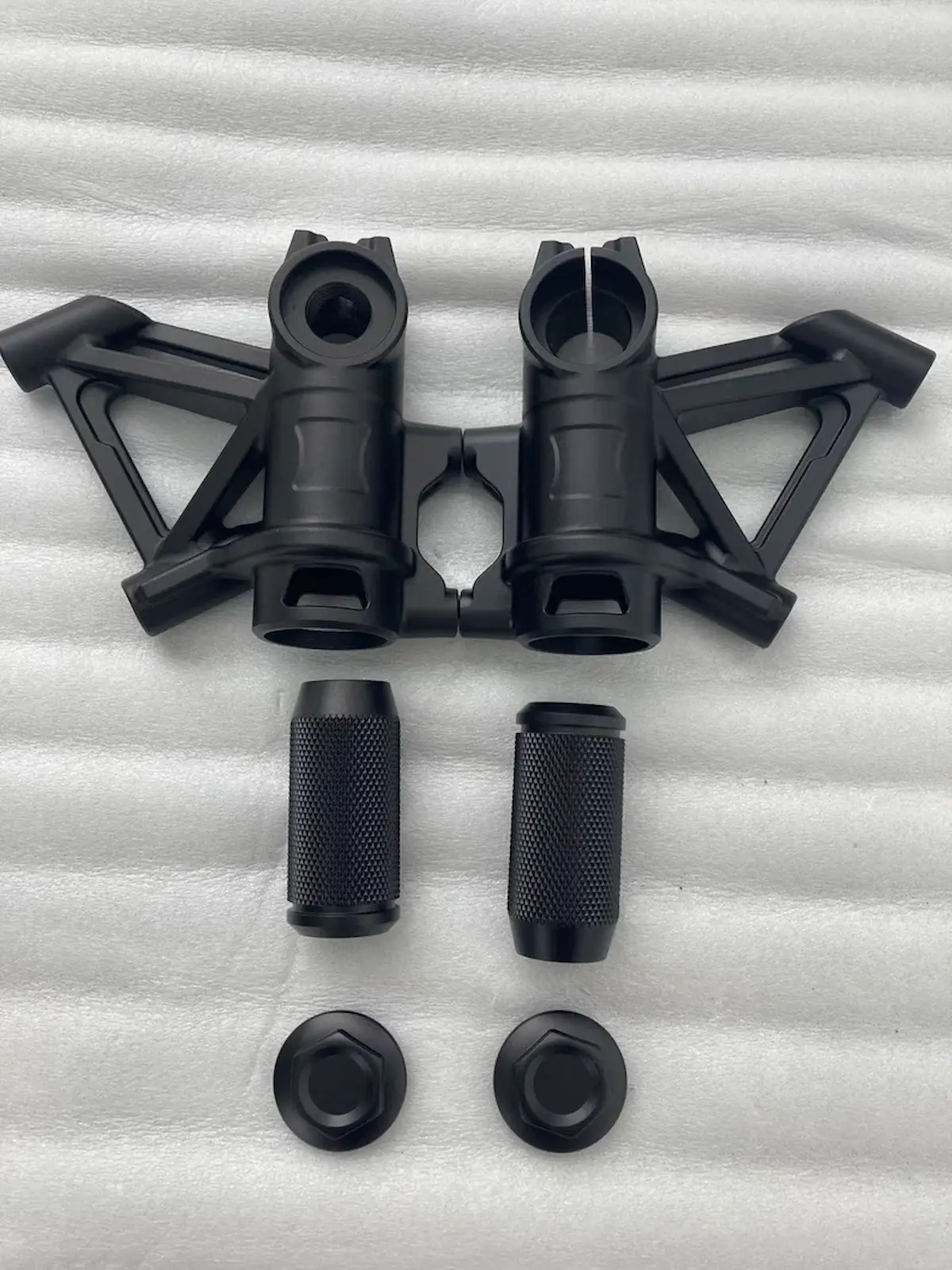
Introduction to Aluminum Anodizing Services
Anodizing stands out as one of the most effective and versatile surface treating processes, particularly for aluminum components. As an online custom parts fabrication service provider dedicated to manufacturing quality components for clients worldwide, we at Lava3DP recognize the importance of helping our customers understand how anodizing services, including aluminum anodizing services and custom anodizing services, can enhance their products within modern metal surface finishing and custom manufacturing finishing solutions.
Anodizing, technically known as anode oxidation, is an electrochemical process that converts a metal surface into a durable, decorative, corrosion-resistant, anodic oxide finish. This advanced electrochemical finishing process forms a protective oxide coating widely used in anodized aluminum parts and other precision engineered components. This article provides a comprehensive overview of the anodizing process, its benefits, applications, and design considerations to help you make informed decisions for your custom part requirements.
What Is Anodizing? Process & Working Principles
Anodizing is a controlled oxidation process that thickens and toughens the naturally occurring protective oxide layer on metal surfaces. Unlike plating processes that apply a separate coating material, anodizing transforms the base metal itself into a porous oxide layer that is integral to the metal substrate, making it a preferred aluminum surface treatment and industrial coating solution for high-performance applications.
Get an Instant QuoteThe anodizing process involves several key steps:
- Pre-treatment: The aluminum part undergoes mechanical polishing and chemical cleaning to remove impurities and prepare the surface as part of professional anodizing surface finish preparation.
- Electrolytic Treatment: The cleaned part is immersed in an electrolyte solution (typically used in sulfuric acid anodizing) and connected to the positive terminal (anode) of a power source, with a cathode completing the circuit.
- Oxide Formation: When electric current passes through the circuit, oxygen ions from the electrolyte combine with aluminum atoms at the part’s surface, forming a durable corrosion resistant coating with controlled anodized coating thickness.
- Dyeing (Optional): The newly formed anodic layer is porous, allowing for the absorption of dyes or pigments to create various anodized color options for decorative metal finishing.
- Sealing: The part is treated with hot water or steam to hydrate the oxide layer, enhancing durability and long-term performance in anodized aluminum finishing applications.
Benefits of Anodized Aluminum for Custom Parts
Anodizing offers numerous benefits that make it an ideal surface treatment for a wide range of applications:
- Enhanced Durability: Anodized surfaces are exceptionally hard and wear-resistant, with hard anodizing and type III anodizing creating advanced wear resistant coatings suitable for demanding environments.
- Superior Corrosion Resistance: The anodic layer provides excellent protection against environmental degradation, significantly extending product lifespan through reliable industrial anodizing services.
- Excellent Aesthetic Properties: Anodizing allows for a wide range of color options and surface textures, making it ideal for decorative metal finishing and branded components.
- Improved Adhesion: The porous nature of the anodic layer provides an excellent base for paints, adhesives, and other coatings in CNC machined parts finishing workflows.
- Heat Resistance: Anodized coatings withstand high temperatures without discoloration or degradation.
- Electrical Insulation: Unlike bare metal, anodized surfaces are non-conductive, providing electrical insulation properties.
- Environmental Safety: The anodic coating is non-toxic and chemically stable, aligning with RoHS compliant anodizing and certified metal finishing services standards.
Anodizing vs Powder Coating & Other Finishes
Understanding how anodizing compares to other common surface treatments can help in selecting the most appropriate process for your application:
Table: Comparison of Surface Treatment Methods
| Treatment Method | Key Characteristics | Best Applications | Materials Suitable |
|---|---|---|---|
| Anodizing | Creates hard, integral oxide layer; excellent corrosion/wear resistance; allows coloring; electrical insulator | Automotive, aerospace, consumer electronics, architectural components | Aluminum, titanium, magnesium |
| Electroplating | Deposits different metal onto surface; enhances appearance; can improve conductivity | Decorative trim, jewelry, electronic connectors | Various metals, some non-metals with special preparation |
| Powder Coating | Applies dry polymer powder cured under heat; thick protective layer; wide color range | Outdoor equipment, appliances, furniture | Metals (steel, aluminum) |
| Passivation | Chemical process creating inert surface layer; improves corrosion resistance without changing appearance | Medical devices, food processing equipment, precision instruments | Stainless steel, some other metals |
Types of Anodizing: Type II, Type III & Titanium
Different applications require specific anodizing processes, each with unique characteristics:
Sulfuric Acid Anodizing
This is the most common anodizing method, widely used in type II anodizing, producing clear coatings ideal for dyeing and versatile anodized aluminum parts. The process creates a porous surface that readily accepts colors before sealing, making it perfect for applications where aesthetics matter.
Hard Anodizing (Hardcoat)
Hard anodizing produces an extremely thick, dense coating, commonly referred to as type III anodizing, making it ideal for hard anodizing services for industrial components. This process is ideal for components subject to severe wear, such as military equipment, hydraulic systems, and mechanical parts.
Chromic Acid Anodizing
This process is often used in aerospace grade anodizing applications, meeting strict requirements such as MIL-A-8625 anodizing standard for fatigue-sensitive components. This process produces thinner coatings than sulfuric acid anodizing but offers better corrosion resistance without compromising base metal properties. It’s particularly useful for aerospace applications where fatigue resistance is critical.
Phosphoric Acid Anodizing
Primarily used as a pretreatment for adhesives or organic coatings, this process creates a porous oxide layer that significantly improves adhesion for bonding applications.
Industrial Applications of Anodized Components
The unique properties of anodized components make them suitable for diverse applications:
- Aerospace: Aircraft components benefit from aerospace anodizing USA requirements, combining durability and lightweight performance.
- Architecture and Construction: Structural elements use anodizing for long-lasting corrosion resistant coating performance.
- Consumer Electronics: Devices rely on anodizing for both protection and aesthetics in modern metal anodizing service provider solutions.
- Automotive Industry: Components utilize anodizing for durability in harsh environments, supporting anodizing for CNC parts.
- Thermal Management: Heat sinks benefit from anodized finishes in anodized aluminum finishing for improved performance.
Design Guidelines for Anodized Precision Parts
To maximize the benefits of anodizing in your custom parts, consider these design factors:
- Material Selection: Different aluminum alloys yield different anodizing results, with pure aluminum and specific alloys (like 6063) producing the most consistent finishes .
- Color Consistency: Achieving exact color matches can be challenging, as the metal’s chemical composition affects the final appearance .
- Size Limitations: Part dimensions are constrained by the size of the anodizing tanks, typically limited to approximately 7×2×0.5 meters .
- Corner Radii: Sharp corners should be avoided as they can lead to thin, uneven coating coverage.
- Jigging Points: Consider where parts will be racked during processing, as these contact points will remain unanodized.
- Post-processing: Remember that anodized surfaces can be further processed with techniques like laser etching to create contrasting textures and markings .
Anodizing Specifications: Thickness, Standards & Quality
Table: Typical Anodizing Process Parameters and Results
| Parameter | Sulfuric Acid Anodizing | Hard Anodizing |
|---|---|---|
| Coating Thickness | 5-30 microns | 25-150 microns |
| Surface Hardness | 300-400 HV | 400-600 HV |
| Process Temperature | 18-22°C | -5 to 10°C |
| Voltage Range | 12-18 V | 25-100 V |
| Color Options | Full spectrum through dyeing | Limited (typically black, dark bronze) |
| Production Cycle | Approximately 6 hours | 8-12 hours |
Why Choose LAVA3DP for Anodizing Services
At LAVA, we integrate anodizing services into our comprehensive manufacturing workflow as a trusted anodizing supplier and custom anodized parts manufacturer. Our technical expertise ensures that your components receive the appropriate treatment for their application requirements, whether for precision anodizing services for small batch production or anodizing services for prototyping and low volume.
Our anodizing capabilities include:
- Color matching for brand consistency
- Precise thickness control for critical applications
- Large-part anodizing for industrial needs
- Quality assurance testing with quality inspected anodized parts
Conclusion: High-Performance Anodizing Solutions
Anodizing represents one of the most versatile and effective surface treatments available for metal components, particularly aluminum and its alloys. Its combination of durability, corrosion resistance, and flexibility makes it a preferred solution in anodizing services USA and other global markets seeking reliable industrial anodizing services.
By understanding the anodizing process, its benefits, and design considerations, you can make informed decisions about surface treatments. At Lava3DP, we provide online anodizing quote support and help clients choose the right anodizing services for OEMs and production needs.
For more information or to request an anodizing services quote, contact our team today for fast, reliable, and anodizing services with fast turnaround time.
Get an Instant Quote