

Bio 3D Printing
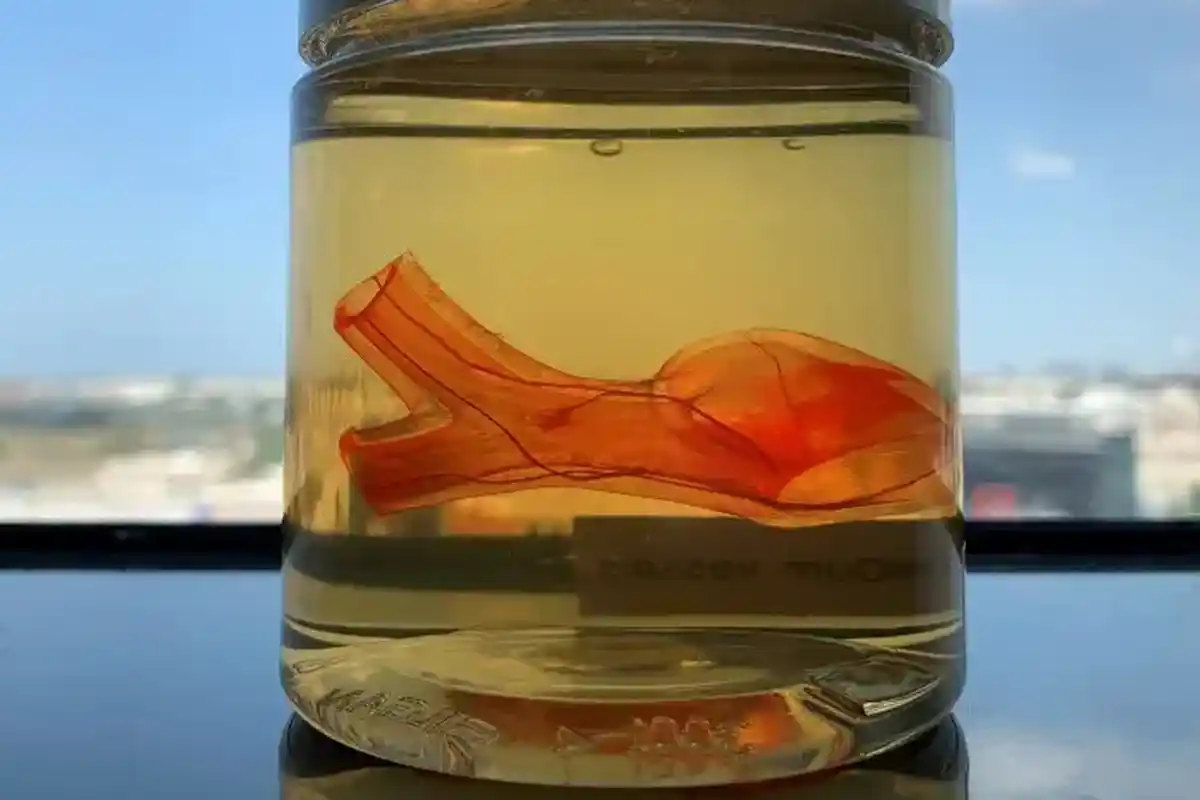
Bio 3D Printing: The Future of Regenerative Manufacturing
Explore the future of custom manufacturing with LAVA3DP’s Bio 3D printing service and bioprinting services. Learn about bio-inks, applications in regenerative medicine, and how this technology is revolutionizing tissue engineering and drug testing with biomedical 3d printing and bio printing solutions.
Once confined to the realm of science fiction, the ability to print living tissue is now a tangible reality. At LAVA3DP, we stand at the forefront of this revolution, offering state-of-the-art custom bioprinting service and biofabrication services that bridge the gap between engineering and biology. Bio-printing is a branch of additive manufacturing that utilizes living cells and biocompatible materials—known as bio-inks—to construct three-dimensional, living structures layer by layer, enabling cell-based 3d printing and 3d printed biological materials
Get an Instant QuoteThe global 3D bio-printing market is experiencing explosive growth. According to recent market reports, the sector was valued at approximately $1.58 billion in 2025 and is projected to reach a staggering $5.04 billion by 2034, growing at a compound annual growth rate (CAGR) of over 13%. This surge is fueled by increasing demand for personalized medicine, a critical shortage of donor organs, and the need for more accurate drug testing models supported by medical research 3d printing and pharmaceutical research printing.
At LAVA3DP, we are not just observing this trend; we are actively participating in it. By integrating advanced biofabrication technology with our existing custom parts fabrication expertise, we empower researchers, medical device companies, and biotech firms to turn their innovative concepts into functional biological constructs through research-grade bioprinting services and biotech research services.
How Bio-Printing Works: Advanced Bioprinting Technology Explained
While traditional 3D printing works with plastics or metals, bio-printing utilizes a complex “bio-ink”—a gelatinous substance laden with living cells and growth factors. The process generally follows a three-stage workflow: Pre-processing, Printing, and Post-Processing, forming the foundation of tissue engineering 3d printing and biocompatible material printing.
- Pre-Processing (Design and Selection): The journey begins with a digital model, often derived from CT or MRI scans to replicate a patient’s specific anatomy. This file is then used to guide the printer on where to deposit material for organ model 3d printing.
- Printing (The Bio-fabrication): The bio-ink is loaded into a bioprinter. There are several distinct printing modalities, each offering unique advantages:
- Extrusion-Based Bio-printing: The most common method, where continuous filaments of bio-ink are dispensed via a mechanical or pneumatic piston. It offers high versatility and the ability to print very high cell densities, making it ideal for creating large tissue constructs using extrusion bioprinting and scaffold fabrication.
- Inkjet Bio-printing: A drop-by-drop approach using thermal or acoustic forces to eject tiny droplets of bio-ink. This method boasts high printing speed and resolution but with lower viscosity materials, commonly used in inkjet bioprinting and precision micro-scale bioprinting.
- Laser-Assisted Bio-printing (LAB): A nozzle-less technique that uses a laser pulse to propel cell-laden droplets onto a substrate. LAB offers the highest single-cell resolution and virtually eliminates shear stress on cells, ensuring maximum viability and enabling high precision bioprinting.
- Stereolithography (SLA) Bio-printing: Uses UV light to selectively cure photosensitive bio-inks layer by layer. It is exceptionally fast and produces high-resolution structures, contributing to micro-sla bioprinting and experimental bioprinting solutions.
- Post-Processing (Maturation): The printed structure is placed in a bioreactor—an incubator that provides the right temperature, nutrients, and oxygen. Here, the cells begin to communicate, proliferate, and remodel the scaffold into functional tissue, supporting regenerative medicine printing and tissue engineering applications.
Bio-Inks & Biomaterials: Core Materials in 3D Bioprinting
The “ink” is the heart of bio-printing. Unlike standard filaments, bio-inks must balance printability with biocompatibility. They need to be fluid enough to pass through a nozzle yet solid enough to hold a 3D shape, all while keeping cells alive. At LAVA3DP, we work with a range of cutting-edge materials through bio-ink printing services and biomaterial printing services:
- Hydrogels: These water-swollen polymers are the workhorses of bio-printing. They mimic the extracellular matrix (ECM) that naturally surrounds our cells. Common examples include Alginate (derived from seaweed), Collagen, Gelatin, and Hyaluronic Acid, widely used in hydrogel 3d printing and extracellular matrix printing.
- Synthetic Polymers: Materials like Polyethylene Glycol (PEG) and PLGA offer tunable mechanical properties and degradation rates. They are often used to provide structural reinforcement to softer hydrogels, creating hybrid scaffolds that are both strong and biocompatible through polymer biomaterials printing and collagen scaffold printing.
- Advanced Bio-inks: The field is rapidly evolving. Recent developments include conductive hydrogels (like PEDOT:PSS) that allow for real-time electrical monitoring of printed muscle or neural tissue. Furthermore, the concept of 4D printing is emerging, where printed objects can change shape or function over time in response to stimuli like temperature or pH, advancing vascular tissue printing and 3d printed cell scaffolds.
Bioprinting Applications: From Research Models to Tissue Engineering
The applications of bio-printing are vast and transformative. Our bio 3d printing service at LAVA3DP caters to a global clientele engaged in groundbreaking work across several sectors including healthcare 3d printing and medical device prototyping.
1. Regenerative Medicine and Implants
The ultimate goal of bio-printing is to solve the organ donor crisis. While fully functional organs like hearts or kidneys are still on the horizon, significant progress has been made with simpler tissues supporting regenerative medicine solutions and artificial organ development.
- Bone and Cartilage: Bio-printed scaffolds seeded with stem cells are being used to repair orthopedic defects. These scaffolds are designed to degrade over time as the body replaces them with natural tissue using stem cell printing.
- Skin Grafts: For burn victims or chronic wound patients, bio-printed skin patches offer a personalized solution. Companies have even demonstrated the ability to print skin cells directly onto wounds.
- Clinical Milestones: In a landmark achievement, the first successful transplantation of a 3D-bio-printed human ear (made from living cartilage cells) was announced in 2022, marking a pivotal moment for the field.
2. Pharmaceutical Drug Testing and Development
Bio-printed tissues are revolutionizing the drug development pipeline. Traditional 2D cell cultures often fail to predict how a drug will behave in the complex 3D environment of the human body, leading to high late-stage failure rates, making bioprinting for drug testing models and drug testing models essential.
- 3D Tissue Models: By printing mini-livers, tumors, or heart tissues, pharmaceutical companies can test drug toxicity and efficacy on human-like tissues in vitro (in a dish). This approach is more accurate, reduces reliance on animal testing, and significantly cuts R&D costs using pharmaceutical prototyping.
- Organ-on-a-Chip: Combining bio-printing with microfluidics allows researchers to create “organs-on-chips”—small devices that mimic the activity of entire organ systems, providing unprecedented insight into human physiology and disease through organ-on-chip fabrication and microfluidic bioprinting.
3. Disease Modeling and Personalized Medicine
Bio-printing enables the creation of patient-specific disease models. For example, researchers can take cells from a cancer patient, bio-print a tumor model, and test various chemotherapy drugs on it to see which is most effective before treating the patient. This is the essence of personalized healthcare and supports cancer research models.
4. Advanced Bioelectronics and Sensing
The integration of smart materials is pushing the boundaries further. Recent research highlights the bio-printing of piezoresistive sensors directly into tissue constructs. These embedded sensors can provide real-time data on mechanical strain within developing tissues, such as muscle contractions, offering a new window into tissue development and function .
Why Choose LAVA3DP: Trusted Experts in Bio 3D Printing Services
Navigating the complexities of bio-printing requires a partner with technical expertise and a deep understanding of life sciences. At LAVA, we offer ISO-certified 3d printing company capabilities and GMP compliant bioprinting standards:
- Global Custom Manufacturing: We serve clients worldwide, providing bespoke bio-printed constructs tailored to your exact specifications as a leading 3d bioprinting company and bioprinting services worldwide provider.
- Multimaterial Expertise: Our platforms are capable of handling a wide range of bio-inks, from soft hydrogels to structural polymers, allowing for the creation of complex, heterogeneous tissues through custom lab-grade 3d printing.
- Scalability and Reproducibility: We understand that consistency is key in research. Our automated processes ensure high reproducibility across batches, a critical factor for valid experimental data through validated bioprinting processes and quality-controlled production.
- Future-Ready Innovation: We are actively integrating AI-driven process optimization to monitor cell behavior in real-time and predict optimal printing parameters, ensuring the highest cell viability and structural fidelity using high precision lab equipment and scientific 3d printing standards.
The future of medicine is being printed, layer by layer. Whether you are developing the next generation of drug screening platforms or pioneering regenerative therapies, LAVA3DP is your trusted partner in bringing biological structures to life with on-demand bioprinting and rapid bioprinting prototyping.
Ready to start your project? Visit lava3dp.com today to upload your designs or speak with one of our bio-fabrication engineers to get a bio 3d printing service quote or order bioprinting services online.
Get an Instant Quote