

Zinc Plating
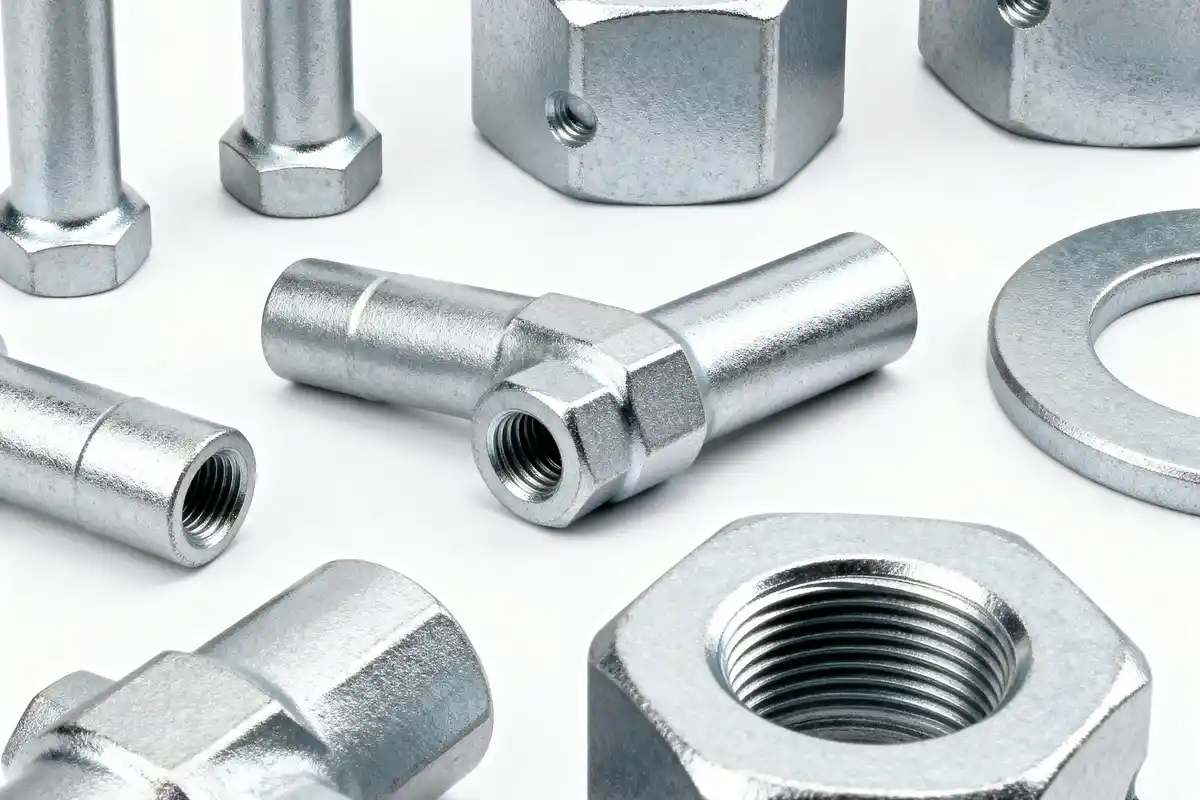
What is Zinc Plating?
Zinc Plating services for custom parts: Corrosion resistance, durability, and precision finishing. Get ISO certified zinc plating services, zinc electroplating, and corrosion resistant coating zinc solutions for CNC machined & sheet metal components. Request a zinc plating quote online at LAVA3DP today. For engineers, product developers, and procurement specialists sourcing parts globally, zinc plating services remain the gold standard for protecting ferrous components against the relentless onslaught of corrosion.
At LAVA3DP, we specialize in bridging the gap between advanced additive manufacturing and traditional electroplating services for custom parts. As a global hub for custom parts fabrication and a zinc plating international supplier, we understand that surface treatment is not merely an aesthetic choice—it is a critical performance specification. This guide provides a comprehensive, data-driven introduction to industrial zinc plating, detailing its advantages, material compatibility, and its pivotal role in modern manufacturing.
Get an Instant QuoteWhat Is Zinc Plating? Process, Standards & Industrial Overview
Zinc Plating (often referred to as electro-galvanizing) is an electrochemical process where a thin layer of zinc is deposited onto a metal substrate, typically steel or iron, forming an electroplated zinc coating. This is achieved by immersing the component in an electrolyte solution containing dissolved zinc salts and passing an electric current through the bath as part of zinc plating process steps.
The primary purpose of this process is corrosion protection. Unlike paint, which simply seals the surface, zinc acts as a galvanic zinc coating and “sacrificial anode.” Because zinc is more electrochemically active than steel (having a more negative reduction potential), it corrodes first. If the coating is scratched down to the bare steel, the surrounding zinc continues to protect the exposed area through galvanic action, preventing red rust from forming.
According to the International Zinc Association, zinc coatings protect approximately 70% of the world’s steel structures from corrosion, highlighting its critical role in global infrastructure and manufacturing.
Key Benefits of Zinc Plating for Corrosion Protection
When designing custom parts for industries ranging from automotive to consumer electronics, the choice of finish impacts cost, lifespan, and functionality. Here are the key advantages of custom zinc plating and industrial grade zinc coating solutions:
Superior Corrosion Resistance
The primary function of zinc plating is to provide a robust barrier and anti-corrosion metal finishing. The corrosion resistance is directly proportional to the zinc plating thickness. Typically, commercial plating ranges from 5 to 25 microns. A standard 12-micron coating can withstand 72 to 100 hours in neutral salt spray (NSS) testing before the formation of red rust. With the addition of trivalent zinc plating and passivation (a standard post-treatment), this resistance can extend to over 500 hours.
Cost-Effectiveness
Compared to other corrosion protection methods such as nickel plating or specialized powder coating, zinc coating services offer an exceptional strength-to-cost ratio. It is one of the most economical ways to significantly extend the lifecycle of mass-produced steel components.
Ductility and Adhesion
Because zinc plating is metallurgically bonded to the base metal (through the electroplating process), it does not chip or crack easily under impact. This makes it ideal for fasteners and high-stress components that undergo deformation during assembly, especially in zinc plating for steel parts.
Aesthetic Versatility
While natural zinc has a matte silver-grey finish, modern passivation technologies allow for a spectrum of finishes and types of zinc finishes (clear, yellow, black). Clear (blue) passivation offers a neutral look, yellow (iridescent) passivation offers higher corrosion resistance and a classic golden hue, while black passivation provides a sleek, non-reflective finish suitable for military or automotive applications.
Compatible Materials for Zinc Electroplating (Steel, Alloys & More)
Not all metals can accept zinc plating. Understanding the substrate is crucial for custom manufacturing success. At LAVA3DP, we typically apply zinc plating to the following base materials:
| Material Category | Specific Alloys | Suitability & Notes |
|---|---|---|
| Carbon Steel | 1018, 1045, A36, 12L14 | Excellent. The most common substrate. Requires proper cleaning to remove mill scale. |
| Alloy Steel | 4140, 4340 | Good. High-strength steels are platable but require hydrogen embrittlement relief baking. |
| Stainless Steel | 300 Series (304, 316) | Rare. Generally not plated, as stainless has inherent corrosion resistance. Plating is used for aesthetic uniformity or galvanic compatibility issues. |
| Cast Iron | Grey Iron, Ductile Iron | Challenging. Porosity in castings can trap plating solutions. Requires specific activation steps to ensure adhesion. |
| Copper & Brass | C110, C360 | Good. Zinc plating acts as a protective layer to prevent tarnishing of copper alloys. |
Important Consideration: For high-strength steel fasteners (typically those with a tensile strength exceeding 1000 MPa), hydrogen embrittlement is a risk. Standard practice, as defined by ASTM B849, mandates baking the parts within 4 hours of plating at 190°C to 230°C to diffuse trapped hydrogen.
Common Applications of Zinc-Plated Parts in Manufacturing
Zinc plating is ubiquitous across industries. For clients using our fabrication services at LAVA3DP, the following applications represent the highest volume of requests for zinc plated parts:
Automotive and Heavy Truck
The automotive industry is the largest consumer of zinc-plated components. Fasteners, brake calipers, fuel lines, and under-the-hood brackets utilize corrosion protection coatings to withstand road salts and thermal cycling. The American Galvanizers Association notes that zinc coatings extend the life of automotive components by 5 to 10 times compared to untreated steel.
Fasteners and Hardware
From M2 screws used in consumer electronics to large anchor bolts used in construction, zinc plating for fasteners and hardware is the standard for threaded fasteners. It ensures that threads do not gall (weld shut) while providing the necessary lubricity for torque control.
Electronics and Telecommunications
For chassis, enclosures, and grounding straps, zinc plating offers excellent electrical conductivity combined with RFI/EMI shielding properties. It is widely used in trivalent zinc plating service for electronics parts due to its compliance and performance.
Renewable Energy
Solar panel mounting structures and wind turbine fasteners require 20+ year lifespans. When combined with high-performance passivation, zinc coating service for rust prevention in outdoor parts provides the necessary long-term durability for outdoor exposure in these sectors.
Zinc Plating Performance: Thickness, Durability & Data Insights
To effectively illustrate the value proposition of zinc plating, we rely on empirical data. Below is a representation of the corrosion resistance capabilities based on thickness and post-treatment.
Chart 1: Salt Spray Resistance (ASTM B117)
This chart demonstrates the hours to red rust formation based on coating type.
| Plating Specification | Thickness (Microns) | Passivation Type | Avg. Hours to Red Rust (NSS) |
|---|---|---|---|
| Zinc (Clear) | 5 – 8 | Blue/Trivalent | 12 – 24 hrs |
| Zinc (Standard) | 8 – 12 | Clear/Yellow | 72 – 120 hrs |
| Zinc (High Perf.) | 12 – 25 | Yellow/Black Trivalent | 240 – 500+ hrs |
| Zinc + Topcoat | 12 – 25 | Organic Sealant | 720 – 1000 hrs |
Data compiled from ASTM B633 specifications and industry testing standards.
Chart 2: Cost vs. Corrosion Resistance Comparison
*Relative cost index compared to alternative finishes for steel components (Indexed to Zinc Plating = 1.0).*
| Finish Type | Relative Cost (1.0 = Zinc) | Relative Corrosion Protection (ASTM B117 hrs) |
|---|---|---|
| Zinc Plating (Std) | 1.0 | 100 |
| Black Oxide | 0.8 | 1 (Negligible) |
| Nickel Plating | 1.8 | 200 |
| Powder Coating | 2.2 | 500 (Barrier only) |
| Zinc-Nickel Alloy | 2.5 | 800+ |
Source: Industrial finishing market analysis and SME technical papers.
Trivalent vs. Hexavalent Zinc Plating: Compliance & Performance
Historically, the final “passivation” step of zinc plating utilized hexavalent chromium (Cr6+), a known carcinogen. Due to the EU Restriction of Hazardous Substances (RoHS) and global environmental regulations, the industry has largely transitioned to hexavalent zinc plating alternative solutions.
- Hexavalent Chromium (Cr6+): Offers superior “self-healing” properties where the coating can flow into scratches. However, it is highly toxic and banned in most consumer-facing applications (automotive, electronics) in Europe and North America.
- Trivalent Chromium (Cr3+): An environmentally friendly zinc plating solution that is safe for operator handling and offers excellent corrosion resistance. It provides consistent color stability without the iridescent “rainbow” effect of older processes.
At LAVA3DP, we exclusively utilize trivalent chromium passivation to ensure RoHS compliant zinc plating and to guarantee the safety of our clients’ end-users.
Integrating Zinc Plating into CNC & 3D Printing Workflows
When ordering custom parts from LAVA3DP, specifying zinc plating requires attention to detail. To achieve optimal results in quality controlled electroplating, consider the following:
- Tolerances: Zinc plating adds thickness. For threaded parts, specify the class of fit. Typically, a thickness allowance must be accounted for in zinc coating standards ASTM and ASTM B633 zinc plating standard compliance.
- Hydrogen Embrittlement: If your parts are made from high-strength steel, you must request relief baking in your order notes—critical in precision engineered coating services.
- Masking: If specific areas require no plating, you must indicate this for masking.
Our platform allows you to upload technical drawings with detailed finishing callouts, ensuring that the plating shop adheres strictly to ISO 2081 and supports industrial zinc plating with ASTM compliance.
Why Choose LAVA3DP for Zinc Plating Services
In the landscape of custom parts fabrication, zinc plating services remain an indispensable tool for engineers seeking a balance of cost, durability, and versatility. Whether you are prototyping or scaling production, custom zinc plating services for steel components ensure performance across industries.
From its sacrificial protection mechanism to its evolving eco-friendly chemistry, zinc plating bridges the gap between raw steel and a finished, reliable product. As supply chains become increasingly global, partnering with a certified metal finishing company and custom zinc plating supplier is crucial to success.
LAVA is committed to delivering precision custom parts with high-quality zinc coating provider standards. We combine advanced manufacturing capabilities with strict adherence to international plating standards to ensure your components perform as intended, no matter the environment.
Get an Instant Quote