

Phosphating
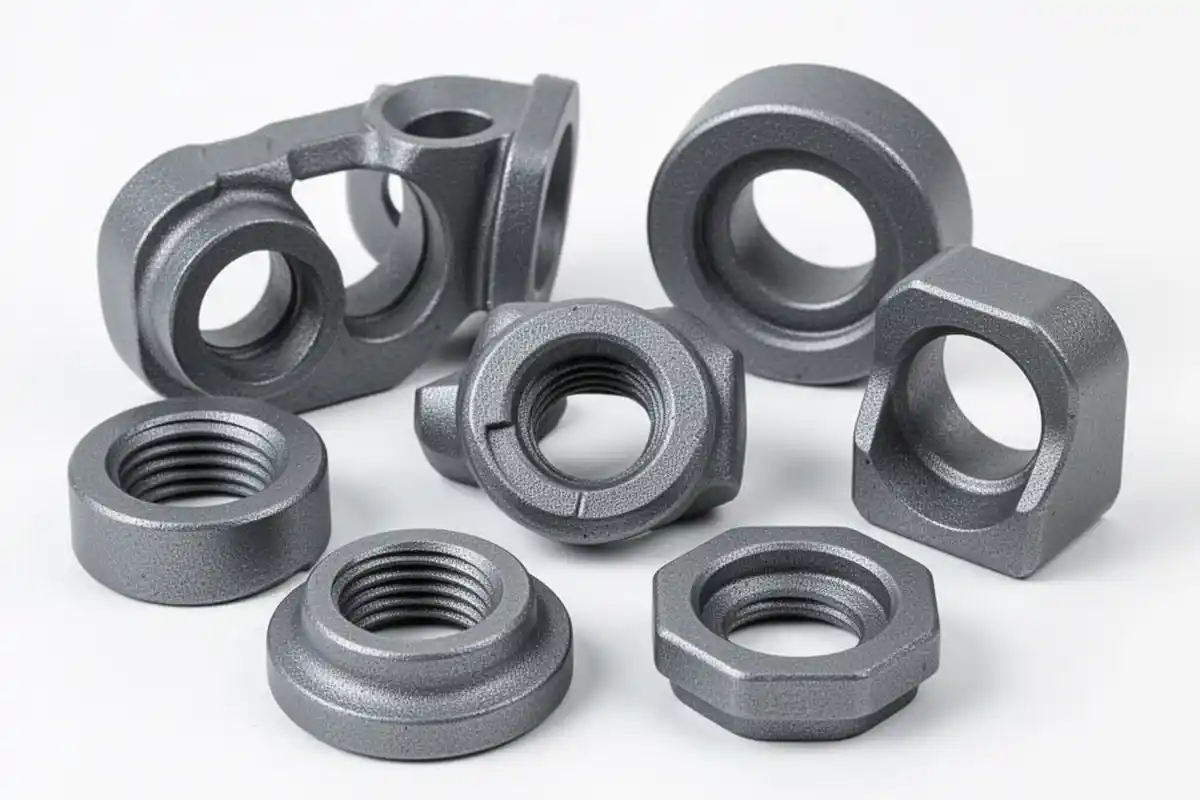
Phosphating for Custom Parts: Enhancing Durability and Performance
At LAVA3DP, we specialize in bridging the gap between digital design and physical reality. As a premier online custom parts fabrication service, we integrate advanced phosphating service for custom metal parts processes and custom industrial surface treatment solutions to ensure that your components meet the highest standards of Corrosion Resistance and paint adhesion. This comprehensive guide explores the science, advantages, materials, and applications of phosphating, providing you with the technical insights needed to optimize your next project.
Discover phosphating services for custom parts at LAVA3DP. Enhance corrosion resistance, paint adhesion, and durability with our ISO certified phosphating service and precision metal finishing solutions. Get advanced metal surface finishing today. Contact us for a quote.
Get an Instant QuoteWhat Is Phosphating in Metal Surface Finishing?
Phosphating is a chemical process used to treat the surface of ferrous and non-ferrous metals. By immersing a component in a diluted solution of phosphoric acid and phosphate salts, a chemical reaction occurs, resulting in the formation of an adherent, crystalline layer of insoluble metal phosphate on the surface. This Conversion Coating forms a durable phosphate conversion layer and is non-metallic and typically porous, making it an ideal base for subsequent coatings such as paints, oils, or rubber bonding.
The process was first patented in 1869 by British inventor William Alexander Ross, but the Parkerizing process developed during World War I revolutionized its use in military applications for corrosion protection. Today, phosphating is a cornerstone of Industrial Finishing, recognized globally for its reliability and role in industrial coating technology.
How the Industrial Phosphating Process Works
To achieve optimal results, phosphating must be executed with precision. At LAVA3DP, our workflow follows strict ISO 9717 standards to ensure uniformity and performance. The process typically involves five key phosphating process steps:
- Cleaning (Degreasing): Removal of oils, grease, and organic contaminants. A clean surface is non-negotiable for crystal formation and effective Surface Preparation.
- Rinsing: Intermediate water rinses prevent cross-contamination between chemical baths.
- Surface Activation (Conditioning): A colloidal titanium or alkali salt bath is used to refine the grain structure of the phosphate crystals. This step ensures a dense, fine-grained coating, which is superior to coarse, uneven layers and supports coating adhesion enhancement.
- Phosphating: The component is immersed in the phosphate bath. Depending on the application, this can be Zinc Phosphate, Iron Phosphate, or Manganese Phosphate treatment. The bath temperature typically ranges from 30°C to 98°C.
- Sealing/Post-Treatment: A final rinse with a passivating sealant or oil application closes the pores of the phosphate layer, maximizing corrosion resistance and anti-corrosion treatment performance.
Types of Phosphate Coatings for Custom Parts
Choosing the right phosphate coating depends on the material and the intended application. The three primary types of phosphate coatings used in custom manufacturing are:
- Zinc Phosphating: The most common variant and a highly requested zinc phosphating service. It provides excellent corrosion resistance and superior paint adhesion. Ideal for automotive components, fasteners, and sheet metal parts that will be painted or powder coated.
- Iron Phosphating: Typically applied via spray or immersion, this iron phosphate coating is a lighter coating (0.2–1.5 g/m²). It is cost-effective and used primarily as a base for painting in appliance and architectural industries.
- Manganese Phosphating: Known for its high hardness and oil-retention capabilities. This manganese phosphating service creates significantly thicker coatings (up to 40 g/m²) and is used exclusively for Wear Resistance, such as in camshafts, gears, and sliding mechanical components.
Benefits of Phosphating for Custom Manufacturing
Integrating phosphating into your fabrication workflow offers distinct engineering advantages over raw metal or alternative finishes like phosphating vs anodizing or phosphating vs black oxide comparisons.
1. Superior Corrosion Resistance
While phosphating alone offers moderate corrosion protection (typically 96–200 hours in salt spray testing), it acts as a force multiplier when combined with oils, waxes, or paints. A phosphate layer combined with a topcoat can achieve over 1,000 hours of neutral salt spray resistance (ASTM B117), delivering superior corrosion resistant coating performance and engineered corrosion protection.
2. Enhanced Paint Adhesion
The porous crystalline structure of the phosphate layer acts as a mechanical anchor for organic coatings. Studies indicate that paint adhesion on phosphated steel is up to 300% stronger than on bare steel, significantly reducing the risk of delamination and improving coating adhesion enhancement.
3. Wear Reduction (Manganese Phosphate)
For moving parts, manganese phosphate acts as a reservoir for lubricants. The porous surface traps oil, reducing friction coefficients from ~0.6 (steel-on-steel) to ~0.12, thereby extending the operational life of components by 300% to 500%. This creates a highly effective wear resistant coating solution.
4. Cost-Effectiveness
Compared to electroplating or thermal spray coatings, phosphating is highly economical. It requires less energy and capital equipment, making it an ideal industrial phosphating service solution for high-volume production runs of custom parts.
5. Dimensional Stability
Unlike plating processes that add significant thickness (10–25 µm), phosphating coatings are thin (2–20 µm) and do not alter critical tolerances. This is crucial for precision-engineered components where dimensional accuracy is paramount.
Metals Compatible with Phosphate Conversion Coating
Phosphating is versatile but material-specific. At LAVA3DP, we apply phosphating to the following substrates:
| Material Category | Specific Alloys | Suitability |
|---|---|---|
| Steel | Carbon Steel, Low-Alloy Steel | Excellent; standard substrate for zinc/manganese phosphating. |
| Stainless Steel | 304, 316, 17-4 PH | Requires specialized activation; used to prevent galling. |
| Cast Iron | Gray Iron, Ductile Iron | Ideal for manganese phosphating to retain lubricants. |
| Non-Ferrous | Zinc, Aluminum (limited) | Typically treated with iron phosphate for paint base. |
Industrial Applications of Phosphating Across Industries
Phosphating serves as the hidden backbone of durability in numerous industries. Here is how different sectors leverage this technology:
Automotive and Transportation
The automotive industry is the largest consumer of phosphated parts. From engine components (camshafts, pistons) to body panels and fasteners, phosphating ensures that vehicles withstand harsh road salts and lubricants. Approximately 80% of automotive steel components undergo phosphating prior to painting.
Aerospace
In aerospace, manganese phosphate coatings are applied to sliding components such as landing gear hinges, actuators, and hydraulic fittings to prevent fretting corrosion and seizing.
Defense and Firearms
Known colloquially as “Parkerizing,” manganese phosphate is the standard finish for military firearms. It provides a non-reflective, matte gray finish that retains lubricants and withstands extreme field conditions .
Industrial Machinery
Gears, shafts, and bearings rely on manganese phosphate for “running-in” wear protection. The coating accelerates the break-in period while preventing scuffing.
Architectural and Structural
Iron phosphate is widely used for steel studs, panels, and outdoor furniture to ensure that powder coatings remain bonded to the substrate for decades.
Phosphating for CNC Machined and 3D Printed Parts
As a custom fabrication service, LAVA3DP operates at the intersection of CNC machining and additive manufacturing (3D printing). Phosphating for CNC parts and phosphating for 3D printed metals are particularly valuable for parts produced via Selective Laser Melting (SLM) or Direct Metal Laser Sintering (DMLS).
Additively manufactured parts often have high surface roughness (Ra 6–12 µm) that can lead to stress concentrations. A phosphating treatment helps to:
- Seal Micro-porosities: Filling microscopic voids that could lead to corrosion initiation.
- Improve Fatigue Life: By introducing compressive residual stresses and eliminating sharp micro-notches through chemical smoothing.
For CNC-machined parts, phosphating acts as a final protective layer and phosphating surface treatment for CNC machining parts without compromising the tight tolerances achieved during machining.
Why Choose LAVA3DP for Precision Phosphating Services
In the global landscape of custom parts manufacturing, consistency and certification matter. LAVA3DP offers a seamless online experience backed by rigorous technical standards and industrial finishing expertise.
- Global Shipping: We serve engineers and businesses worldwide, ensuring that your custom parts arrive ready for assembly.
- ISO 9001:2015 Certified: Our quality management system ensures traceability and repeatability with quality controlled phosphating procedures.
- Material Versatility: From 316L stainless steel to 6061 aluminum and 4140 alloy steel, we match the correct phosphating type to your base material.
- Digital Quoting: Upload your CAD file to our platform, select “Phosphating” under surface finishing, and receive an instant phosphating quote with lead time.
Environmental, Safety, and Compliance Considerations
Modern phosphating processes have evolved to meet stringent environmental regulations. Traditional nickel-containing baths are being phased out in favor of nickel-free, heavy-metal-free formulations. At LAVA, we utilize eco-friendly trivalent cation baths that comply with RoHS and REACH regulations, ensuring sustainable metal pretreatment process practices throughout your supply chain.
Enhance Part Performance with Professional Phosphating
Phosphating is a time-tested, scientifically proven surface treatment that delivers a unique combination of corrosion protection, paint adhesion, and wear resistance. For custom parts—whether machined from billet or grown layer-by-layer—this conversion coating offers the reliability required for mission-critical applications and industrial metal coating requirements.
By leveraging LAVA3DP’s metal phosphating service, you are not just finishing a part; you are engineering its longevity. From the automotive highways to the aerospace stratosphere, phosphate coatings ensure that the components we manufacture perform under pressure.
Ready to enhance your next project? Upload your design today and specify phosphating to add a layer of performance to your custom parts using our online phosphating service with instant quote.