
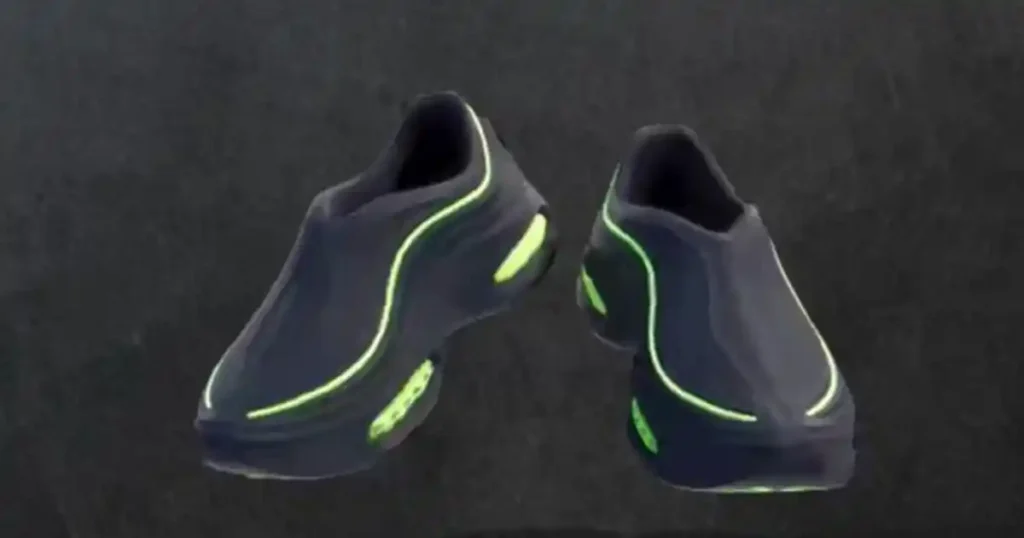
In a groundbreaking move that fuses digital gaming, sneaker culture, and advanced manufacturing, Nike has launched its first virtual 3D printed shoe within the massively popular online game Fortnite. The shoe, named the Air Max 95000, represents a significant step in how additive manufacturing and digital fashion are being introduced to a global, mainstream audience. This article delves into the details of this launch, the technology behind it, and what it means for the future of custom footwear.
The Air Max 95000: A Digital Debut
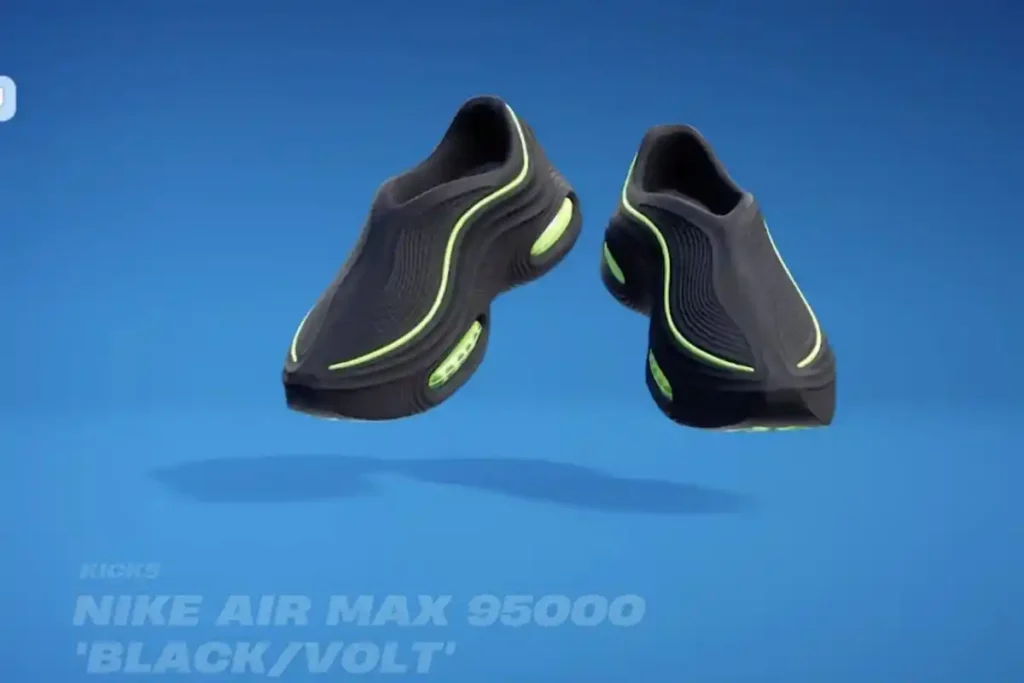
On March 16, 2026, Nike, in collaboration with Epic Games and the 3D printing footwear company Zellerfeld, unveiled the Air Max 95000 as a limited-time virtual item in Fortnite . This is not just another cosmetic skin; it is a direct translation of 3D printed design aesthetics into the digital realm. The shoe is the successor to the physical Air Max 1000 and showcases the evolution of Nike’s exploration into additive manufacturing.
The design of the Air Max 95000 is particularly notable for its structure. Unlike the single-material lattice of its predecessor, this virtual shoe features a 3D printed framework that houses a dual Air cushioning unit—comprising a larger heel bubble and a smaller forefoot bubble . This level of design complexity highlights the capabilities of 3D printing to create geometries that are difficult to achieve with traditional manufacturing, even in a virtual representation.
Bridging the Virtual and Physical with Zellerfeld
A key partner in this venture is Zellerfeld, a company specializing in 3D printed shoes. The Air Max 95000’s appearance in Fortnite follows a previous collaboration on the physical Air Max 1000. The virtual launch serves as a powerful marketing and concept validation tool. By releasing the design as an in-game item, Nike and Zellerfeld can gauge consumer interest in complex, 3D printed aesthetics without the immediate need for mass physical production.
The choice of Fortnite is strategic. The platform is a cultural hub, particularly for younger demographics. According to recent data, Fortnite has amassed over 630 million registered users and maintains millions of daily active players . In-game cosmetic items represent a massive market, with daily revenues estimated at around $3 million . Launching a 3D printed shoe concept in such an environment ensures maximum visibility.
Nike’s Broader Metaverse and Digital Strategy
This launch is consistent with Nike’s long-term investment in the digital space. The company has been actively building its metaverse presence for years. A key move was the acquisition of RTFKT, a virtual sneaker and NFT collectibles studio, in late 2021 . This acquisition was aimed at accelerating Nike’s digital transformation and serving creators at the intersection of sport, creativity, gaming, and culture .
Furthermore, Nike has filed trademarks for its brand names and slogans for use in “downloadable virtual goods,” signaling its intent to protect and commercialize its intellectual property in digital worlds . The creation of the .SWOOSH platform, Nike’s Web3 hub, further solidified its commitment, leading to immersive experiences like the “Airphoria” world within Fortnite, which served as a precursor to the Air Max 95000 launch . While Nike has recently streamlined its operations, including the divestment of RTFKT in early 2026 to refocus on core athletic business , the Air Max 95000 launch shows that digital engagement through partnerships and licensing remains a vital part of its strategy.
The Technology Behind the Trend
The Air Max 95000’s design is a window into the future of physical 3D printed footwear. The virtual lattice structure mirrors the real-world benefits of additive manufacturing, such as the ability to create lightweight, durable, and personalized soles. In physical production, this lattice can be tuned for specific cushioning and support by adjusting the density of the structure .
For companies like Zellerfeld, the goal is to democratize shoe design and production. They have been developing an open platform for 3D printed shoes, often described as the “YouTube of Shoes,” where designers can upload files for production on demand . This model drastically reduces waste, eliminates the need for large inventories, and allows for unprecedented levels of customization.
Market Context: The Rise of 3D Printed Footwear
The introduction of a virtual 3D printed shoe in a mainstream game like Fortnite occurs against a backdrop of rapid growth in the physical 3D printed footwear market. According to industry reports, the market is expanding quickly as technology matures and consumer interest in personalization grows.
The following chart illustrates the projected growth of the global 3D printed footwear market based on data from leading market research firms. It shows a clear upward trajectory as the technology moves from niche applications to broader consumer adoption.
As the chart demonstrates, the market is poised for significant expansion. One report valued the market at $1.94 billion in 2025, projecting growth to $2.2 billion in 2026 at a compound annual growth rate (CAGR) of 13.6% . Another analysis presents an even more aggressive forecast, with the market expected to reach $13.74 billion by 2032, growing at a CAGR of over 18% . This growth is driven by several factors:
- Mass Customization: Consumers increasingly seek products tailored to their individual needs and foot shapes .
- Sustainability: 3D printing is an additive process, which significantly reduces the material waste commonly associated with traditional cut-and-sew manufacturing .
- Performance Enhancement: In athletic wear, 3D printed midsoles and insoles can be optimized for energy return, cushioning, and weight reduction .
- Supply Chain Agility: On-demand production models reduce the need for large warehouses and mitigate risks associated with overproduction and tariffs .
Key Players in the Additive Footwear Space
Nike and Zellerfeld are just two of many players innovating in this space. The competitive landscape includes major sportswear brands and innovative startups. The table below outlines some of the key companies currently shaping the 3D printed footwear industry.
From Virtual Clicks to Physical Reality at LAVA3DP
The virtual launch of the Nike Air Max 95000 is a powerful signal: the lines between digital inspiration and physical product are blurring. The designs we see in games today are the prototypes for the shoes we will wear tomorrow. At LAVA3DP, we are dedicated to turning this fut vision into your reality.
While Nike introduces the concept of 3D printed shoes to millions through Fortnite, we specialize in bringing the tangible benefits of this technology to your feet. Whether you are an athlete seeking a performance edge, someone needing custom orthotics for all-day comfort, or a fashion-forward individual wanting a design that is uniquely yours, additive manufacturing offers the solution.
LAVA3DP leverages the very technologies driving the market forward—from selective laser sintering (SLS) to fused deposition modeling (FDM)—to create footwear that is not only innovative but also perfectly suited to you. We offer a range of custom 3D printed shoes and insoles designed to provide superior fit, enhanced comfort, and durable performance.
Conclusion
Nike’s launch of the Air Max 95000 virtual 3D printed shoe in Fortnite is more than a marketing stunt; it is a cultural milestone for additive manufacturing. It introduces a global audience of millions to the design freedom and potential of 3D printing. As the market data confirms, this is just the beginning. The technology is set to revolutionize how footwear is designed, produced, and consumed, moving towards a future of personalization, sustainability, and on-demand creation.
Ready to step into the future of footwear? Explore the possibilities of custom-fit, 3D printed shoes designed for your life and your performance. Visit LAVA3DP today to learn more about our process and how we can create the perfect pair for you.
Frequent Asked Questions (FAQs)
1. What types of 3D printed shoes does LAVA3DP offer?
At LAVA3DP, we specialize in custom 3D printed footwear tailored to your needs. Our primary offerings include performance athletic shoes with optimized cushioning, comfortable and stylish casual footwear, and medical-grade custom orthotic insoles designed to provide superior support and alleviate foot pain. We focus on creating shoes that fit your unique foot shape and meet your specific activity requirements.
2. How does the customization process for a 3D printed shoe work?
Our process is designed to be simple and precise. It typically begins with you providing your foot measurements. We can guide you on how to take accurate measurements at home, or you can use a foot scanner if available. You then select your preferred design, style, and any specific performance needs. Our team uses this data to create a digital model of a shoe that is perfectly contoured to your feet before it is 3D printed using high-performance materials.
3. What materials are used in your 3D printed shoes?
We utilize advanced materials commonly used in industrial additive manufacturing. This primarily includes durable and flexible thermoplastic polyurethane (TPU) , which is excellent for midsoles and lattice structures, offering both cushioning and resilience. For different applications, we may also use other engineering-grade polymers and elastomers that provide the necessary strength, flexibility, and comfort for various types of footwear .
4. How long does it take to produce and deliver a pair of custom 3D printed shoes?
Because our production is on-demand and digital, we can move much faster than traditional manufacturing. Once your design is finalized and your measurements are confirmed, the actual 3D printing process is relatively quick. The total time from order placement to delivery is significantly shorter than standard manufacturing lead times. For specific current turnaround times, please check our website or contact our support team.
5. How do 3D printed shoes compare in durability and comfort to traditionally made shoes?
3D printed shoes are engineered for both durability and comfort. The use of advanced materials like TPU ensures the shoe is long-lasting and resistant to wear. Comfort is significantly enhanced through customization; because the shoe is made to match your foot’s exact contours, it provides a level of personalized fit that mass-produced shoes cannot match. Furthermore, technologies like lattice structures in the midsole allow for targeted cushioning, offering a unique blend of softness where needed and support where required .