

Spray Painting
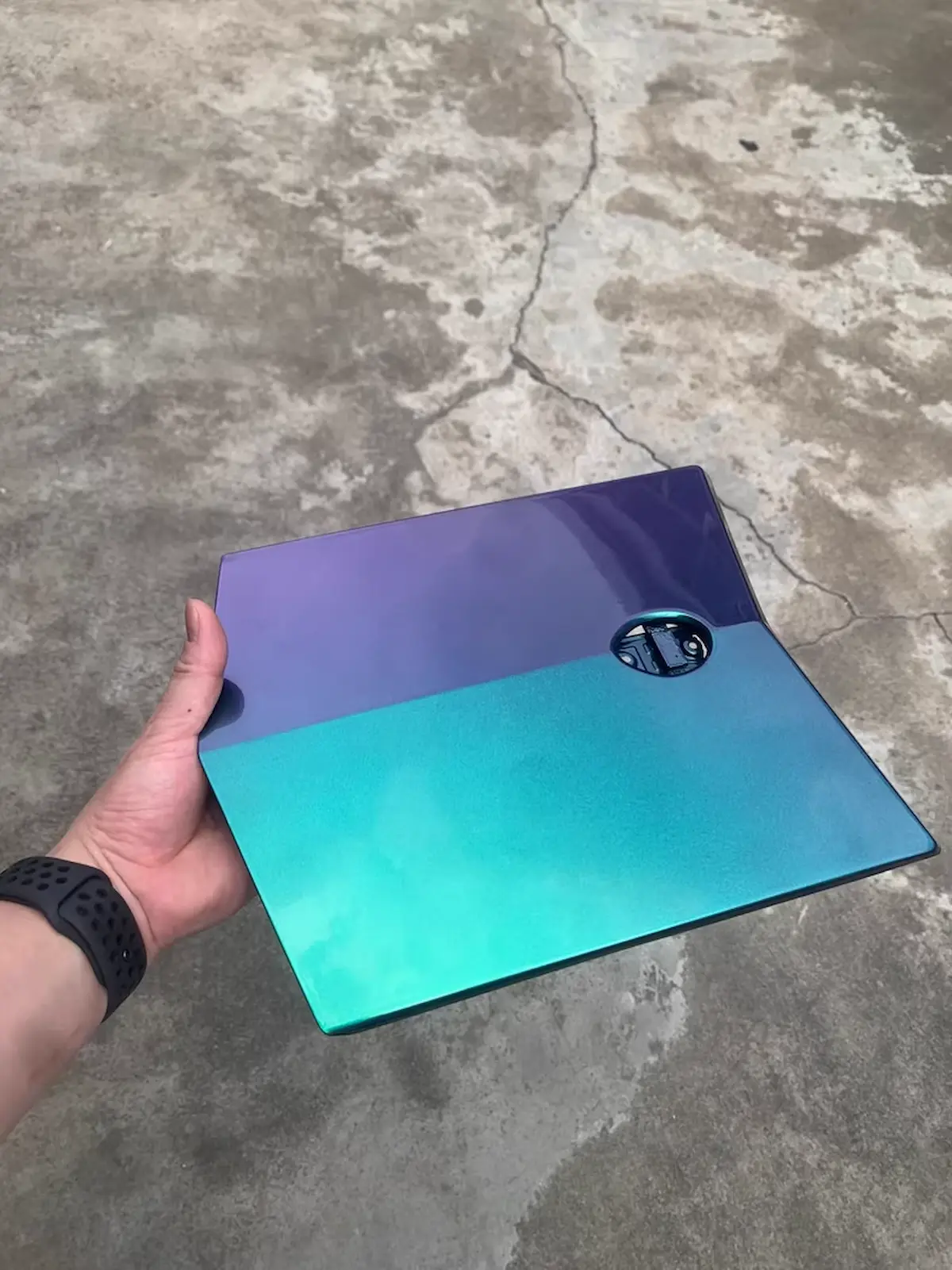
Professional painting services represent a critical finishing process that transforms basic components into high-performance, visually appealing products. At LAVA3dp, we recognize that surface finishing services is not merely about cosmetic enhancement but serves as a vital protective layer that extends product lifespan and ensures functionality across diverse operating environments.
This guide explores the technical capabilities, benefits, and applications of industrial painting technologies and industrial painting services that we employ to deliver exceptional value to our global clientele.
Industrial Painting for Custom Parts: Processes & Applications
Industrial painting is a specialized coating process that involves applying paint pigments to parts to form a protective layer that enhances both performance and aesthetic value while complying with industry standards . Unlike conventional painting, industrial coating processes and industrial coating services are engineered to meet precise technical specifications and performance requirements based on the part’s material, intended use, and operating conditions. This complex process goes far beyond simple color application, incorporating sophisticated surface preparation techniques and surface preparation and finishing, advanced application technologies, and rigorous quality control measures including a quality-controlled coating process to ensure consistent, durable results across production runs.
The fundamental principle of industrial painting involves atomizing paint and transforming it into tiny droplets using high-pressure compression, then applying it to the component surface using precisely calibrated equipment . At Lava3DP, we’ve mastered these processes using advanced coating technology to deliver flawless finishes on custom parts manufactured from diverse materials including metals, polymers, and composite materials, supporting metal painting services and manufacturing painting services, serving clients across multiple industries from automotive to consumer electronics.
Get an Instant QuoteAdvanced Spray Painting Technologies in Manufacturing
Spray Painting Technologies
Spray painting represents the most widely utilized application method in industrial settings, where specialized spray guns atomize paint into a fine mist that evenly coats even complex geometries . This process can be customized through adjustment of air pressure, paint viscosity, spray distance, and nozzle configuration to achieve specific coating thicknesses and surface textures, enabling precision surface finishing and automated spray coating. We employ both conventional and advanced spray technologies:
- Traditional Spray Painting: Effective for covering large surface areas and complex shapes, this method provides excellent coverage and supports scalable spray painting services and custom painting services that can be optimized for different material properties and part geometries .
- Electrostatic Spray Coating: Utilizing electrostatic charges to attract paint particles to the surface, this method ensures uniform coverage while significantly reducing overspray and material waste, aligning with electrostatic spray painting and protective coating systems .
- Overspray-Free Application (OFLA): In collaboration with industry leaders, we’ve adopted innovative overspray-free technologies that eliminate the need for masking materials through precision application. This revolutionary approach, inspired by digital printing technology, enables us to apply multiple colors in a single operation without traditional masking, reducing process costs and supporting eco-friendly industrial painting solutions for manufacturers .
Powder Coating
Powder coating involves electrostatically applying dry powder plastics to parts followed by ultraviolet curing or heating to create a durable, uniform protective layer . This process creates exceptionally robust finishes that resist chipping, scratching, and chemical exposure, making it ideal for powder coating and painting services and corrosion resistant coatings. Unlike liquid paints, powder coatings contain no solvents and emit negligible volatile organic compounds (VOCs), aligning with increasingly stringent environmental regulations and sustainability initiatives and supporting industry compliant finishing services.
Innovative In-Mold Coating
We’ve incorporated groundbreaking in-mold coating technologies that integrate the painting process directly into the manufacturing cycle. The innovative clearmelt process developed by industry leaders combines thermoplastic component formation with polyurethane coating in a single mold, eliminating separate painting steps and representing engineered coating solutions and high-performance coating systems.
This advanced approach:
- Reduces VOC emissions significantly compared to traditional methods
- Increases production speed compared to conventional coating
- Delivers superior surface quality and durability for industrial part finishing services
Table: Comparison of Industrial Painting Technologies
| Technology | Best For | Durability | Environmental Impact | Production Speed |
|---|---|---|---|---|
| Spray Painting | Complex geometries, multi-color applications | High | Moderate VOC emissions | Medium |
| Powder Coating | Metal components, harsh environments | Very High | Low VOC, minimal waste | Medium to Fast |
| In-Mold Coating | High-volume production, sustainability goals | Exceptional | VOC reduction up to 99% | Very Fast |
| Electrostatic Spray | Metal items, uniform coverage | High | Reduced overspray | Medium |
Benefits of Professional Industrial Coating Services
Enhanced Protection and Performance
Professional painting services provide critical protection for custom parts across various operating environments using metal surface coating solutions and protective surface treatments:
- Corrosion Resistance: Specially formulated industrial paints create a protective barrier that prevents rust, oxidation, and chemical degradation, significantly extending part lifespan and supporting corrosion resistant painting services for steel parts.
- Mechanical Protection: High-performance coatings enhance resistance to mechanical wear, impact, and abrasion while delivering durable paint coating solutions for fabricated metal parts .
- Chemical Resistance: Industrial coatings withstand exposure to oils, fuels, solvents, and cleaning agents, ensuring part integrity in challenging environments and supporting industrial coating services for aerospace and automotive parts .
Aesthetic Enhancement and Brand Value
Beyond protection, professional painting delivers significant visual benefits using high-quality paint finish and custom metal finishing solutions:
- Color Consistency: Advanced color matching technologies ensure precise correspondence with standard color systems and support painting solutions for production parts .
- Surface Quality: Professional application produces uniform surfaces free from defects, ensuring precision surface finishing .
- Design Flexibility: Modern painting technologies support unlimited color options and finishes that enhance paint finishing for fabricated assemblies.
Functional and Economic Advantages
Implementing professional painting processes delivers tangible operational benefits and supports on-demand painting services and fast turnaround painting services:
- Improved Efficiency: Automated painting systems enable rapid processing with minimal manual intervention and support automated spray painting services for large volume production .
- Cost Reduction: Advanced application techniques lower operational expenses and enable bulk metal painting services .
- Sustainability Benefits: Modern painting technologies significantly reduce environmental impact and support eco-friendly industrial painting solutions for manufacturers .
Table: Performance Metrics for Industrial Paints
| Performance Characteristic | Standard Test Method | Typical Industrial Requirement |
|---|---|---|
| Adhesion | Cross-cut test (ISO 2409) | 0-1 Grade (≤5% removal) |
| Hardness | Pencil hardness (ISO 15184) | ≥H |
| Salt Spray Resistance | Neutral salt spray (ISO 9227) | 500-1000 hours, ≤2mm creep |
| UV Resistance | QUV aging (ASTM G154) | 1000 hours, ΔE≤1.5 |
| Impact Resistance | Impact test (ISO 6272) | 500 g·cm, no cracking |
| Gloss Retention | Gloss measurement (ISO 2813) | 85±5 GU at 60° |
Industry-Specific Applications for Painted Components
The versatility of industrial painting processes enables tailored solutions across diverse sectors using industrial equipment painting and coating for fabricated parts:
- Automotive Industry: Painting services enhance both appearance and performance for automotive components including body panels and functional parts, supporting metal painting services .
- Aerospace Components: Specialized coatings meet rigorous standards using high-performance coating systems .
- Consumer Electronics: Painting enhances aesthetics and durability using finishing services for prototypes .
- Medical Equipment: Specialized coatings ensure compliance using industry compliant finishing services .
- Industrial Equipment: Durable finishes protect machinery using surface coating for heavy machinery .
Technical Specifications, Tolerances & Quality Assurance
Delivering consistent painting quality requires adherence to precise technical specifications throughout the manufacturing process:
Coating Thickness and Uniformity
Maintaining optimal dry film thickness (DFT) is critical for performance and appearance. Standard requirements specify:
- Overall Thickness: Typical DFT ranges from 60-100μm for complete coating systems, with specific minimums for edges and complex geometries .
- Uniformity Control: Advanced application techniques ensure consistent coverage across all part surfaces, preventing inadequate protection in critical areas.
- Measurement Protocols: Standardized measurement using magnetic or eddy current thickness gauges (ISO 2178, ISO 2360) validates conformity to specifications .
Appearance and Color Standards
Visual quality is quantified through measurable parameters:
- Color Consistency: Instrumental color measurement against standard references under controlled lighting (D65) with defined tolerances (typically ΔE≤1.0) .
- Surface Quality: Comprehensive evaluation for defects including orange peel, texture variations, runs, sags, inclusions, or contamination according to standardized acceptance criteria .
- Gloss Level: Precise gloss measurement at standard angles (typically 20°, 60°, 85°) with tight tolerances (e.g., ±5 GU) for consistency across production batches .
Performance Validation
Rigorous testing ensures coating performance under anticipated service conditions:
- Adhesion Testing: Cross-cut testing (ISO 2409) or pull-off adhesion testing validates coating bonding to substrates, with requirements typically mandating Grade 0-1 performance .
- Environmental Resistance: Accelerated testing simulates long-term exposure to operating conditions including humidity (≥95% RH at 40°C), temperature extremes, and UV radiation .
- Chemical Resistance: Validation of resistance to specific chemicals, cleaners, or solvents relevant to the application environment through standardized exposure and evaluation protocols .
Environmental Compliance & Sustainable Coating Solutions
Modern industrial painting operations prioritize environmental responsibility through multiple approaches aligned with industrial finishing processes and protective coating systems:
- VOC reduction using advanced coating solutions
- Process efficiency through optimized application
- Energy optimization with modern systems
- Compliance with global standards, reinforcing ISO certified painting services
Choosing the Right Partner for High-Quality Part Finishing
Professional painting services represent a critical value-adding process that transforms custom parts into high-performance, market-ready products. At LAVA, we’ve integrated advanced painting technologies alongside our core manufacturing capabilities to deliver comprehensive solutions that meet precise technical requirements while optimizing production efficiency and sustainability as an experienced manufacturing partner with certified coating specialists.
From conventional spray painting to advanced coating technologies, our painting services enhance part durability, functionality, and visual appeal across diverse applications. By combining technical expertise with stringent quality control and environmental responsibility, we provide global clients with finishing solutions including custom industrial spray painting services for metal parts that support their product success in competitive markets.
To explore how our industrial painting capabilities can enhance your custom parts, visit our website or contact our technical team for a comprehensive consultation and project review including a custom spray painting quote.
Get an Instant Quote