

Metal Binder Jetting
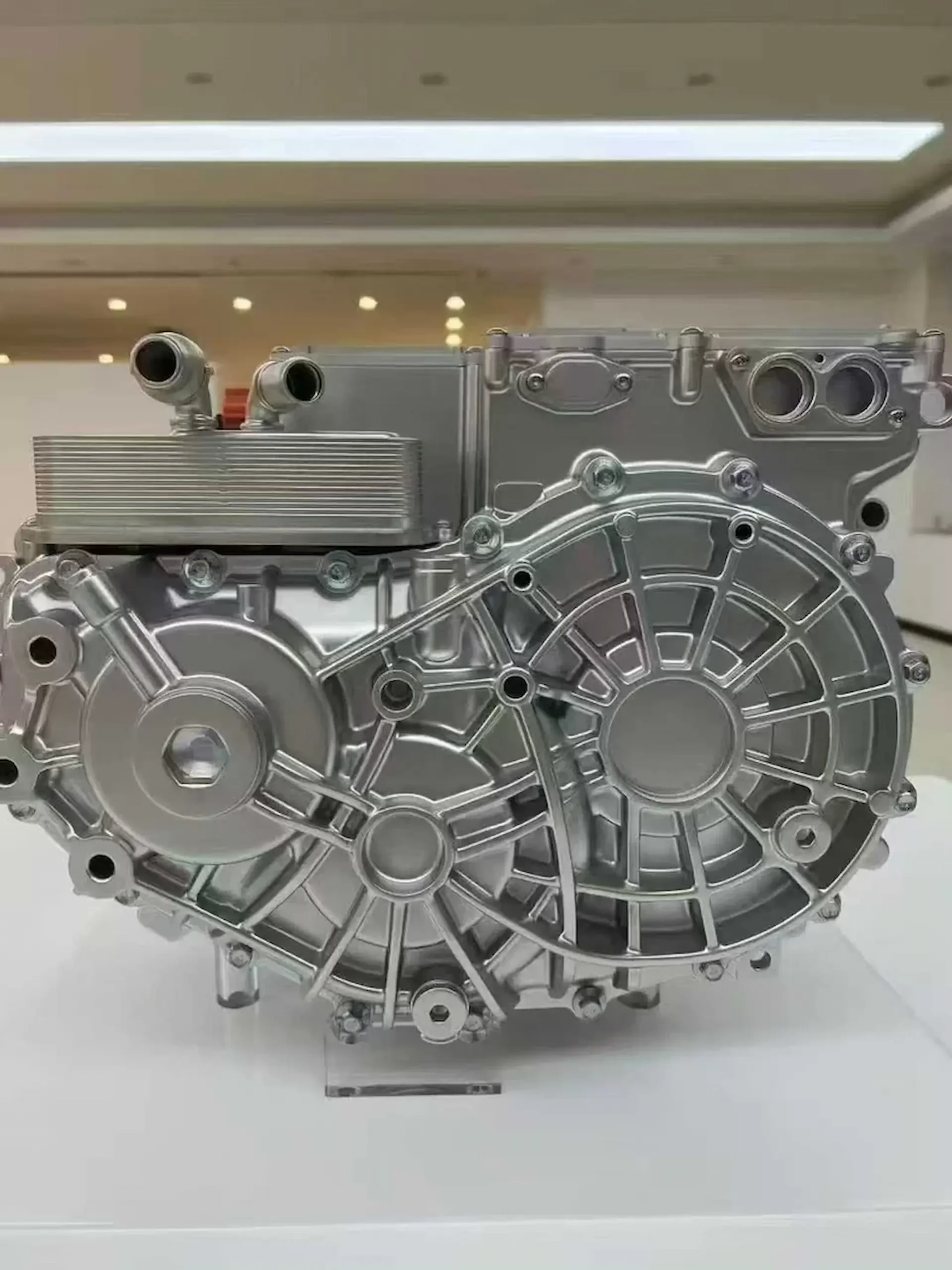
Metal Binder Jetting is revolutionizing the landscape of industrial manufacturing. As a leading online custom metal 3D printing service and industrial metal 3D printing service provider, LAVA is at the forefront of integrating this groundbreaking metal binder jetting additive manufacturing technology to deliver superior value to our clients worldwide. This article explores how metal binder jetting 3D printing is setting new standards for efficiency, cost-effectiveness, and complex part production within modern metal additive manufacturing solutions.
Metal Binder Jetting 3D Printing: Process, Materials, and Capabilities
Metal Binder Jetting is an additive manufacturing process that belongs to the broader family of metal powder bed binder jetting technologies. Unlike laser-based systems, it operates without melting the metal powder during the initial printing stage, making it a highly efficient metal powder printing technology and a powerful metal powder bed fusion alternative.
The process is elegantly simple yet highly sophisticated:
- A thin layer of metal powder binder jetting material is evenly spread across the build platform.
- A print head, similar to those in traditional inkjet printers, selectively deposits a liquid binding agent onto the powder bed, bonding the particles together to form a single cross-section of the part through a binder deposition printing method.
- The build platform lowers slightly, and the process repeats through layer-by-layer metal printing, until the entire “green” part is complete.
- The printed part is then cured, de-powdered, and undergoes a metal sintering process in a furnace. During sintering, the binding agent is burned off, and the metal particles fuse into a dense, solid high density metal component.
This two-step process—printing followed by sintering—is the key to binder jetting additive manufacturing process advantages and scalable batch production metal printing.
Get an Instant QuoteKey Advantages of Metal Binder Jetting for Custom Metal Parts
For businesses seeking reliable, high-quality custom parts, binder jetting metal parts manufacturing offers compelling benefits that traditional manufacturing and other industrial grade additive manufacturing technologies struggle to match.
High-Speed Metal 3D Printing for Scalable Production
Binder Jetting 3D Print is significantly faster than laser-based metal 3D printing methods. Because it uses a wide print head to deposit binder across the powder bed simultaneously, rather than tracing each part’s cross-section with a single laser point, it can produce parts at a remarkable rate. Studies indicate that metal binder jetting 3D printing has print speeds up to 10 times faster than Selective Laser Melting (SLM), making it exceptionally suited for scalable metal 3D printing production and small batch metal production.
Cost-Efficient Metal Additive Manufacturing for Complex Parts
The economic advantages of binder jetting metal 3D printing are transformative. The combination of high print speeds, minimal material waste, and the ability to nest parts densely within the build volume leads to a dramatic reduction in cost per part. Industry analysis suggests that Binder Jetting can lower production costs by 30-50% compared to traditional SLM technology. This makes low cost metal 3D printing and on demand metal manufacturing economically viable for a much wider range of applications.
Material Flexibility in Metal Binder Jetting (Stainless Steel & Alloys)
Metal Binder Jetting is compatible with a wide range of metal powders, including stainless steel 316L binder jetting, stainless steel (304, 17-4PH), titanium alloys (TC4), copper, and even tungsten-based composites used in metal alloy additive manufacturing. Furthermore, the process boasts material utilization rates exceeding 95%. The un-sintered powder surrounding the parts is not wasted and can be recycled for future builds, making it an exceptionally sustainable advanced manufacturing technology.
Design Freedom and High Precision Metal 3D Printing
Like other metal additive manufacturing services, Binder Jetting liberates designers from the constraints of traditional machining. It can effortlessly produce complex internal channels manufacturing, complex lattice structures, and intricate geometries without the need for specialized tooling. Modern Binder Jetting systems can achieve layer thicknesses as fine as 35-75 μm, enabling high resolution metal 3D printing, complex metal geometry printing, and fine feature details.
Table: Comparing Metal Binder Jetting with Other Manufacturing Methods
| Feature | Metal Binder Jetting | Traditional Machining | Selective Laser Melting (SLM) |
|---|---|---|---|
| Best For | Medium to high-volume complex parts ⭐ | Simple geometries, high-volume ✅ | Low-volume, highly complex parts ✅ |
| Lead Time | Short ⭐ | Long (requires tooling) ⚠️ | Medium ✅ |
| Cost at Volume | Low ⭐ | Medium ✅ | High ⚠️ |
| Material Waste | Very Low (<5%) ⭐ | High ⚠️ | Medium ✅ |
| Design Freedom | High ✅ | Limited ⚠️ | Very High ⭐ |
Industrial Applications of Metal Binder Jetting Across Industries
This technology is not a one-size-fits-all solution; it is the optimal choice for specific application scenarios in advanced manufacturing technologies.
- Automotive: Ideal for producing lightweight structural components, complex brackets, and custom fluidics systems within automotive metal additive manufacturing. The cost-effectiveness at volume allows for both rapid metal prototyping and end-use part production.
- Aerospace: Used in aerospace metal 3D printing to create lightweight, consolidated assemblies that reduce part count and weight in aircraft interiors and certain engine components.
- Medical & Dental: Perfect for manufacturing medical metal components, surgical guides, instruments, and biocompatible implants from materials like stainless steel and titanium alloys. The ability to create porous surfaces for better osseointegration is a key benefit.
- Industrial Machinery: Enables the rapid production of jigs, fixtures, and custom tooling for industrial tooling manufacturing with conformal cooling channels that improve manufacturing efficiency.
- Consumer Goods: Allows for the economic production of high-value, customized products such as premium watch components, jewelry, and custom metal mechanical parts.
Metal Binder Jetting Market Growth and Future of Additive Manufacturing
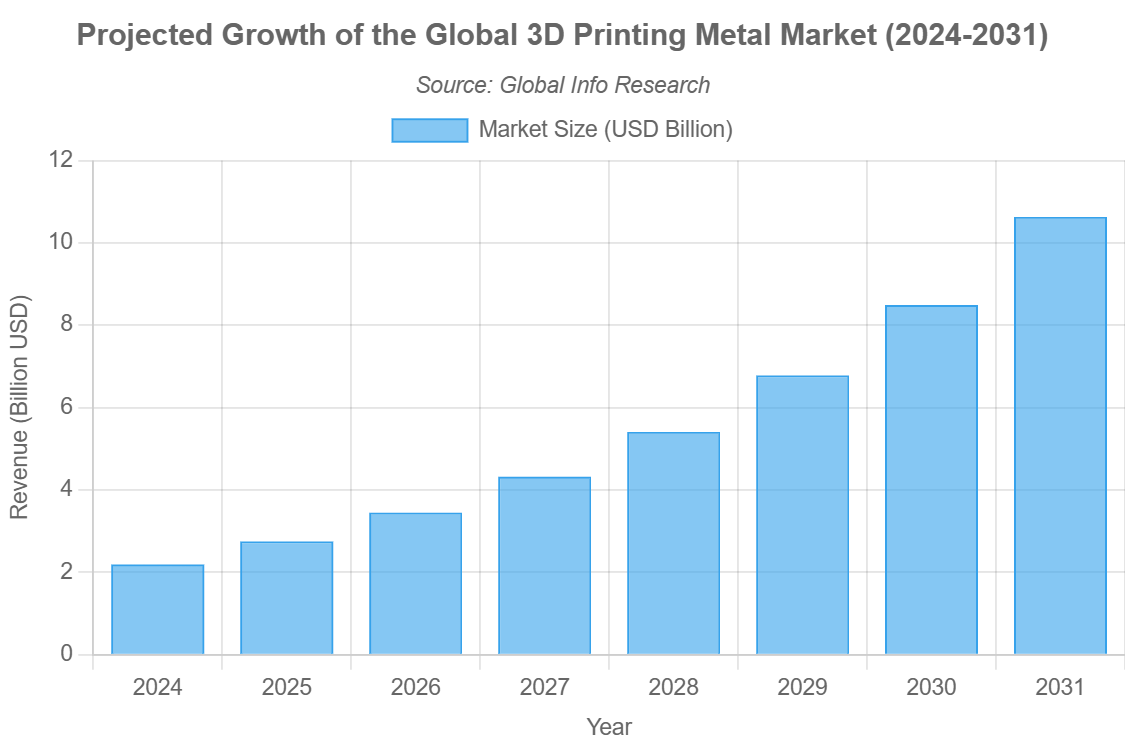
The adoption of metal additive manufacturing service technologies is accelerating at an unprecedented rate. The global market for 3D printed metals is projected to grow from $2.19 billion in 2024 to a staggering $10.63 billion by 2031, reflecting a compound annual growth rate (CAGR) of 25.6%. This growth is largely driven by the maturation of technologies like metal binder jetting additive manufacturing that enable serial metal manufacturing.
Major industry players like HP, XJet, and a host of innovative Chinese companies like DeYiWei and YiZhi Technology are continuously pushing the boundaries of powder bed binder jetting technology, developing faster machines, new materials, and streamlined post-processing solutions. The recent introduction of more compact and affordable systems is further democratizing access to this advanced digital manufacturing solution for small and medium-sized enterprises.
Why Choose LAVA for Metal Binder Jetting 3D Printing Services
At Lava3DP, we have invested in state-of-the-art metal binder jetting 3D printing service capabilities to give your projects a competitive edge. We don’t just print parts; we deliver complete metal additive manufacturing solutions.
- Expertise-Driven Design: Our engineering team provides engineering design support and applies design for additive manufacturing (DfAM) principles to optimize part designs for the Binder Jetting process, ensuring superior quality, functionality, and cost-efficiency.
- Guaranteed Quality: We implement rigorous manufacturing quality assurance and ISO quality controlled manufacturing practices throughout the entire process—from powder handling to final sintering—to ensure every part meets the highest standards of precision engineered metal parts.
- Rapid Turnaround: Leveraging the inherent speed of Binder Jetting, we deliver your custom parts faster than ever, supporting rapid metal prototyping service and accelerating your time to market.
- Global Service, Local Partnership: As a trusted global metal 3D printing supplier and worldwide additive manufacturing solutions provider, we are dedicated to building long-term partnerships with our clients, providing support and expertise regardless of your location, including online metal 3D printing service USA, metal binder jetting service UK, and industrial prototyping service Europe.
Embrace the future of custom part manufacturing. If you are looking for a faster, more economical, and flexible way to produce high-quality engineering grade metal components, binder jetting metal parts, and custom metal mechanical parts, metal binder jetting 3D printing is the answer.
Contact LAVA today to discuss your project and discover how our professional additive manufacturing service can transform your production pipeline.
Get an Instant Quote