

FDM(Fused Deposition Modeling)
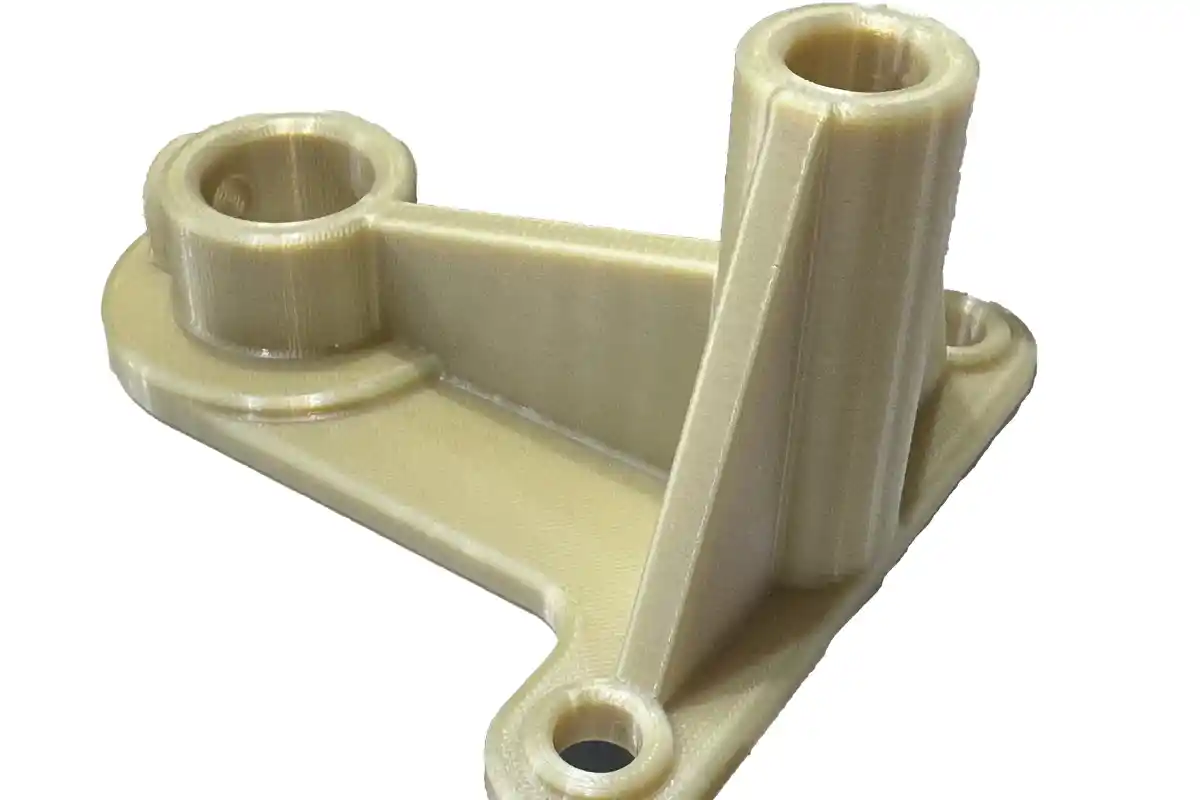
Fused Deposition Modeling (FDM), also known as Fused Filament Fabrication (FFF), represents the most widely adopted 3D printing technology in industrial and consumer markets today. At Lava3DP, we’ve harnessed this transformative technology to deliver precision-crafted components for clients across diverse sectors worldwide. Since its development by Dr. Scott Crump in 1988, FDM has evolved from simple prototyping to a full-scale production solution capable of manufacturing end-use parts with exceptional mechanical properties and dimensional accuracy .
What sets FDM apart is its unique approach to additive manufacturing: it builds objects layer by layer using continuous thermoplastic filaments that are heated to a semi-liquid state and precisely extruded through a nozzle. This process creates robust parts with mechanical properties that often rival those produced through traditional manufacturing methods. The technology has gained significant traction in industrial settings, with FDM and related processes now driving over three-quarters of the industrial 3D printing market revenue .
At Lava3DP, we’ve invested in state-of-the-art FDM systems from industry leaders like Stratasys, ensuring that our clients benefit from the latest advancements in rapid prototyping and manufacturing. Our expertise spans from conceptual design to final production, making us your ideal partner for custom parts manufacturing regardless of your industry or application requirements.
Get an Instant QuoteHow FDM 3D Printing Works: Principles and Process
Understanding the FDM process helps clarify why it has become such a valuable manufacturing solution. The technology operates on a deceptively simple principle: thermal plasticization and precise deposition of material followed by immediate solidification. This process involves several meticulously coordinated stages:
1. Digital Model Creation
Every FDM-printed part begins as a digital 3D model created using computer-aided design (CAD) software. Our clients either provide their own designs or work with our engineering team to develop optimized models for their specific applications.
2. File Conversion and Slicing
The CAD model is converted to STL (Standard Tessellation Language) format, which represents the surface geometry of the part as a series of interconnected triangles. This file is then processed through specialized slicing software that divides the model into hundreds or thousands of horizontal layers and generates the G-code that controls the printer’s movements .
3. Material Extrusion and Deposition
During printing, thermoplastic filament is fed from a spool into an extrusion head where it’s heated to a precise temperature—typically just above its melting point (usually controlled within 1°C of optimal temperature) . The print head moves according to the G-code instructions, depositing molten material along a predetermined path to form each cross-sectional layer.
4. Layer Bonding and Solidification
As the extruded material is deposited, it immediately begins to cool and solidify, bonding with the previous layer through thermal fusion. The platform then lowers slightly, and the process repeats for the next layer until the entire part is complete.
5. Support Structure Integration
For designs with overhanging features or complex geometries, dedicated support structures are simultaneously printed using either the same material or a specialized soluble material that can be easily removed after printing .
6. Post-Processing
After printing is complete, parts undergo various post-processing procedures including support removal, surface smoothing, and sometimes additional treatments to enhance mechanical properties or appearance .
This meticulous layer-by-layer approach enables the creation of geometrically complex parts that would be difficult or impossible to produce with traditional manufacturing methods while maintaining exceptional dimensional accuracy and repeatability.
Unmatched Design Flexibility and Complexity
One of the most significant advantages of FDM technology is its extraordinary design freedom, which enables the production of components with intricate geometries that defy conventional manufacturing constraints. At Lava3DP, we help our clients leverage this capability to create innovative solutions that optimize performance while reducing weight and material usage.
FDM technology excels at producing:
-
- Complex internal channels and cavities for fluid flow or weight reduction
-
- Integrated assemblies with moving parts printed as single units
-
- Organic, biomimetic structures inspired by natural forms
-
- Customized geometries tailored to specific functional requirements
-
- Lightweight lattice structures with optimized strength-to-weight ratios
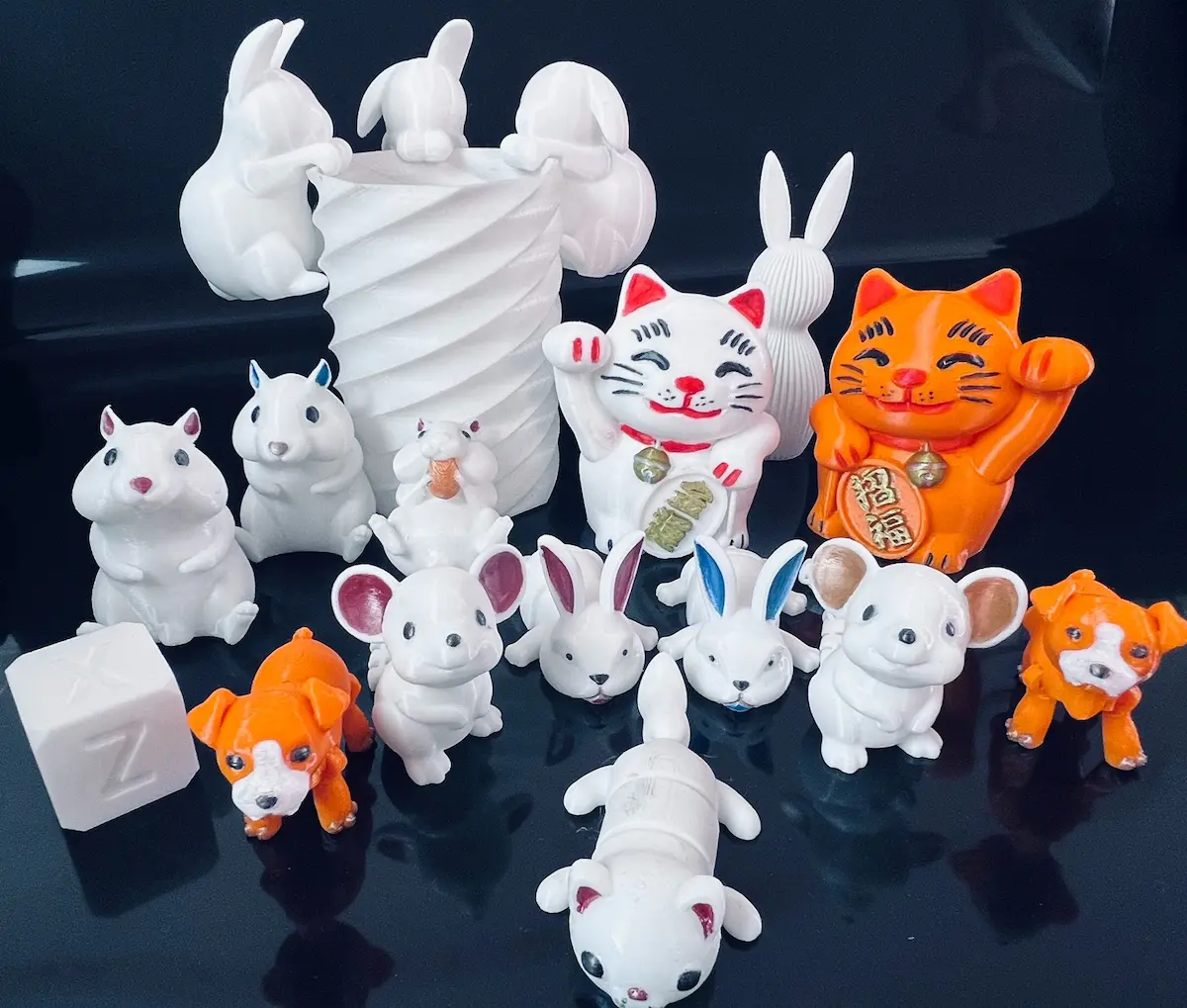
This design flexibility extends beyond mere shape creation. FDM allows for graded material properties within a single component by varying infill density patterns—creating parts with solid surfaces and partially hollow interiors that maintain strength while reducing material usage. Recent innovations like MIT’s SustainaPrint system have further enhanced this capability by enabling strategic placement of different materials within a single print to optimize performance while reducing plastic usage by up to 80% .
For our clients at Lava3DP, this means the freedom to consolidate assemblies into single printed components, reducing part counts and eliminating assembly steps. The technology also enables mass customization without the traditional cost penalties associated with low-volume production, making it ideal for personalized medical devices, custom-fit consumer products, and application-specific industrial components.
Comprehensive Material Options for Every Application
At Lava3DP, we offer an extensive portfolio of FDM materials specifically selected to meet diverse industrial requirements. Each material possesses unique characteristics that make it suitable for particular applications:
Table: FDM Material Properties and Applications
| Material | Tensile Strength | Heat Resistance | Flexibility | Key Applications |
|---|---|---|---|---|
| ABS | High | Moderate | Moderate | Functional prototypes, automotive parts, enclosures |
| PLA | Moderate | Low | Low | Concept models, educational projects, packaging |
| PETG | High | Moderate | Some flexibility | Food containers, medical devices, mechanical parts |
| Nylon | Very High | High | Some flexibility | Gears, bearings, high-wear components |
| TPU | Moderate | Moderate | High | Flexible hinges, seals, grips, wearable devices |
| PC | Very High | High | Moderate | High-strength components, automotive, aerospace |
| PPSF | Extreme | Extreme | Low | High-temperature applications, chemical resistance |
Our material innovation continues to evolve, with recent developments including advanced composites infused with carbon fiber, fiberglass, or metal particles for enhanced mechanical properties. We’ve also pioneered the use of specialized TPU blends like those developed by Lingcui Medical, which incorporate silicone particles and PC thickeners to create models with tissue-like elasticity and realism for medical applications .
For environmentally conscious clients, we offer sustainable alternatives including recycled materials and bio-based polymers. Our partnership with initiatives like MIT’s SustainaPrint program allows us to strategically combine standard and eco-friendly materials in ways that minimize environmental impact without compromising performance .
Industries and Applications Transformed by FDM
FDM technology has revolutionized manufacturing across virtually every industry sector. At Lava3DP, we’ve delivered customized solutions for clients in:
Automotive Industry
Automotive manufacturers leverage FDM for lightweight components, custom jigs and fixtures, and end-use parts. The technology enables rapid iteration of designs, reducing development cycles while producing parts that meet rigorous automotive standards for strength and heat resistance.
Aerospace and Defense
The aerospace sector values FDM for its ability to produce complex, low-volume components with exceptional strength-to-weight ratios. From ducting systems to cabin accessories and ground support equipment, FDM parts meet the stringent requirements of aerospace applications while reducing lead times and production costs.
Healthcare and Medical Devices
Medical applications represent one of the fastest-growing segments for FDM technology. We produce patient-specific anatomical models for surgical planning, custom prosthetics and orthotics, and specialized instrumentation. Our medical-grade materials comply with relevant biocompatibility standards, and our capability to produce economically viable single-use devices has transformed patient care approaches.
Consumer Products
Consumer goods manufacturers utilize our FDM services for rapid prototyping, concept validation, and small-batch production of customized products. The technology enables unprecedented design flexibility and personalization options while keeping costs manageable even for limited production runs.
Industrial Equipment
Across industrial sectors, FDM provides custom tooling, jigs, fixtures, and replacement parts that extend equipment life and optimize manufacturing processes. The ability to produce these components quickly and cost-effectively minimizes downtime and increases operational efficiency.
Education and Research
Educational institutions and research organizations partner with Lava3DP to create detailed models for study, experimental apparatus, and visual aids that enhance learning and discovery. The affordability and accessibility of FDM technology make it ideal for academic budgets.
Sustainability and Environmental Advantages
In an era of increasing environmental awareness, FDM technology offers significant sustainability benefits over traditional manufacturing approaches. At Lava3DP, we’ve implemented comprehensive sustainability initiatives that align with our clients’ environmental values:
Material Efficiency
FDM is an additive process that only uses material where needed, contrasting with subtractive methods that can waste up to 90% of raw material. This fundamental characteristic significantly reduces material consumption, especially for complex, low-volume components.
Waste Reduction
Our implementation of water-soluble support materials minimizes waste associated with support structures. These materials dissolve away in a mild solution, leaving the finished part clean without generating plastic scrap. For standard materials, we’ve developed recycling programs that repurpose support structures and failed prints.
Lightweighting
The ability to create optimized lattice structures enables weight reduction in transportation applications, leading to reduced fuel consumption and lower emissions over the product lifecycle. This lightweighting capability represents one of FDM’s most valuable environmental contributions.
Sustainable Materials
We offer an expanding selection of eco-friendly material options including:
-
- PLA derived from renewable resources like corn starch
-
- Recycled PET from post-consumer packaging
-
- Bio-based polymers with reduced carbon footprint
-
- Recyclable composites that can be reprocessed after use
Energy Efficiency
FDM processes generally require less energy than traditional manufacturing methods, especially for complex parts that would otherwise require multiple machining operations and assembly steps. The decentralized nature of 3D printing also reduces transportation energy compared to conventional supply chains.
Through our partnership with MIT’s SustainaPrint initiative, we’ve developed advanced techniques that strategically place high-strength virgin materials only where absolutely necessary while using recycled or bio-based materials for the majority of the part . This approach can reduce virgin plastic usage by up to 80% while maintaining mechanical performance.
The Lava3DP Service Experience
Choosing Lava3DP as your FDM manufacturing partner means accessing a seamless, integrated service designed for maximum convenience and optimal results:
1. Design Consultation
Our process begins with a comprehensive design consultation where our engineering team evaluates your requirements and provides design-for-manufacturing recommendations to optimize your part for FDM production.
2. Quotation and Planning
We provide transparent, detailed quotations within 24 hours, including design optimization suggestions that could reduce costs or improve performance. Our pricing model is structured to accommodate everything from single prototypes to production runs.
3. Production and Quality Control
Once approved, your project enters our streamlined production workflow with integrated quality checks at every stage. We maintain strict process control to ensure consistent results across production runs.
4. Post-Processing and Finishing
Depending on your requirements, we apply appropriate post-processing techniques including support removal, surface smoothing, coloring, and application of functional coatings.
5. Inspection and Verification
Every part undergoes rigorous inspection to verify dimensional accuracy and mechanical properties. We provide inspection reports with your shipment for quality assurance documentation.
6. Delivery and Support
We manage global logistics to ensure timely delivery to your location, with ongoing technical support to address any questions that may arise after receipt of your parts.
Throughout the process, you have access to our online portal where you can track order status, view production updates, and access documentation—giving you complete visibility and control over your manufacturing project.
FDM 3D Printing Service: Cost, Quality & Fast Turnaround
When seeking the best FDM 3d printing service, you need a partner that delivers a superior balance of value, precision, and speed. At LAVA3DP, we provide transparent FDM 3d printing service cost structures that make professional-grade fabrication accessible, ensuring our competitive FDM 3d printing service price doesn’t compromise on excellence. We specialize in producing high-quality FDM prints through quality-controlled FDM printing processes at every stage, from design to completion. Our design-to-print services seamlessly guide your project from CAD to FDM printing, guaranteeing your vision is perfectly realized. Whether you’re a startup needing a prototype or an enterprise requiring scalable 3D printing production, we offer fast turnaround 3D printing to meet tight deadlines without sacrificing detail. For reliable, professional results that bridge innovation with efficiency, discover why we are the preferred FDM 3D printing service near me for clients nationwide.
Why Choose Lava3DP for Your FDM Manufacturing Needs?
When selecting an FDM service provider, Lava3DP offers distinct advantages that set us apart:
Technical Expertise
Our team includes highly experienced engineers with deep knowledge of FDM processes and materials. We don’t just print your designs—we help optimize them for better performance, lower cost, and easier manufacturing.
Industrial-Grade Equipment
We invest in professional-grade FDM systems from industry leaders like Stratasys, ensuring consistent results and reliability that desktop machines cannot match. Our equipment includes both standard and large-format systems to accommodate parts up to full automotive size.
Quality Assurance
We implement stringent quality control procedures throughout the production process, certified to international standards. Our commitment to quality ensures that you receive parts that meet your specifications every time.
Rapid Turnaround
Our optimized production workflow enables industry-leading lead times, with prototype delivery in as little as 24 hours and production quantities within days rather than weeks.
Global Logistics Expertise
With clients worldwide, we’ve mastered the complexities of international shipping and customs clearance, ensuring smooth delivery regardless of your location.
Competitive Pricing
Through process optimization and economies of scale, we offer exceptional value without compromising quality, making professional FDM manufacturing accessible to businesses of all sizes.
Future Innovations in FDM Technology
The FDM landscape continues to evolve at an accelerating pace, with several emerging trends that will further expand capabilities:
Multi-Material Printing
Advanced print heads capable of handling multiple materials simultaneously will enable more complex parts with graded properties—combining rigid and flexible materials in a single print for unprecedented functionality.
Enhanced Speed and Scale
New technologies like continuous printing systems and faster deposition methods are dramatically increasing production rates while expanding maximum part dimensions to accommodate full-scale automotive and architectural components.
Advanced Materials Development
The ongoing development of engineered composites with enhanced properties—including conductive materials, ceramic-filled polymers, and wood-like composites—will continue to expand FDM application possibilities.
Sustainable Solutions
Initiatives like MIT’s SustainaPrint will evolve toward fully circular material economies where printed parts can be efficiently recycled into new filament with minimal property degradation .
At Lava3DP, we stay at the forefront of these developments, continuously investing in new technologies and processes that enhance our capabilities and deliver increased value to our clients.
Conclusion: Transform Your Manufacturing with FDM Technology
FDM 3D printing has matured into a robust manufacturing solution capable of producing functional, end-use parts for virtually every industry sector. Its unique combination of design freedom, material versatility, and economic efficiency makes it an indispensable tool for businesses seeking competitive advantage through innovation.
At Lava3DP, we’ve built our service around the principle of partnership—working closely with our clients to understand their challenges and deliver tailored solutions that meet their specific requirements. Our expertise in FDM technology, combined with our commitment to quality and service, makes us the ideal choice for your custom manufacturing needs.
Ready to experience the Lava3DP difference? Visit our website at lava3dp.com to upload your design for a instant quotation, or contact our team to discuss how FDM technology can transform your manufacturing process. Let us help you turn innovative ideas into reality—efficiently, economically, and excellently.
Get an Instant Quote