

Steel Metal Stamping
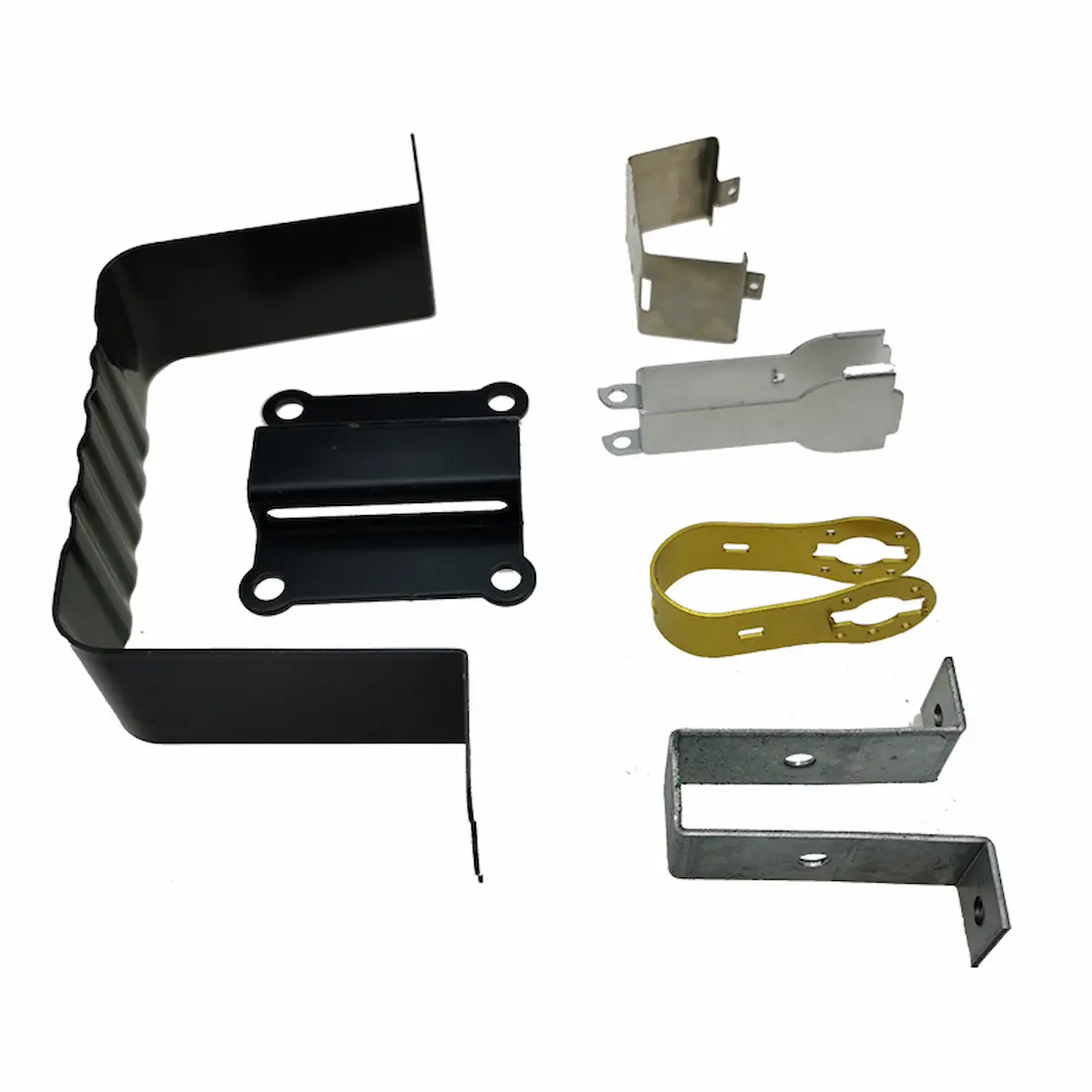
What is steel metal stamping?
Steel metal stamping is a cornerstone manufacturing process that transforms sheet metal into precise, complex components through high-pressure forming. This metal forming process and sheet metal stamping method dominates industries from automotive to electronics, where efficiency, consistency, and cost-effectiveness are paramount. As global demand for precision metal stamping and custom metal stamping grows, understanding steel stamping becomes essential for engineers, designers, and procurement specialists seeking to optimize their manufacturing strategies. The worldwide market for custom metal stamping continues to expand steadily, with projections estimating it will reach $20.98 billion by 2031, driven by increasing applications across diverse industrial sectors.
At its core, metal stamping utilizes specialized presses and tooling to shape metal sheets with exceptional accuracy and repeatability. As part of steel metal stamping services, unlike machining processes that remove material, stamping redistributes metal through controlled deformation, minimizing waste while creating structurally sound components. This introduction explores the fundamental principles, advantages, materials, and applications of steel metal stamping, providing a comprehensive resource for businesses considering this efficient manufacturing method for their custom part needs.
Get an Instant QuoteSteel Metal Stamping: Process, Capabilities & Overview
The Fundamental Steel Metal Stamping Process
Steel metal stamping is a cold-forming manufacturing process that uses presses and dedicated tooling to transform sheet metal into specific shapes. This cold stamping steel approach involves placing flat sheet metal blanks into a stamping press where a tool and die surface forms the metal into the desired configuration through high-pressure application. This method stands in contrast to traditional machining that removes material, as stamping reshapes the metal while maintaining its original volume and material properties, making it a core part of steel component manufacturing.
The stamping process encompasses two primary classification categories:
- Separation processes: These operations cut or shear the metal workpiece, including blanking, punching, and trimming, where material is physically separated along specific lines
- Forming processes: These operations reshape metal without removing material, including bending, stretching, and deep draw stamping, where the metal undergoes plastic deformation to achieve the desired form
The Stamping Press and Tooling System
At the heart of any metal stamping operation is the stamping press, which provides the necessary force to form the metal. Presses fall into two main categories based on their power transmission mechanism: mechanical presses using flywheels and crankshafts for consistent, high-speed operation, and hydraulic presses employing fluid pressure for greater control and flexibility in force application. These systems are widely used in high volume metal stamping environments.
The stamping die represents the custom tooling component that defines the part’s final geometry. Dies range from simple single-operation tools to complex progressive die stamping systems that perform multiple operations in sequence as the metal strip feeds through the press. The die system typically consists of:
- Punch: The male component that applies force to the workpiece
- Die: The female component that receives the punch and contains the desired form
- Guide system: Ensures proper alignment between punch and die
- Stripper mechanism: Removes the formed part from the punch after operation
Key Advantages of Precision Steel Metal Stamping
Steel metal stamping offers numerous benefits that make it the manufacturing method of choice for high-volume production across industries, especially when working with a reliable metal stamping company or steel stamping manufacturer.
Economic Advantages
The economic efficiency of steel stamping becomes particularly evident in medium to high-volume production runs. Once initial tooling is created, the per-unit cost decreases significantly, making it exceptionally cost-effective for large quantities and bulk metal stamping services. Additional economic benefits include:
- High material utilization through optimized nesting of parts, reducing waste
- Reduced labor costs due to automation capabilities
- Minimal secondary operations, lowering overall processing time
- Consistent part quality, reducing rejection rates and associated costs
Technical and Quality Benefits
From a technical perspective, steel stamping delivers exceptional precision and repeatability, making it ideal for high precision steel components. The process creates parts with:
- Excellent dimensional consistency due to the fixed nature of the tooling
- Superior surface quality that often requires no additional finishing
- Enhanced mechanical properties through work hardening during deformation
- Complex geometry capability in a single operation that would require multiple steps in other processes
The high production speed of stamping presses enables rapid manufacturing of large quantities, supporting industrial metal parts production, with some systems capable of producing hundreds of parts per minute. This combination of speed and precision is difficult to achieve with alternative manufacturing methods.
Material and Performance Advantages
Steel stamping leverages the inherent benefits of steel as a material while enhancing its properties through the forming process, commonly used in metal fabrication and stamping applications:
- High strength-to-weight ratios in finished components
- Improved structural integrity through controlled grain flow
- Enhanced durability and wear resistance
- Good thermal and electrical conductivity properties
- Superior corrosion resistance when using treated or stainless steel stamping materials
Steel Materials for Stamping: Grades, Properties & Selection
Selecting the appropriate steel material is crucial for successful stamping operations, as different grades offer varying characteristics suited to specific applications in custom stamped metal parts production.
Carbon Steels
Carbon steels represent the most commonly stamped materials, balancing formability, strength, and cost-effectiveness. These steels are categorized by their carbon content:
- Low-carbon steels (C ≤ 0.15%): Excellent formability and weldability, suitable for deep drawing applications
- Medium-carbon steels (C 0.15-0.25%): Balanced strength and formability for general stamping applications
- High-carbon steels (C ≥ 0.25%): Higher strength but reduced formability, requiring specialized stamping approaches such as carbon steel stamping
Specialized Stamping Steels
For specific performance requirements, specialized steel grades have been developed:
- High-Strength Low-Alloy (HSLA) steels: Provide enhanced mechanical properties through microalloying elements
- Bake-hardenable steels: Gain strength during paint curing processes, ideal for automotive body panels
- Advanced high-strength steels (AHSS): Offer superior strength-to-weight ratios for lightweighting applications
Table: Common Steel Grades for Metal Stamping Applications
| Steel Grade | Key Characteristics | Typical Applications | Formability Rating |
|---|---|---|---|
| 09MnV | Good weldability and cold formability | Automotive components, structural parts | Excellent |
| 09MnAl | Fine grain structure, high strength | Deep drawn components, containers | Very Good |
| 410 Stainless | Good corrosion resistance, heat treatable | Fasteners, hardware, machine parts | Good |
| 304 Stainless | Excellent corrosion resistance | Food processing, chemical equipment | Excellent |
| DP 600 | High strength, good energy absorption | Automotive safety components | Good |
Coated and Treated Steels
Coated steels provide enhanced performance characteristics for specific environments:
- Galvanized steels: Zinc coating provides corrosion resistance for automotive and construction applications
- Galvannealed steels: Heat-treated zinc coating offers improved paint adhesion and weldability
- Aluminum-silicon coated steels: Withstand oxidation during high-temperature processing, widely used by any global metal stamping supplier
Industrial Applications of Custom Steel Stamped Parts
Steel stamping components serve critical functions across virtually every manufacturing sector, with each industry leveraging specific advantages of the process, especially in stamping for automotive components and stamping for electronics industry.
Automotive Industry
The automotive sector represents the largest market for steel stamping, accounting for approximately 35-40% of total demand . Applications include:
- Body panels and structural components requiring complex shapes and high strength
- Chassis and frame parts needing durability and impact resistance
- Engine and transmission components demanding precision and heat resistance
- Brackets, mounts, and connectors of various sizes and complexities
Recent innovations like hot stamping technologies have enabled the production of ultra-high-strength components with tensile strengths reaching 1470MPa, significantly enhancing vehicle safety while reducing weight .
Electronics and Telecommunications
The electronics industry relies on precision stamping for miniaturized components with tight tolerances and stamping tolerances and accuracy requirements:
- Connectors and contacts requiring precise geometries and good electrical conductivity
- Shielding components protecting sensitive circuits from electromagnetic interference
- Heat sinks managing thermal loads in compact spaces
- Socket and terminal assemblies demanding spring properties and durability
Aerospace and Defense
The aerospace sector utilizes steel stamping for critical components where reliability is paramount, often requiring precision engineering stamping solutions:
- Aircraft structural components requiring high strength-to-weight ratios
- Avionics enclosures and instrumentation housings
- Engine components withstanding extreme temperatures and stresses
- Navigation and control system parts needing precision and reliability
Medical Devices
The medical device industry employs stamping for instruments requiring precision, reliability, and sterilizability, often supported by quality control in metal stamping:
- Surgical instruments needing sharp edges and complex geometries
- Implantable device components requiring biocompatible materials
- Diagnostic equipment parts demanding precision and repeatability
- Disposable medical instruments requiring cost-effective mass production
Custom Steel Stamping Process: From Design to Production
Understanding the custom stamping workflow helps customers navigate the manufacturing journey from concept to finished part when working with an experienced stamping engineers team.
Design and Engineering Phase
The process begins with comprehensive design analysis to ensure the part is optimized for stamping manufacturing, often aligned with design for Manufacturing (DFM) principles. Key activities include:
- Design for Manufacturability (DFM) assessment to identify potential production issues
- Material selection based on functional requirements and formability needs
- Tooling design creating the blueprint for stamps, dies, and fixtures
- Process planning determining the sequence of operations needed
During this phase, experienced engineers evaluate factors such as material grain direction, bend radii, hole placement, and tolerance specifications to avoid common stamping defects like tearing, wrinkling, or dimensional inaccuracies.
Tooling Development and Fabrication
The tooling development phase creates the specialized equipment needed for production and impacts the overall tooling cost in stamping:
- Die design translating part specifications into precise tooling geometry
- Material selection for the tooling based on production volume and material
- Precision machining creating the die components to exacting specifications
- Tool assembly and tryout verifying performance and making necessary adjustments
Tooling represents a significant initial investment but delivers excellent long-term value for production runs exceeding 10,000 units . Modern techniques like additive manufacturing are increasingly used to create prototype tools rapidly, reducing development time and cost.
Production and Quality Assurance
The production phase transforms raw material into finished components, often for OEM metal stamping parts supplier requirements:
- Material preparation including coil feeding or blanking operations
- Stamping operations performing the forming, punching, and cutting sequences
- In-process inspection monitoring critical dimensions and quality parameters
- Secondary operations including heat treatment, plating, or assembly as needed
Throughout production, statistical process control methods ensure consistent quality, with measurements tracked against established control limits. Modern stamping facilities employ automated optical inspection systems and coordinate measuring machines to verify part dimensions with micron-level accuracy.
Steel Metal Stamping Market Trends & Industry Insights
The global custom metal stamping market continues to evolve, with several notable trends shaping its future direction, especially among metal stamping services USA and steel stamping services Europe markets.
Global Market Overview
The worldwide custom metal stamping market demonstrates steady growth, with 2024 sales estimated at $15.42 billion and projections reaching $20.98 billion by 2031, representing a compound annual growth rate (CAGR) of 4.5% . Regional distribution shows concentrated manufacturing in established industrial regions, with emerging markets increasingly contributing to growth.
Production volume distribution varies significantly across customer needs:
- Small batch customization (10-1,000 pieces): 18% of market
- Medium batch customization (1,000-10,000 pieces): 42% of market
- Large batch customization (>10,000 pieces): 40% of market
Technology and Process Innovations
Several technological advancements are transforming steel stamping capabilities, including improvements in progressive die vs transfer die stamping systems:
- Hot stamping technologies enabling ultra-high-strength components with complex geometries
- Servo-press technology providing greater control over slide motion and force application
- In-die sensing and monitoring enabling real-time process control and quality verification
- Advanced simulation software predicting formability and potential defects before tooling fabrication
The integration of Industry 4.0 principles is creating “smart stamping” environments with interconnected machines, automated material handling, and data-driven optimization of production parameters.
Sustainability and Material Developments
Environmental considerations are increasingly influencing stamping practices, including efficient low cost metal stamping services approaches:
- Lightweighting initiatives driving adoption of high-strength steels to reduce material usage
- Recycling infrastructure for scrap metal generated during stamping operations
- Energy-efficient press technologies reducing power consumption
- Alternative lubricants with improved environmental profiles
Material science continues to advance with developments in third-generation advanced high-strength steels offering improved combinations of strength and ductility, along with hybrid material systems combining metals with composites for specific performance enhancements.
Why Choose LAVA3DP for Steel Metal Stamping Services
Steel metal stamping remains a vital manufacturing process that combines efficiency, precision, and cost-effectiveness for custom part production. Its unique ability to create high-strength, complex components at scale ensures its continued relevance across industries. Businesses seeking custom metal stamping quote online or steel metal stamping instant quote solutions can benefit significantly from this process.
For businesses considering custom part fabrication, steel stamping offers compelling advantages when production volumes justify initial tooling investments. By partnering with an ISO certified metal stamping manufacturer or certified steel fabrication services provider, companies can optimize their components for manufacturability while achieving cost savings.
The future of steel stamping continues to brighten as global markets expand and technological innovations address traditional limitations. From automotive to renewable energy, steel stamping will remain a cornerstone of modern industrial production.
Get an Instant Quote