

Plastic Extrusion Service
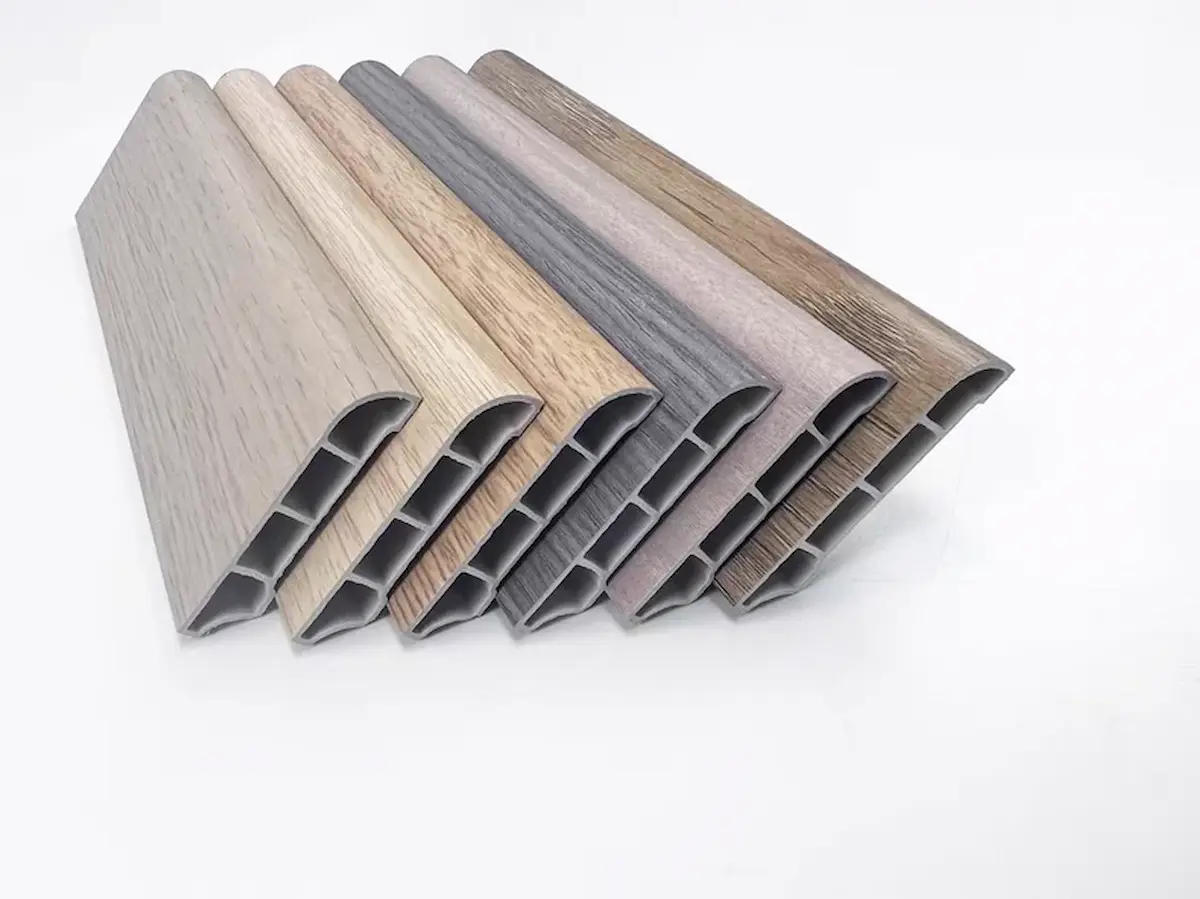
Introduction to Custom Plastic Extrusion Services
Plastic extrusion stands as one of the most versatile, efficient, and widely adopted manufacturing processes in the plastics industry today. This continuous production method enables the creation of products with consistent cross-sectional profiles with unparalleled efficiency and cost-effectiveness. For businesses seeking custom plastic extrusion and advanced plastic fabrication services, plastic extrusion offers remarkable flexibility in product design, material selection, and application-specific properties. At its core, extrusion involves transforming raw plastic materials into finished or semi-finished products through a process of heating, pressurization, and profile formation—a method that has revolutionized how industries approach component manufacturing across sectors ranging from construction and automotive to medical devices and consumer products.
Get an Instant QuoteThe significance of plastic extrusion in modern manufacturing cannot be overstated. According to industry analysis, approximately 50% of all thermoplastic products are manufactured using extrusion technology, highlighting its fundamental role in continuous plastic manufacturing and broader thermoplastic extrusion applications. The global plastic extrusion market continues to demonstrate robust growth, driven by increasing demand from emerging economies and expanding applications across diverse industrial sectors. This growth trajectory underscores the method’s enduring relevance and adaptability to evolving market needs, especially for businesses requiring made-to-order plastic profiles that balance technical requirements with economic feasibility.
For companies like LAVA specializing in custom parts fabrication and operating as a custom plastic extrusion manufacturer, understanding the capabilities, advantages, and limitations of plastic extrusion is essential for recommending optimal manufacturing solutions to clients. While additive manufacturing (3D printing) excels at prototyping and highly complex geometries, extrusion dominates in applications requiring long-length continuous profiles, high-volume production runs, and specific material properties that might be challenging for layer-based additive approaches. This complementary relationship between manufacturing technologies enables comprehensive service offerings that address the full spectrum of client needs across development cycles—from initial concept to mass production.
What Is Plastic Extrusion and How the Process Works
The Basic Principle
Plastic extrusion, also known as plasticating extrusion, is a continuous manufacturing process where thermoplastic polymers are melted and formed into products with fixed cross-sectional profiles. The fundamental principle involves forcing molten plastic through extrusion dies that define the shape of the final product. Unlike discrete manufacturing methods that produce individual parts, extrusion creates continuous lengths of product that can be cut to specific sizes post-production. This characteristic makes it particularly suitable for manufacturing long, uniform components such as pipes, tubes, sheets, and profiles of varying complexity.
The extrusion process belongs to the broader category of continuous manufacturing systems, distinguishing it from batch or cyclic processes like injection molding. This continuity enables exceptional production efficiency, minimal material waste, and consistent product quality throughout extended production runs. The process can be adapted to create solid, hollow, or even semi-hollow profiles depending on die design and downstream equipment configuration. This adaptability to different profile configurations makes extrusion particularly valuable for precision profile extrusion projects and industrial plastic components where unique cross-sectional geometries are often required to meet specific application needs.
Step-by-Step Process Breakdown
The plastic extrusion process comprises several interconnected stages that transform raw plastic material into finished products:
- Material Feeding: Plastic raw materials in form of pellets or powders are fed from a hopper into the extruder barrel as part of a controlled extrusion line setup. Most modern systems incorporate precision feeding mechanisms and may include pre-drying systems to remove moisture that could compromise final product quality.
- Plasticating and Melting: Inside the extruder barrel, the material is gradually heated through multiple extrusion temperature control zones. A rotating screw—either in a single screw extruder or advanced twin screw extruder configuration—transports the material forward while generating frictional heat that complements the external heating elements. This combination effectively melts the plastic into a homogeneous molten state. The design of this screw—including its length-to-diameter ratio, compression ratio, channel depth, and material-specific melt flow index—significantly impacts melting efficiency and final product quality.
- Filtration and Homogenization: Before reaching the die, the molten plastic typically passes through a screen pack and breaker plate assembly. This system filters out any contaminants while supporting proper mixing and plastic compounding, including the integration of additive masterbatch for color, UV resistance, or flame performance.
- Shape Formation: The homogenized melt is forced through a custom-designed die, requiring advanced extrusion die design expertise, that imparts the desired cross-sectional shape to the plastic. Die design represents a critical engineering aspect of extrusion, accounting for material-specific flow characteristics and “die swell”—the phenomenon where extruded material expands after exiting the die.
- Cooling and Solidification: The shaped plastic immediately enters a cooling system, typically supported by precision downstream calibration systems, where it solidifies while maintaining its formed shape. Controlled cooling prevents deformation, minimizes internal stresses, and ensures dimensional stability.
- Pulling and Sizing: Specialized haul-off or puller equipment applies consistent tension to the now-solidified profile, maintaining uniform product dimensions and ensuring strict tolerances in extrusion and overall precision tolerance control.
- Cutting and Coiling: Finally, the continuous profile is cut to specific lengths using flying cutters or saws, or wound onto spools for flexible products. Modern extrusion lines often incorporate automated measurement systems and quality control inspection procedures to maintain product specifications. the external heating elements. This combination effectively melts the plastic into a homogeneous molten state. The design of this screw—including its length-to-diameter ratio, compression ratio, channel depth, and material-specific melt flow index—significantly impacts melting efficiency and final product quality.
- Filtration and Homogenization: Before reaching the die, the molten plastic typically passes through a screen pack and breaker plate assembly. This system filters out contaminants while supporting proper mixing and plastic compounding, including the integration of additive masterbatch for color, UV resistance, or flame performance.
- Shape Formation: The homogenized melt is forced through a custom-designed die, requiring advanced extrusion die design expertise, that imparts the desired cross-sectional shape to the plastic. Die design represents a critical engineering aspect of extrusion, accounting for material-specific flow characteristics and “die swell”—the phenomenon where extruded material expands after exiting the die.
- Cooling and Solidification: The shaped plastic immediately enters a cooling system, typically supported by precision downstream calibration systems, where it solidifies while maintaining its formed shape. Controlled cooling prevents deformation, minimizes internal stresses, and ensures dimensional stability.
- Pulling and Sizing: Specialized haul-off equipment applies consistent tension to the now-solidified profile, maintaining uniform product dimensions and ensuring strict tolerances in extrusion and overall precision tolerance control.
- Cutting and Coiling: Finally, the continuous profile undergoes secondary operations (cutting, drilling, punching) and is cut to specific lengths or wound onto spools. Modern extrusion lines often incorporate automated measurement systems and quality control inspection procedures to maintain performance specifications.
Table: Key Stages in the Plastic Extrusion Process
| Process Stage | Primary Function | Key Considerations |
|---|---|---|
| Material Feeding | Deliver raw material to extruder | Material flowability, moisture content, blending capability |
| Melting/Plasticating | Transform solid to homogeneous melt | Temperature profile, screw design, residence time |
| Filtration | Remove contaminants and create backpressure | Screen mesh size, pressure buildup, changeover frequency |
| Shape Formation | Define product cross-section | Die design, material flow characteristics, swell compensation |
| Cooling | Solidify formed shape | Cooling method, rate control, dimensional stability |
| Pulling | Maintain tension and control dimensions | Haul-off speed synchronization, grip without deformation |
| Cutting/Spooling | Create final product form | Cut length accuracy, winding tension, packaging protection |
Types of Plastic Extrusion Processes and Techniques
While the fundamental principle remains consistent across plastic extrusion applications, several specialized variations have been developed to address specific product requirements:
Single-Screw Extrusion
Single-screw extrusion represents the most common configuration, utilizing a single screw extruder within a barrel to plasticate and convey the material. This robust system delivers excellent performance for high-volume extrusion manufacturing of standard thermoplastics without complex mixing requirements.
Twin-Screw Extrusion
Twin-screw extruders employ two parallel screws that intermesh in various configurations to provide superior mixing and processing capabilities. The coordinated action of the twin screws creates enhanced shear distribution, more efficient heat transfer, and superior mixing compared to single-screw systems. These advantages make twin-screw extrusion particularly valuable for processing heat-sensitive materials, plastic compounding, and manufacturing products requiring precise dispersion of multiple components. Twin-screw systems can be further categorized based on screw rotation direction (co-rotating vs. counter-rotating) and degree of intermeshing, with each configuration offering distinct processing benefits for specific material systems and product requirements.
Profile Extrusion
Profile extrusion specializes in manufacturing products with custom cross-sectional shapes that extend beyond simple circles, rectangles, or standard geometric forms. This process utilizes specially engineered dies to create unique profiles for specific applications, such as window frame extrusion, automotive plastic trims, decorative trim, and construction components. The profile extrusion market encompasses both simple and highly complex geometries, with the global market demonstrating steady growth driven by construction, automotive, and consumer goods sectors. Success in profile extrusion requires sophisticated die design capabilities and thorough understanding of how different plastic materials behave during and after the extrusion process, particularly regarding shrinkage and dimensional stability.
Sheet and Film Extrusion
Sheet extrusion produces plastic sheets of consistent thickness that may be used as standalone products or further processed through thermoforming. This variation employs a specialized flat die that distributes the molten plastic evenly across the desired width, after which the material passes through precision cooling and polishing rolls to achieve target thickness and surface characteristics. When producing thinner gauges, the process may incorporate roll-stretching mechanisms to create oriented films with enhanced mechanical properties. Sheet and film extrusion accounted for a significant portion of the extrusion market, with consistent demand from packaging, consumer goods, and industrial sectors.
Pipe and Tubing Extrusion
Pipe and tubing extrusion represents a major segment of the extrusion industry, manufacturing hollow products with circular or custom cross-sections. This process utilizes mandrel dies that create the hollow center while ensuring uniform wall thickness distribution around the circumference. Recent technological advances have enabled production of increasingly large-diameter pipes, with modern systems capable of manufacturing PE pipes up to 1600mm in diameter for industrial and infrastructure applications. Downstream equipment for pipe and tubing extrusion typically includes specialized sizing systems to maintain dimensional accuracy, vacuum calibration tanks for cooling, and cutting equipment tailored to the specific product characteristics. Plastic pipe extrusion and flexible plastic tubing are critical applications in medical and industrial sectors.
Co-Extrusion
Co-extrusion represents an advanced extrusion technique where two or more different plastics are extruded simultaneously through a single die to create a multi-layered product. This sophisticated approach combines the properties of different materials within a single profile—for example, combining a weather-resistant outer layer with a structural inner layer, or incorporating a barrier layer within a packaging material. Co-extrusion services enable combining multiple functional properties in a single profile. The flexibility of co-extrusion makes it particularly valuable for applications requiring balanced performance characteristics that cannot be achieved with a single material system.
Common Thermoplastic Materials Used in Extrusion
The material selection for extrusion projects significantly influences both processing parameters and final product performance. Several thermoplastics have become extrusion standards due to their processing characteristics and end-use properties:
Polyvinyl Chloride (PVC)
PVC stands as one of the most extensively extruded plastics, available in both rigid and flexible formulations. Rigid PVC (uPVC) offers excellent mechanical properties, weather resistance, and flame retardancy, making it ideal for construction applications such as window frame extrusion, pipes, and siding. Flexible PVC, achieved through plasticizer addition, provides enhanced elasticity for applications like wire insulation, medical tubing, and protective edges. PVC’s versatility, cost-effectiveness, and proven performance across diverse environments have established it as a dominant material in extrusion markets, particularly in building and construction applications where it holds significant market share. Leading PVC extrusion companies specialize in these applications.
Polyethylene (PE)
Polyethylene resins span a range of densities and properties, from flexible low-density PE (LDPE) to rigid high-density PE (HDPE). Polyethylene’s combination of chemical resistance, moisture barrier properties, and toughness makes it particularly suitable for packaging films, pipes, and sheet applications. Recent advancements in PE pipe extrusion have enabled production of large-diameter pipes (up to 1600mm) with enhanced structural integrity for pressure pipe applications in water distribution and gas transmission. The material’s relatively low melting temperature and stable processing characteristics also contribute to its extrusion popularity, particularly for HDPE extrusion in high-volume projects.
Polypropylene (PP)
Polypropylene offers an exceptional balance of chemical resistance, stiffness, and thermal stability, with a higher heat deflection temperature than polyethylene. These characteristics make PP suitable for applications requiring autoclavability or hot-fill capabilities, such as laboratory equipment, medical devices, and food packaging. Polypropylene’s excellent fatigue resistance also lends itself to living hinge applications, while its low density provides material efficiency advantages. In extrusion applications, PP typically requires more precise temperature control than PE but delivers enhanced mechanical performance at elevated temperatures.
Acrylonitrile Butadiene Styrene (ABS)
ABS combines strength, rigidity, and impact resistance across a wide temperature range, making it valuable for applications requiring structural integrity under mechanical stress. The material’s excellent surface characteristics and compatibility with various post-processing techniques (including painting, metallization, and bonding) further expand its application potential. ABS finds extensive use in automotive components, protective housings, and consumer products where appearance and durability are simultaneously important. ABS extrusion suppliers rely on careful drying before processing to prevent surface defects caused by moisture absorption.
Polystyrene (PS)
Polystyrene appears in extrusion applications in both general-purpose crystal (GPPS) and high-impact (HIPS) variants. Crystal polystyrene offers exceptional optical clarity and rigidity for applications such as display packaging and lighting panels, while high-impact polystyrene incorporates rubber modifiers to enhance toughness for applications like refrigerator liners and consumer product housings. Polystyrene’s relatively low melting temperature and dimensional stability during processing contribute to its popularity in sheet extrusion for thermoforming applications.
Engineering Plastics
Beyond commodity resins, various engineering plastics find application in specialized extrusion processes where enhanced performance characteristics justify their higher cost. Materials such as polycarbonate (PC), valued for exceptional impact strength and transparency; polyamide (nylon), offering wear resistance and mechanical strength; and acrylic, providing outstanding optical properties and weatherability, all feature in extrusion applications with specific performance requirements. While these materials often present greater processing challenges than standard thermoplastics, they enable extrusion products to meet more demanding mechanical, thermal, or environmental specifications, particularly in ISO-certified manufacturing facilities.
Table: Common Plastic Materials for Extrusion and Their Properties
| Material | Key Properties | Typical Extrusion Applications | Processing Considerations |
|---|---|---|---|
| PVC | Cost-effective, flame retardant, weather resistant | Pipes, window profiles, siding, tubing | Temperature sensitivity requires precise control; ventilation needed |
| PE | Chemical resistant, moisture barrier, tough | Packaging films, pipes, sheets | Broad processing window; different grades require parameter adjustment |
| PP | Chemical resistant, stiff, heat resistant | Laboratory equipment, food containers, automotive parts | Higher melt temperature required; susceptible to oxidation at high temperatures |
| ABS | Impact resistant, rigid, good surface finish | Automotive components, protective housings, consumer products | Requires thorough drying; moderate melt temperature |
| PS | Clear, rigid, dimensionally stable | Display packaging, lighting panels, food containers | Low melt temperature; susceptible to environmental stress cracking |
| Engineering Plastics (PC, Nylon, etc.) | Enhanced strength, thermal resistance, specialized properties | Optical components, technical parts, high-performance profiles | Often require specialized equipment; precise temperature control critical |
Key Advantages of Plastic Extrusion for Custom Manufacturing
Plastic extrusion delivers distinct benefits that make it particularly valuable for custom plastic extrusion and manufacturing applications across diverse industries:
Continuous Production Efficiency
The continuous nature of extrusion manufacturing enables unparalleled production efficiency, especially for long-length components. Unlike cyclic processes that produce discrete parts in repeated cycles, extrusion creates product continuously, resulting in higher output volumes and reduced per-unit costs for profile-based components. This continuous operation minimizes non-productive time associated with mold closing, opening, and part ejection in cyclic processes. For plastic extrusion services near me, this efficiency translates to shorter lead times and more competitive pricing for clients requiring extended lengths of profile-based components, particularly when production volumes justify continuous running operations.
Remarkable Design Flexibility
Extrusion supports exceptional design freedom for products with constant cross-sections, enabling creation of highly complex profiles that would be challenging or uneconomical to produce using alternative manufacturing methods. The relatively low cost of extrusion die tooling compared to injection molds makes customization economically viable, even for limited production runs. This flexibility allows designers to incorporate multiple functions into a single profile—such as integrated sealing channels, mounting features, and decorative elements—reducing assembly operations and component count in final products. For profile extrusion services, this means offering clients the ability to consolidate multiple components into single extruded profiles, potentially simplifying their supply chains and reducing overall manufacturing costs.
Cost-Effective Production
Extrusion delivers significant economic advantages through multiple factors: efficient material utilization, continuous operation, and relatively low tooling investment compared to other plastic processing methods. The process generates minimal material waste, with most scrap material being readily recyclable back into production streams, supporting sustainable plastic manufacturing. Operational efficiency remains high due to continuous processing and minimal manual intervention in well-configured production lines. Perhaps most importantly for custom manufacturing, extrusion tooling costs typically fall substantially below those for injection molding, making customized profile production economically viable across a broader range of production quantities. This cost structure enables bulk plastic profile manufacturing and custom extrusion solutions for clients without prohibitive initial investments.
Material Versatility and Compatibility
The extrusion process demonstrates remarkable compatibility with diverse thermoplastic materials, from commodity polymers to engineering-grade resins and advanced thermoplastic composites. This material adaptability enables manufacturers to select polymers specifically suited to application requirements—whether the priority is chemical resistance, weatherability, structural performance, or regulatory compliance. Additionally, extrusion readily accommodates material compounding directly within the process, allowing incorporation of additive masterbatch, colorants, reinforcements, and modifiers to achieve specific performance characteristics. For custom plastic extrusion clients, this material flexibility means their profile-specific requirements can be met without compromising on material properties.
Consistent Product Quality
Modern extrusion systems deliver exceptional dimensional consistency throughout production runs, maintaining tight tolerances over extended lengths and time periods. Advanced process control technologies continuously monitor and adjust critical parameters—including temperatures, pressures, and line speeds—to maintain product consistency. This reliability proves particularly valuable for applications requiring uniform cross-sections and predictable performance characteristics. The combination of process control technologies with in-line monitoring systems ensures that custom extruded products consistently meet specification requirements, providing clients with reliable components for their applications. For companies seeking ISO-certified manufacturing and quality control inspection, this ensures high EEAT compliance and global standards adherence.
Industrial Applications of Plastic Extrusion Across Industries
The versatility of plastic extrusion has led to its adoption across virtually every industrial sector:
Building and Construction
The construction industry represents one of the largest markets for extruded plastic products, utilizing these components for both structural and finishing applications. Window and door profiles represent major extrusion applications, with PVC and reinforced systems providing energy-efficient alternatives to traditional materials. The PVC extrusion company market for building applications continues to demonstrate steady growth, with PVC profiles maintaining significant market share due to their durability, thermal performance, and minimal maintenance requirements. Other construction applications include vinyl siding, fencing, decking, rainwater systems, and electrical conduit—all leveraging extrusion’s ability to produce weather-resistant, dimensionally stable components with extended service life.
Automotive and Transportation
The automotive sector increasingly utilizes extruded plastic components to address weight reduction, aesthetic, and functionality requirements. Sealing systems represent a major extrusion application, with complex weather-strip profiles incorporating multiple sealing lips and reinforcing elements. Interior applications include trim components, dashboard elements, and decorative profiles, while under-hood applications feature coolant tubes, protective sleeves, and fluid management systems. The transportation industry’s emphasis on lightweighting continues to drive innovation in extruded products, with multi-material co-extrusion services enabling combination of rigid structural elements with compliant sealing surfaces in single integrated profiles.
Consumer Products
Consumer goods manufacturers leverage extrusion for products ranging from household items to recreational equipment and personal care products. The process delivers cost-effective production for applications such as furniture edging strips, drawer slides, shelving systems, and protective trim. Flexible extrusion produces tubing for various consumer applications, while sheet extrusion creates materials for point-of-purchase displays, signage, and protective packaging. The consumer products sector particularly values extrusion’s ability to incorporate brand-specific colors and finishes directly into profile production, eliminating secondary processing steps.
Industrial Components
Industrial applications for extruded plastic products include materials handling systems, machinery components, and process industry applications. Extruded plastic profiles serve as guide rails, conveyor components, wear strips, and machinery guards across diverse industrial environments. The chemical resistance of many engineering plastics makes extruded profiles suitable for process equipment in corrosive environments, while the electrical insulation properties support applications in electrical enclosures and component supports. Industrial clients particularly value the design flexibility of extrusion, which enables creation of industrial plastic components that solve specific application challenges without tooling costs associated with alternative manufacturing methods.
Design, Tooling, and Engineering Considerations in Extrusion
Successful extrusion projects require attention to specific design principles that optimize manufacturability and performance:
Profile Design Fundamentals
Effective extrusion profile design balances functional requirements with manufacturing practicality. Uniform wall thickness represents perhaps the most critical design consideration, as significant variations can create uneven cooling rates that lead to warpage or dimensional instability. Where thickness changes are unavoidable, gradual transitions help minimize stress concentration and flow disruption. Incorporating appropriate corner radii (typically at least 0.5mm or half the wall thickness) distributes stress more evenly and improves material flow during extrusion. For hollow sections, sufficient draft angles facilitate mandrel support in the die, while internal corners should ideally incorporate slightly larger radii than external corners to account for material flow characteristics.
Tolerance Planning
Realistic tolerance specification represents another crucial design consideration, as all manufacturing processes involve some dimensional variation. While modern extrusion equipment can maintain impressive dimensional consistency, factors including material characteristics, profile geometry, and cooling methods all influence achievable tolerances. It’s generally advisable to specify the loosest possible tolerances that still ensure product functionality, as tighter tolerances typically increase production costs through more stringent process control requirements and potentially higher scrap rates. Critical dimensions should be clearly identified, allowing non-critical features greater dimensional flexibility to optimize manufacturability and cost-effectiveness.
Material Selection Factors
Material choice influences nearly every aspect of extrusion design, from corner radii and wall thickness to tolerance expectations and secondary operations. Amorphous materials like ABS and PC typically exhibit less shrinkage than semi-crystalline materials such as PE and PP, influencing dimensional predictability. Material stiffness affects minimum feasible wall thickness, with more rigid materials supporting thinner walls. UV stability, chemical resistance, temperature performance, and regulatory requirements all represent essential material selection criteria that should be addressed during the design phase rather than after tooling fabrication. For applications requiring specific visual characteristics, material selection should also consider compatibility with finishing processes such as painting, printing, or metallization. Partnering with a plastic extrusion manufacturer that offers DFM support and engineering consultation ensures design feasibility and manufacturability.
The Future of Advanced and Sustainable Plastic Extrusion
The extrusion industry continues to evolve through technological innovation and changing market demands:
Advanced Process Control
Intelligent control systems represent the future of extrusion processing, with increasingly sophisticated sensors and algorithms enabling real-time adjustment of process parameters to maintain product consistency. These systems utilize complex data analytics to identify subtle relationships between process conditions and product characteristics, allowing preemptive correction of deviation trends before they result in non-conforming product. Modern extrusion lines increasingly incorporate closed-loop control systems that continuously measure critical product dimensions and automatically adjust process parameters to maintain specifications, reducing reliance on operator intervention and enhancing production consistency.
Sustainable Manufacturing Initiatives
Sustainability considerations increasingly influence extrusion technology development, with emphasis on energy efficiency, material conservation, and circular economy principles. Industry efforts focus on reducing energy consumption through improved screw designs, more efficient drive systems, and enhanced heating/cooling technologies. Material efficiency initiatives include developing thinner-wall profiles that maintain performance while reducing material usage, and increasing incorporation of recyclable thermoplastics in extruded products. The industry’s sustainability evolution also includes developing advanced recycling technologies that enable high-value recovery of post-consumer and post-industrial plastic streams for re-use in extrusion applications.
Hybrid Manufacturing Approaches
Integration of extrusion with complementary manufacturing technologies creates new opportunities for complex product fabrication. Systems that combine extrusion with additive manufacturing principles, such as the large-format 3D printing systems utilizing pellet extrusion technology, enable production of substantial components that leverage the strengths of both approaches. For custom plastic extrusion solutions, these hybrid approaches expand the design space beyond traditional manufacturing constraints, potentially enabling more integrated, lightweight, and functionally optimized solutions for client applications.
Conclusion: Selecting the Right Plastic Extrusion Partner
Plastic extrusion remains a vital manufacturing process that combines efficiency, versatility, and cost-effectiveness for profile-based components across countless applications. Its continuous operation, design flexibility, and material versatility make it particularly valuable for custom plastic extrusion manufacturer services where standard profiles cannot meet application-specific needs. As extrusion technology continues to evolve through advanced control systems, sustainable manufacturing initiatives, and hybrid processing approaches, its relevance to precision profile extrusion and custom parts fabrication will only increase.
For businesses considering plastic extrusion services in US, extrusion manufacturer in UK, or other global locations, engaging with manufacturing partners early in the design process ensures optimal balance between functional requirements, manufacturability, and economic considerations. The relatively low tooling investment required for custom extrusion makes prototyping and small-batch production economically viable, while the process’s scalability supports cost-effective transition to volume production as demand increases.
At Lava 3DP, we recognize that extrusion represents one tool in a broader manufacturing toolkit that includes various additive and conventional processes. By understanding the capabilities, advantages, and limitations of each technology, we can recommend custom extrusion solutions that precisely address our clients’ technical requirements, economic constraints, and timeline considerations.
Get an Instant Quote