

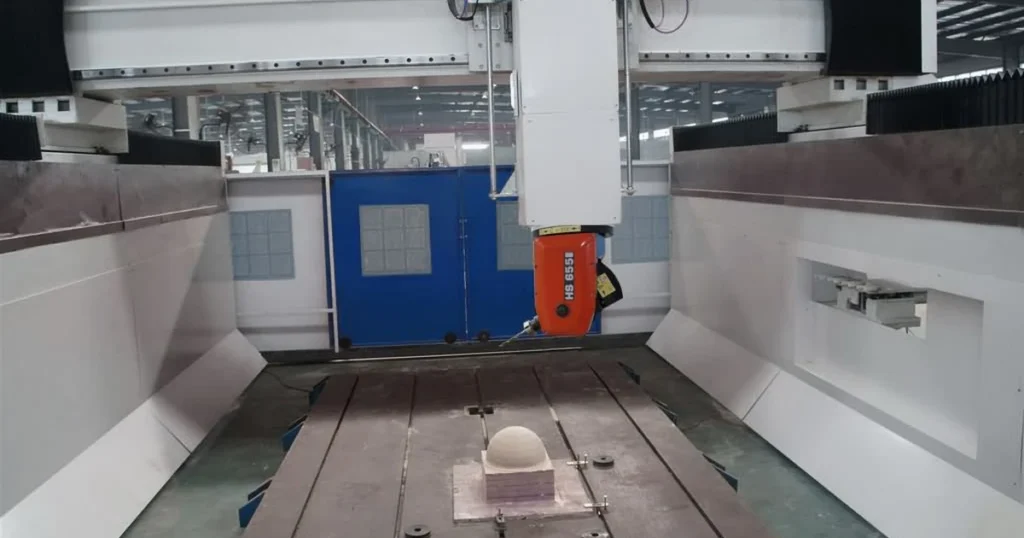
Master 5-axis CNC machining with our in-depth engineering guide. Compare 3+2 vs simultaneous motion, evaluate machine costs, tolerances, and design rules to optimize your parts. Request a quote from Lava3DP today.
When manufacturing complex geometries, tight tolerances, and organic surfaces, traditional 3-axis equipment often falls short. Single-setup machining on multi-axis equipment solves these production hurdles by allowing cutting tools to access five sides of a workpiece in a single operational step.
What Is a 5 Axis CNC Machine?
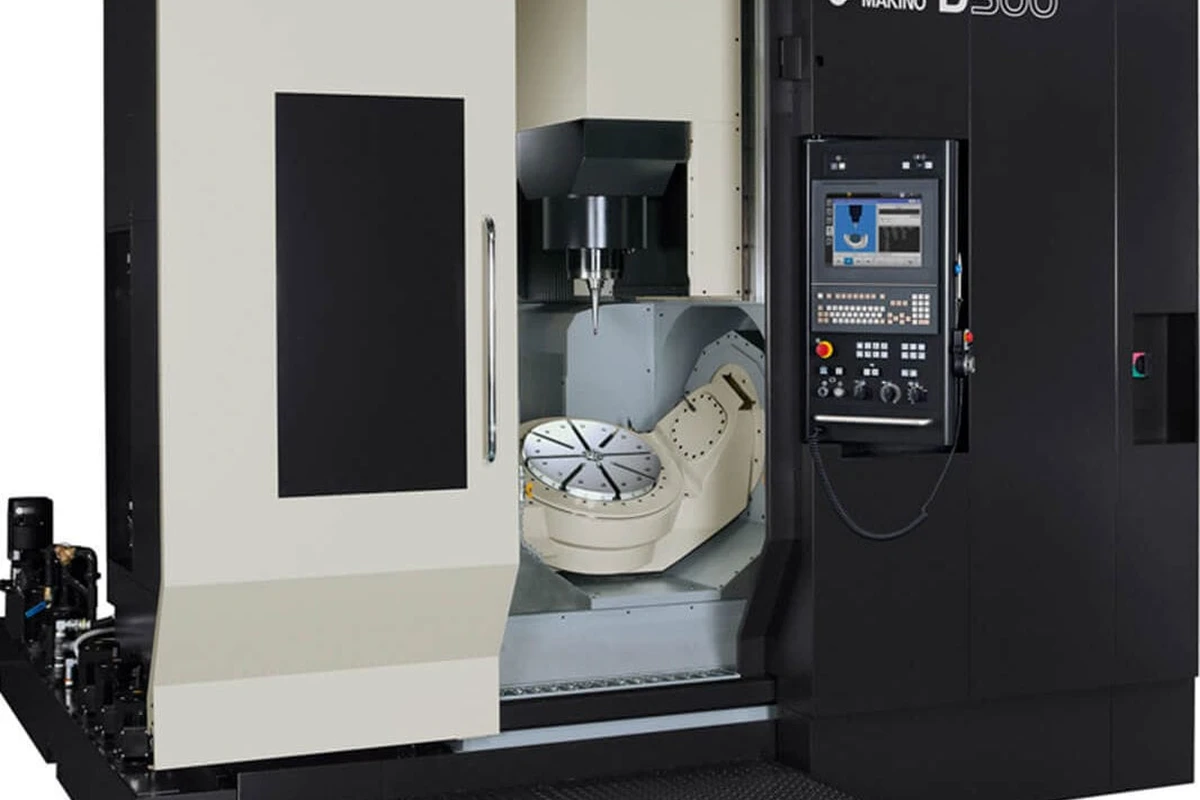
A 5 Axis CNC Machine is an advanced subtractive manufacturing system that moves a cutting tool or part across five distinct axes simultaneously. Unlike standard mills that move along linear directions, a multi-axis system introduces rotary axes. This allows the spindle to maintain an optimal cutting angle relative to the part surface throughout the entire cutting sequence.
Understanding what is a 5 axis CNC machine comes down to geometry and movement control. By adding two rotational axes to the three standard linear axes, a single 5 axis machining center can produce deep pockets, undercuts, and compound angles without relocating the stock. Modern machine shops rely on the CNC 5 axis machine for parts that would otherwise require multiple specialized fixtures and manual repositioning.
How Does a 5 Axis CNC Machine Work?
To understand how does a 5 axis CNC machine work, you must look at how digital instructions translate into physical movement. A Computer Numerical Control (CNC) unit reads G-code generated by computer-aided manufacturing (CAM) software. This code controls linear drives and rotary motors at the same time.
The machine adjusts the tool angle in real time to match the workpiece contour. This dynamic movement reduces tool chatter, allows shorter cutting tools, and speeds up the 5 axis CNC machining process.
What Are the Five Axes in CNC Machining?
The movement relies on a Cartesian coordinate system combined with rotational axes:
- X Axis: Linear movement left and right (horizontal plane).
- Y Axis: Linear movement forward and backward (horizontal plane).
- Z Axis: Linear movement up and down (vertical plane).
- A Axis: Rotation around the X-axis.
- B Axis: Rotation around the Y-axis.
- C Axis: Rotation around the Z-axis.
In a standard 5 axis CNC machine axes setup, the controller utilizes X, Y, Z plus two of the three rotational axes (A/B, A/C, or B/C) depending on the structural layout. This configuration establishes a versatile 5 axis CNC coordinate system capable of reaching virtually any angle on a workpiece.
3+2 Axis vs Simultaneous 5 Axis Machining
When evaluating 3+2 vs 5 axis machining, positional cutting works best for prismatic components requiring multi-sided pocketing. Continuous motion is required for sculptured, organic surfaces where smooth transitions are critical. Deciding between 5 axis CNC vs 3+2 depends on part geometry, required surface roughness, and tool path clearance.
How Does 5 Axis CNC Machining Work?
Executing successful 5-Axis CNC Machining requires coordinated software workflows, accurate toolpath calculation, and rigid workholding. Understanding how does 5 axis CNC machining work across the digital-to-physical pipeline helps engineers design better parts and select the right production strategy.
CAD Model and CAM Programming
The workflow begins in 3D CAD software where engineers design solid models. Translating these models into custom 5 axis CNC machining instructions requires sophisticated CAM software. Programmers define stock boundaries, select cutting tools, set spindle speeds, and establish vector trajectories for every tool motion.
Toolpath Generation and Tool Orientation
In multi-axis CNC machining, toolpath generation must account for both tool location and tool orientation vectors. The CAM software calculates continuous spindle tilt angles to maintain optimal chip load while avoiding collisions between the spindle head, workpiece, and fixture clamps. Proper tool orientation allows machinists to use shorter, stiffer end mills, which reduces vibration and improves accuracy.
Multi-Axis Cutting and Workholding
Once programmed, the G-code transfers to the machine controller. During 5 axis CNC milling, workholding must secure the raw block while providing tool clearance on five sides. Specialized dovetail vices, zero-point clamping systems, and vacuum chucks keep the part stable against heavy cutting forces without obstructing spindle movement.
Inspection and Quality Control
After machining, precision machined parts undergo strict quality verification. Automated Coordinate Measuring Machines (CMM) and optical 3D scanners verify geometric dimensions and tolerances (GD&T). Checking hole locations, true position, and surface profiles ensures every component meets design specs.
Types of 5 Axis CNC Machines
Machinists select 5 axis CNC machine types based on part size, material weight, and geometric requirements. The physical architecture dictates weight capacity, machine rigidity, and dynamic speed.
| Machine Configuration | Primary Rotary Axes | Best For | Main Advantage |
|---|---|---|---|
| Trunnion-Style | Table rotates (A/C or B/C) | Heavy aluminum and steel blocks, compact parts | Excellent tilt range, rigid table support |
| Swivel-Head | Spindle rotates (A/B or B/C) | Large, heavy components, structural aerospace skins | Table holds heavy stock; spindle takes full movement |
| Head-Table (Hybrid) | Spindle tilts, Table rotates | Long shafts, deep-cavity dies, complex engine blocks | Balanced mass distribution and smooth motion |
Trunnion-Style 5 Axis Machines
In a trunnion design, the two rotational axes sit within the worktable. The table tilts along the A or B axis and rotates 360 degrees around the C axis. Using a trunnion-style 5 axis CNC mill provides excellent undercut access and a wide tilt range, making it popular for small to medium-sized precision parts.
Swivel-Head 5 Axis Machines
Swivel-head machines place both rotational movements in the spindle head. Because the table stays flat or moves along linear axes, it can support heavy, oversized raw stock without straining the rotary drives. Engineers choosing a swivel-head setup for 5 axis machining often work on massive aerospace structures or heavy dies.
Head-Table 5 Axis Machining Centers
Head-table configurations divide the rotational responsibility. The spindle head tilts along one axis (such as B), while the table rotates along another (such as C). This hybrid structure offers balanced dynamic performance and high versatility across diverse 5 axis CNC machine capabilities.
Related: Rapid Tooling: Complete Guide to Prototype Tooling, Bridge Molds & Rapid Injection Molding (2026)
5 Axis CNC vs 3 Axis CNC Machining
Comparing 3 axis vs 5 axis CNC reveals distinct trade-offs in setup time, tooling requirements, and initial investment.
| Machining Type | Tool Movement | Key Note |
|---|---|---|
| 3-Axis Machining | Tool moves X, Y, Z | Requires multiple manual reclamps for multi-sided parts |
| 5-Axis Machining | Tool moves X,Y,Z + rotates A/B/C | Single setup for complex multi-sided parts |
Key Differences in Machine Movement
A 3-axis machine cuts along X, Y, and Z vectors. A 4-axis machine adds one rotary axis (typically A or C). When evaluating 4 axis vs 5 axis CNC or 3 axis vs 4 axis vs 5 axis CNC, the primary distinction is tool alignment. 5-axis systems continuously adjust the tool angle to maintain perpendicular contact with contoured surfaces, whereas 3- and 4-axis systems face strict rotational limits.
Accuracy, Setup Time and Part Complexity
- Setup Reduction: Evaluating 5 axis vs 3 axis machining highlights setup savings. Machining a six-sided block on a 3-axis mill requires up to six setups with custom fixtures. A multi-axis center completes the job in one or two setups.
- Cumulative Error: Every manual repointing step introduces positioning errors. Minimizing setups directly improves overall 5 axis CNC machining accuracy.
When Is 5 Axis Machining Better Than 3 Axis?
Choosing 5 axis CNC vs 3 axis CNC comes down to part geometry. If a part features angled holes, organic surface curves, deep pockets, or multi-sided features, multi-axis milling is far more efficient. It eliminates compound fixtures and reduces cycle times.
Benefits of 5 Axis CNC Machining
Adopting multi-axis production delivers tangible 5 axis CNC machining benefits for precision manufacturing teams.
Fewer Setups and Reduced Handling
The primary operational advantage is completing complex parts in single-setup operations (often called “Done-in-One”). Reducing manual handling shortens lead times, slashes fixture budgets, and eliminates alignment errors caused by operator repointing when producing custom machined parts.
Machining Complex Geometries
Multi-axis movement enables the creation of organic shapes, deep contours, undercuts, and steep angles that are impossible on standard 3-axis mills. This flexibility allows engineers to consolidate multi-piece assemblies into single, lightweight structural components.
Improved Surface Finish and Tool Access
By dynamically tilting the spindle, the cutting tool maintains its optimal contact angle and cutting speed at the tip. Machinists can run shorter, thicker tools to minimize deflection and chatter. Choosing modern CNC milling services with multi-axis capabilities yields superior surface finishes that reduce or eliminate post-process hand polishing.
Higher Production Efficiency
Shorter cycle times, faster chip removal rates, and streamlined setups increase throughput. Factories run production CNC machining runs with minimal downtime, lowering per-part labor costs on complex components.
What Parts Can Be Made With 5 Axis CNC Machining?
Multi-axis equipment supports demanding industrial 5 axis CNC machining applications where part failure is not an option.
Aerospace and Automotive Components
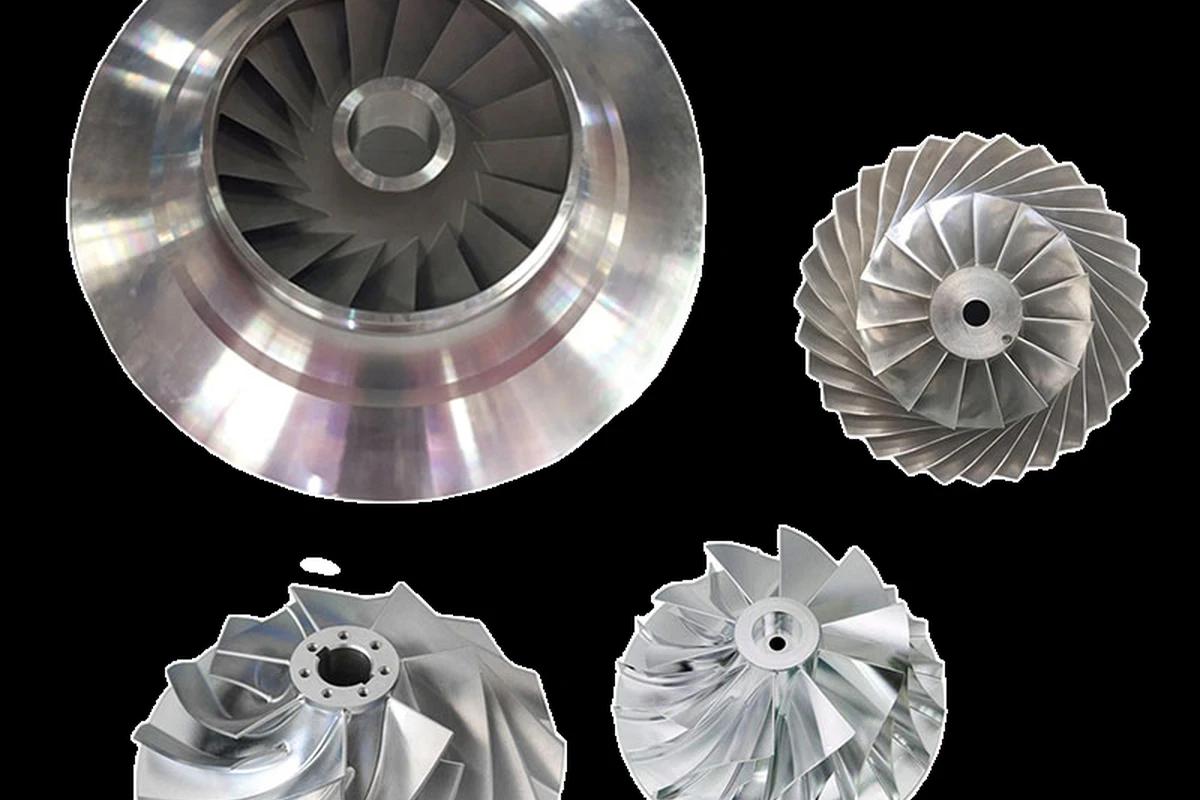
Flight-critical hardware requires high strength-to-weight ratios and strict tolerances. 5 axis CNC machining for aerospace parts includes turbine blades, structural airframe ribs, engine mounts, and fuel nozzles. In automotive plants, multi-axis centers process custom engine blocks, turbochargers, and high-performance drive components, making CNC machining for aerospace and CNC machining for automotive key growth drivers.
Medical and Robotics Components
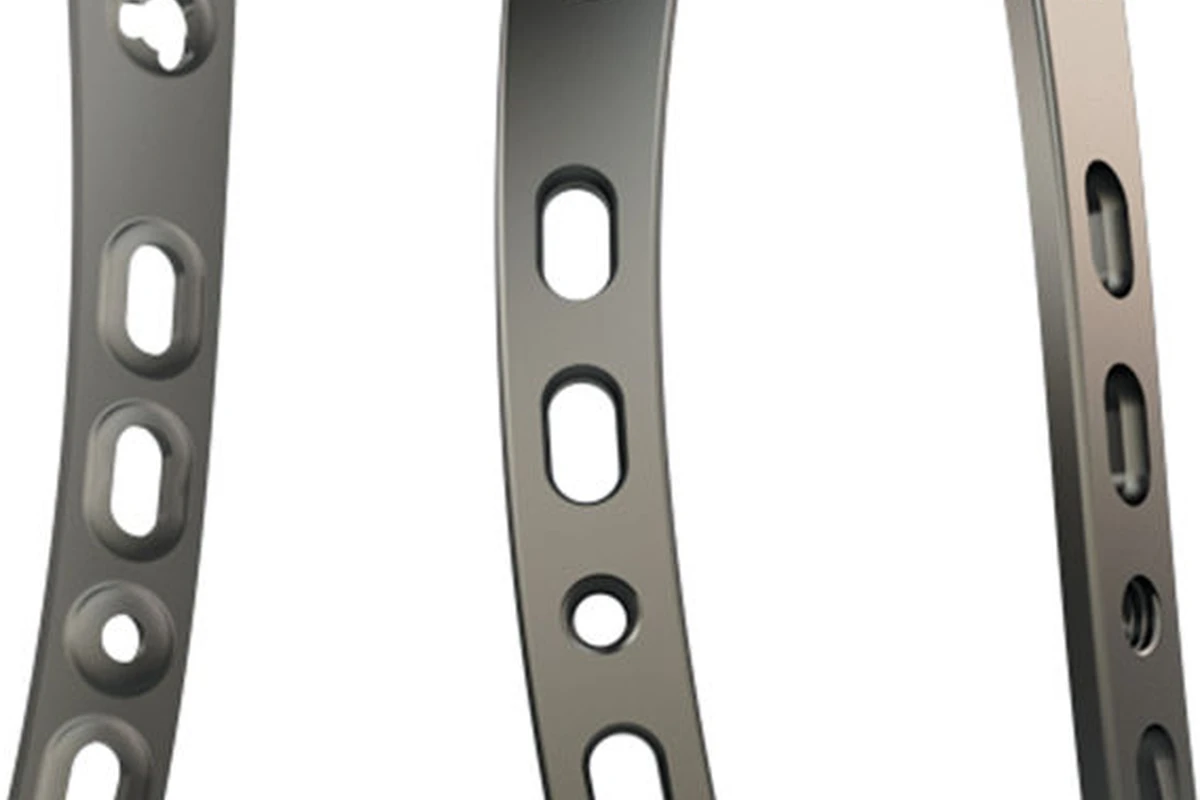
Biomedical devices feature organic, compound shapes tailored to human anatomy. Using 5 axis CNC machining for medical parts allows manufacturers to produce orthopedic joint implants, bone plates, surgical instruments, and prosthetic housings. Similarly, multi-axis equipment produces lightweight robotic arms, sensor brackets, and joint housings using CNC machining for medical devices and CNC machining for robotics.
Complex Prototypes and Engineering Parts
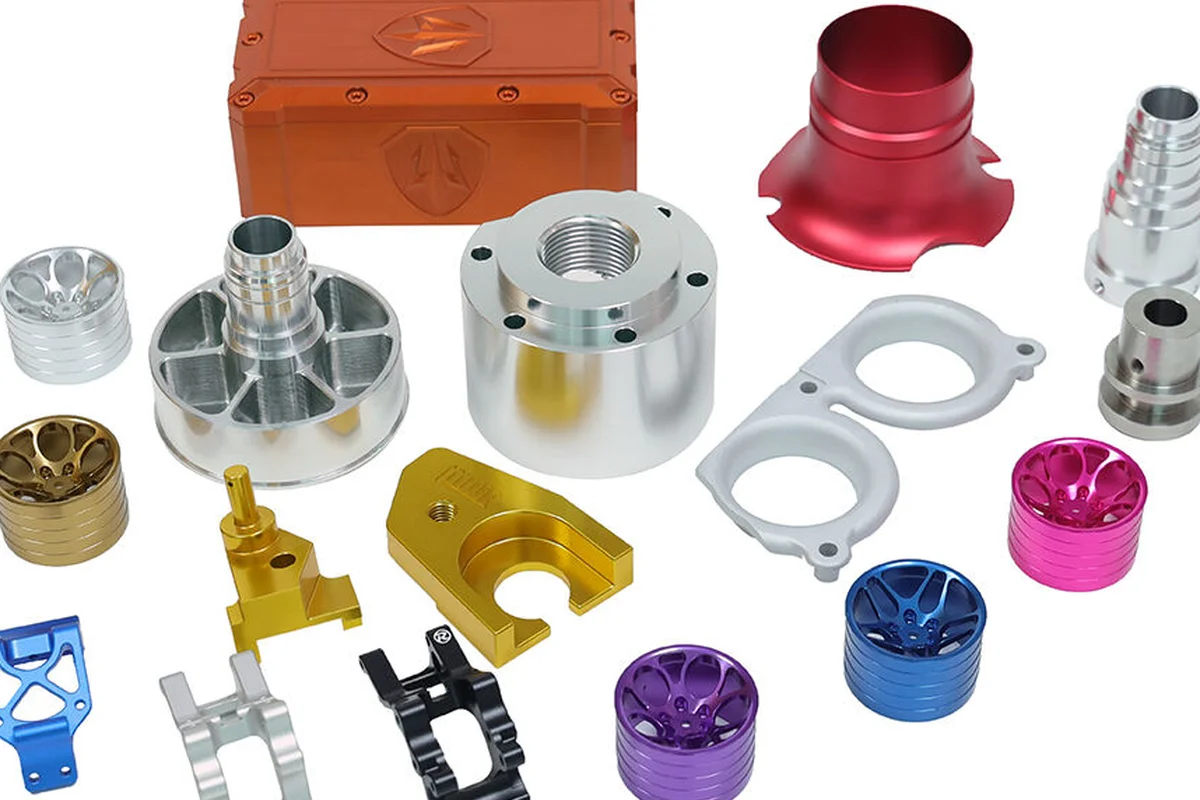
Engineers relying on 5 axis CNC machining for prototypes can test functional metal parts quickly. Producing high-precision engineering prototypes in real production alloys ensures accurate performance data before full-scale manufacturing. Fast turnaround makes CNC prototype machining a cornerstone of modern product development.
Molds, Dies, Impellers and Blades
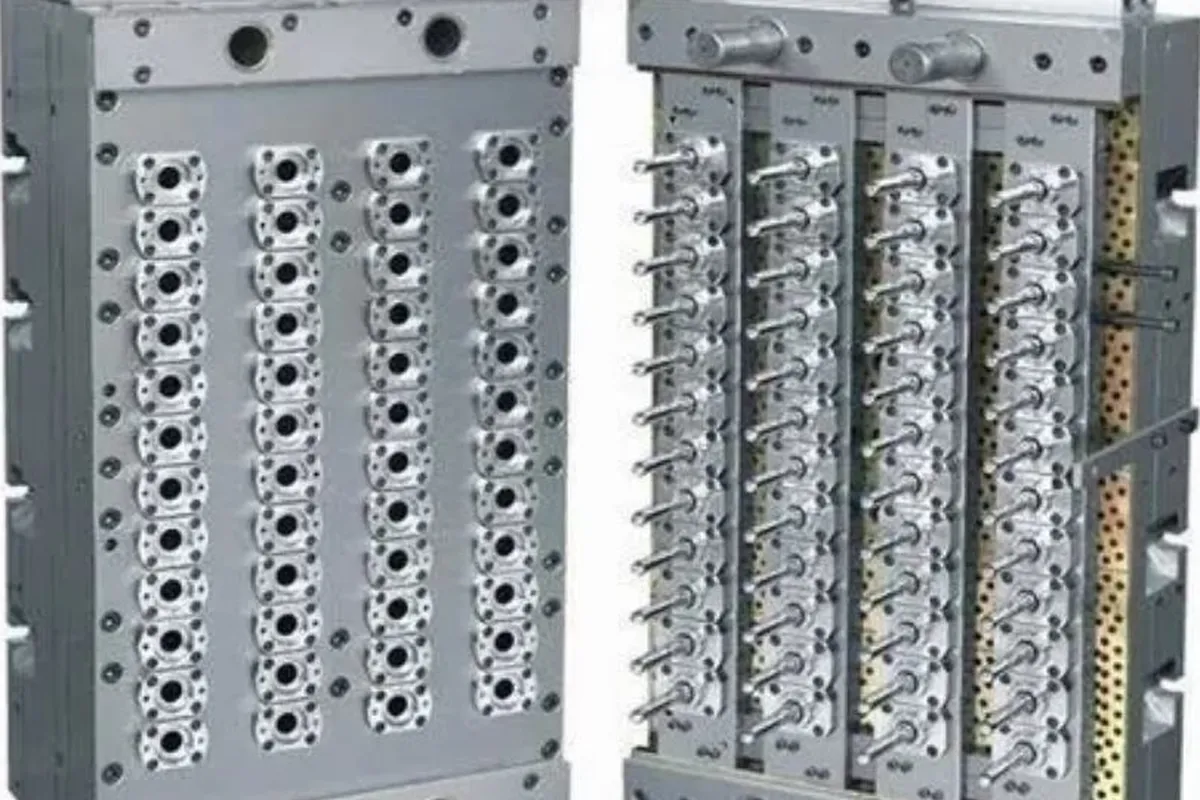
Manufacturing deep-cavity molds, injection tooling, fluid impellers, and compressor rotors demands smooth, continuous tool paths. Machining these features on a single setup with CNC machining for molds and dies guarantees geometric alignment and high surface fidelity across deep cavities.
Materials for 5 Axis CNC Machining
Selecting the right material affects tool life, cutting speed, and overall costs. Multi-axis centers process a wide spectrum of metals and engineering polymers.
Aluminum and Aluminum Alloys
- Common Grades: 6061-T6, 7075-T6, 2024-T3, 5052.
- Characteristics: Lightweight, easily machined, excellent thermal conductivity, highly cost-effective.
- Applications: Aerospace structures, automotive brackets, heat sinks, electronic enclosures.
- Process: aluminum CNC machining.
Stainless Steel and Carbon Steel
- Common Grades: 304, 316L, 17-4 PH, 4140, 1018.
- Characteristics: High tensile strength, corrosion resistance, high wear resistance, tougher on cutting tools.
- Applications: Marine fittings, oil and gas valves, surgical gear, structural shafts.
- Processes: stainless steel CNC machining and steel CNC machining.
Titanium and Other Metal Alloys
- Common Grades: Grade 5 (Ti-6Al-4V), Grade 2, Inconel 718, Hastelloy.
- Characteristics: Extreme strength-to-weight ratio, high temperature tolerance, excellent biocompatibility.
- Applications: Jet engine components, orthopedic implants, deep-sea sensor housings.
- Process: titanium CNC machining.
Brass and Copper
- Common Grades: C360 Brass, C110 Copper, Beryllium Copper.
- Characteristics: Excellent electrical conductivity, low friction coefficient, high aesthetic appeal, rapid machinability.
- Applications: Electrical terminals, fluid connectors, heat exchangers, decorative hardware.
- Process: brass CNC machining.
Engineering Plastics
- Common Polymers: PEEK, Delrin (POM), PTFE (Teflon), ABS, Nylon (PA6/PA66), Polycarbonate (PC).
- Characteristics: Non-conductive, lightweight, chemical resistant, low friction.
- Applications: Insulators, fluid manifolds, seal rings, prototype housings.
- Process: plastic CNC machining.
Related: Insert Molding: Complete Design Guide, Process, Materials, Advantages & Cost (2026)
5 Axis CNC Machining Tolerances and Accuracy
Maintaining tight geometric dimensions requires high-end equipment, thermal stability, and skilled CAM programming. Achieving accurate 5 axis CNC machining tolerances demands strict process control.
Typical CNC Machining Tolerances
Standard, precision, and ultra-precision tolerance tiers vary based on machine quality and material choices:
| Accuracy Tier | Linear Tolerance | Angular Tolerance | Primary Applications |
|---|---|---|---|
| Standard | +/- 0.005 in (0.127 mm) | +/- 0.5 degrees | Enclosures, mounting brackets, rapid models |
| Precision | +/- 0.001 in (0.025 mm) | +/- 0.1 degrees | Aerospace housings, engine parts, automotive hubs |
| Tight Tolerance | +/- 0.0002 in (0.005 mm) | +/- 0.02 degrees | Medical implants, high-rpm impellers, bearing fits |
Operating high-end equipment enables reliable tight tolerance CNC machining and precision CNC machining on production runs.
Factors That Affect CNC Accuracy
- Thermal Expansion: Machine spindles and metal workpieces expand with temperature swings. Climate-controlled shop environments prevent dimensional drift.
- Tool Deflection: Long cutting tools bend under heavy cutting forces. Using shorter tools angled via multi-axis motion keeps tool deflection minimal.
- Machine Kinematics: Calibration of rotary centers and ball-bar testing ensure accurate spatial positioning during precision 5 axis CNC machining.
Surface Finish and Dimensional Inspection
Multi-axis cutting maintains a consistent tool-to-workpiece contact angle, achieving smooth surface finishes as fine as Ra 0.8 um (32 uin) directly off the mill. Shops verify these surfaces using contact profilometers and laser scanners. Modern custom CNC machining partners deliver comprehensive CMM inspection reports to validate tight tolerances.
How Much Does 5 Axis CNC Machining Cost?
Understanding the variables driving 5 axis CNC machining cost helps engineers control production expenses.
Factors That Affect 5 Axis CNC Machining Cost
Machining costs depend on hourly shop rates, toolwear, programming time, and setup overhead. Running a 5 axis CNC machining service requires substantial equipment investments, which raises hourly rates compared to basic 3-axis equipment.
Material, Part Complexity and Machining Time
Machining tough metals like titanium or Inconel requires slower feed rates, frequent tool changes, and longer cycle times. Complex geometric features require longer CAM programming hours, which increases overall unit prices on low volume CNC machining orders.
Tolerances, Finishing and Quantity
Tight tolerances (+/- 0.0002 in) require specialized inspection, slower cutting speeds, and secondary finishing operations like anodizing, passivating, or electroplating. Ordering larger production quantities spreads fixed programming and setup costs across more parts, dramatically lowering unit costs for custom 5 axis CNC parts.
5 Axis CNC vs 3 Axis Cost Considerations
While a multi-axis center carries a higher hourly rate, it often costs less overall for complex parts. Eliminating 4 to 5 manual setups, reducing custom fixture fabrication, and shortening total machining time frequently offsets the higher equipment rate of a 5 Axis CNC Machine.
When Should You Use 5 Axis CNC Machining?
Determining when to select 5-Axis CNC Machining over conventional methods comes down to evaluating part features, volume, and budget limits.
Complex and Multi-Sided Parts
When a component features detail on five or six sides, or requires angled holes and compound bevels, multi-axis milling is the clear winner. Completing the part in a single setup keeps features aligned and cuts total handling time.
Tight-Tolerance Components
Parts requiring precise true position or tight concentricity across multiple faces benefit directly from single-setup machining. Eliminating fixture changes avoids cumulative positioning errors.
Prototypes and Low-Volume Production
When producing small batches without custom fixtures, multi-axis centers streamline operations. Operators use standard modular vices to hold raw stock, speeding up delivery for functional prototypes.
When 3 Axis CNC Machining May Be More Economical
Simple planar parts—such as flat plates, simple bracket shapes, or parts requiring cuts from a single direction—should stay on 3-axis equipment. Using multi-axis centers for simple geometries adds unnecessary machine hourly costs without adding value.
Related: The Ultimate Guide to Rapid Prototyping: Processes, Materials, Costs & Applications (2026)
5 Axis CNC Machining Design Guidelines
| OPTIMIZED DFM DESIGN | |
|---|---|
| Design Rule | Requirement |
| Internal Corners | Radius >= 1/3 Pocket Depth |
| Max Wall Aspect Ratio | Depth <= 8x Thickness |
| Standard Hole Sizes | Match Standard Drill Bits |
| Tool Access | Maintain 15-30 deg Clearance Cone |
Design for Tool Accessibility
- Ensure clear line-of-sight access for cutting tools at angled orientations.
- Maintain a 15 to 30-degree clearance cone around angled features so the spindle head avoids collisions with part walls or vice jaws.
Optimize Walls, Cavities and Features
- Internal Radii: Avoid sharp 90-degree internal corners. Specify corner radii equal to or larger than 1/3 of the pocket depth so standard end mills can machine them cleanly.
- Deep Pockets: Keep pocket depth under 4x the tool diameter to avoid chatter and tool breakage.
- Thin Walls: Keep metal wall thicknesses above 0.8 mm (0.030 in) and plastic walls above 1.5 mm (0.060 in) to prevent deflection under cutting loads.
Specify Realistic Tolerances
Only apply tight tolerances (+/- 0.001 in or tighter) to critical mating features, bearing bores, and alignment locations. Applying tight tolerances across non-critical cosmetic surfaces raises cycle times and inspection costs unnecessarily.
Design for Efficient Workholding
Include flat parallel surfaces, dovetail prep, or threaded mounting points on your raw stock model. Giving machinists clean workholding features simplifies setup, improves part rigidity, and speeds up overall cycle times.
5 Axis CNC Machining Services From Lava3DP
Lava3DP operates an advanced online 5 axis CNC machining service designed for rapid prototyping and full-scale manufacturing. By blending state-of-the-art multi-axis centers with automated DFM analysis, Lava3DP delivers high-precision parts to engineers worldwide.
Custom CNC Machining for Prototypes and Production
Lava3DP provides scalable CNC machining services for single prototypes and large production runs. Our multi-axis centers deliver high geometric accuracy, quick turnaround times, and reliable quality control across every batch.
Precision Machining for Complex Components
Equipped with high-precision trunnion and swivel-head machining centers, Lava3DP produces aerospace impellers, medical implants, robotic joints, and complex automotive housings. We maintain tight tolerances and high surface quality standards across every job.
Metal and Plastic CNC Machining Options
Lava3DP processes over 50 engineering metals and polymers, including aluminum alloys, titanium, stainless steel, brass, PEEK, and Delrin. Every material shipment includes material test certificates (MTC) and full lot traceability.
CNC Machining Combined With 3D Printing and Other Manufacturing Processes
To optimize production budgets, Lava3DP combines multi-axis milling with additive manufacturing. We 3D-print rough near-net shape blanks in metal or high-strength plastics, then use multi-axis milling on critical mating surfaces and tight-tolerance bores, drastically lowering material waste.
Other Manufacturing Services Available From Lava3DP
Lava3DP provides a complete suite of rapid manufacturing services to support every stage of product development.
3D Printing for Rapid Prototyping
Industrial 3D printing technologies—including Selective Laser Sintering (SLS), Stereolithography (SLA), and Direct Metal Laser Sintering (DMLS)—deliver quick visual models and lightweight functional parts without tooling investment.
Injection Molding for Production Parts
For high-volume polymer production, Lava3DP offers custom injection molding services. We cut high-precision steel and aluminum molds using multi-axis mills, delivering consistent plastic parts at scale.
Vacuum Casting for Low-Volume Components
Vacuum casting (polyurethane casting) bridges the gap between 3D printing and production injection molding. Using high-detail silicone molds, this process yields 10 to 50 functional plastic parts with production-grade surface finishes.
Laser Cutting and Other Manufacturing Processes
Lava3DP provides precision sheet metal fabrication, fiber laser cutting, CNC turning, wire EDM, and secondary surface finishing (anodizing, powder coating, bead blasting, and plating) for complete end-to-end manufacturing solutions.
How to Order Custom 5 Axis CNC Machined Parts
Ordering high-precision components through Lava3DP is simple, fast, and fully digitized.
| Step | Action |
|---|---|
| Step 1 | Upload CAD File |
| Step 2 | Select Material & Finish |
| Step 3 | Instant Quote & DFM |
| Step 4 | Production & Delivery |
Upload Your CAD File
Upload your 3D CAD files (STEP, IGES, or SOLIDWORKS format) alongside 2D technical drawings (PDF) detailing critical tolerances, threads, and surface finish specs to our secure instant quoting portal.
Select Material, Quantity and Finishing
Choose your target material, production volume, lead time, and post-processing steps (e.g., anodizing, heat treatment, passivating, or electropolishing).
Review Pricing and Manufacturing Requirements
Our automated engine analyzes your CAD geometry, checks feature accessibility, evaluates DFM constraints, and generates an instant quote with clear lead times.
Production, Inspection and Global Delivery
Once confirmed, our engineers review the CAM toolpaths, setup the machines, and execute production. Parts pass CMM inspection, receive full QC documentation, and ship directly to your facility via global express freight.
Ready to Manufacturing with LAVA3dp?
Upload your CAD file today and receive instant pricing, expert engineering support, fast production, and worldwide delivery.
Get an Instant Quote →Final Thoughts on 5 Axis CNC Machining
5-Axis CNC Machining has transformed how modern engineers produce complex, high-precision metal and plastic components. By eliminating extra setups, reducing custom workholding costs, and maintaining optimal tool orientation, a single 5 Axis CNC Machine delivers unmatched quality and geometric versatility.
Whether you need lightweight aerospace brackets, biomedical implants, or high-performance prototypes, multi-axis manufacturing offers the fastest path from CAD design to high-precision physical parts.
Frequently Asked Questions
01 What is a 5 axis CNC machine?
A multi-axis machine tool that moves a cutting bit along three linear axes (X, Y, Z) while rotating around two additional axes (A, B, or C) simultaneously. This setup allows the tool to approach the workpiece from any angle in a single setup.
02 What is the difference between 3 axis and 5 axis CNC machining?
3-axis machines move cutting tools in three linear directions (X, Y, Z), requiring operators to manually reposition the workpiece for multi-sided cuts. Multi-axis machines add two rotational axes, allowing the spindle to access five sides of a part without manual repositioning.
03 Is 5 axis CNC machining more expensive?
Multi-axis machines carry higher hourly operational rates than standard 3-axis mills due to equipment investment costs. However, for complex or multi-sided parts, multi-axis milling often costs less overall by eliminating setup labor, custom fixtures, and positioning errors.
04 What materials can be machined with a 5 axis CNC machine?
Multi-axis centers process virtually any machinable material, including aluminum alloys, stainless steel, titanium, brass, carbon steel, copper, and engineering plastics such as PEEK, Delrin, Nylon, and Polycarbonate.
05 What is the difference between 3+2 and simultaneous 5 axis machining?
In 3+2 axis machining, the machine rotates and locks the workpiece at fixed tilt angles before execution. In continuous 5-axis machining, all five linear and rotational axes move concurrently during the cut, enabling smooth sculptured surface contours.
06 When should I choose 5 axis CNC machining?
Choose multi-axis machining when your parts feature multi-sided features, organic surface curves, angled holes, deep cavities, or tight tolerances that require single-setup precision.