

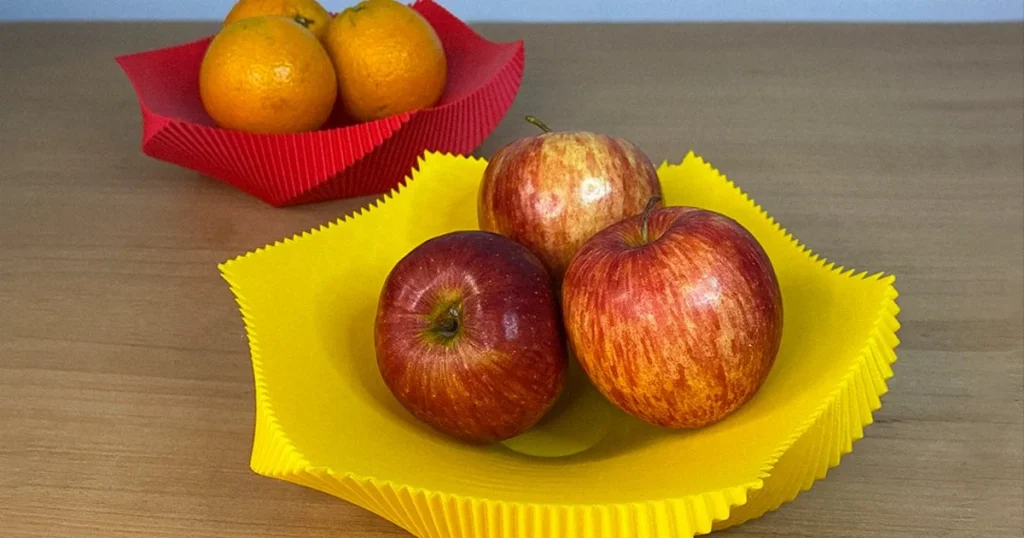
Is PLA food safe for your kitchen projects or 3D printing business? Read our unbiased, data-backed 2026 guide to uncover the truth about PLA toxicity, FDA compliance, and how to safely seal your prints today.
The 3D printing community has a long-standing obsession with polylactic acid (PLA). It is cheap, incredibly easy to print, and smells faintly of sweet corn candy when melting. Walk into any maker space, and you will find shelves lined with PLA kitchen accessories, custom-shaped citrus juicers, and personalized cookie cutters.
But a shadow hangs over these kitchen creations. If you ask a dozen makers whether PLA is actually food safe, you will get twelve different answers. Some will claim they have been drinking coffee out of a 3D-printed mug for years with zero issues. Others will warn you that doing so is a fast track to bacterial contamination.
To understand whether is pla safe for food, we must look past the marketing buzzwords of bioplastics and look closely at the science of additive manufacturing, material chemistry, and federal regulations.
What Is PLA Filament?
Polylactic acid, commonly known as PLA, is a thermoplastic aliphatic polyester derived from renewable resources like corn starch, tapioca roots, or sugarcane. Unlike traditional petroleum-based plastics such as ABS or polystyrene, PLA is celebrated for its lower environmental footprint.
In the manufacturing world, pure polylactic acid food safe properties are well-documented. Raw, virgin PLA resin is frequently used in eco-friendly food packaging, clear disposable cups, and tea bags. It is naturally translucent and behaves predictably under standard industrial thermoforming processes.
However, the spool of food safe PLA sitting on your 3D printer rack is not virgin resin.
Is PLA Naturally Food Safe?
In its purest form, yes. The United States Food and Drug Administration (FDA) recognizes virgin polylactic acid as Generally Recognized as Safe (GRAS) for food-contact applications. It meets basic FDA compliance guidelines because the polymer itself does not leach dangerous levels of toxins into food at room temperature.
The trouble begins when we pivot from industrial manufacturing to desktop additive manufacturing.
Related: Best Glue for PLA: Top Adhesives for Strong 3D Printed Parts in 2026
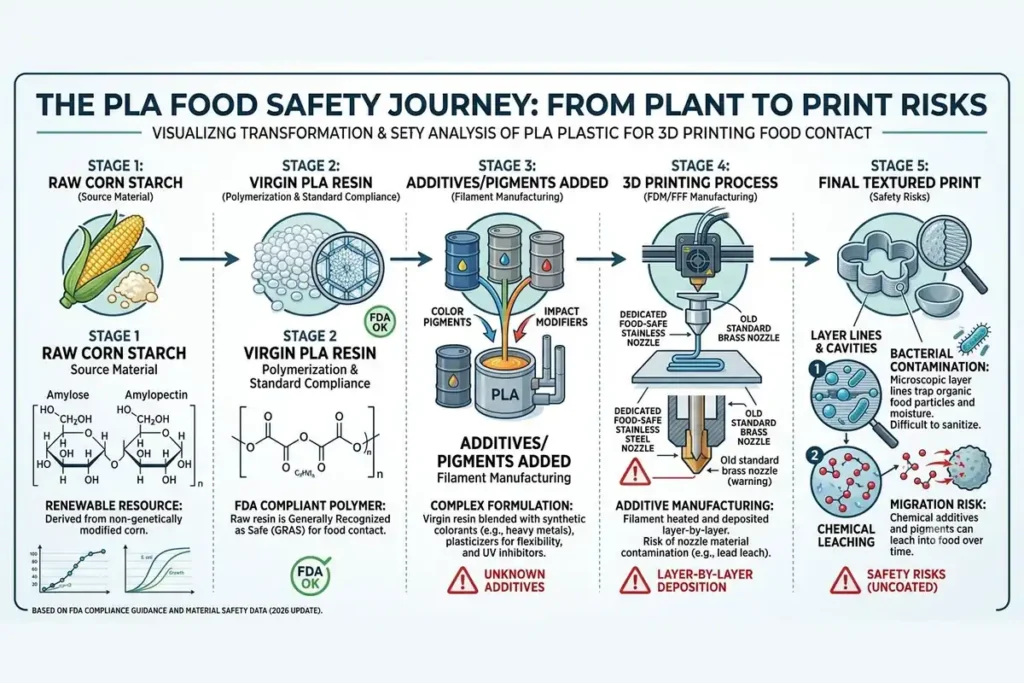
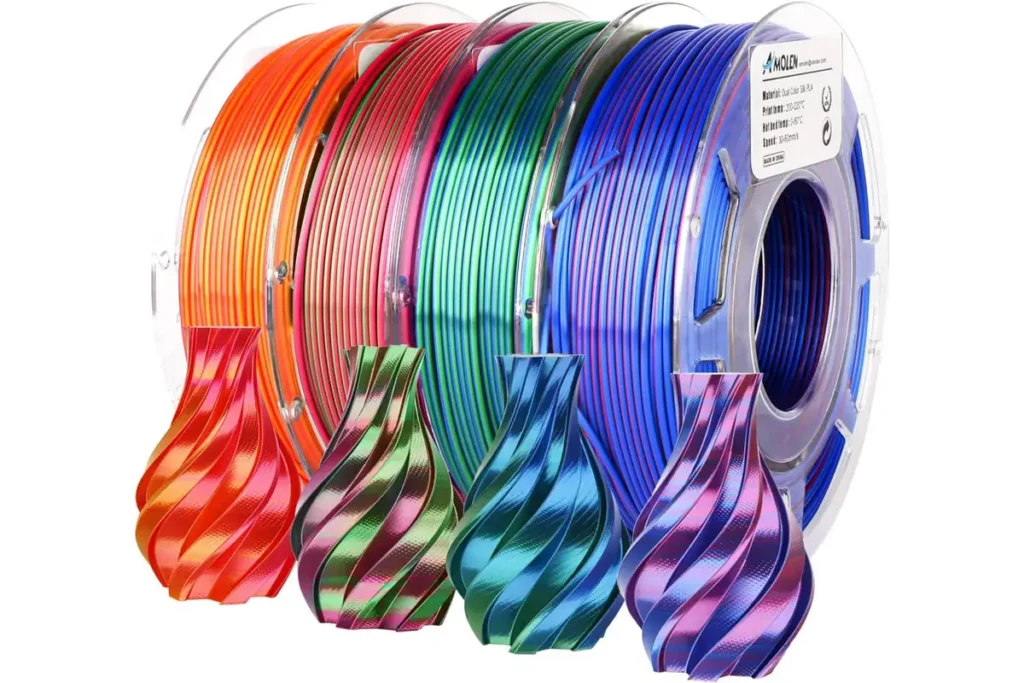
When you buy standard 3D printer filament, you rarely receive a certificate of material safety or a breakdown of the chemical pigments used. Many cheap spools rely on heavy metal colorants, including lead or cadmium, to achieve bright yellows, reds, and oranges. Therefore, even if the base plastic is harmless, the color additives can easily disqualify it from being a true food contact safe filament.
Why Most PLA Prints Are Not Considered Food Safe
If you take a certified food-grade plastic like a kitchen cutting board and run it through a 3D printer, it loses its food-safe status almost instantly. Three major factors explain why raw PLA filament food safe claims fall apart the moment the model prints.
1. Do Layer Lines Harbor Bacteria?
The defining characteristic of FDM 3D printing is the layer-by-layer deposition of plastic. These microscopic layer lines create a deeply textured surface filled with tiny ridges, valleys, and crevices.
When you use an unsealed print around food, microscopic organic particles from milk, dough, or meat get trapped inside these microscopic grooves. Standard dishwashing cannot reach into these deep crevices. Over time, this trapped moisture and organic matter trigger rapid bacterial contamination and microbial growth. You cannot simply scrub these spaces clean with a sponge.
2. The Trap of Nozzle Contamination
Your printer hardware introduces its own risks. Most desktop 3D printers ship with a standard brass nozzle. Brass is an alloy that frequently contains trace amounts of lead to make the metal easier to machine. As abrasive filament slides through the heated nozzle, it erodes microscopic amounts of brass, leading to potential lead contamination in your finished print.
Furthermore, if you previously printed a toxic material like ABS or carbon-fiber-reinforced nylon through that same nozzle, residual particles stay behind inside the hotend, contaminating your subsequent food safe 3d printing attempts.
3. PLA Toxicity and Thermal Limitations
While PLA toxicity is exceptionally low compared to plastics like polyurethane or ABS, its thermal properties are a major downside in a kitchen setting.
PLA has a remarkably low glass transition temperature, typically between 55°C and 60°C. This means that if you try to sanitize a PLA cup in a standard dishwasher or rinse it with boiling water, the plastic will soften, warp, deform, and lose its structural integrity. Because you cannot use reliable heat-based sterilization methods, maintaining proper food hygiene over multiple uses becomes nearly impossible.
Industrial vs. 3D Printed Plastics: The Safety Gap
To put this into perspective, let us look at how 3D-printed PLA stacks up against conventional kitchen plastics and alternative filaments.
| Material / Method | FDA Approval Status | Max Temperature | Main Bacterial Risk | Best Kitchen Use Case |
|---|---|---|---|---|
| Virgin Industrial PLA | Fully Compliant | ~55°C | Very Low | Single-use cold drink cups |
| Raw 3D Printed PLA | Non-Compliant | ~55°C | High (Layer Line Trapping) | Single-use cookie cutters |
| Coated 3D Printed PLA | Compliant (With food-safe epoxy) | ~50°C (Epoxy dependent) | Extremely Low | Reusable fruit bowls, trays |
| Injection Molded PETG | Fully Compliant | ~75°C | None (Smooth surface) | Food storage containers |
How to Make PLA Prints Safer for Food Contact
If you are determined to create custom kitchenware, you must change your approach to post-processing. You cannot use a raw 3D print directly out of the machine. Here is the exact blueprint to make a PLA print safe for short-term food contact.
Step 1: Upgrade Your Hardware
Ditch the standard brass nozzle. Install a high-quality stainless steel nozzle dedicated exclusively to food-contact prints. Stainless steel does not contain lead and resists abrasion, ensuring no metallic contaminants leach into your filament stream. Clean your entire hotend thoroughly before loading your filament.
Related: 10 Best Large Format 3D Printers: Features, Costs, and Top-Rated Machines in 2026
Step 2: Choose Certified Filaments
Do not buy bargain-bin spools. Look for specialty manufacturers that explicitly sell FDA approved PLA or filaments accompanied by a certified Material Safety Data Sheet (MSDS) verifying compliance with European or US food regulations. These filaments use non-toxic, organic dyes and are produced on clean, oil-free manufacturing lines.
Step 3: Apply a Food-Safe Coating for PLA
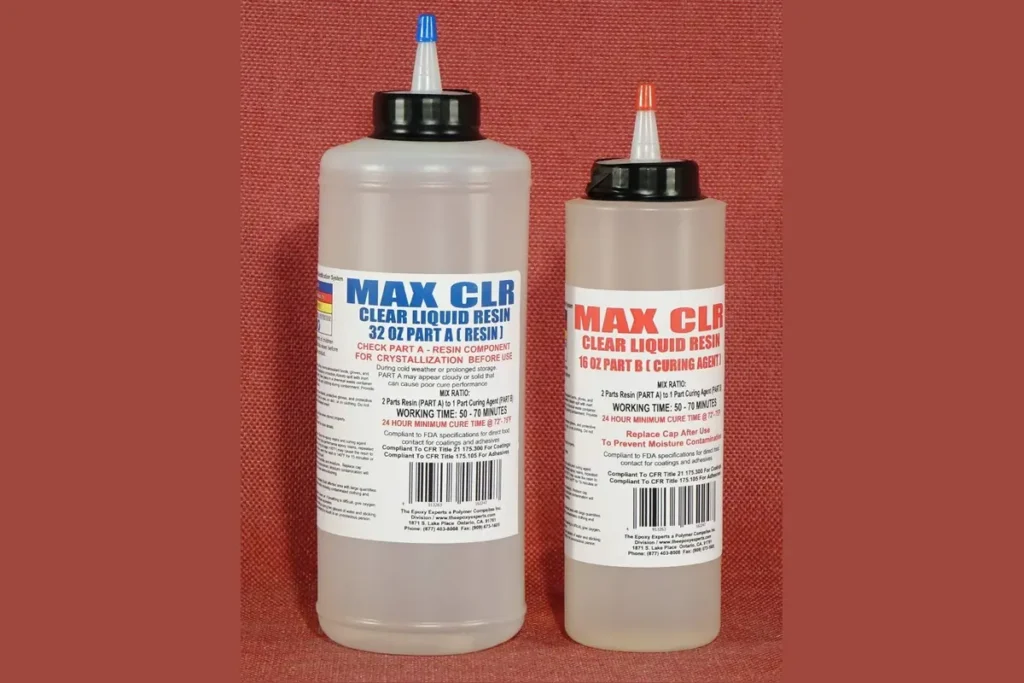
The single most effective way to eliminate the danger of layer lines is to apply a specialized food safe epoxy for 3d prints.
An epoxy coating flows into the microscopic valleys of your print, curing into a perfectly smooth, glassy, and non-porous exterior. Brand-name epoxies like Max Clear Grade or Alumilite Clear Slow are specifically formulated to meet FDA requirements for liquid and solid food contact once fully cured.
When applying epoxy, use a clean brush in a dust-free environment. Ensure the coat is perfectly even. Let it cure completely according to the manufacturer’s timeline—usually 5 to 7 days—before allowing any food to touch the surface.
PLA vs PETG vs Resin: Which Is Better for Food Applications?
PLA vs PETG Food Safe Comparison
When analyzing PLA vs PETG food safe dynamics, PETG generally wins on physical durability. PETG is tougher, more chemical-resistant, and possesses a higher heat resistance of around 75°C. This allows it to withstand warmer wash water without warping.
However, PETG suffers from the exact same structural drawback as PLA: it is still printed via FDM, meaning it features the same bacteria-trapping layer lines. PETG is a superior raw material for structural 3d printed food containers, but it still requires a food-safe sealant to be truly hygienic over long periods.
Food Safe Resin vs PLA
Liquid UV-curable photopolymer resins present an entirely different set of hazards. In the battle of food safe resin vs PLA, PLA is significantly safer out of the box.
Uncured liquid resin is highly toxic, a known allergen, and an environmental hazard. While some specialized, incredibly expensive medical-grade or dental resins exist, standard desktop SLA/LCD printing resins are absolutely not safe for food contact under any circumstances. They can leach endocrine-disrupting chemicals into liquids over time. Stick to PLA or PETG with proper coatings.
My Experience Using PLA for Food-Contact Projects
Over my decade working within the additive manufacturing landscape, I have designed and tested various custom kitchen prints, ranging from stylized cocktail strainers to intricate holiday cookie cutters.
During my early testing phase for food safe 3d printed cookie cutters, I printed a set of holiday designs using a cheap, unbranded red PLA filament. We used them to cut raw gingerbread dough, washed them by hand with warm water and soap, and stored them away in a dark drawer.
Three months later, I pulled those cutters out for a laboratory swab test. Under magnification, the interior layer lines showed clear signs of mold and heavy PLA bacteria growth. The porous structure had absorbed the fats and sugars from the raw dough, creating a perfect dark breeding ground for microbes that regular hand washing could not reach.
If you leave a PLA print raw and uncoated, treat it as a single-use disposable item. Throw it away immediately after it touches raw food dough.
Do not attempt to use raw PLA for dairy products, oils, or warm liquids. You cannot easily wash away grease from 3D printed ridges.
Even when using a food-safe coating, check the surface regularly. If the epoxy cracks, chips, or begins to peel, discard the item instantly. Bacteria will migrate straight under the compromised coating.
Final Verdict: Is PLA Plastic Food Safe to Use?
Answering whether is pla plastic food safe to use requires looking past binary “yes” or “no” answers.
Pure PLA polymer is non-toxic and fundamentally safe. However, a raw FDM 3D print is a structural hazard due to its microscopic porosity, metal nozzle contamination, unknown filament pigments, and low heat tolerance.
If you are printing a display piece like a dry fruit bowl or a single-use cookie cutter, raw PLA is acceptable. But if you intend to create reusable water cups, utensils, or long-term food storage devices, you must invest in a food-safe epoxy coating and print using a clean stainless steel nozzle. Treat your tools with care, prioritize post-processing, and never let a raw 3D print touch high-risk foods.