

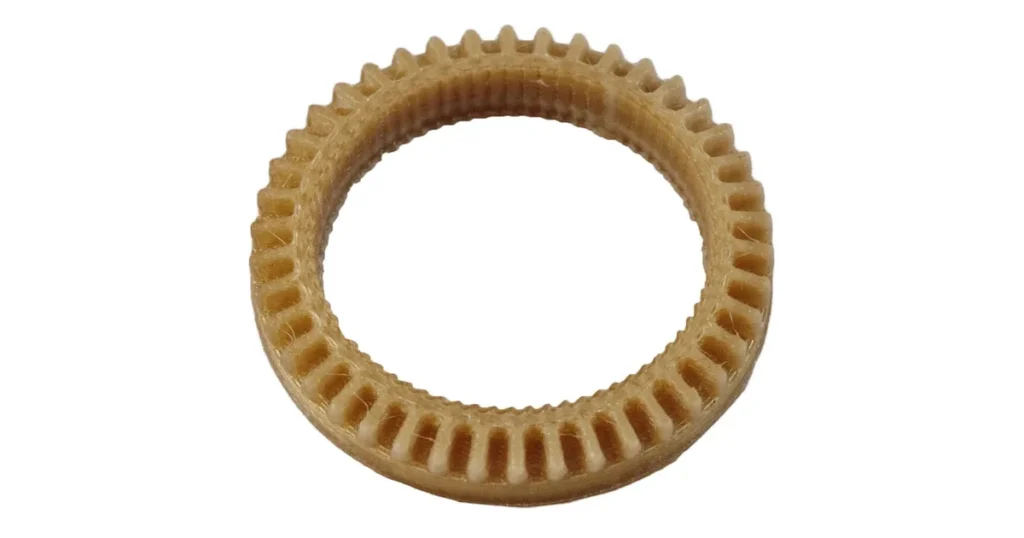
Scale production with Lava3DP’s professional industrial FDM 3D printing service. Turn CAD models into functional prototypes and high-strength end-use parts with engineering plastics like Nylon, PEEK, and Carbon Fiber. Upload CAD for an instant quote today!
Additive manufacturing has shifted from rapid prototyping toys to high-grade production floors. Modern hardware, combined with advanced engineering thermoplastics 3D printing capabilities, allows mechanical engineers and product designers to bypass traditional tooling costs entirely.
Leveraging an industrial FDM 3D printing service lets you transition from digital design to physical deployment without capital investments in machinery.
What Is Industrial FDM 3D Printing?
Industrial FDM (Fused Deposition Modeling) utilizes precision extrusion hardware to process high-performance polymers under tightly controlled thermal conditions. Unlike entry-level 3D printers, industrial additive systems use closed, heated chambers and water-cooled nozzles to maintain layer bond integrity across large builds.
How FDM (Fused Deposition Modeling) Works
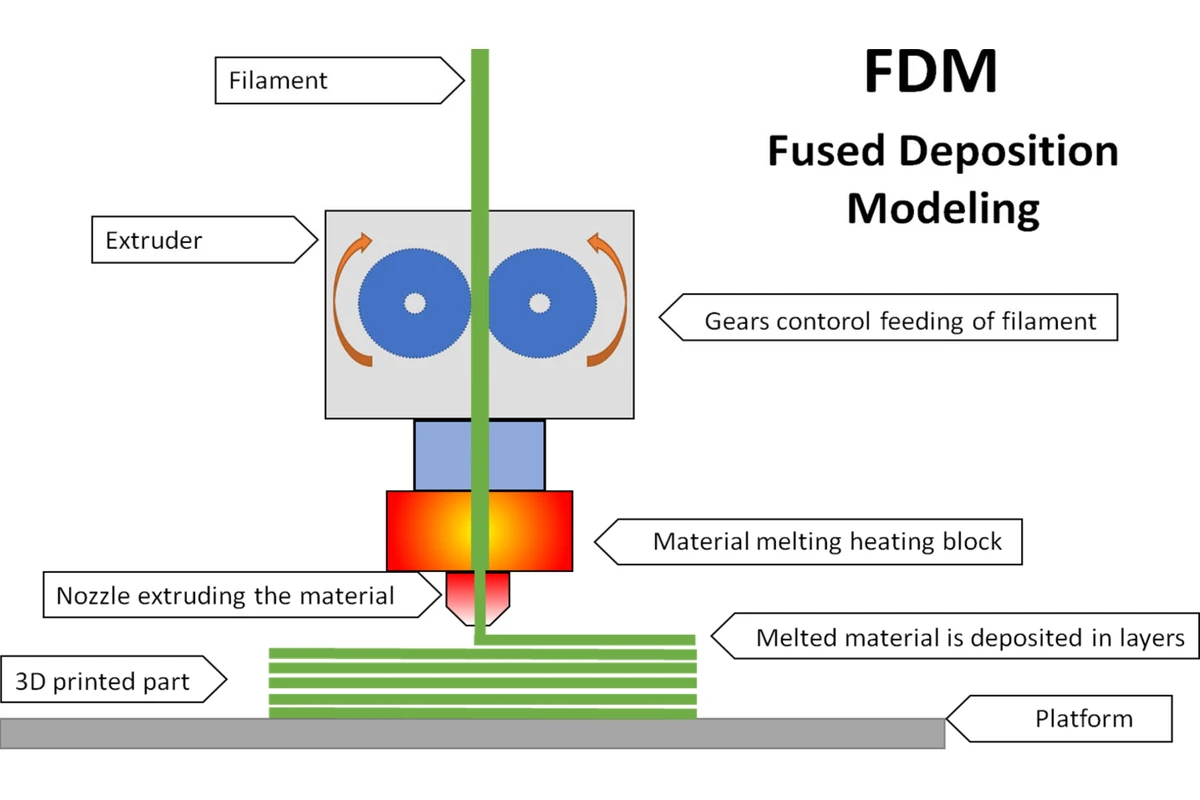
The core mechanics of fused deposition modeling rely on continuous thermoplastic extrusion. Solid filament feeds through a heated drive system into a print nozzle, heating the polymer past its glass transition temperature . The motion control system deposits the softened material onto a build plate in a layer-by-layer manufacturing process. As each cross-section traces out, the material cools and bonds with the previous layer to build full production-grade components.
Industrial FDM vs Desktop FDM Printing
Desktop printers suit early visual concepts, but they struggle with structural consistency. Desktop systems rely on open frames, leading to uneven thermal contraction, warping, and layer delamination.
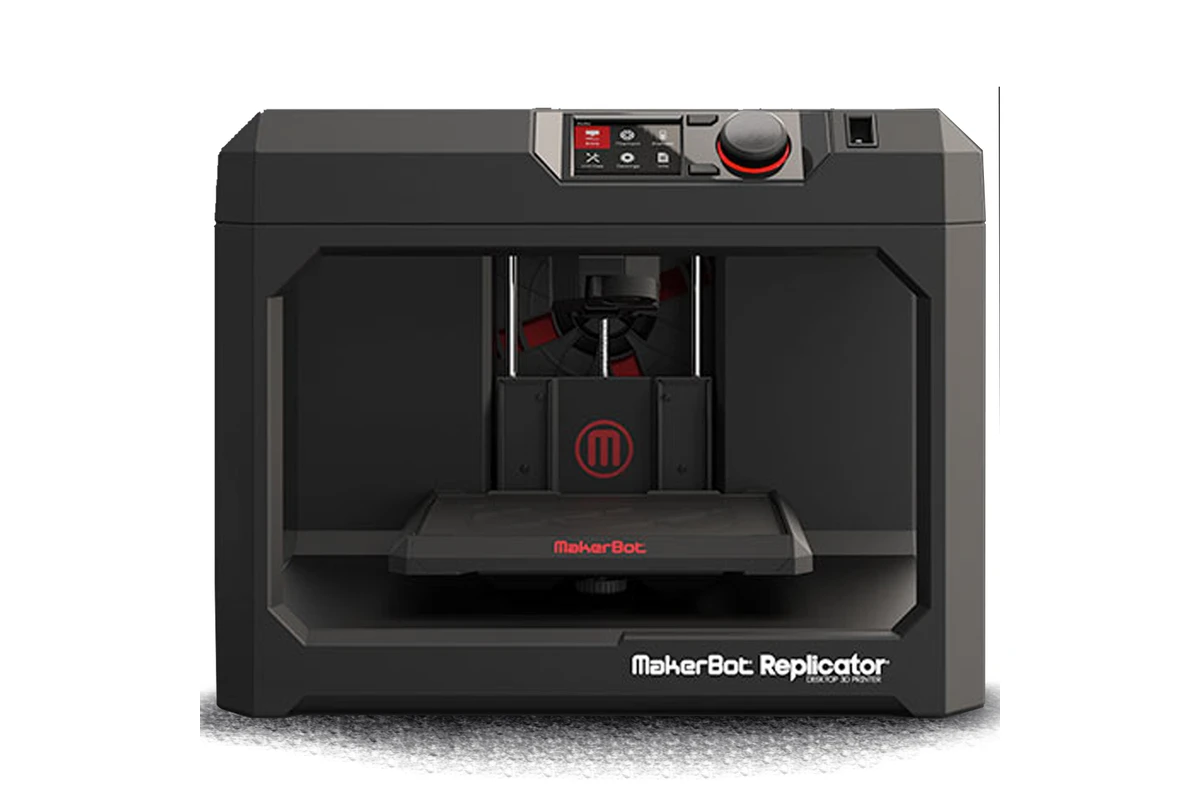
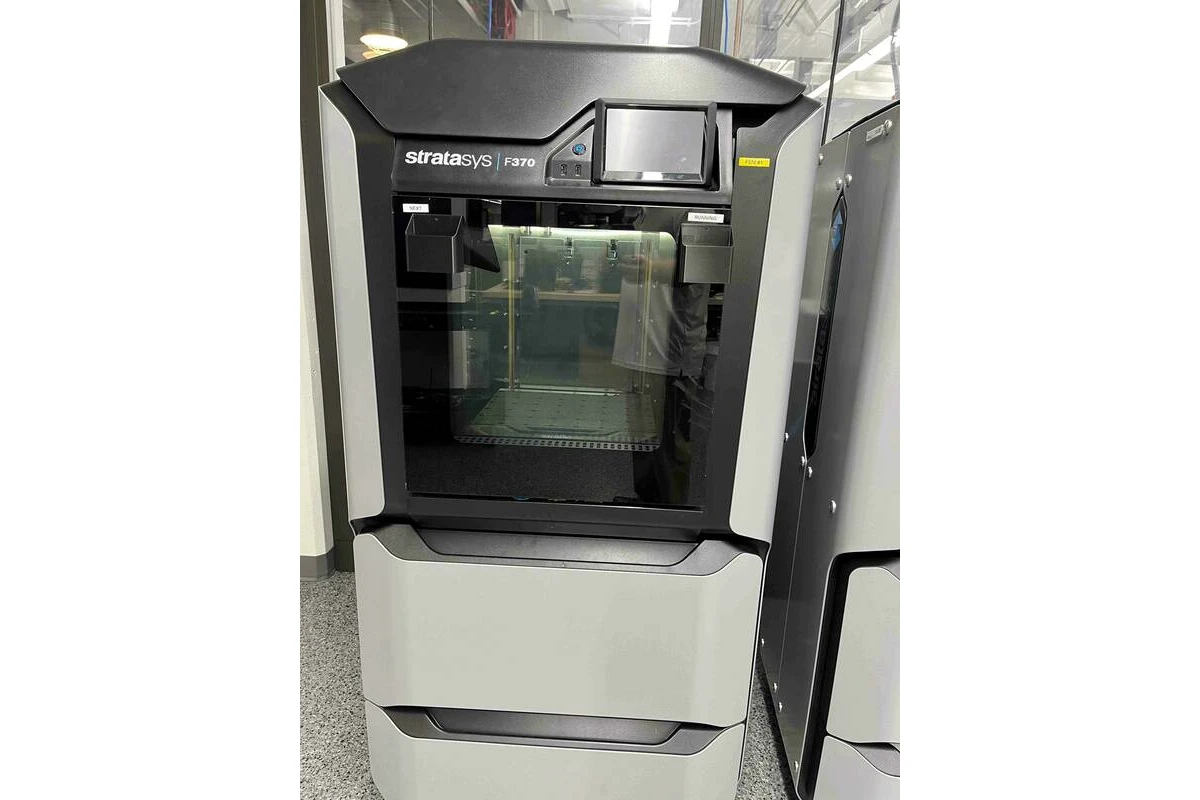
In contrast, professional FDM printing platforms use active build chamber heating (often exceeding 90°C–180°C) alongside dual-extrusion heads. This structural control allows industrial systems to print high-temperature materials like Polycarbonate and ULTEM while maintaining tight dimensional accuracy.
Related: Full Color 3D Printing Services: Technologies, Pricing & Design Guide (2026)
Key Benefits of Industrial FDM Manufacturing
- Tool-Less Production: Eliminate initial tooling investments and shorten initial production cycles by weeks.
- Complex Geometries: Fabricate internal channels, lightweight lattice networks, and intricate housings without sub-assemblies.
- Material Versatility: Process flexible elastomers, rigid engineering plastics, and carbon fiber composites on the same platform.
- Scalability: Scale from a single custom plastic prototype service request to low-volume production runs without altering your CAD files.
When to Choose FDM for Your Project
Choose an FDM manufacturing service when your parts require mechanical strength, impact resistance, and material properties that mirror end-use production plastics. While processes like SLA offer smoother surfaces, FDM provides structural durability for load-bearing applications.
Functional Prototypes to End-Use Production Parts
Industrial FDM bridges the gap between digital models and real-world testing. Engineers use functional prototype printing to validate press fits, verify airflow, and run load tests. Once validated, these same CAD models move straight to producing end-use plastic parts for low-volume runs or customized components.
Tight Quality Control & Inspection
Reliable industrial prototype manufacturing demands repeatable precision. Industrial print services inspect incoming raw materials, monitor chamber thermal gradients in real time, and verify finished geometries using coordinate measuring machines (CMM) and optical 3D scanners to guarantee adherence to design specifications.
Global Manufacturing & Shipping
Working with a global FDM manufacturing partner like Lava3DP gives engineering teams on-demand access to high-capacity print farms. Streamlined logistics ensure fast delivery times across international hubs, keeping your hardware development schedules on track.
Expert Design Support (DFM & DfAM)
Before sending files to the print floor, experienced application specialists evaluate your geometry using Design for Additive Manufacturing (DfAM) principles. Catching thin walls, sharp internal corners, or excessive overhangs early eliminates print failures and lowers unit costs.
Low-Volume Production & Batch Manufacturing
When annual volumes range between 10 and 1,000 units, traditional injection molds rarely make financial sense. Using a low volume manufacturing service allows you to launch products faster, adjust designs mid-production, and eliminate warehouse inventory overhead through manufacturing on demand.
Industrial FDM Printing Capabilities
Understanding printer hardware capabilities helps you design parts that maximize yield and cut lead times.
Maximum Build Volume
Large-scale builds eliminate the need to split complex geometries into smaller sub-components. Advanced large format FDM printing machines accommodate continuous builds up to 1000 x 1000 x 1000 mm, maintaining structural integrity across large automotive ducting or full-scale enclosures.
Layer Heights & Resolution
Vertical resolution dictates both surface smoothness and fine-feature definition. Industrial systems offer adjustable layer heights:
- 0.05 mm – 0.10 mm (Fine): Ideal for detailed visuals, curved surfaces, and tight-fitting assemblies.
- 0.20 mm (Standard): Excellent balance between strength, detail, and print velocity.
- 0.30 mm – 0.40 mm (Coarse): Best suited for rapid visual checks and large structural jigs.
Dimensional Accuracy & Tolerances
Industrial FDM achieves standard manufacturing tolerances of ±0.15 mm. Precision-tuned motion systems combined with controlled cooling ensure consistent FDM print accuracy across long production runs.
Wall Thickness Recommendations
Wall thickness directly impacts structural rigidity and part geometry:
- Minimum Supported Wall: 0.8 mm
- Recommended Structural Wall: 1.5 mm to 3.0 mm
- Load-Bearing Walls: 4.0 mm+ (or solid infill shell strategies)
Minimum Feature Size
To prevent feature shear during deposition, keep unsupported pins, embossed text, and small standoffs above minimum thresholds. Embossed details should measure at least 0.5 mm high and 0.8 mm wide, while unreinforced vertical pins need a minimum diameter of 2.0 mm.
Infill Density Options
Unlike solid molded components, FDM lets you adjust internal density to optimize weight and strength:
- 15% – 20% (Standard): Fits visual models and light-duty enclosures.
- 30% – 50% (Medium Heavy): Recommended for functional fixtures, brackets, and structural housings.
- 70% – 100% (Solid Heavy): Applied to high-stress components, fluid manifolds, and threaded mount points.
Related: FDM 3D Printing Service | Fast, High-Quality & Affordable
Surface Finish Options
Raw FDM parts feature a distinct, micro-textured layer structure. Depending on end-use requirements, parts can remain as-printed or undergo post-processing operations like bead blasting, chemical vapor smoothing, or high-gloss painting.
Strength & Mechanical Performance
Part strength depends heavily on filament selection and internal slice parameters. High-performance filaments reinforced with chopped fibers approach the tensile strength of die-cast aluminum along their primary loading axes.
Production Capacity & Lead Times
With active fleet management and automated slicing pipelines, standard lead time ranges from 2 to 5 business days. Express turnaround options can deliver parts within 24–48 hours for urgent engineering tests.
FDM 3D Printing Materials Available at Lava3DP
Selecting the right polymer ensures your part withstands operational stresses, thermal exposure, and chemical environments. Explore our complete 3D Printing Materials library.
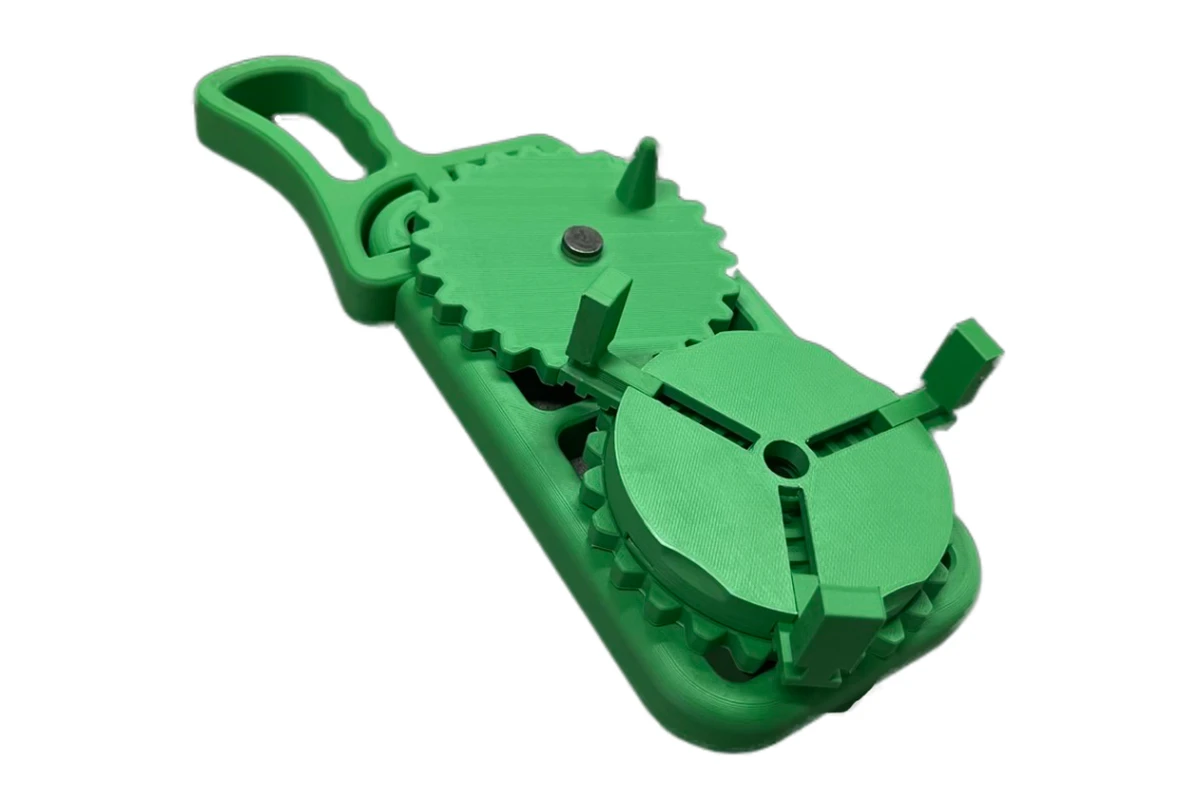
PLA – Affordable Prototyping
PLA FDM printing provides an economical solution for initial concept modeling and form-fit checks. It offers good tensile strength and minimal shrinkage, making it easy to print without warping.
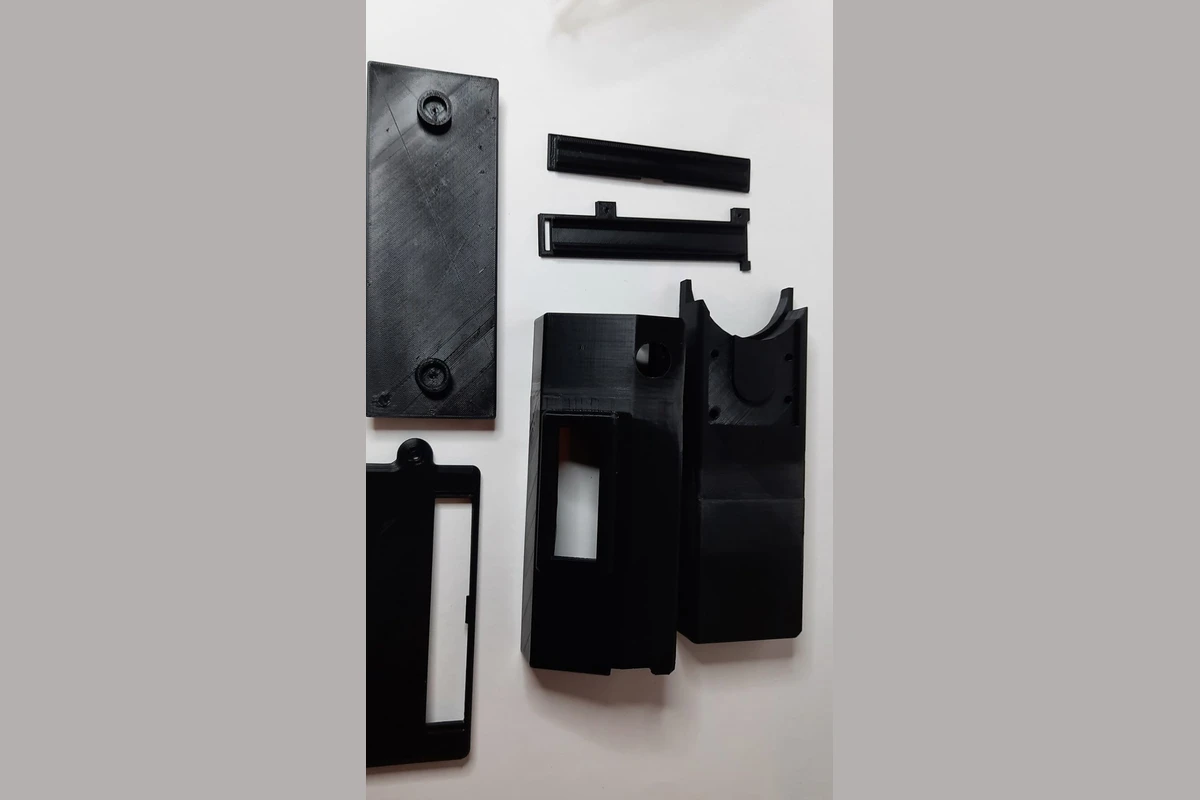
ABS – Durable Functional Parts
An ABS 3D printing service delivers impact-resistant components suitable for functional testing. ABS handles higher thermal loads than PLA and sands easily during post-processing.
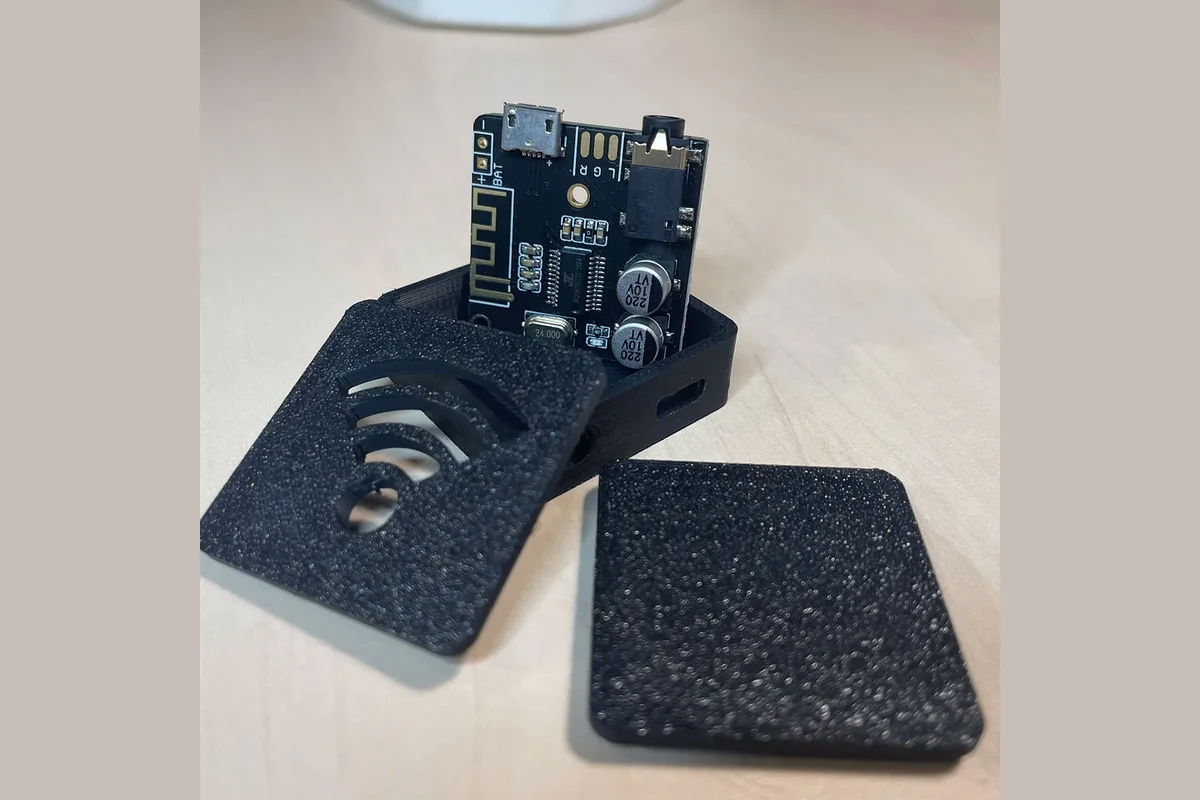
PETG – Chemical & Moisture Resistant Components
A PETG printing service supplies tough, ductile parts with high chemical and moisture resistance. PETG fits liquid housings, snap-fit enclosures, and snap-latch assemblies.
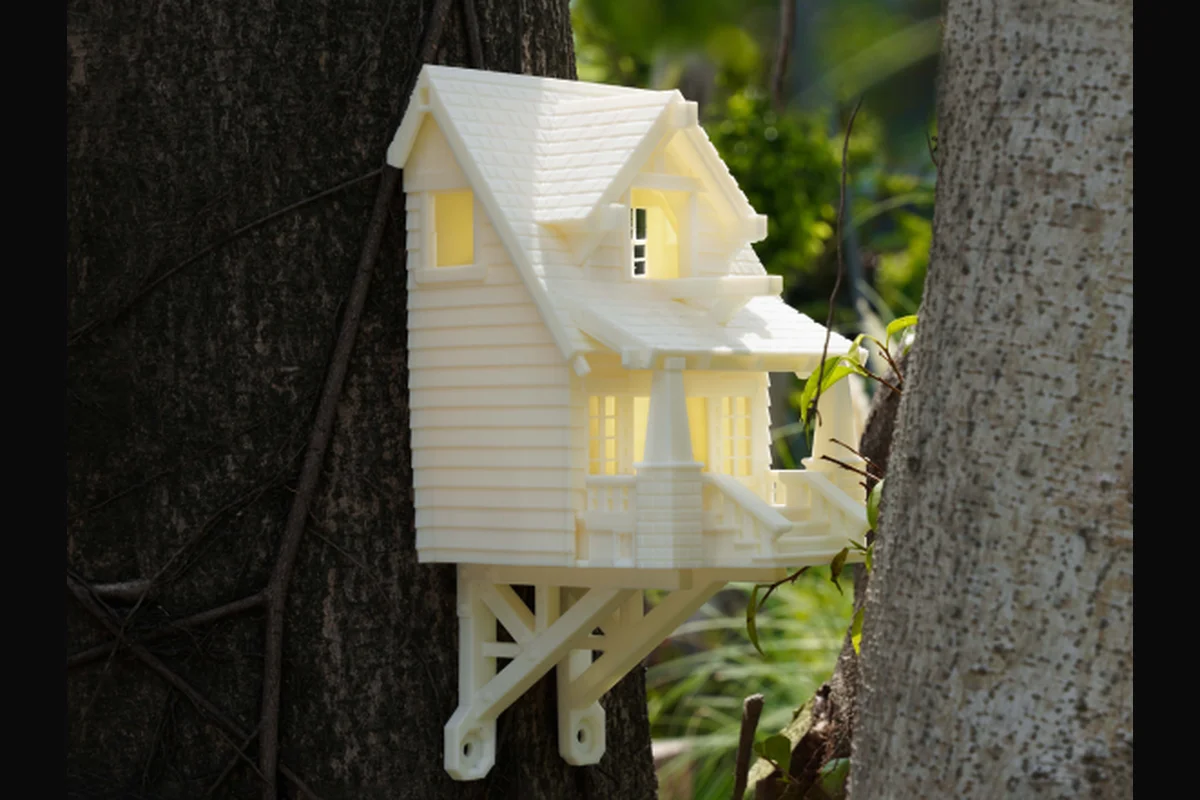
ASA – UV & Weather Resistant Outdoor Parts
For exterior applications, ASA 3D printing offers mechanical performance similar to ABS alongside superior UV and weather resistance. ASA prevents degradation, yellowing, and embrittlement under direct sunlight.
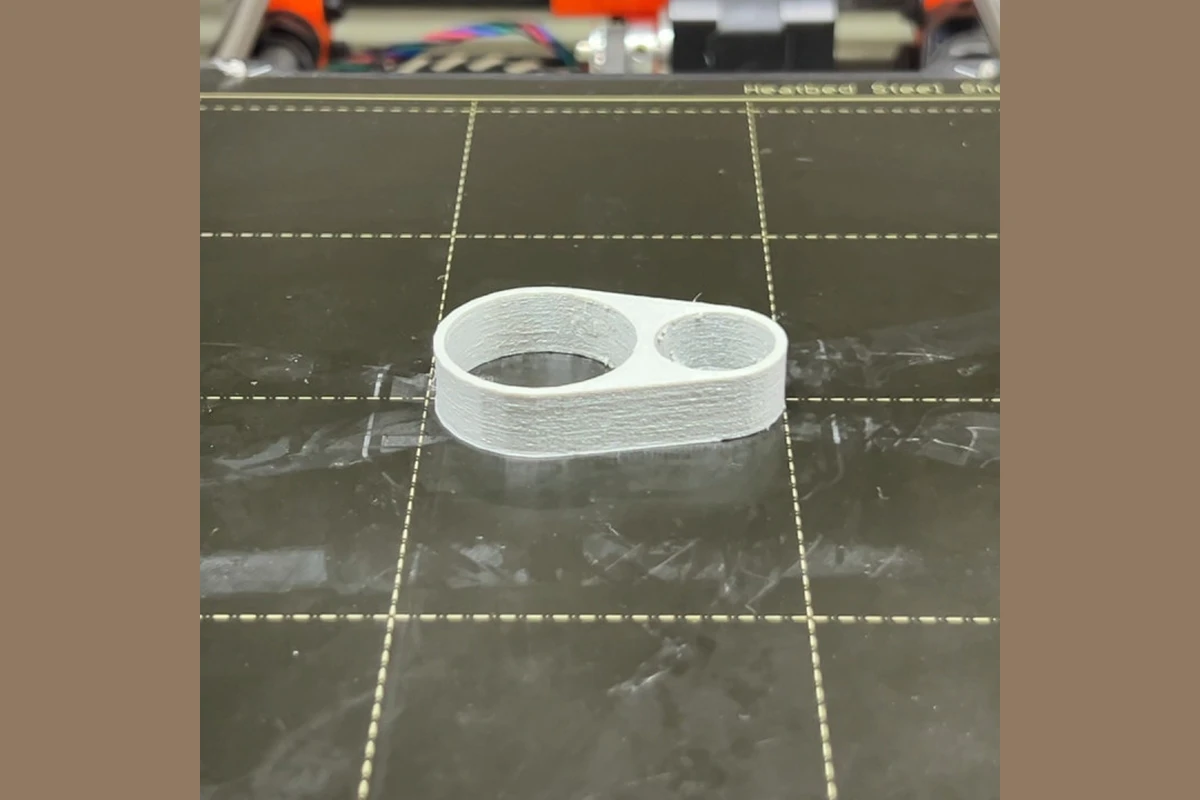
TPU – Flexible & Rubber-Like Parts
When you need dampening, seal gaskets, or soft-touch grips, TPU flexible FDM printing delivers shore hardnesses from 85A to 95A, offering high tear strength and elastic memory.
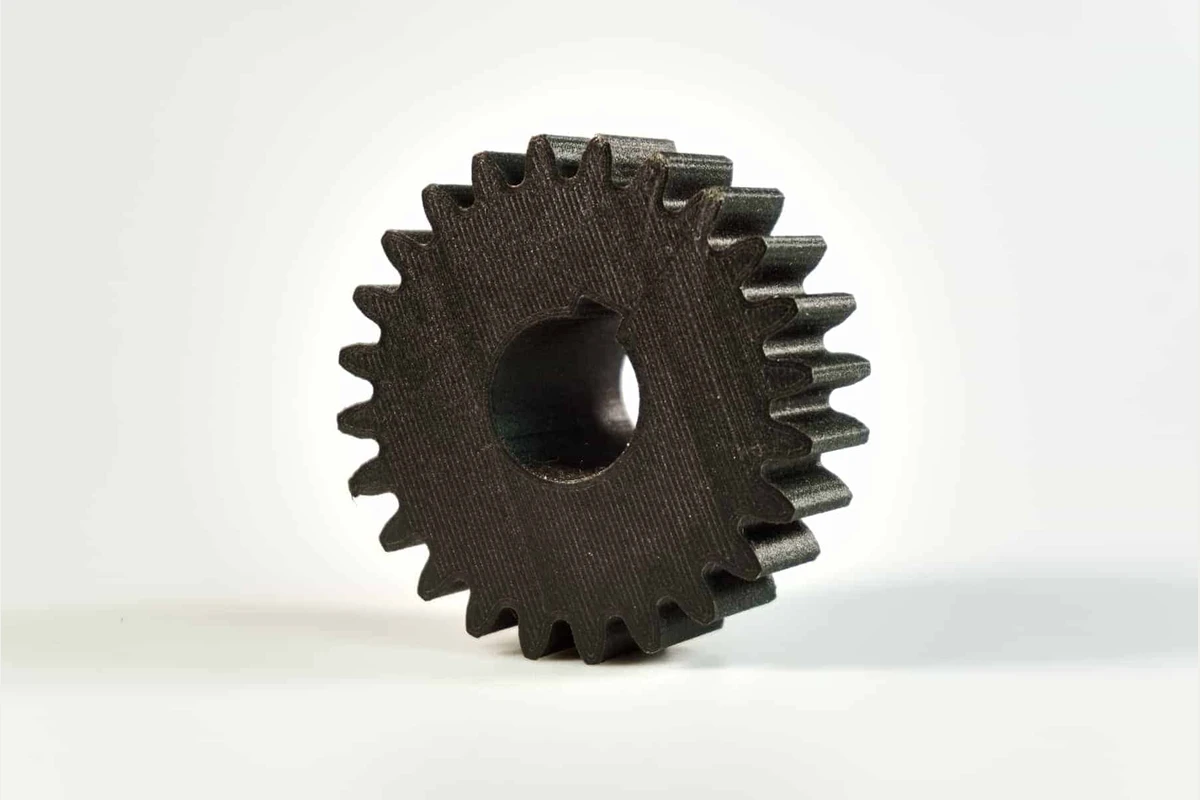
Nylon (PA) – High Strength Engineering Parts
Nylon (PA) FDM printing yields highly ductile, friction-resistant parts. Nylon handles repeated mechanical fatigue, making it a reliable material for custom gears, bushings, and snap connections.
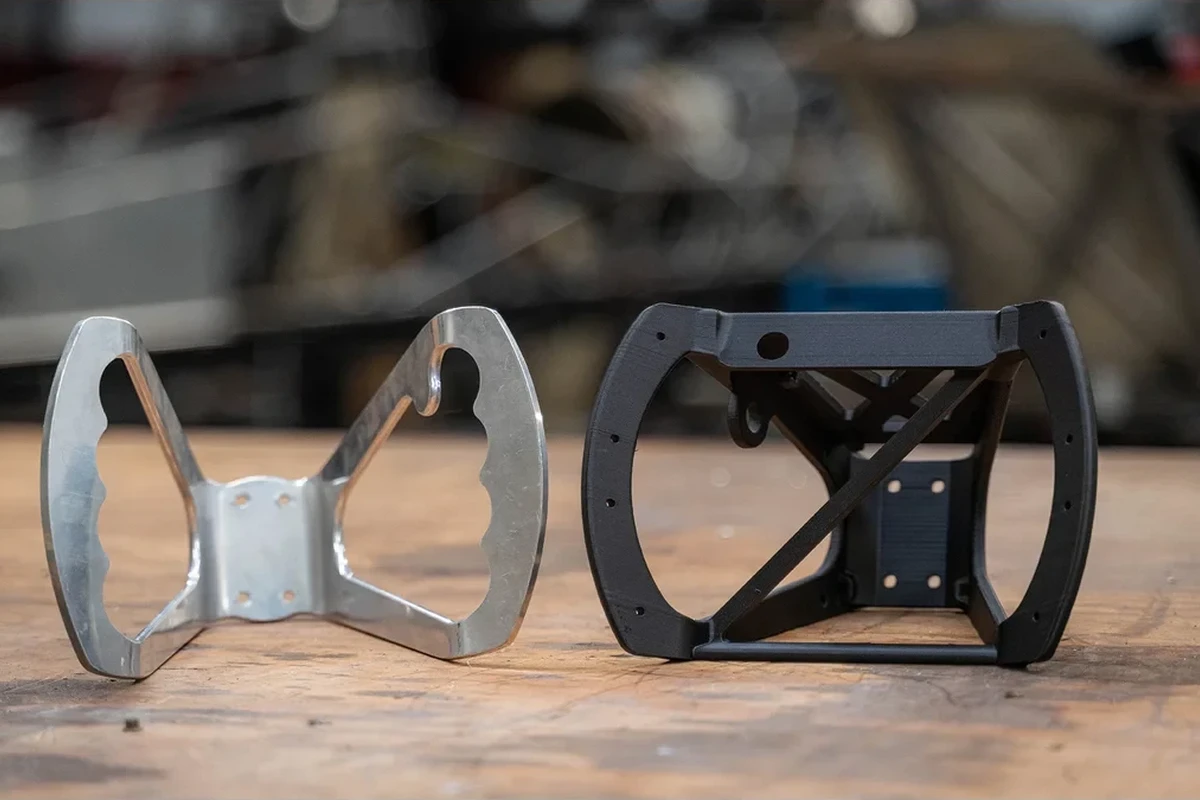
Carbon Fiber Reinforced Nylon
Combining high-tenacity polyamide with micro-carbon fiber matrix structures creates Carbon fiber nylon printing components. This material boasts exceptional strength-to-weight ratios, replacing CNC-machined aluminum in robotic arms, end-effectors, and drone frames.
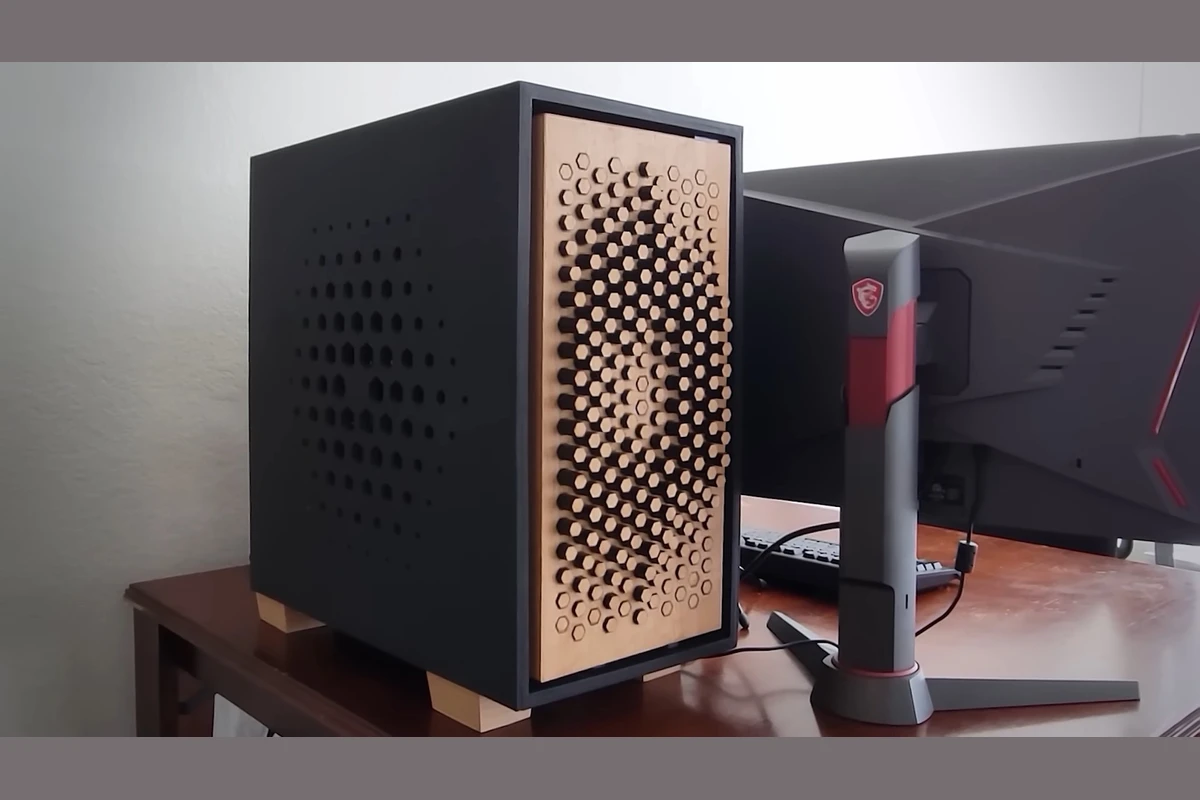
Polycarbonate (PC)
Polycarbonate (PC) 3D printing produces rigid, heat-resistant components with high impact strength. PC works well for electrical covers, high-temperature manifolds, and heavy-duty structural frames.
High-Temperature Engineering Thermoplastics
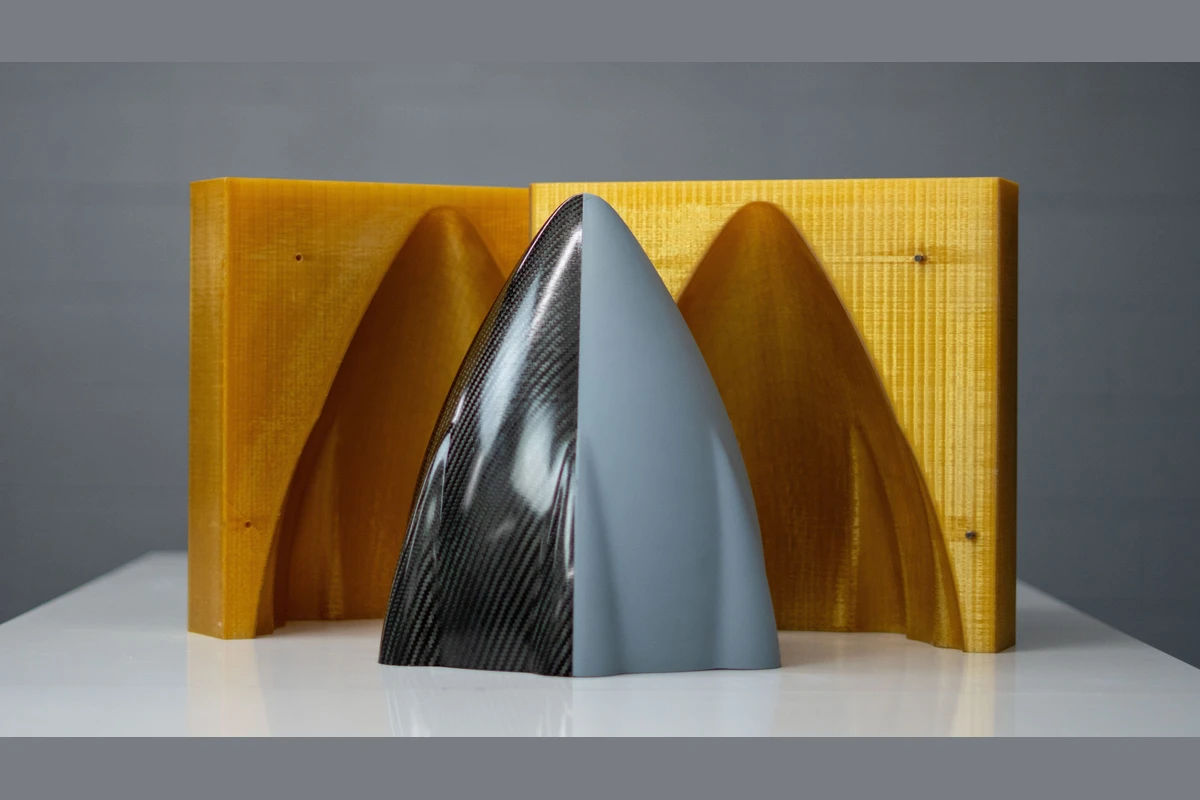
For demanding aerospace and defense applications, industrial high-temperature thermoplastics like PEEK, PEKK, and ULTEM 9085 offer flame retardancy, low outgassing, and continuous operating temperatures above 150°C.
Material Comparison Table
Related: Custom Metal 3D Printing Services: Materials, Pricing & Lead Times Explained
Design Guidelines for Industrial FDM Printing
Designing specifically for the extrusion process prevents structural failures and lowers printing costs.
Recommended Wall Thickness
Avoid ultra-thin walls. Design vertical structural walls to be an integer multiple of the nozzle diameter (typically 0.4 mm or 0.8 mm). A wall thickness of 1.6 mm to 2.4 mm offers strong layer cohesion without unnecessarily increasing print time.
Hole & Pin Design
Vertical holes printed along the Z-axis tend to shrink slightly due to polymer thermal contraction. Design holes roughly 0.1 mm to 0.2 mm larger than target dimensions, or ream them post-print for critical tolerances. Print horizontal holes with an teardrop cross-section to eliminate sagging top arches.
Tolerances & Dimensional Accuracy
Maintain a clearance gap of at least 0.4 mm between mating moving parts in a single assembly. For press-fit pins and bushings, plan for a 0.15 mm interference fit.
Overhangs & Support Structures
Features extending outwards at angles greater than 45 degrees from the vertical plane require temporary support structures. Designing chamfers instead of steep overhangs reduces reliance on support material and cleans up lower surfaces.
Bridges & Large Flat Surfaces
FDM extruders can span open gaps (bridges) up to 10 mm without support. For larger spans, add underlying support structures. To prevent corner warping on large flat surfaces, add generous fillets to bottom edges.
Print Orientation & Mechanical Strength
FDM components behave anisotropically—they are stronger along the X/Y axes than along the Z-axis (between build layers). Orient parts so that primary tensile forces align parallel to the material bead paths rather than pulling layers apart.
Threaded Features & Inserts
Avoid printing fine male thread profiles directly on FDM parts, as layer lines wear down quickly. Instead, design cylindrical pilot holes and press in brass heat-set inserts using a thermal insertion tool for strong, reusable threads.
Snap Fits & Living Hinges
Design cantilever snap fits so that bending stresses align along the continuous X/Y extrusion plane. Keep maximum strain below the yield point of your chosen polymer—materials like Nylon or PETG work best here.
File Formats We Accept
Export CAD models directly from solid modeling software using high-resolution settings:
- STEP (.step / .stp): Preferred format—retains native NURBS surfaces for clean slicing.
- 3MF (.3mf): Modern format that preserves assembly hierarchies and unit scaling.
- STL (.stl): Standard mesh format—ensure binary export with tight deviation settings.
- OBJ (.obj): Recommended when color or texture data is needed.
FDM Surface Finish & Post-Processing Options
Post-processing refines surface finish, tightens tolerances, and prepares parts for end-use deployment.
Support Removal
Dual-extrusion systems use soluble support materials like PVA or breakaway supports. Bathing soluble parts in warm liquid dissolves supports out of internal passages without leaving scar marks on the main body.
Sanding & Surface Smoothing
Progressive wet sanding (from 120-grit down to 800-grit) removes visible layer lines, preparing plastic surfaces for smooth priming or secondary coatings.
Vapor Smoothing
Exposing ABS, ASA, or Polycarbonate parts to solvent vapor melts the surface layer slightly. As it dries, the outer shell smooths out into a uniform, glossy finish that also seals the outer surface against liquids.
Priming & Painting
Applying high-build automotive primer fills micro-voids between layers. Once sanded, parts can be finished with polyurethane paints, soft-touch coatings, or custom color matches.
Dyeing & Coloring
Porosity in materials like Nylon allows liquid dye baths to penetrate deep below the outer surface. Dyed parts maintain their color even if scratched or subjected to light surface wear.
Threaded Inserts
Installing heat-set inserts or Helicoils provides high pull-out strength in plastic assemblies, allowing for repeated disassembly without stripping threads.
Assembly & Bonding
Large structures split across multiple print beds can be joined using structural acrylic adhesives, epoxy resins, or solvent welding compounds (such as MEK for ABS) to restore full mechanical strength.
CNC Finishing for Precision Features
When your design demands high-precision bearing seats or tight face seals, combine FDM printing with secondary CNC machining service ops to trim critical features down to ±0.025 mm
Industrial Applications of FDM 3D Printing
Additive manufacturing solves complex engineering challenges across every stage of product development.
Functional Prototypes
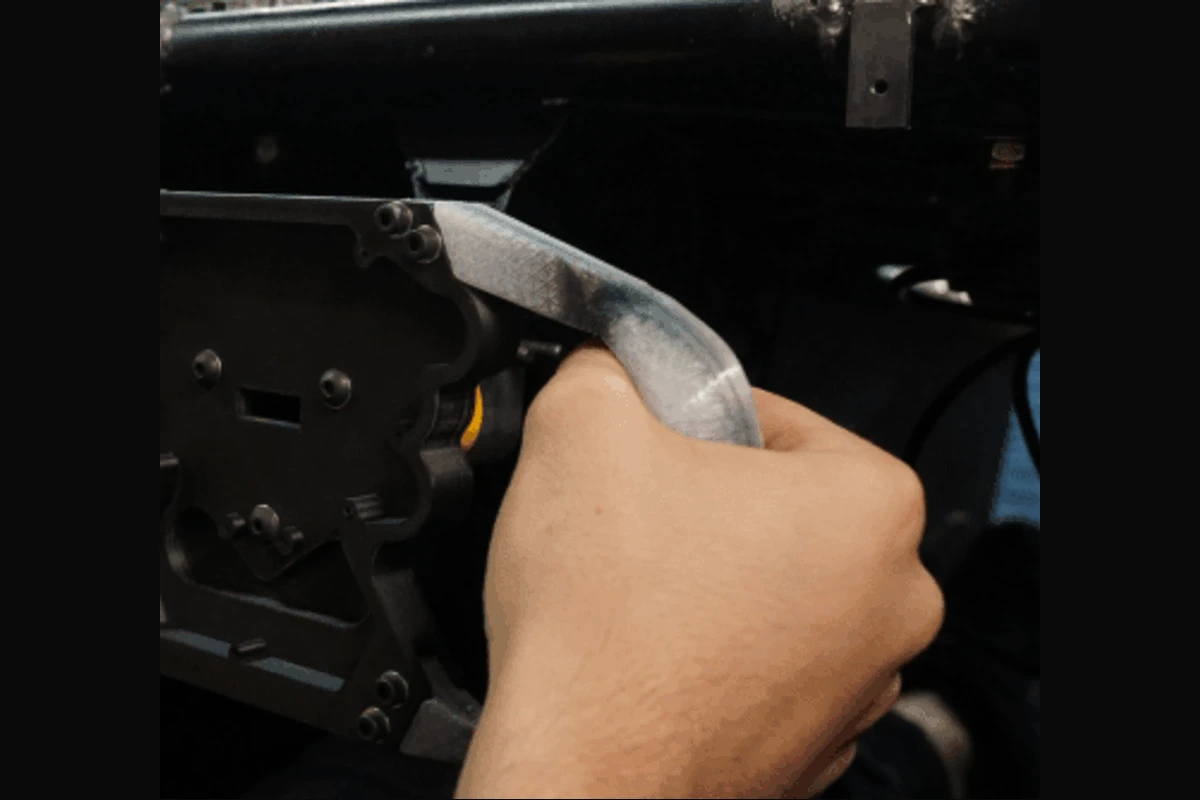
Conduct physical airflow studies, drop testing, and field trials using production-intent thermoplastics before committing capital to production tooling.
Manufacturing Jigs & Fixtures
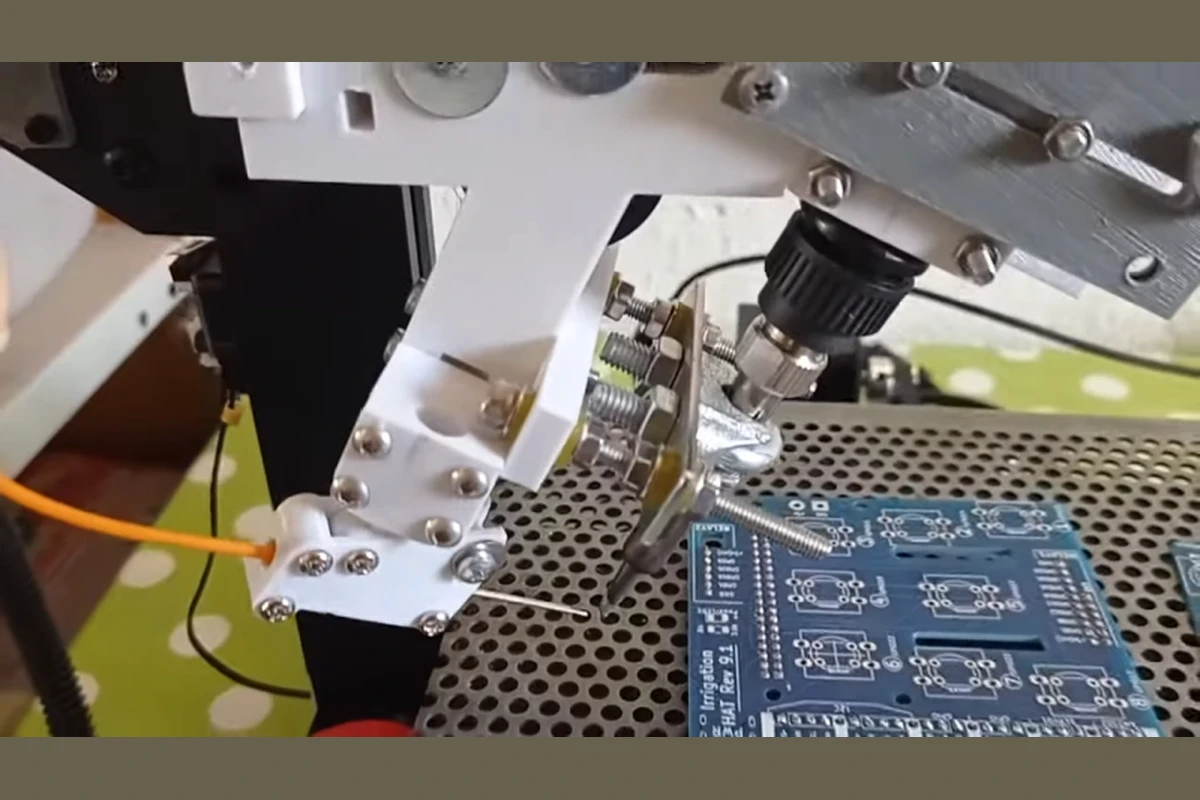
Machining custom aluminum assembly fixtures is slow and costly. Printing lightweight production tooling, drill guides, and CMM holding nests cuts shop floor lead times from weeks to days.
End-Use Production Parts
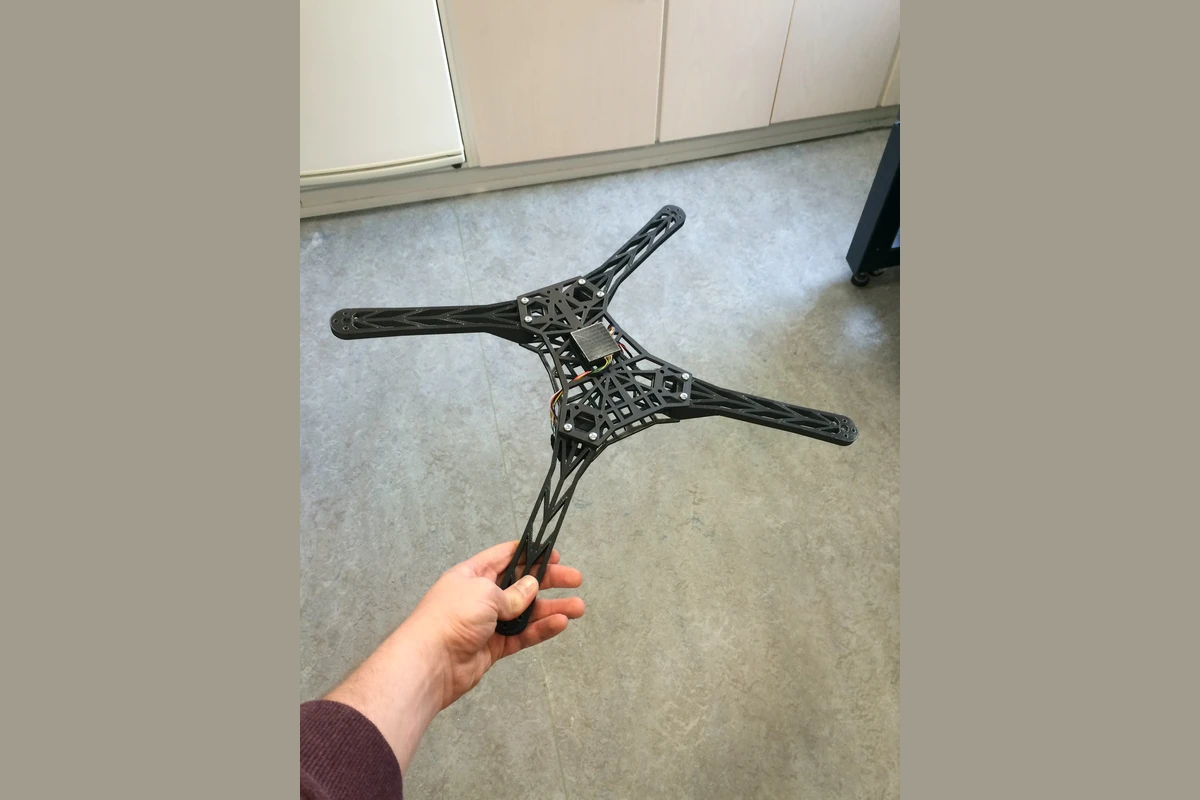
From specialized commercial drone bodies to customized machinery covers, high-grade FDM prints function as permanent end-use components.
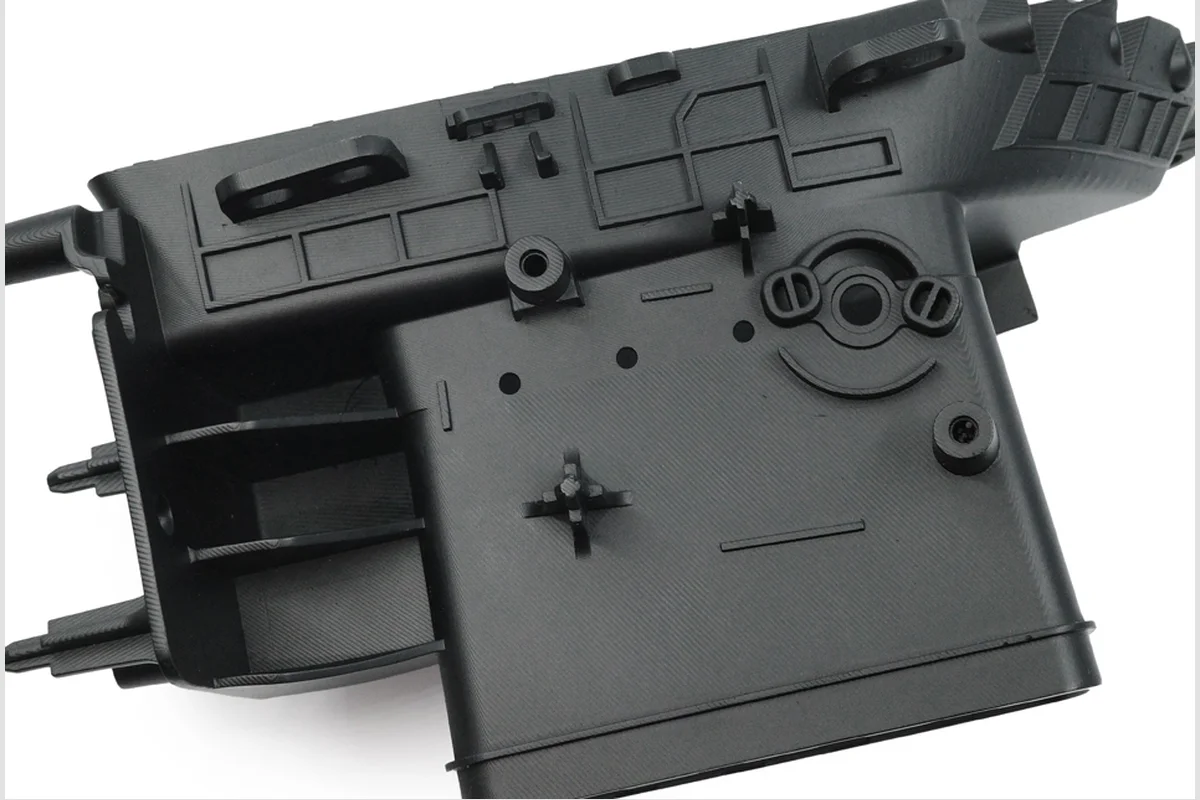
Automotive Components
Automotive teams rely on automotive prototypes to validate interior ducting, test engine bay wire harnesses, and build custom racing components using temperature-resistant polymers.
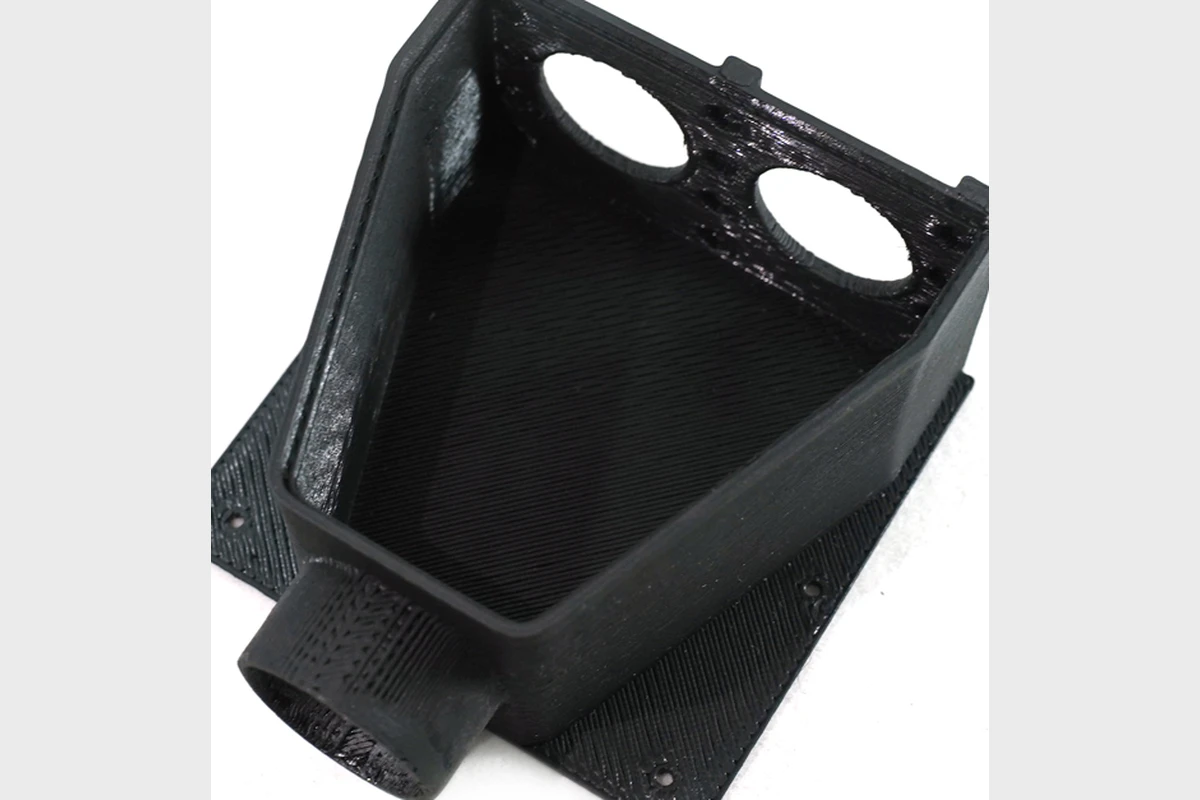
Aerospace Parts
By utilizing flame-retardant thermoplastics certified for low smoke and toxicity, aerospace manufacturing teams reduce component weight while meeting strict aviation compliance standards.
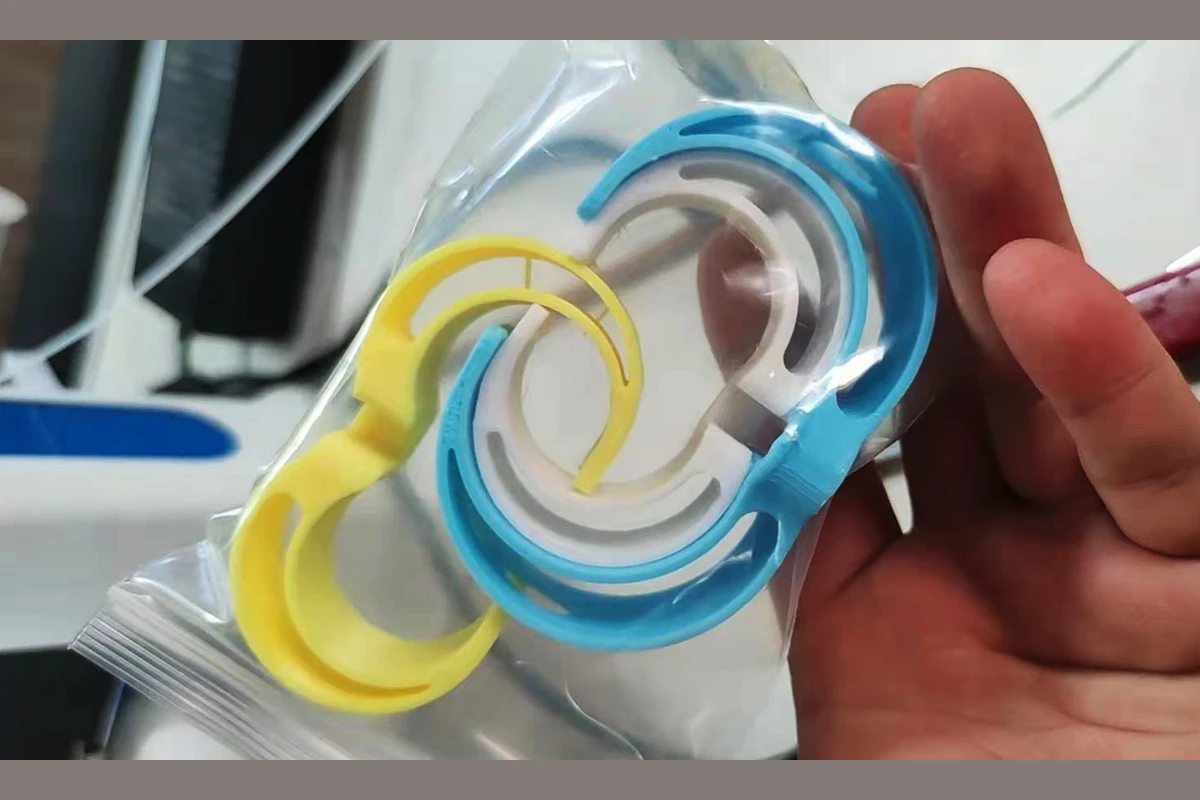
Medical Device Prototypes
Engineers design medical device prototypes using bio-compatible polymers to test ergonomic grips, housing enclosures, and surgical tray layouts before volume manufacturing.
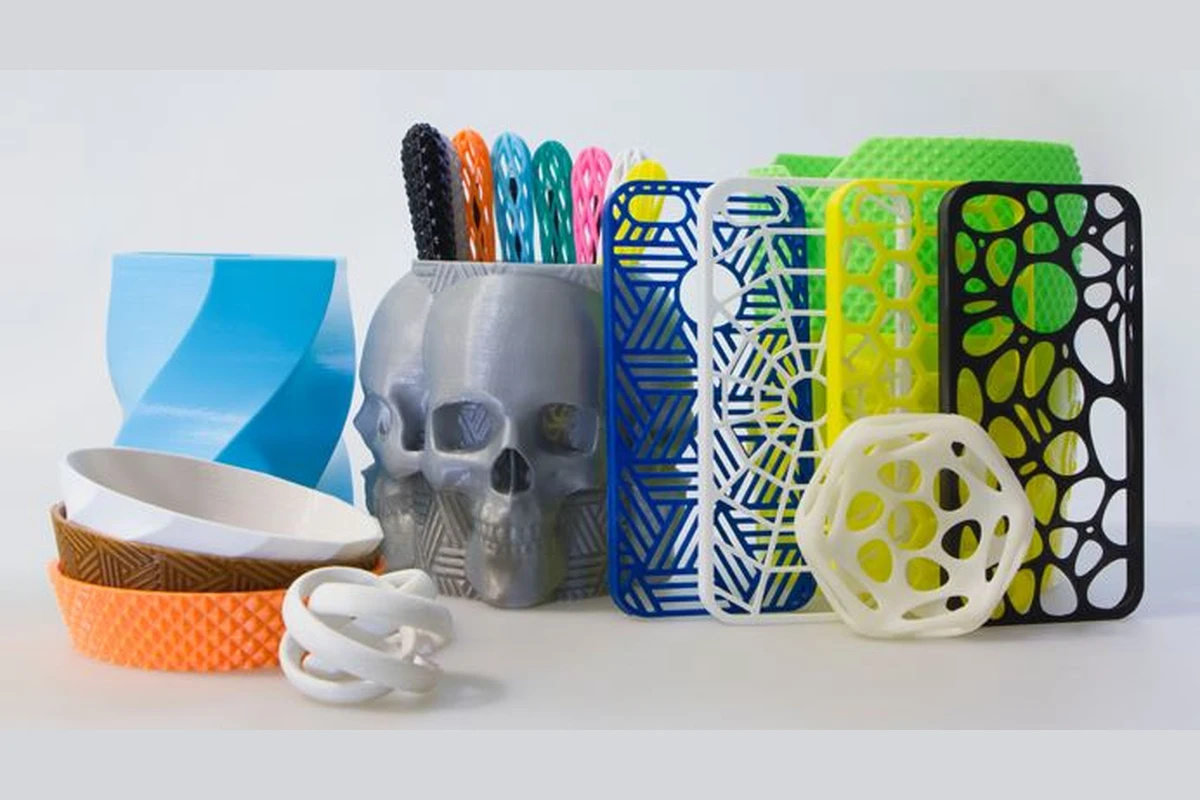
Consumer Product Development
Accelerate consumer product development iterations by testing physical handheld models overnight, updating CAD files by morning, and re-testing instantly.
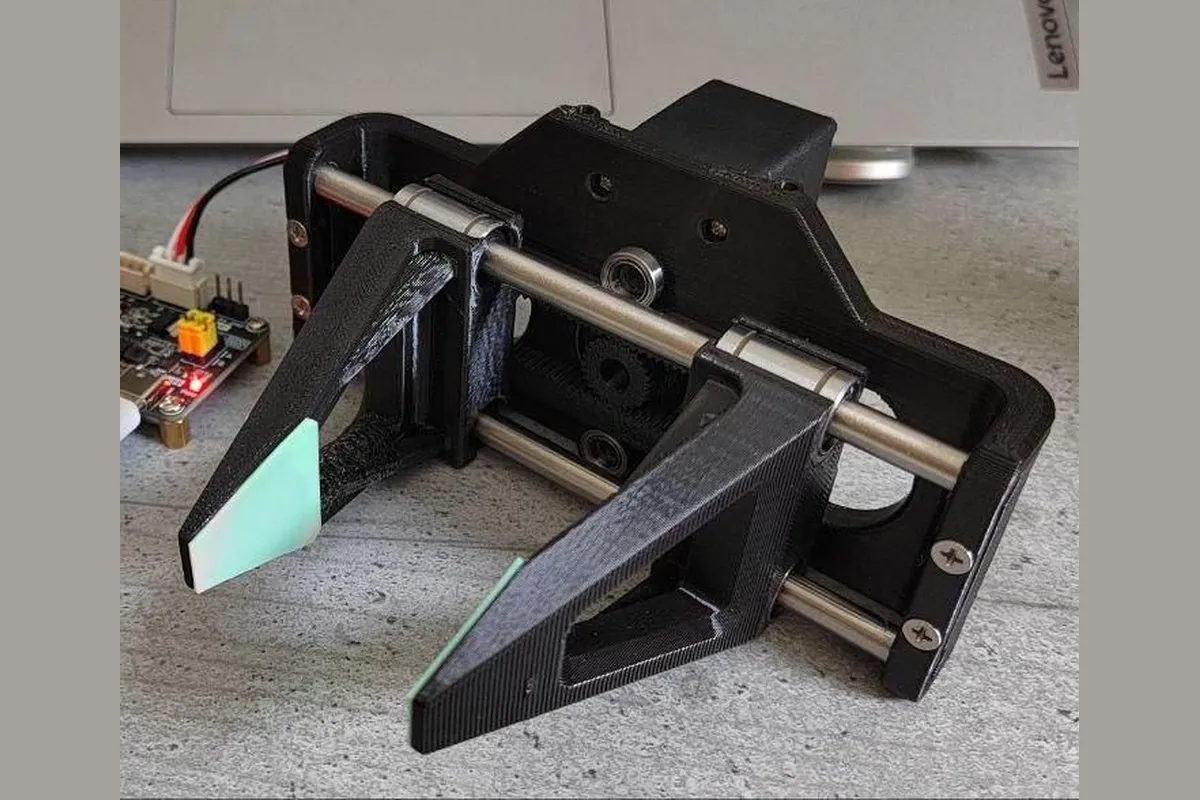
Robotics & Automation
High strength-to-weight ratio carbon-fiber reinforced filaments let you produce lightweight robotics components, reducing payload momentum on robotic arms.
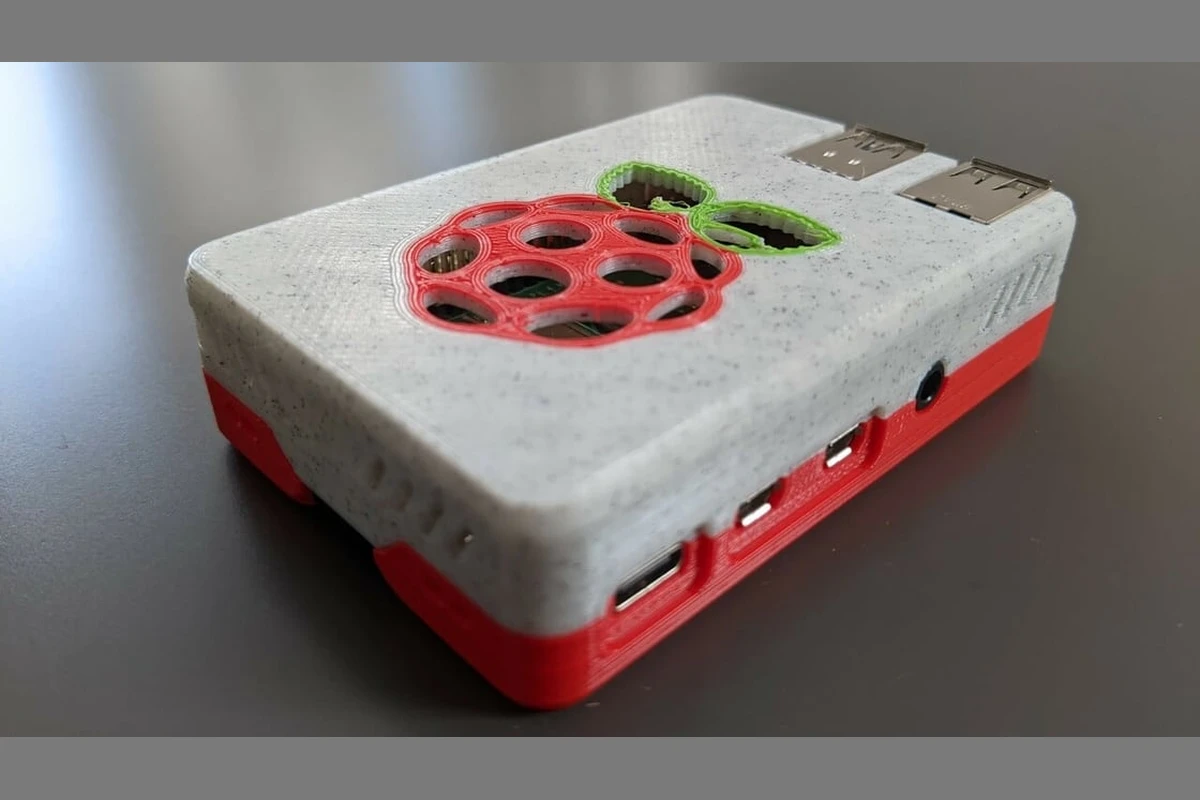
Electronics Enclosures
Design custom electronics enclosure manufacturing solutions with integrated standoffs, snap-latching lids, and cable routing passages built directly into the housing.
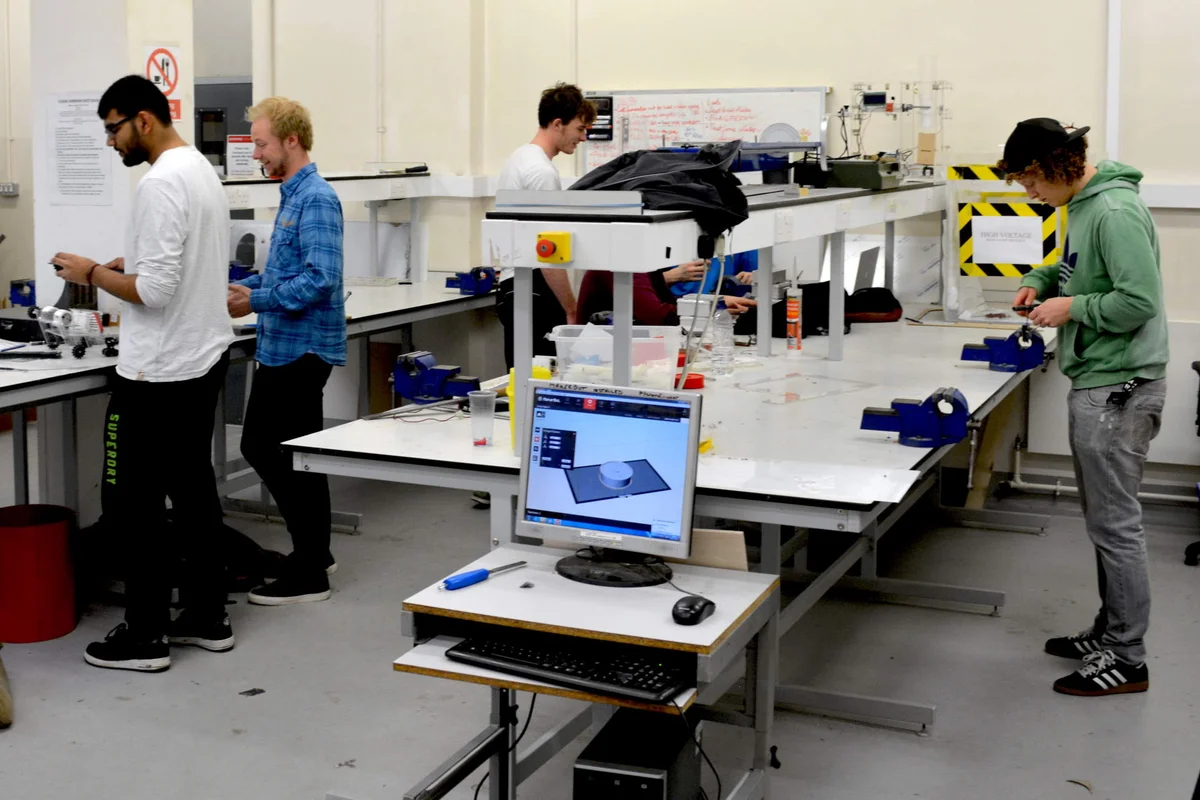
Educational & Research Projects
Empower advanced research and development teams to fabricate complex experimental setups, sensor housings, and fluid dynamics models without expensive machine shop schedules.
Industries We Serve
Custom additive manufacturing supports a wide variety of commercial sectors:
- Aerospace: Lightweight ducting, cabin brackets, and sensor mounts.
- Automotive: Functional dash components, custom intake runners, and assembly jigs.
- Medical: Ergonomic tool handles, diagnostic housing prototypes, and custom enclosures.
- Industrial Equipment: Replacement chain guides, gear covers, and custom manifold routing.
- Consumer Electronics: Handheld device shells, structural frames, and connector boots.
- Energy: Chemical-resistant valve covers, downhole tool covers, and field testing fixtures.
- Architecture: Scale structural models, spatial layout models, and complex facade nodes.
- Manufacturing: Robotic end-of-arm tooling, alignment fixtures, and safety guards.
- Defense: Rugged storage cases, specialized mounting hardware, and field replacement parts.
- Universities & Research Labs: Custom laboratory equipment and prototype hardware setups.
Related: PolyJet 3D Printing Service | High-Detail Prototypes
Industrial FDM vs Other Manufacturing Technologies
Selecting the right production process depends on your performance requirements, surface finish needs, and batch sizes.
While SLA 3D Printing Service (Stereolithography) uses UV lasers to cure liquid resin into high-detail smooth models, FDM vs SLA comparisons favor FDM for structural toughness, impact resistance, and long-term UV durability.
Comparing FDM vs SLS (Selective Laser Sintering), SLS uses lasers to fuse nylon powder into complex shapes without support structures. SLS parts are isotropic, but FDM supports a wider selection of engineering filaments—including flexible elastomers and high-temperature polymers like PEEK.
In FDM vs MJF (Multi Jet Fusion), MJF prints fine-featured nylon parts quickly across full beds. However, FDM remains the more cost-effective option for large-format parts and high-rigidity carbon fiber composites.
Evaluating FDM 3D printing vs resin options comes down to part size and toughness. Resin prints deliver unmatched surface detail for small visual models, whereas FDM thermoplastics handle heavy mechanical loads and high impacts without cracking.
When weighing FDM vs CNC Machining, CNC machining provides tighter tolerances (±0.005 mm) and isotropic metal strength. However, FDM builds internal hollow structures and complex geometries without expensive multi-axis machining setups.
Comparing FDM vs Injection Molding, injection molding is the standard for high-volume plastic runs (10,000+ units). But for small production runs, choosing FDM bypasses high upfront tooling costs and eliminates long mold fabrication wait times.
Which Manufacturing Process Is Right for Your Project?
Advantages of Industrial FDM Printing
- Cost-Effective Manufacturing: Lowers initial prototype investment by eliminating custom tooling.
- Rapid Turnaround: Turn digital CAD files into physical parts in hand in under 48 hours.
- Excellent Mechanical Strength: High-performance thermoplastics deliver functional, load-bearing durability.
- Large Part Production: Single-build chambers up to 1000 mm eliminate the need to break models apart.
- Wide Material Selection: Choose from simple commodity plastics to high-performance, carbon-reinforced polymers.
- Easy Design Iterations: Update CAD files and re-print immediately without modifying physical tooling.
- Low-Volume Manufacturing Without Tooling: Produce short-run products profitably on demand.
Limitations of Industrial FDM Printing
- Visible Layer Lines: As-printed parts feature visible horizontal texture along the Z-axis.
- Surface Finish Considerations: Sealing fluid lines or getting a smooth gloss requires secondary post-processing.
- Anisotropic Strength: Parts are slightly weaker along the vertical Z-axis compared to the X/Y print plane.
- Support Removal Requirements: Complex overhangs require supports, which can leave small contact marks when removed.
- When Another Process May Be a Better Choice: For high-volume commodity production run sizes, traditional injection molding offers lower per-unit costs.
Related: Custom Liquid Cold Plates: Design Guide, Manufacturing Methods & Cost (2026)
How to Order Industrial FDM Printed Parts from Lava3DP
Upload Your CAD File
Export your design to STEP or STL format and drag it into our portal.
Receive an Instant Quote
Our platform checks geometry, calculates material usage, and generates pricing instantly.
Material & Finish Selection
Select your target polymer, infill percentage, layer height, and surface finish options.
Engineering Review
DfAM engineers review your file to optimize orientation and verify features.
Production & Quality Inspection
Parts are printed on industrial machines, cleaned, and verified for accurate dimensions.
Global Shipping
Finished parts are securely packaged and shipped directly to your facility.
Industrial FDM Design Tips to Reduce Cost & Improve Part Performance
Small design adjustments can significantly lower unit pricing while improving structural strength:
- Optimize Part Orientation: Flat orientations reduce required height along the Z-axis, cutting print time and support usage.
- Reduce Unnecessary Support Material: Keep overhang angles under 45 degrees to minimize support material and post-processing labor.
- Use Uniform Wall Thickness: Consistent wall dimensions reduce internal stress concentrations and prevent thermal warping.
- Split Large Parts for Better Efficiency: Splitting complex shapes into self-aligning sub-assemblies cuts build height and speeds up printing.
- Choose the Right Material for the Application: Avoid over-specifying high-cost materials like PEEK when standard ABS or PETG will meet performance needs.
- Design for Assembly: Add chamfers to pilot holes and use standardized press-fit inserts to streamline final assembly steps.
How Much Does an Industrial FDM 3D Printing Service Cost?
Factors That Affect Pricing
Material Selection
Commodity polymers like PLA and ABS keep costs low, while carbon-fiber composites and PEEK increase material fees.
Part Size & Volume
Larger parts consume more raw filament and occupy more bed space.
Print Time
Detailed layer settings (0.10 mm) double build times compared to standard layers (0.20 mm).
Layer Height
Ultra-fine resolutions increase run times, raising hourly machine costs.
Post-Processing Requirements
Vapor smoothing, manual sanding, and paint finishes add hands-on labor time.
Order Quantity
Batch production runs lower unit costs through setup efficiencies.
Tips to Reduce FDM Printing Costs
Hollow out dense geometries and use a 20% internal sparse infill pattern.
Align flat surfaces to the build platform to minimize support material.
Choose standard layer heights (0.20 mm) unless high surface resolution is strictly necessary.
Get an Instant Quote for Industrial FDM 3D Printing
Ready to transform your CAD files into high-performance physical hardware?
- Upload Your CAD Files Today: Get instant automated feedback and live pricing on our Instant Quote Page.
- Talk to Our Manufacturing Experts: Need help selecting the right material or optimizing geometry? Contact our engineering team for specialized support.
- Explore Our Other 3D Printing & Manufacturing Services: Discover our complete suite of additive and subtractive solutions—including PolyJet Printing, DLP Printing, Metal 3D Printing, and precision CNC Machining.
Ready to Manufacturing with LAVA3dp?
Upload your CAD file today and receive instant pricing, expert engineering support, fast production, and worldwide delivery.
Get an Instant Quote →