

What Is a Custom Metal 3D Printing Service?
How Metal Additive Manufacturing Works
When To Choose Custom Metal 3D Printing Over Traditional Manufacturing
Traditional CNC machining remains the gold standard for simple geometries and ultra-tight tolerances. However, custom metal 3D printing shines when complexity increases. When a design features internal cooling channels, complex curved lattices, or consolidated assemblies that would otherwise require welding dozens of individual parts together, additive manufacturing is the superior choice.
Choose online metal 3D printing when you need:
- Complex internal geometries that cutting tools cannot reach.
- Rapid weight reduction through topology optimization without sacrificing structural integrity.
- Fast turnaround times for low-volume production runs without the high upfront tooling costs of casting.
- Consolidation of multi-part assemblies into a single, seamless component.
Prototype, Bridge Production, and End-Use Metal Parts
The technology is no longer restricted to visual mockups. It spans the entire product lifecycle:
- Metal Prototype Manufacturing: Engineers can test functional designs in the exact production metal alloy required, verifying thermal, mechanical, and chemical properties before committing to massive capital investments.
- Bridge Production: When transitioning from design to high-volume manufacturing, custom tooling can take months to build. A metal prototype service scales smoothly into bridge production, keeping your product launch on schedule while your permanent molds are machined.
- End-Use Production Parts: Modern aerospace, medical, and automotive companies regularly use production-ready metal parts straight out of industrial printers for demanding, high-stress environments.
Related: Full Color 3D Printing Services: Technologies, Pricing & Design Guide (2026)
Why Choose Lava3DP for Custom Metal 3D Printing?
Industrial-Grade Metal Manufacturing Capabilities
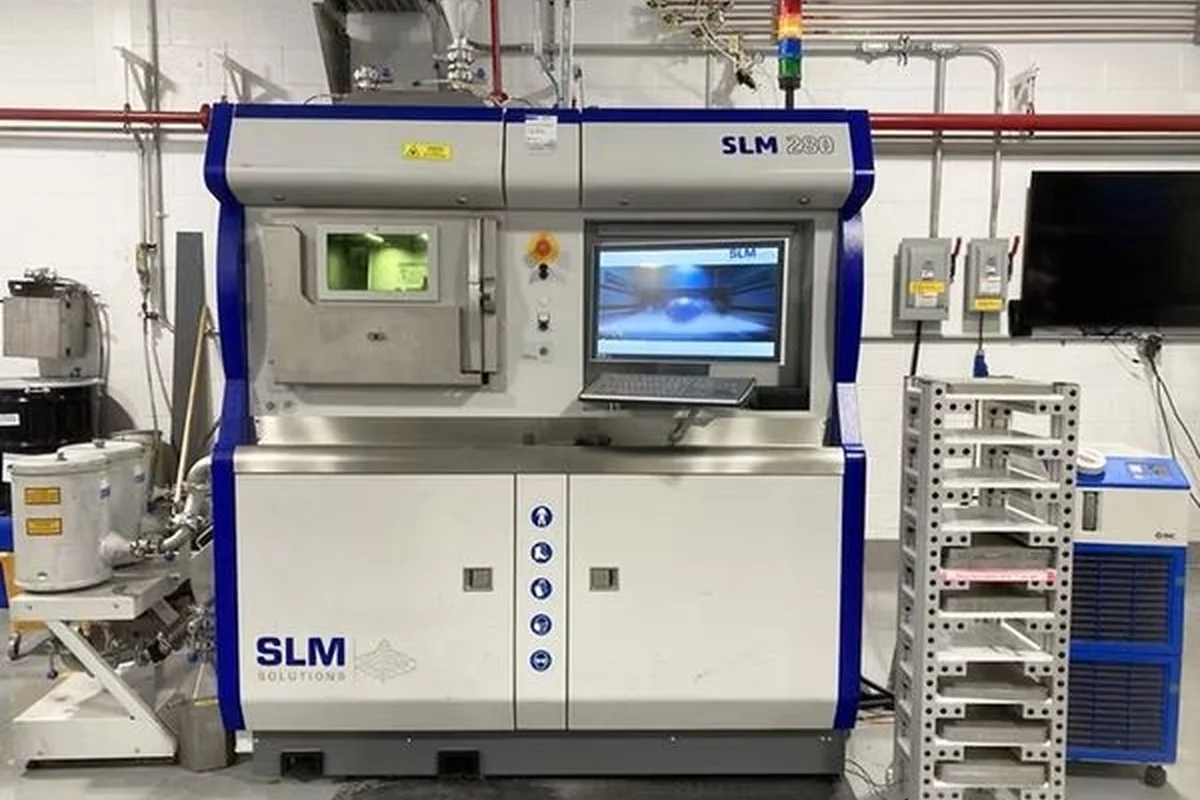
Lava3DP operates a fleet of 3d printers for metal capable of executing the most demanding industrial designs. We do not use hobbyist desktop machines. Our facility houses multi-laser powder bed systems that ensure high density, exceptional mechanical properties, and repeatable accuracy across every build cycle. Whether you require a single critical bracket or a batch of complex manifolds, our infrastructure is built to scale.
Engineering Design Review and DFM Support
Throwing a CAD file over a digital wall and hoping for the best is a recipe for failed builds. At Lava3DP, we provide proactive design optimization and Design for Additive Manufacturing (DFM) feedback. Our experienced engineering support team reviews your files to identify potential build risks—such as insufficient wall thickness, excessive overhangs, or inadequate support structures—before printing begins. This drastically reduces lead times and prevents costly design iterations.
Fast Online Quoting and Global Shipping
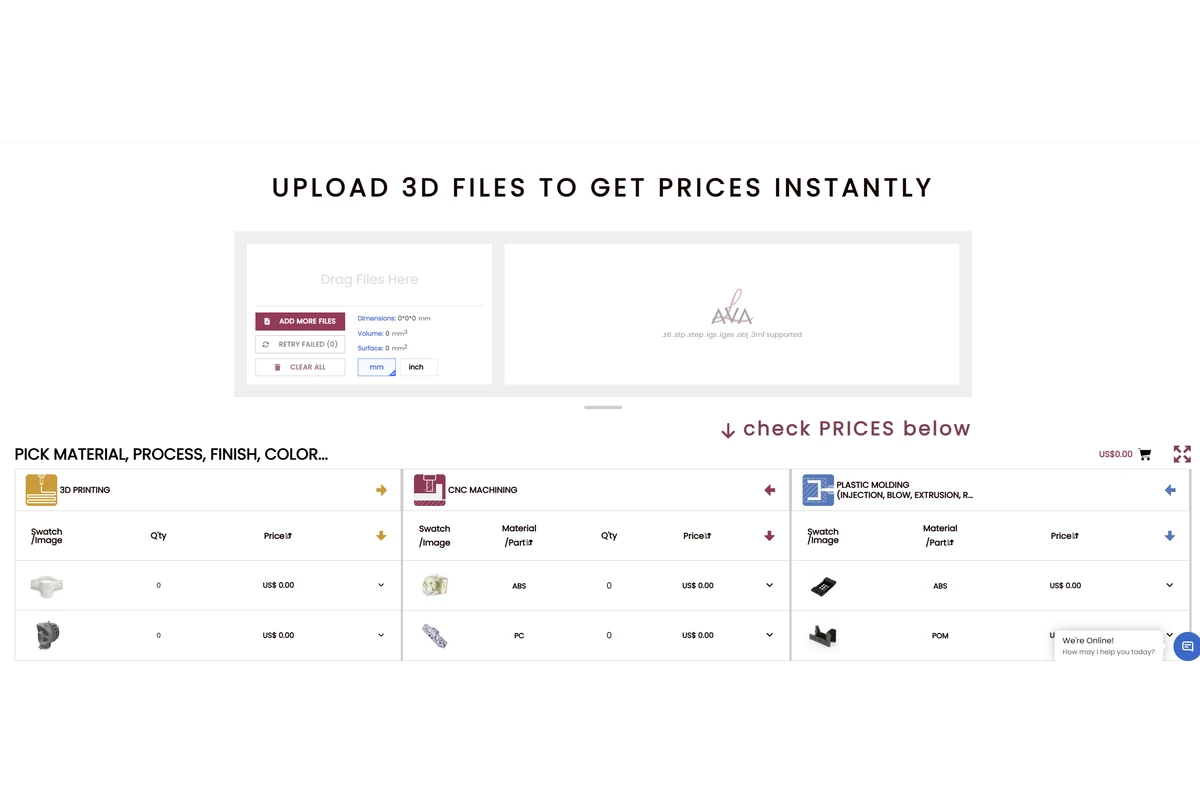
We have eliminated the slow, manual quoting processes of the past. By uploading your CAD files directly to our platform, you can access our 3d printing instant quote engine. Get transparent pricing, material availability options, and lead-time estimates in seconds. Once your parts pass our rigorous quality control, we utilize secure, high-speed global shipping networks to deliver your parts directly to your facility, anywhere in the world.
From One Prototype to Low-Volume Production
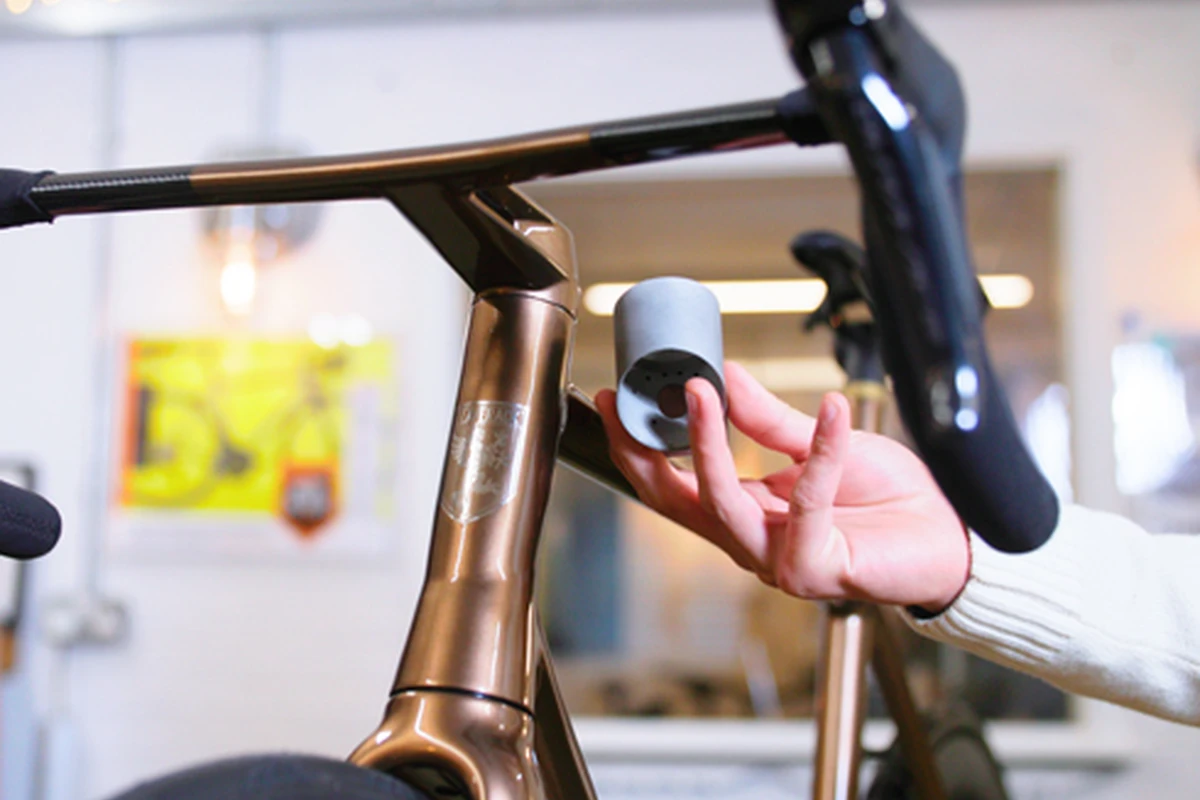
Lava3DP supports your journey from the initial spark of an idea to low volume metal production. We have no minimum order quantities (MOQ). If you need a single, highly specialized custom titanium component, we will print it. If your project scales to hundreds of production-grade metal parts, our automated scheduling and fleet capacity allow us to pivot seamlessly to meet your volume requirements.
Related: Custom Liquid Cold Plates: Design Guide, Manufacturing Methods & Cost (2026)
Our Metal 3D Printing Technologies
Selective Laser Melting (SLM)
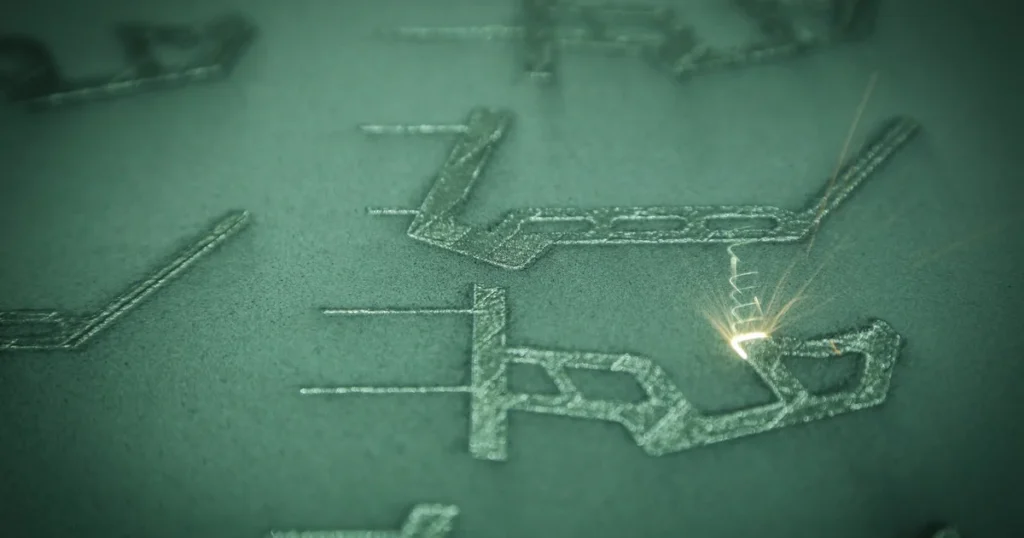
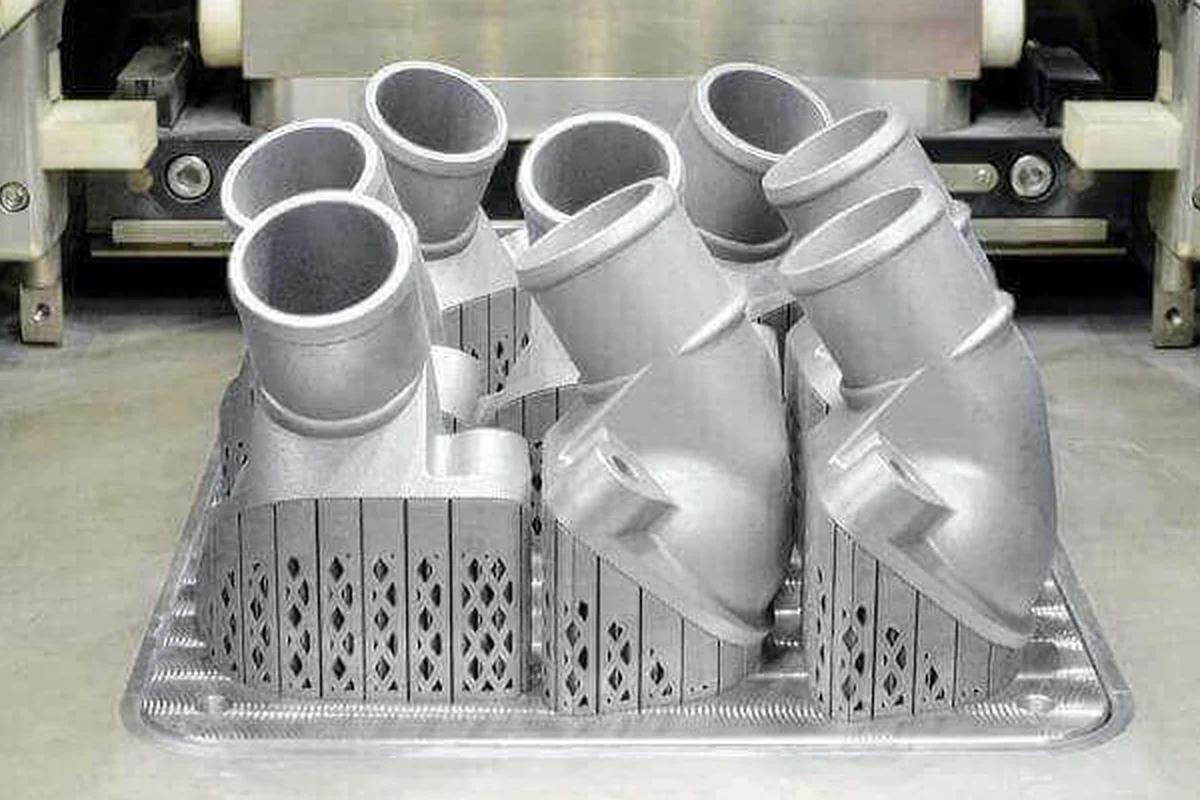
Selective laser melting (often referred to as SLM metal printing) is a high-power powder bed fusion technology. It uses a fine-tuned laser to completely melt metallic powder grains together, forming a fully dense, homogenous solid. SLM is highly favored for producing parts with exceptional mechanical strength and density comparable to wrought metals.
Direct Metal Laser Sintering (DMLS)
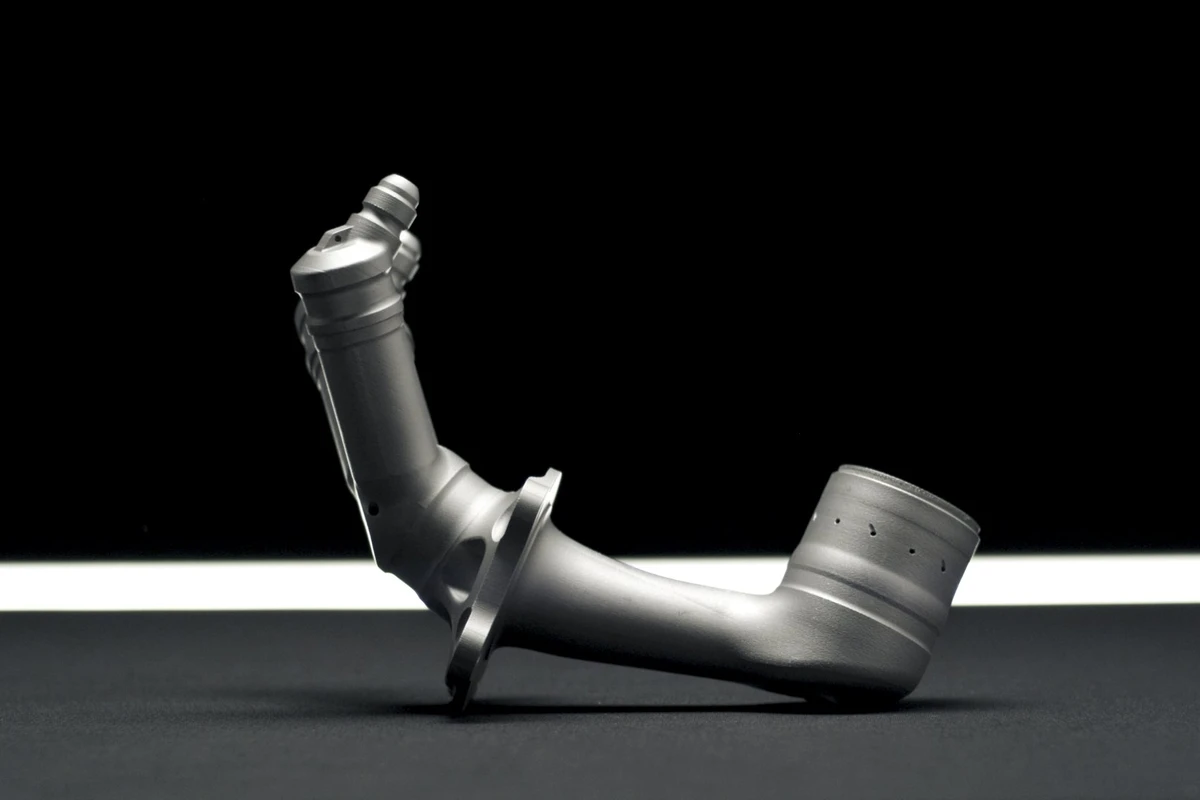
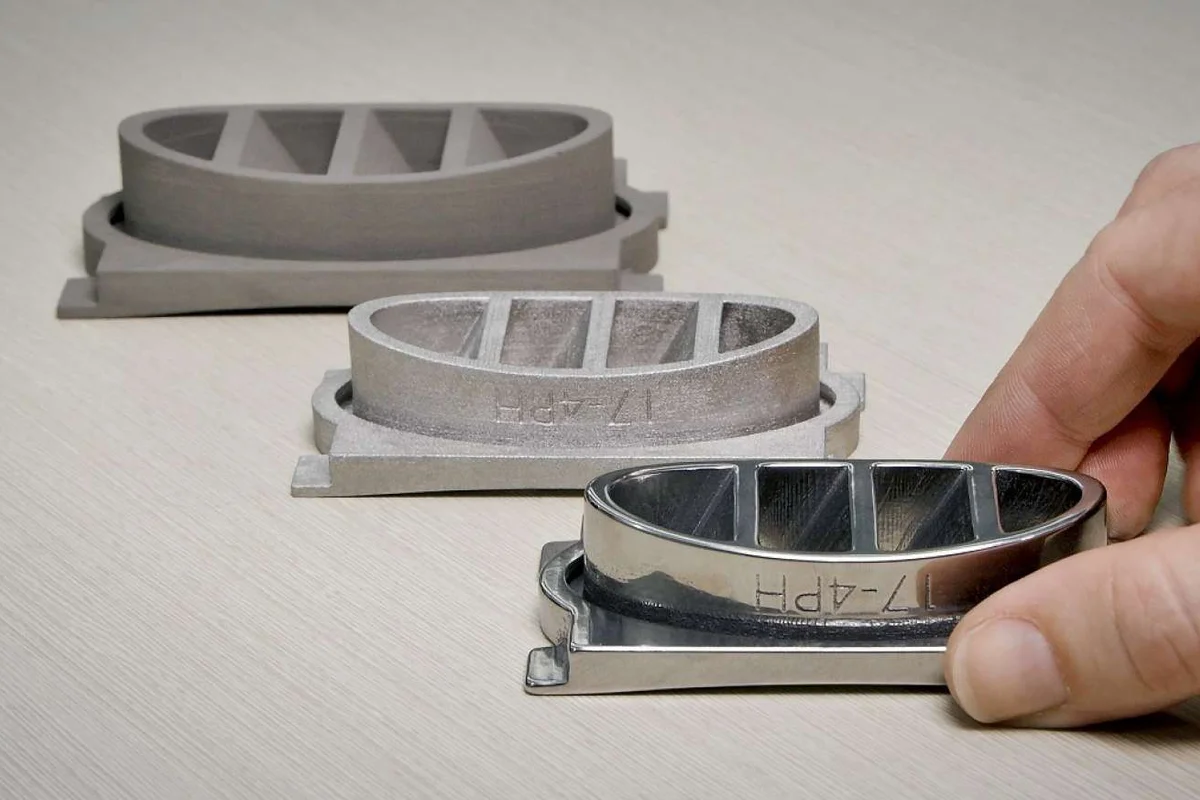
While similar to SLM, direct metal laser sintering (DMLS printing) heats the metal particles to the point of fusion at a molecular level without fully liquefying them. Both SLM and DMLS fall under the laser powder bed fusion (LPBF) category. DMLS is incredibly popular for printing superalloys and custom metal parts that require excellent structural properties.
Metal Binder Jetting
For those seeking cost-effective, high-throughput production, metal binder jetting is a game-changer. This binder jet metal printing process works by depositing a liquid binding agent onto a bed of metal powder, layer by layer, to form a “green” part. This part is then cured, depowdered, and placed into a high-temperature furnace for sintering. Sintering burns away the binder and fuses the metal particles, resulting in highly complex components at a fraction of the cost of laser-based systems.
Directed Energy Deposition (DED)
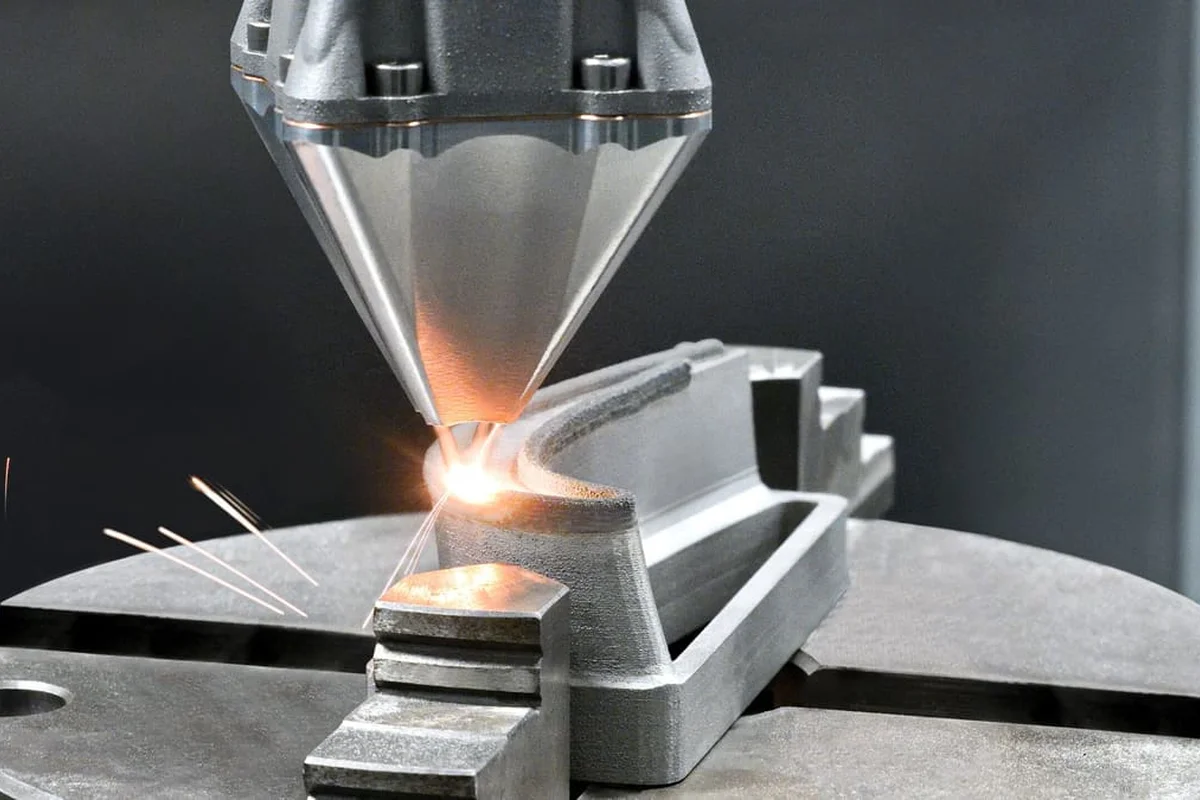
Directed Energy Deposition (DED) uses a nozzle mounted on a multi-axis robotic arm to deposit metal wire or powder directly onto a substrate while simultaneously melting it with a laser or electron beam. It is primarily used for repairing damaged industrial components, adding features to existing CNC-machined parts, or building massive, near-net-shape structures.
Electron Beam Melting (EBM)
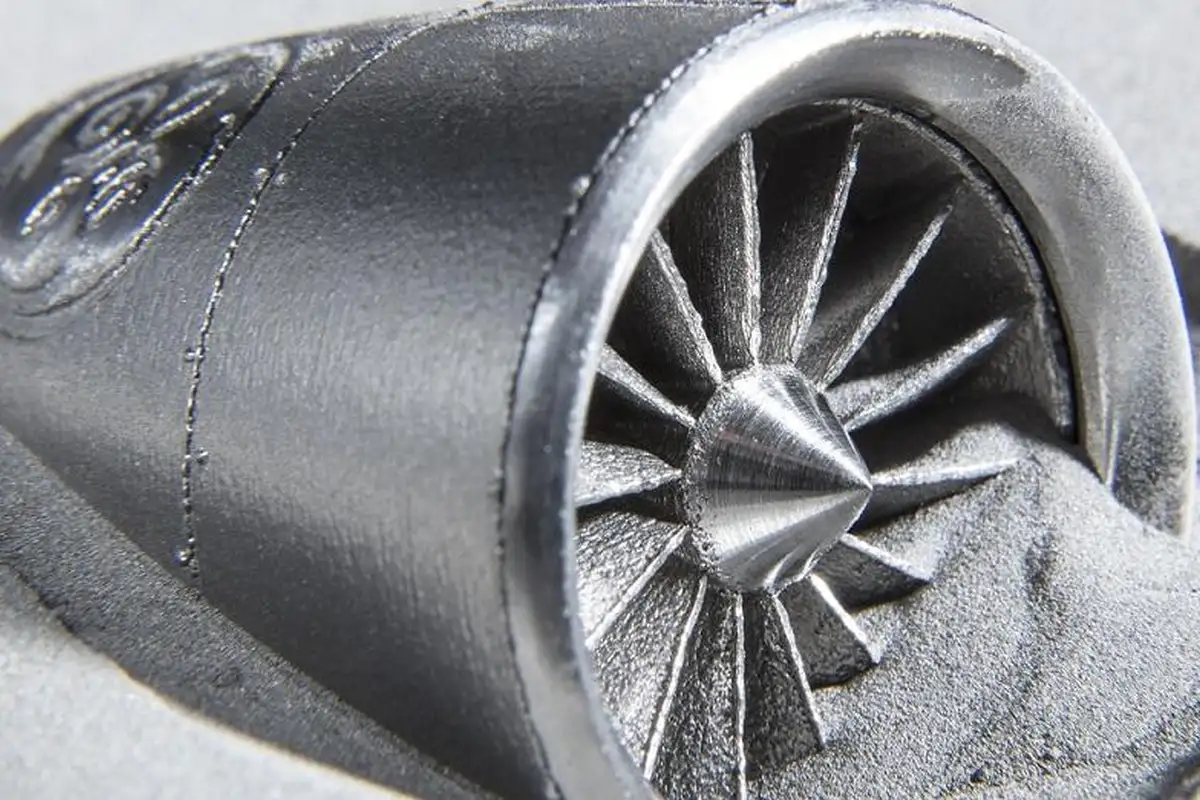
Electron beam melting (EBM) uses a high-energy electron beam as its heat source rather than a laser. The entire process takes place inside a high-temperature vacuum chamber. This vacuum environment prevents oxidation, making EBM the preferred choice for printing highly reactive metals like titanium for critical orthopedic implants and aerospace components.
Metal Fused Deposition Modeling (Metal FDM)
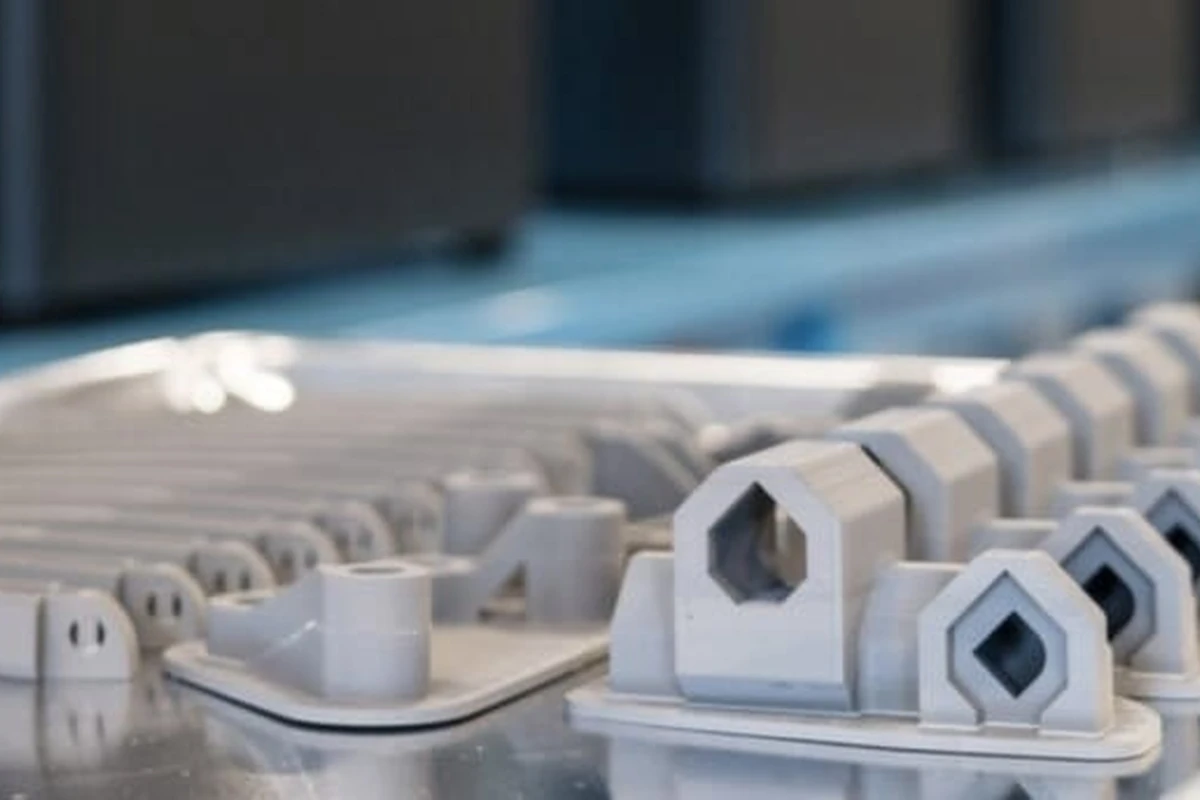
For simpler, low-cost functional prototypes, Metal Fused Deposition Modeling utilizes a metal 3D printing filament—a composite material made of metal powder bound within a thermoplastic matrix. Once the printer deposits this filament layer by layer, the green part undergoes chemical debinding and thermal sintering to yield a solid, functional metal component.
Choosing the Right Metal Printing Technology
Selecting the right technology depends entirely on your project’s mechanical requirements, budget, and surface finish expectations. The table below provides a quick comparative snapshot:
| Technology | Best For | Typical Density | Surface Roughness (Ra) | Typical Min. Feature Size |
|---|---|---|---|---|
| SLM / DMLS | High-strength, complex functional components | > 99.5% | 8 to 15 μm | 0.3 mm to 0.4 mm |
| Metal Binder Jetting | Low-volume production runs, complex internal channels | 95% to 98% | 4 to 10 μm | 0.5 mm |
| EBM | Heavy-duty aerospace & orthopedic medical implants | > 99.9% | 15 to 30 μm | 1.0 mm |
| Metal FDM | Low-cost functional prototypes, tooling | 95% to 98% | 10 to 20 μm | 0.8 mm |
Related: Rapid Prototyping Guide (2026): Processes, Materials & Costs
Metal Materials We Offer
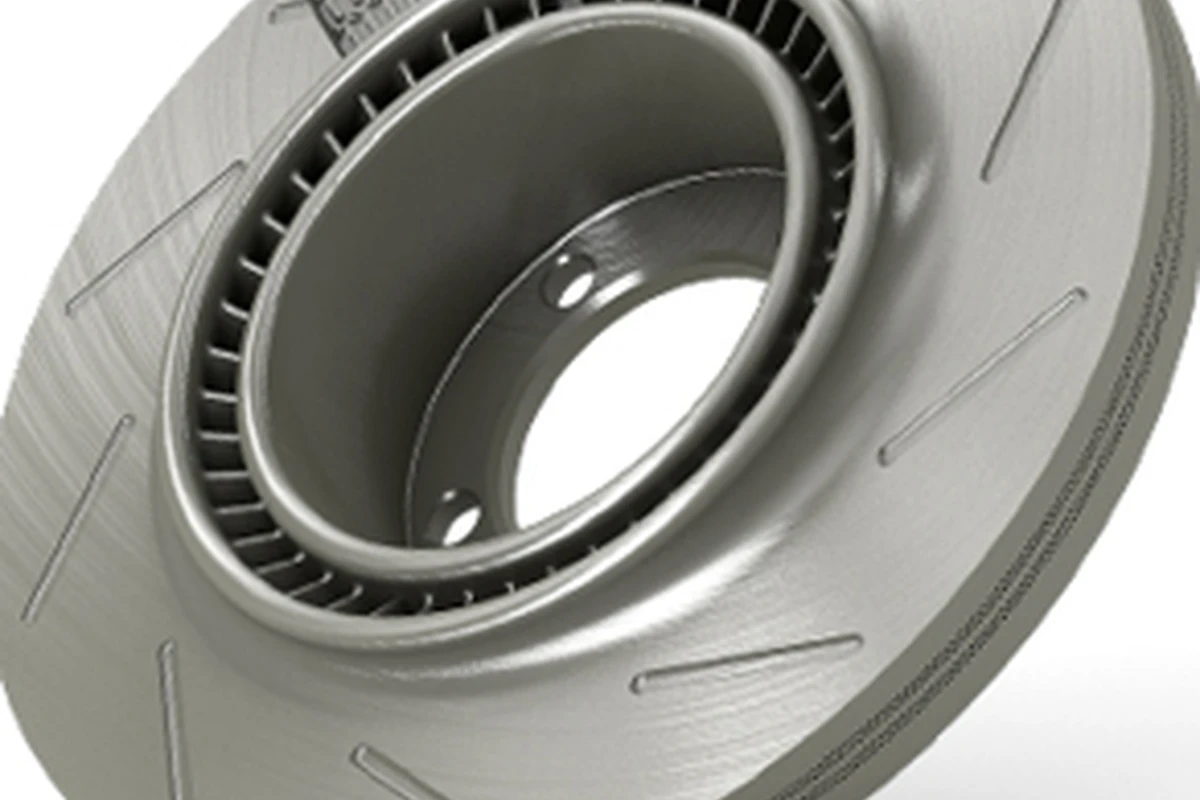
Stainless Steel
316L Stainless Steel: Known for its exceptional corrosion resistance and excellent ductility. It is widely used in marine environments, food processing equipment, and chemical applications.
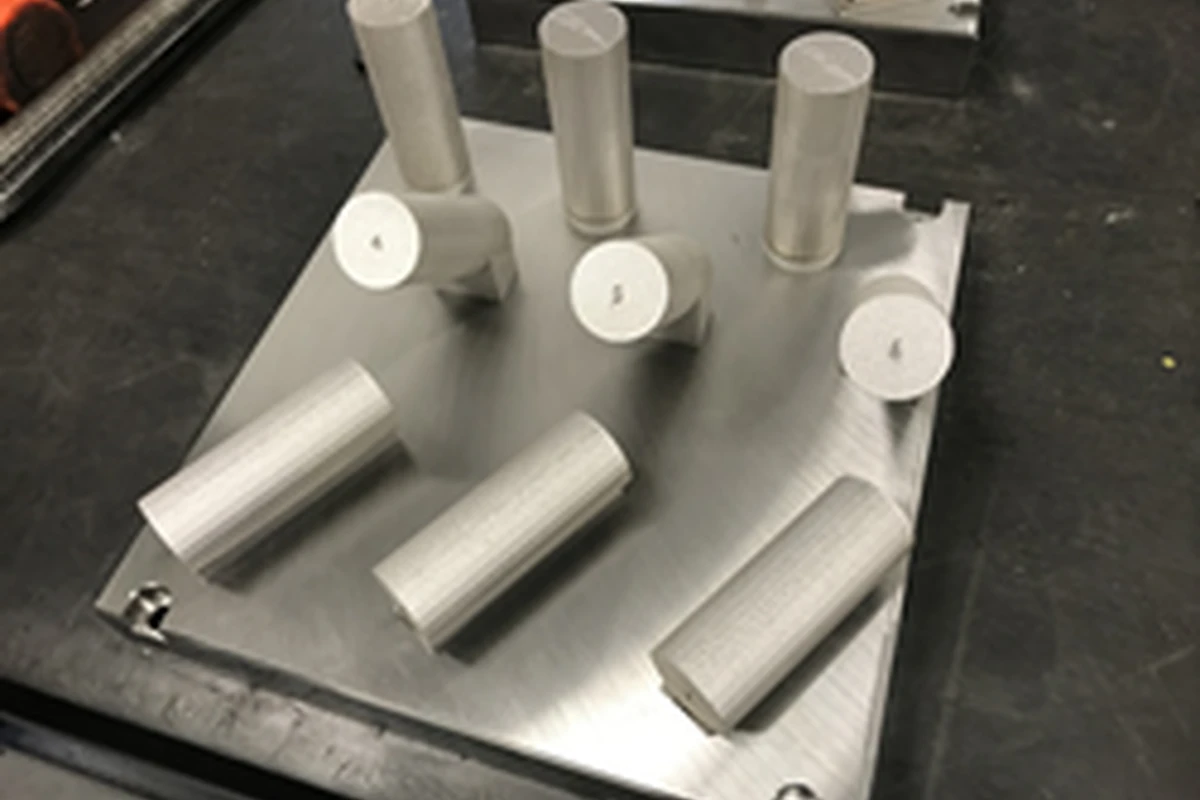
17-4 PH Stainless Steel
17-4 PH Stainless Steel: A precipitation-hardening alloy that offers a superb combination of high strength, hardness, and moderate corrosion resistance. Perfect for high-stress mechanical components.
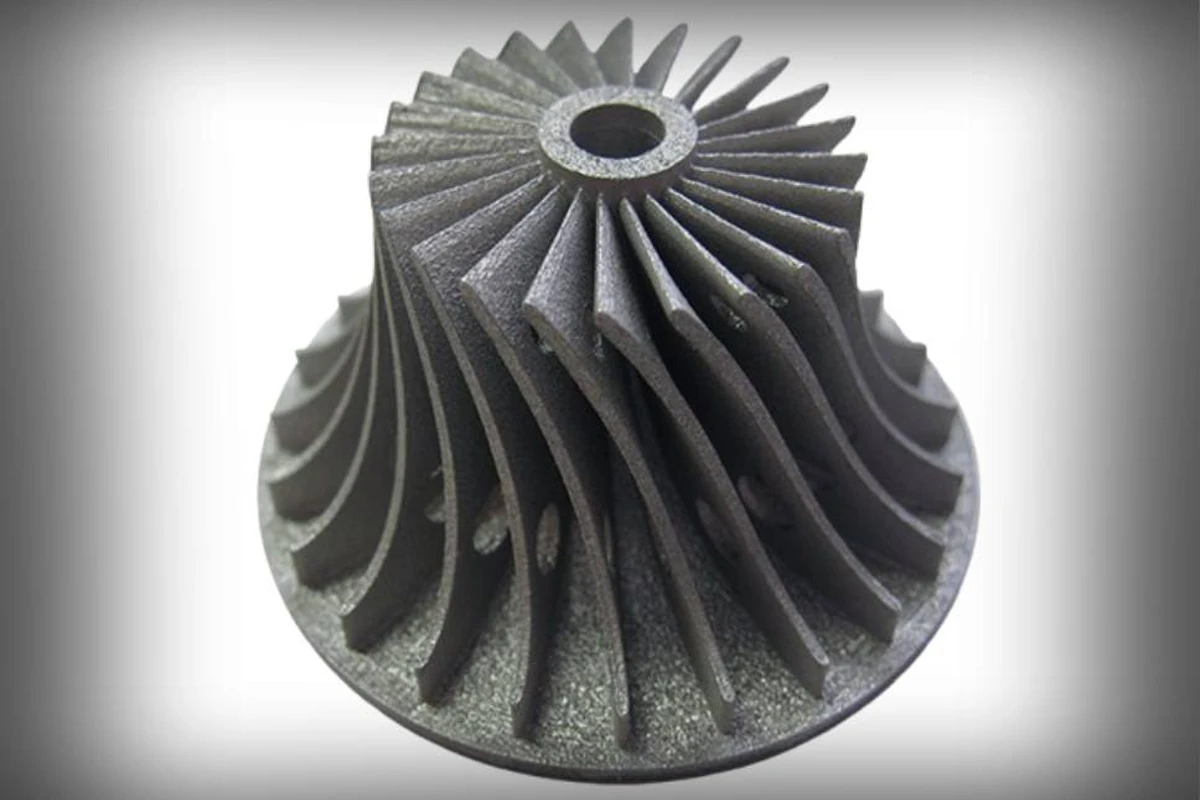
Aluminum Alloys
Through our aluminum 3d printing service, we primarily process AlSi10Mg. This light, highly weldable aluminum alloy exhibits excellent thermal and electrical conductivity, making it the ideal candidate for lightweight housing units and custom heat sinks.
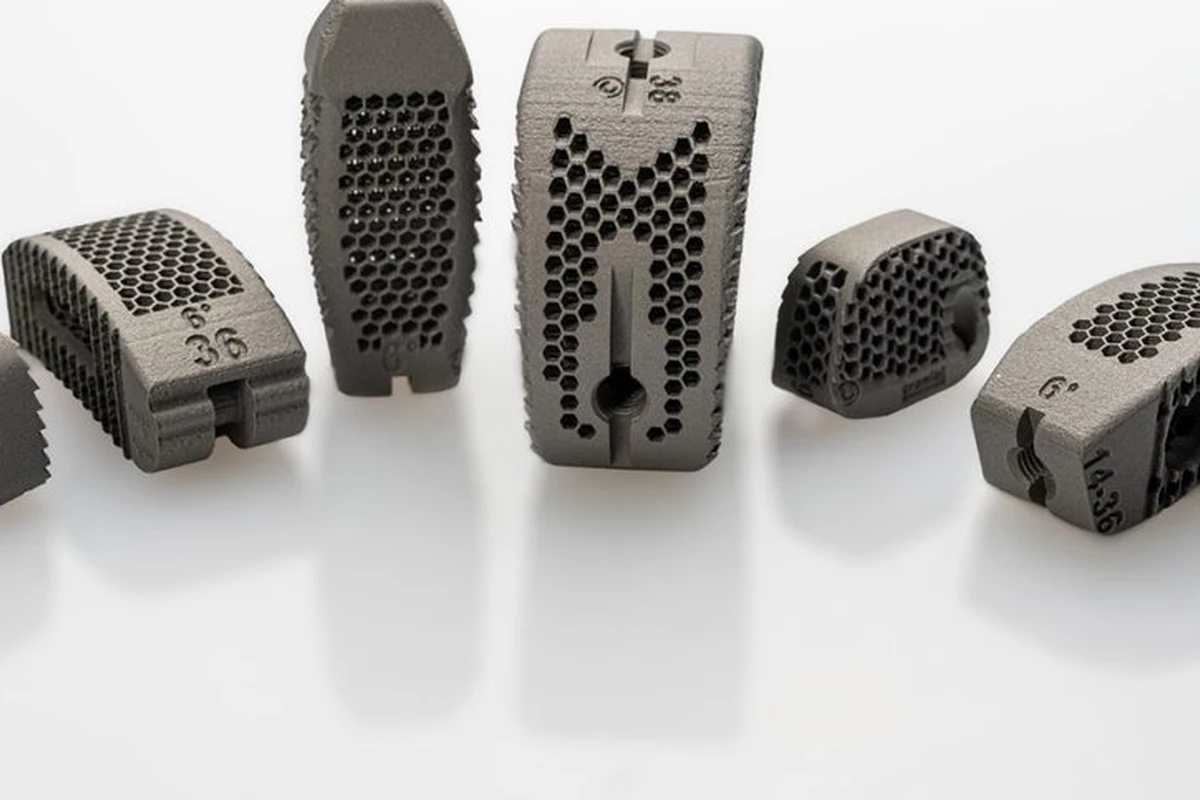
Titanium Alloys
Titanium is the holy grail of high-performance metals. Our titanium metal 3d printing service utilizes medical-grade Ti6Al4V (Grade 5). This material offers an incredibly high strength-to-weight ratio, outstanding corrosion resistance, and complete biocompatibility.
Tool Steel
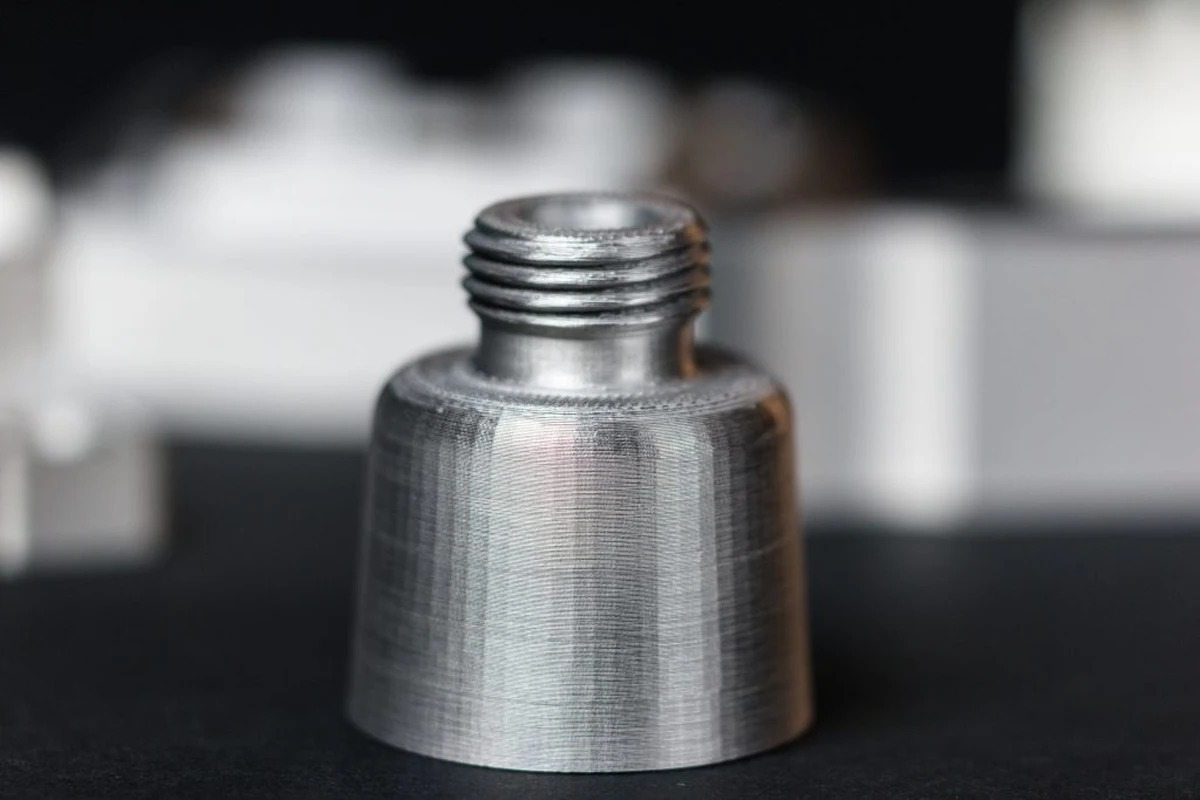
Our tool steel 3d printing capabilities feature H13 and M2 tool steels. These metals are optimized for high hardness, abrasion resistance, and stability at extreme temperatures—perfect for custom industrial molds, injection tooling, and cutting dies.
Maraging Steel
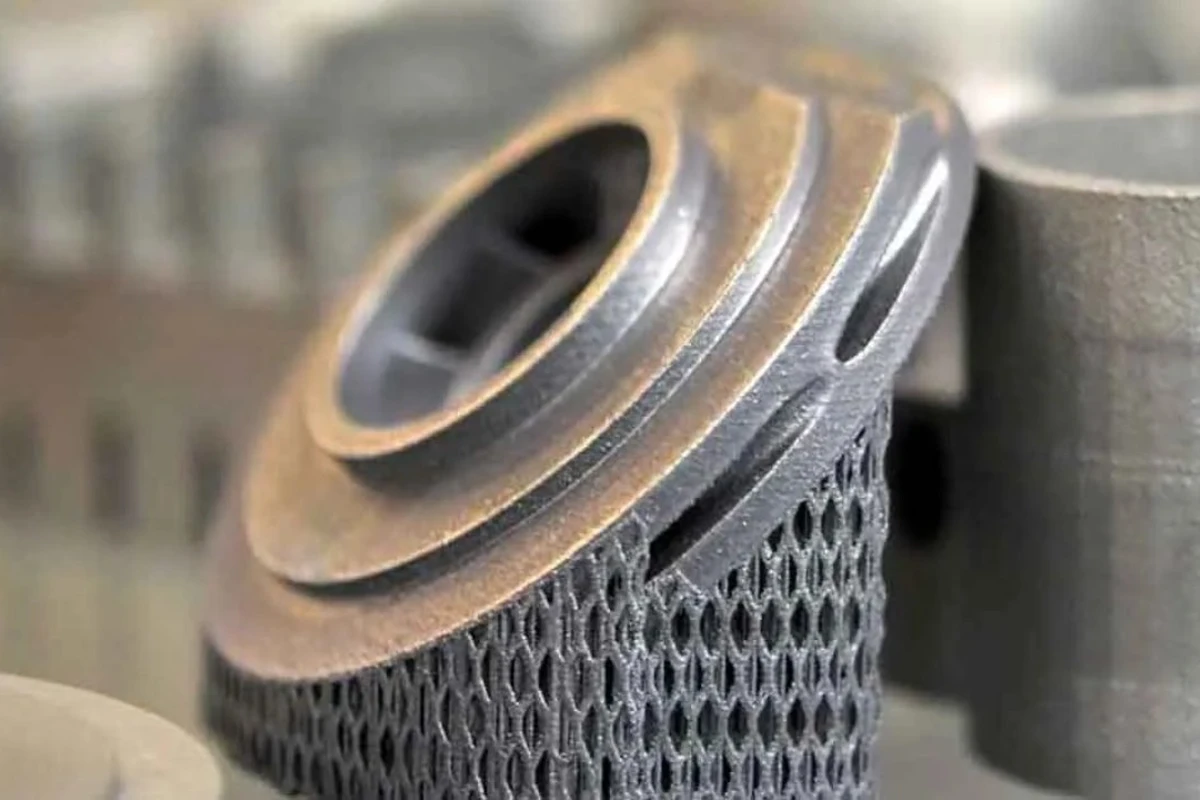
Engineers turn to maraging steel 3d printing when they need ultra-high strength, high toughness, and resistance to crack propagation. It is widely used for heavy-duty drive shafts, aerospace landing gear, and high-performance motorsport components.
Inconel (Nickel Superalloys)
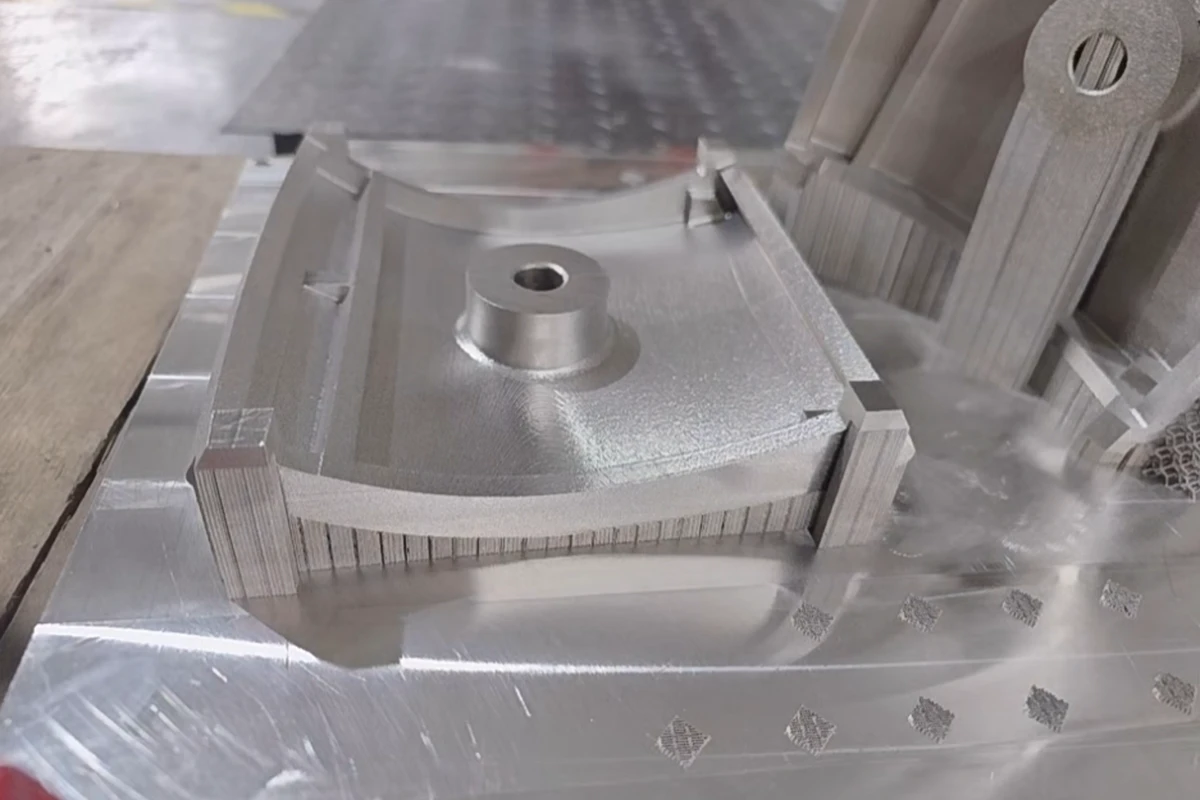
For extreme environments, we offer inconel 3d printing (specifically Inconel 718 and Inconel 625). These nickel-chromium superalloys retain their high tensile, creep, and rupture strength at elevated temperatures up to 700°C, while resisting oxidation and corrosion.
Cobalt Chrome
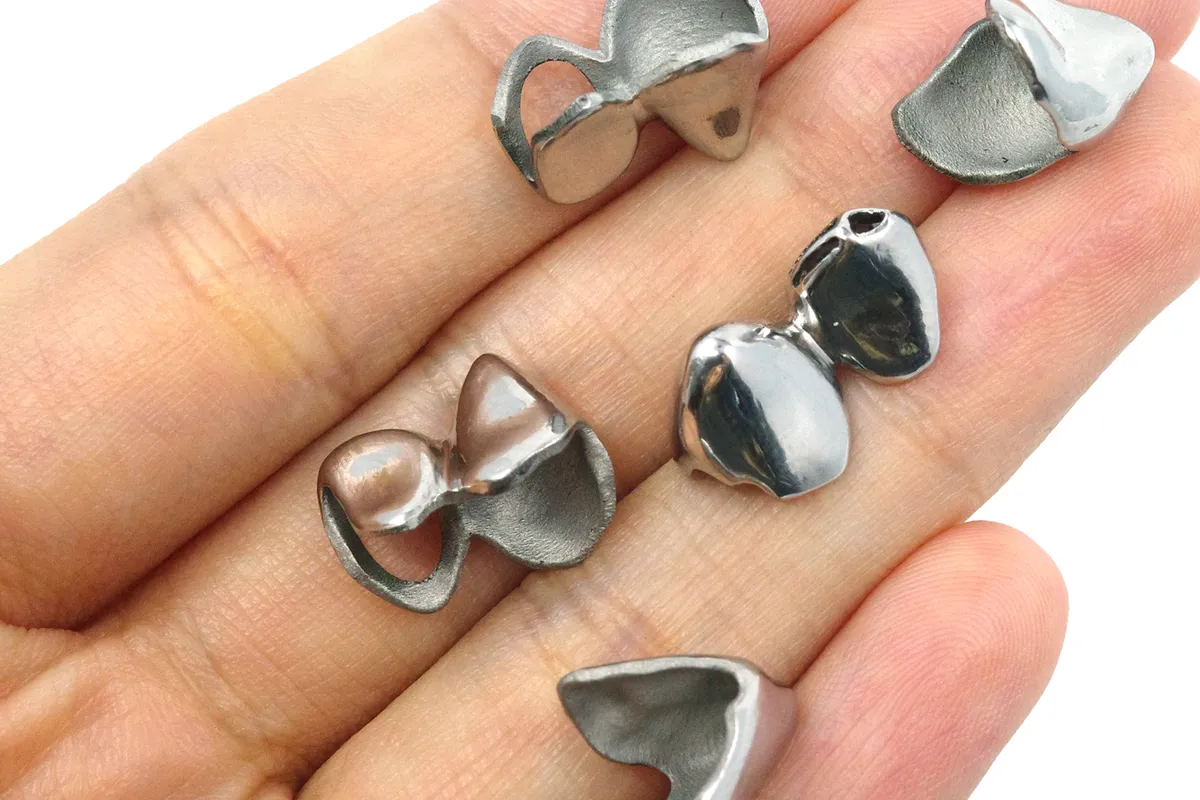
Cobalt chrome 3d printing produces components with exceptional wear resistance, high-temperature stability, and biocompatibility. It is highly valued for custom dental restorations, joint replacement implants, and heavy-wear industrial parts.
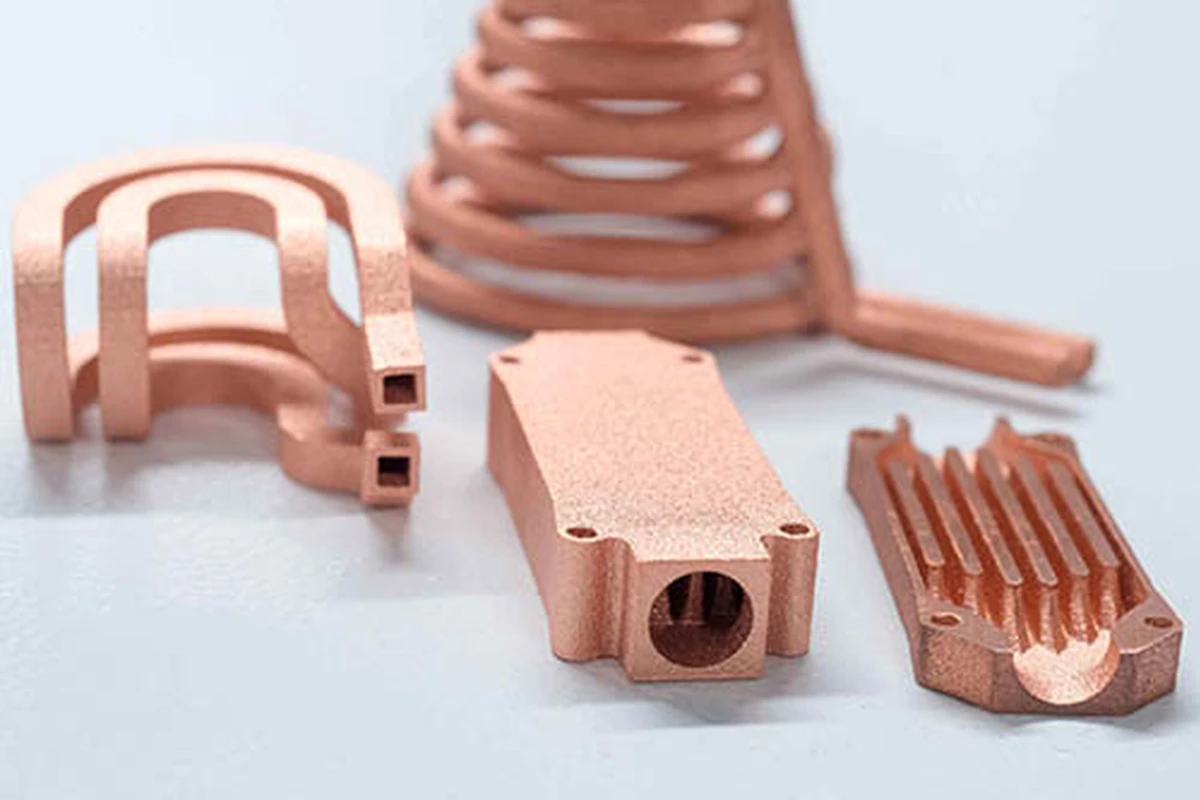
Copper and Copper Alloys
With copper 3d printing, we print pure copper and copper-chromium-zirconium alloys. This is highly beneficial for electrical contacts, high-efficiency induction coils, and advanced heat exchangers that require maximum thermal and electrical conductivity.
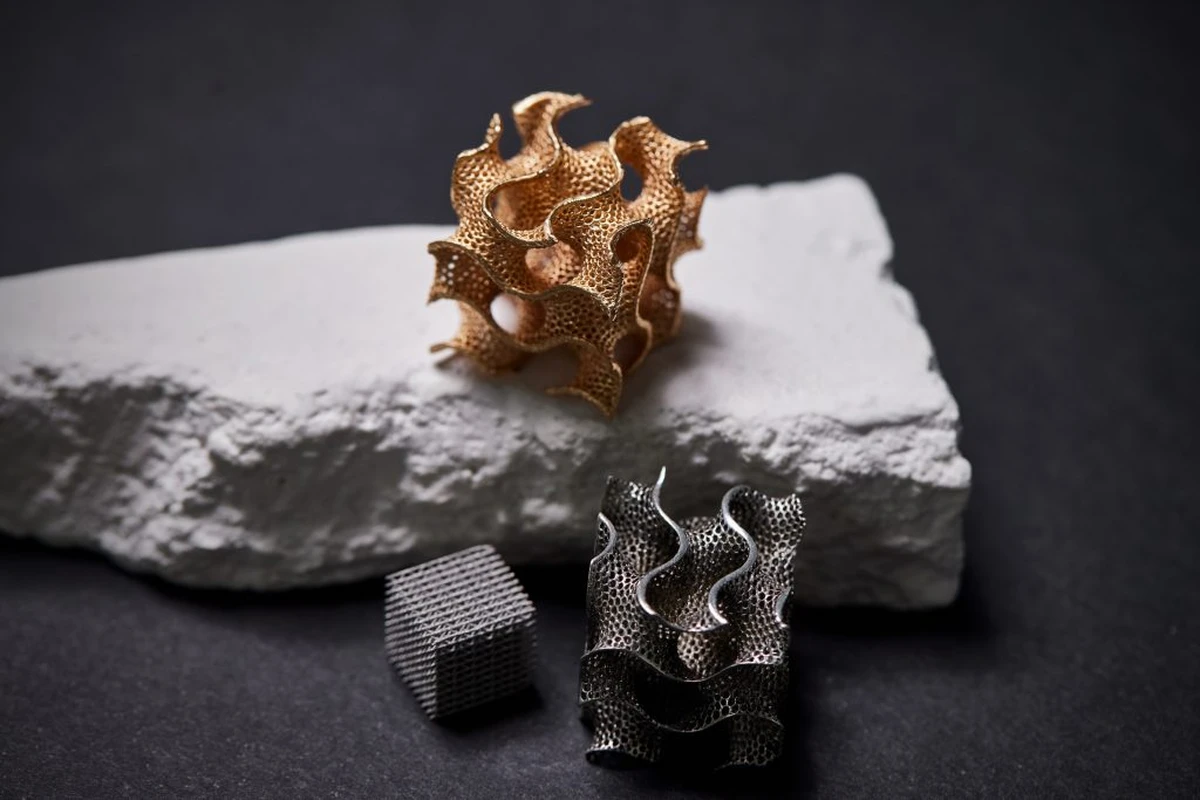
Precious Metals
For specialized aerospace sensor components, high-end design prototypes, or jewelry, we offer custom precious metal processing upon request. Contact our engineering team to discuss specific material parameters.
Material Selection Guide by Application
Not sure which materials are the best metal for 3d printing your project? Use our application-based matrix:
| Design Goal | Application Scenario | Recommended Material |
|---|---|---|
| High Corrosion Resistance | Food/Marine | 316L Stainless Steel |
| High Corrosion Resistance | Extreme Chemical | Inconel 625 |
| Maximum Weight Reduction | Aerospace Structural | Ti6Al4V Titanium |
| Maximum Weight Reduction | Thermal Enclosure | AlSi10Mg Aluminum |
| Heavy Mechanical Wear & Stress | Industrial Tooling | H13 Tool Steel |
| Heavy Mechanical Wear & Stress | Engine Fasteners | Maraging Steel / Inconel 718 |
Related: Aluminum CNC Machining: Complete Guide to Processes, Grades, Service Costs & Design Tips (2026)
Industries We Serve
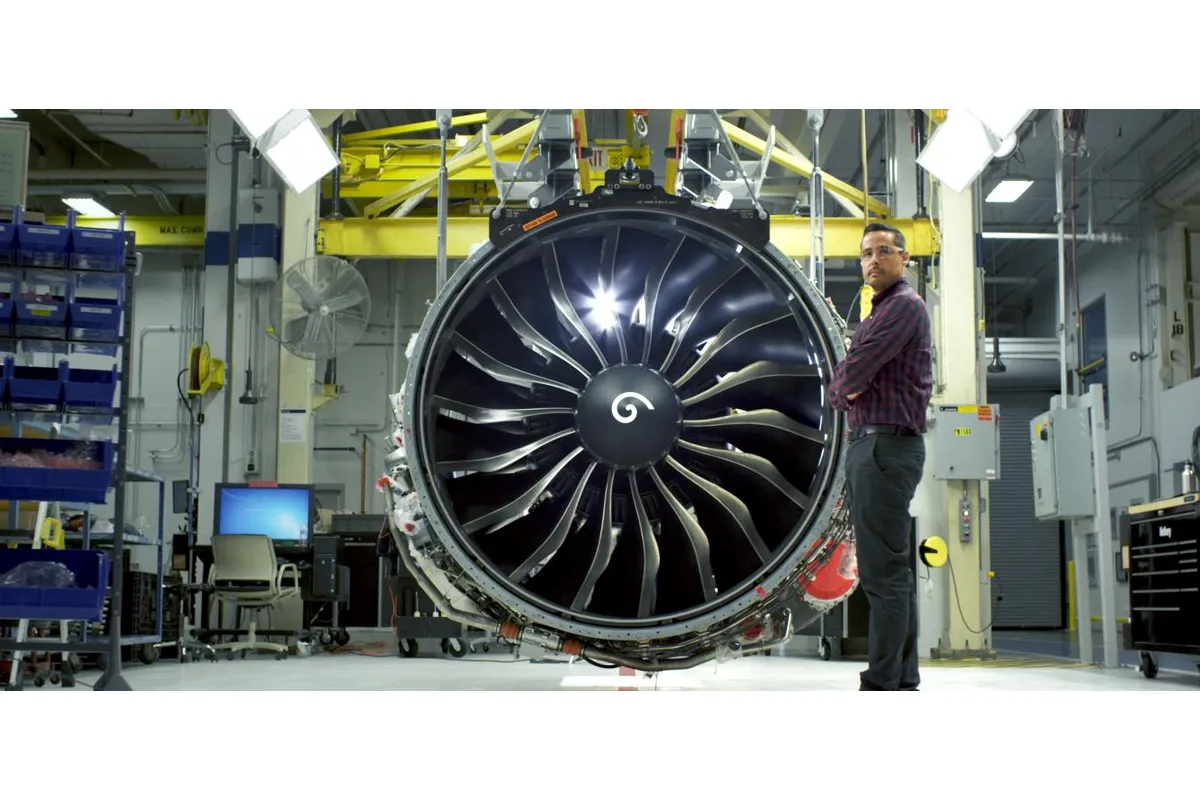
Aerospace Components
The aerospace sector is one of the primary drivers of aerospace metal 3d printing. By consolidating complex multi-part fuel nozzles into single printed components and utilizing lightweight structural geometries, aerospace manufacturers significantly reduce overall aircraft mass, saving millions in fuel costs over a fleet’s lifecycle.
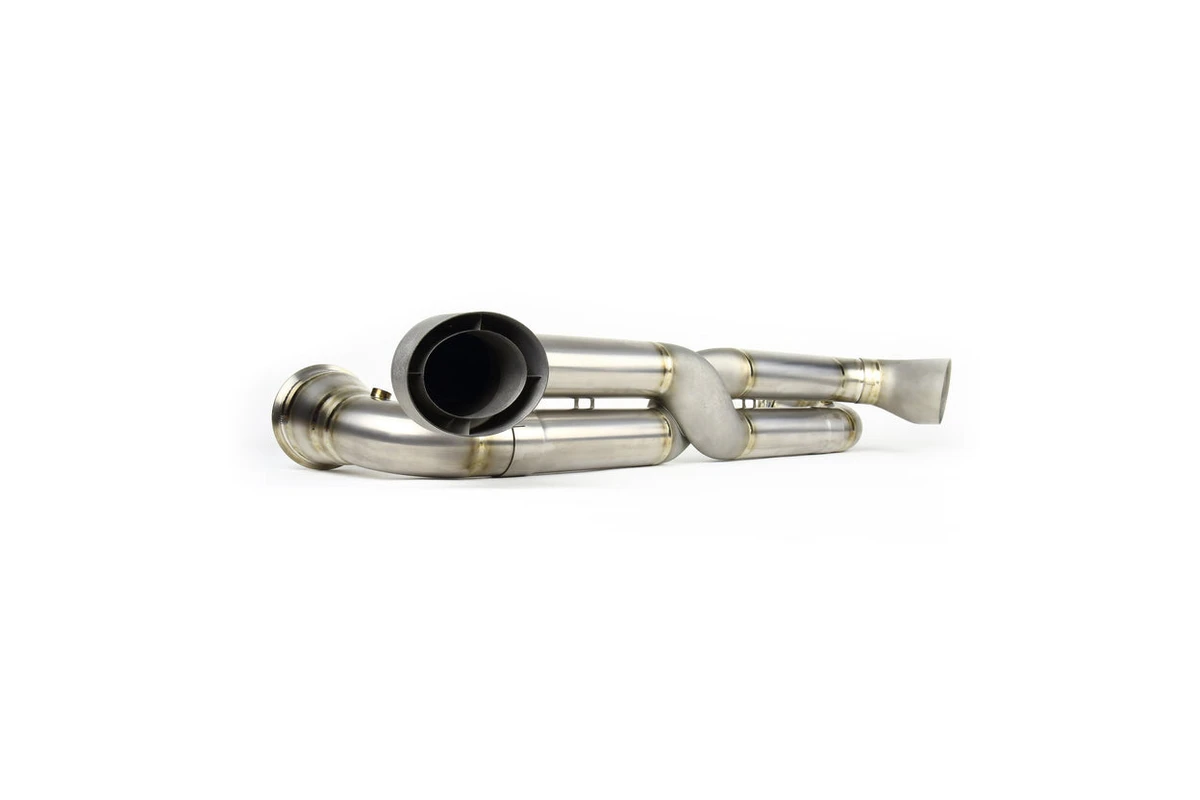
Automotive Manufacturing
Through high-velocity automotive metal printing, we assist racing teams and automotive OEMs in fabricating lightweight suspension brackets, custom exhaust manifolds, and high-performance engine parts. This enables rapid track testing and faster design-to-production cycles.
Medical Devices and Surgical Instruments
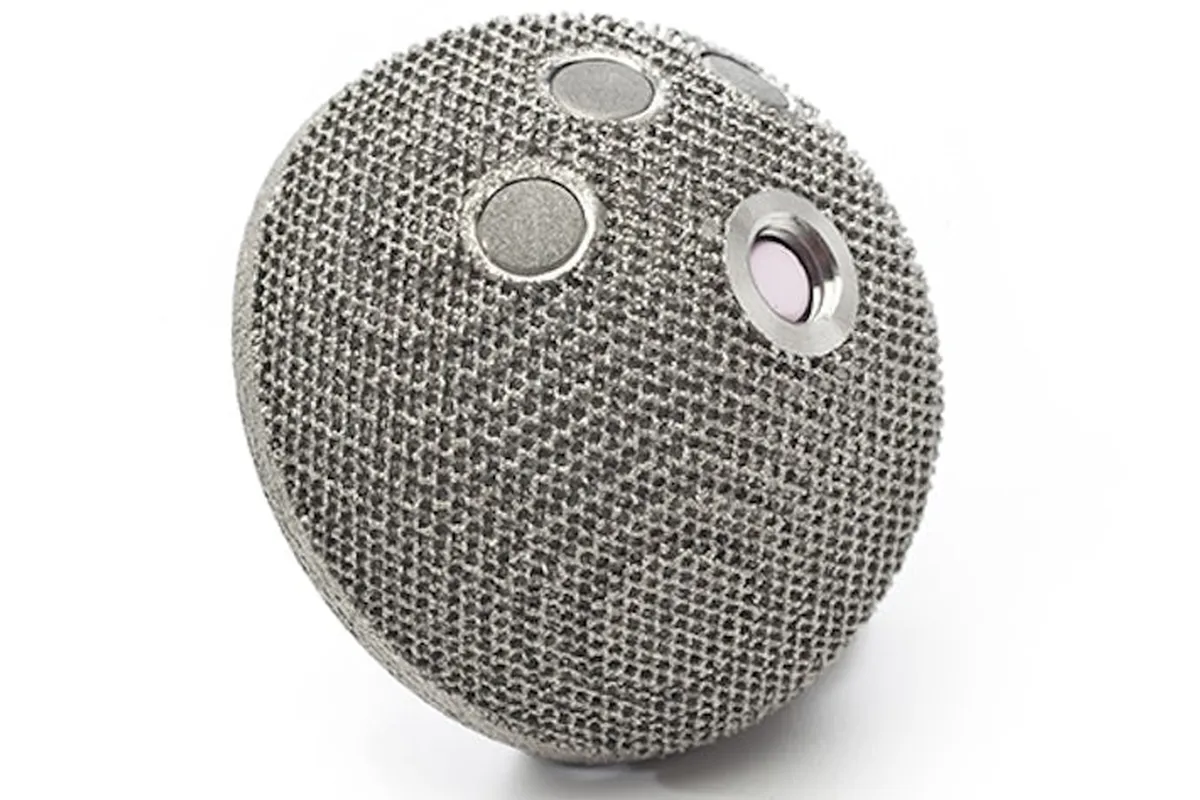
Our medical manufacturing division delivers biocompatible medical metal implants and customized surgical guides. Because 3D printing can create highly porous outer surfaces, printed bone implants promote superior osseointegration, meaning the patient’s bone naturally grows into the implant structure.
Robotics and Automation
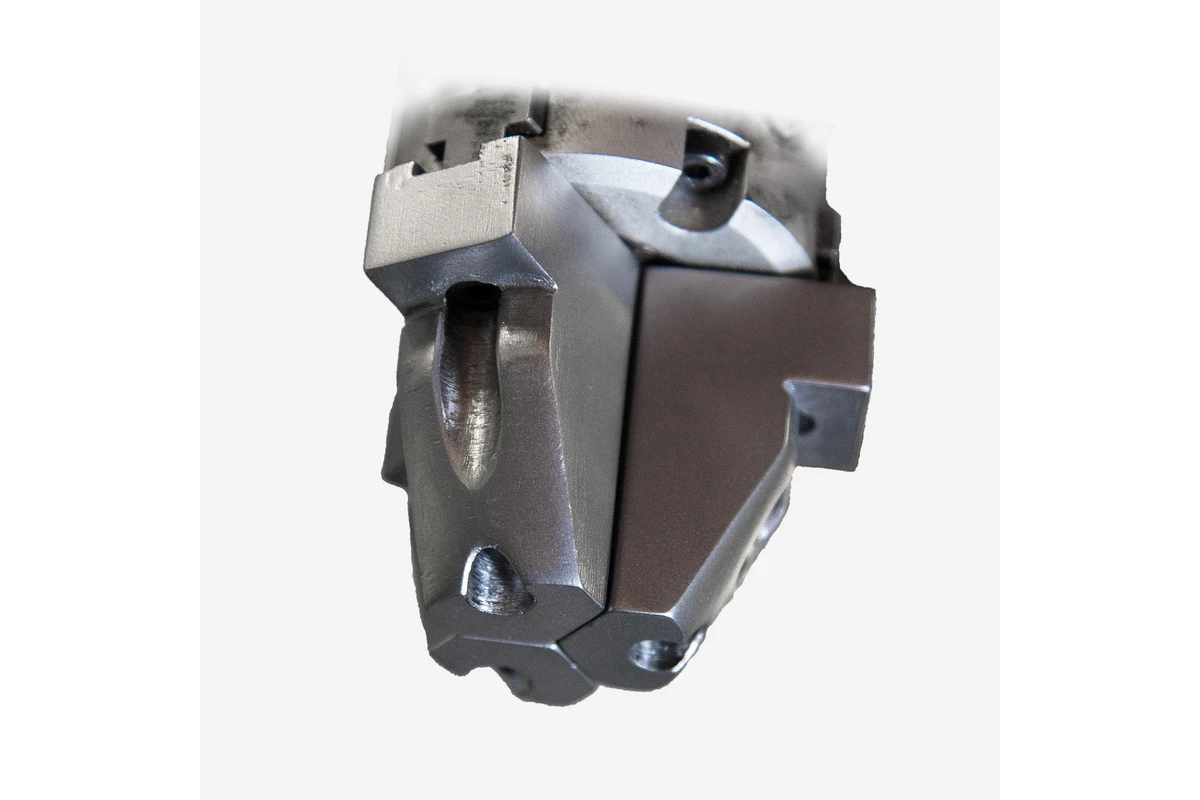
Weight directly impacts the speed and energy consumption of robotic arms. By fabricating lightweight end-of-arm tooling and robotic joints using aluminum 3D printing, we help robotics integrators build faster, more efficient automation systems.
Industrial Equipment
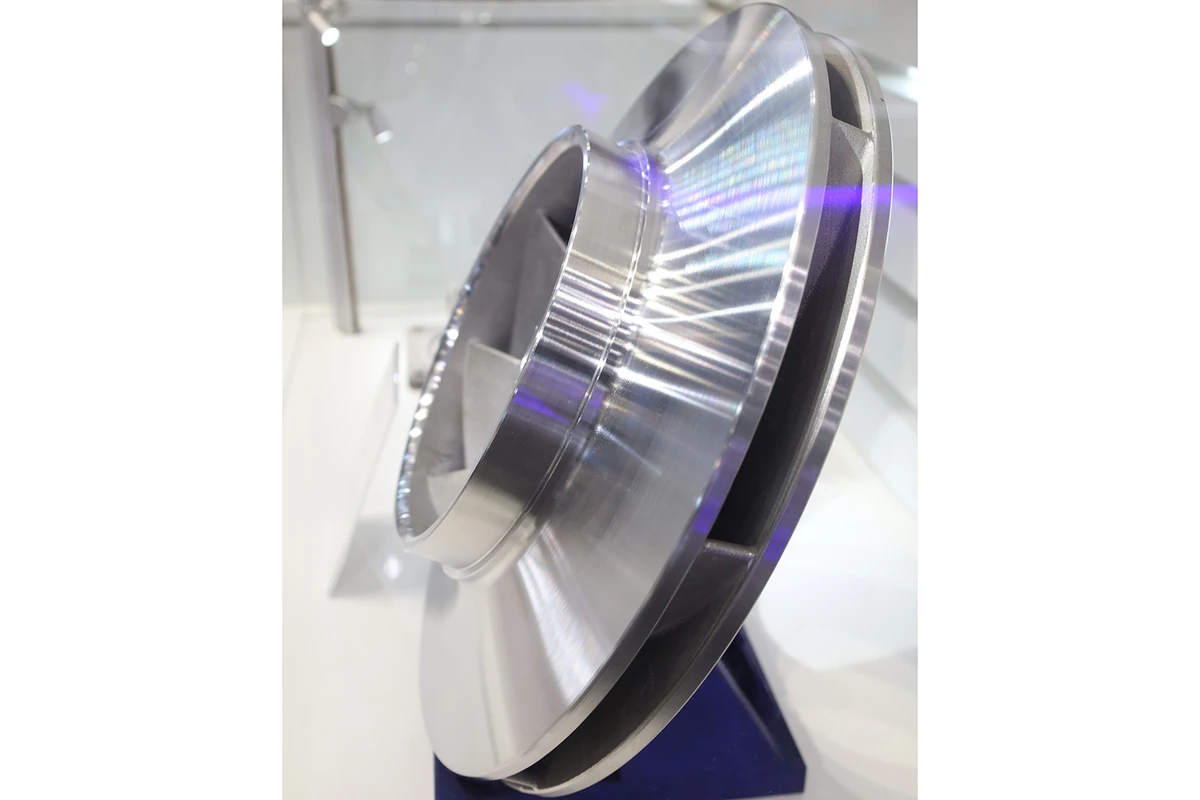
We provide critical metal replacement parts and rugged components for heavy industrial machinery. Our custom fabrication allows plants to keep legacy machinery running by printing obsolete parts on demand, avoiding long production shutdowns.
Oil & Gas Components
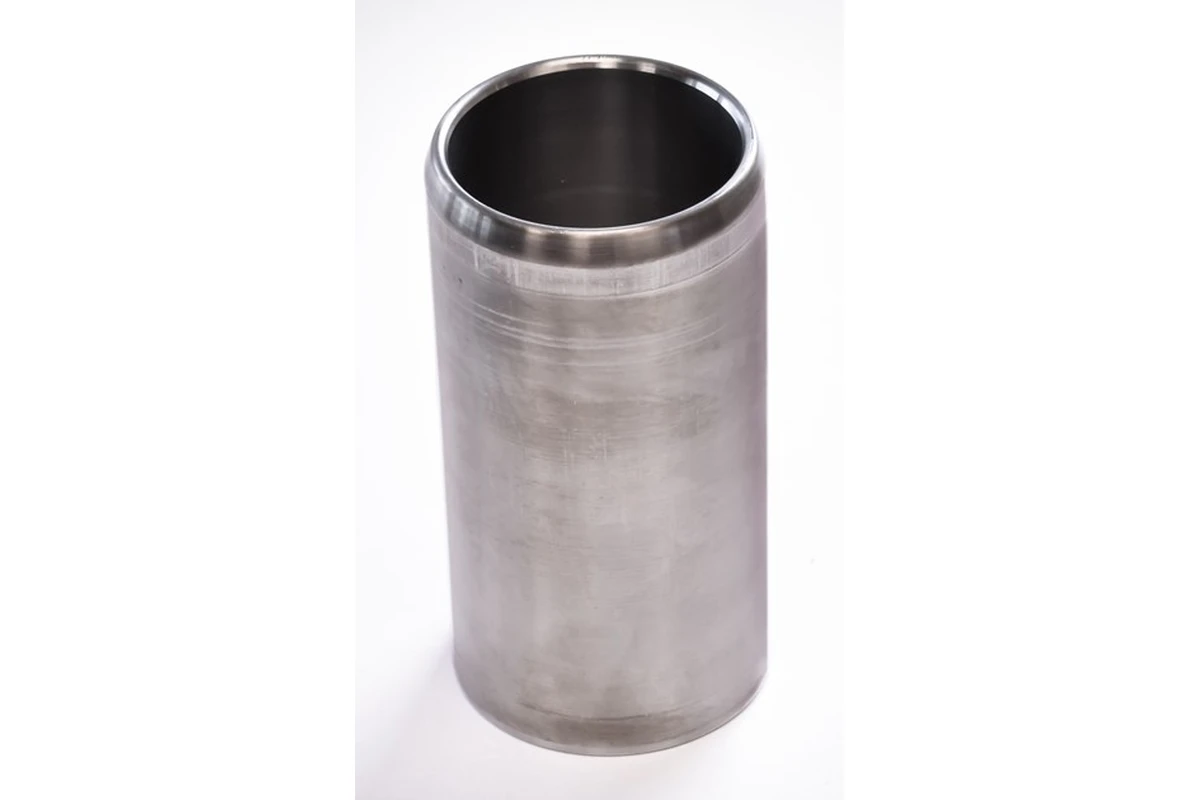
Offshore drilling rigs and refineries operate under extreme pressure and corrosive environments. We print customized flow control valves, drilling bits, and downhole tools out of specialized materials like Inconel and Duplex Stainless Steel.
Electronics and Thermal Management
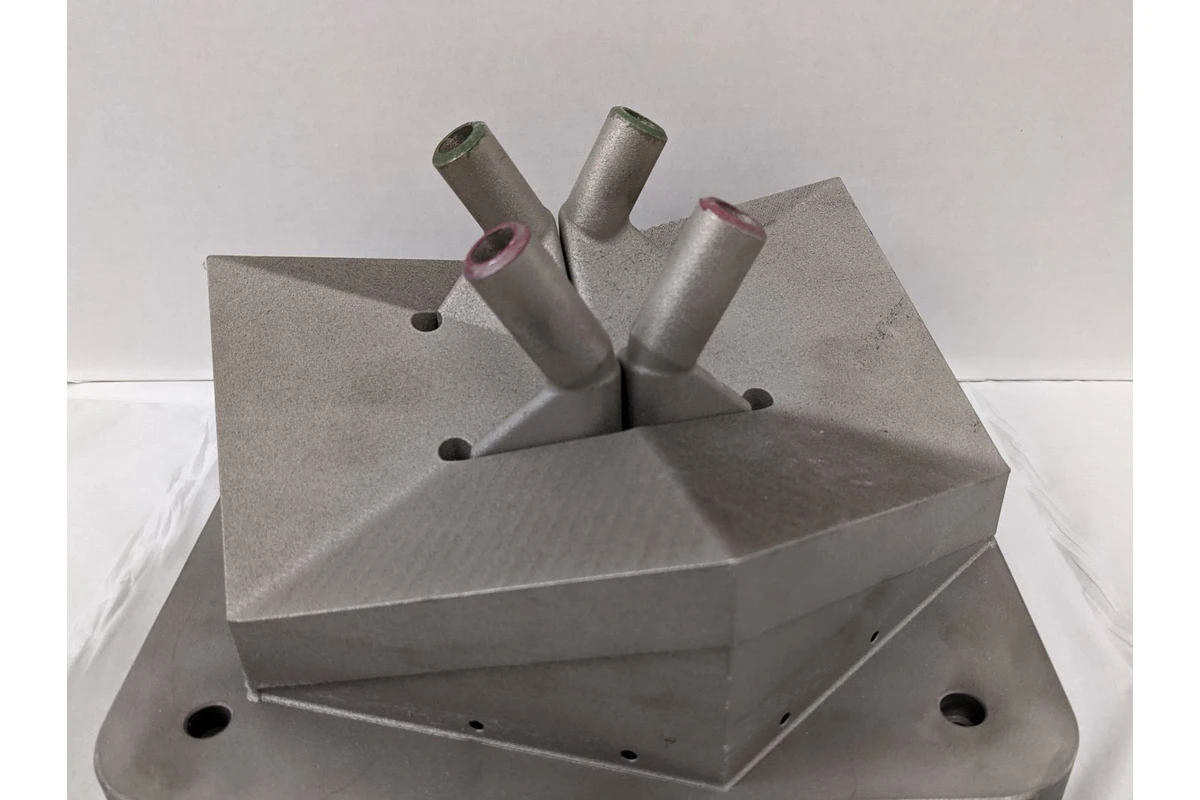
As microchips grow more powerful, heat dissipation becomes a critical bottleneck. We manufacture ultra-compact, high-efficiency heat exchangers with complex, organic internal fluid pathways that cannot be produced via standard drilling or milling.
Defense and Research
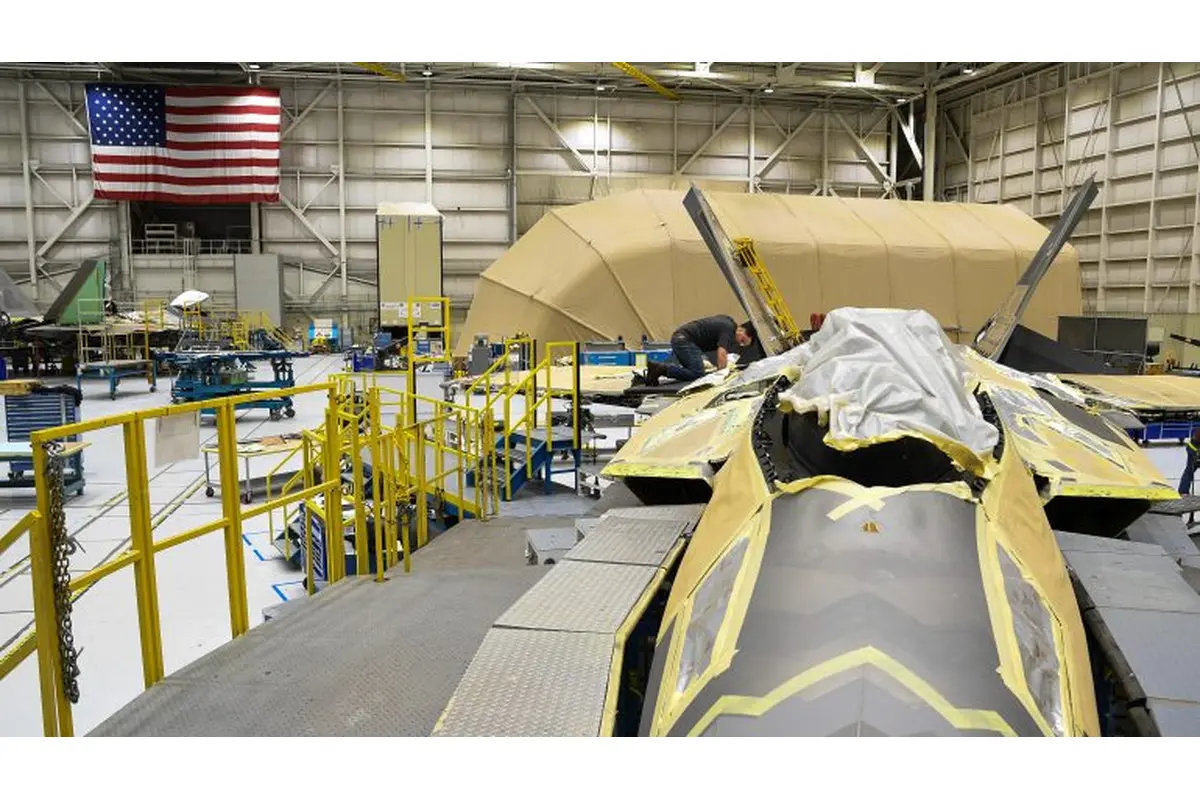
We assist research laboratories and defense contractors with rapid development of advanced prototypes, radar housings, and specialized structural mounts that must perform flawlessly under intense stress.
Applications of Custom Metal 3D Printing
Functional Prototypes
Speed is everything. Building a functional metal prototype with additive manufacturing allows you to run real-world mechanical, thermal, and chemical stress tests in days rather than weeks, accelerating your product development cycle.
End-Use Production Parts
We supply production-grade metal parts for aerospace, defense, and industrial automation. Our advanced post-processing and quality assurance steps ensure these parts meet the same strict mechanical standards as traditionally manufactured parts.
Lightweight Lattice Structures
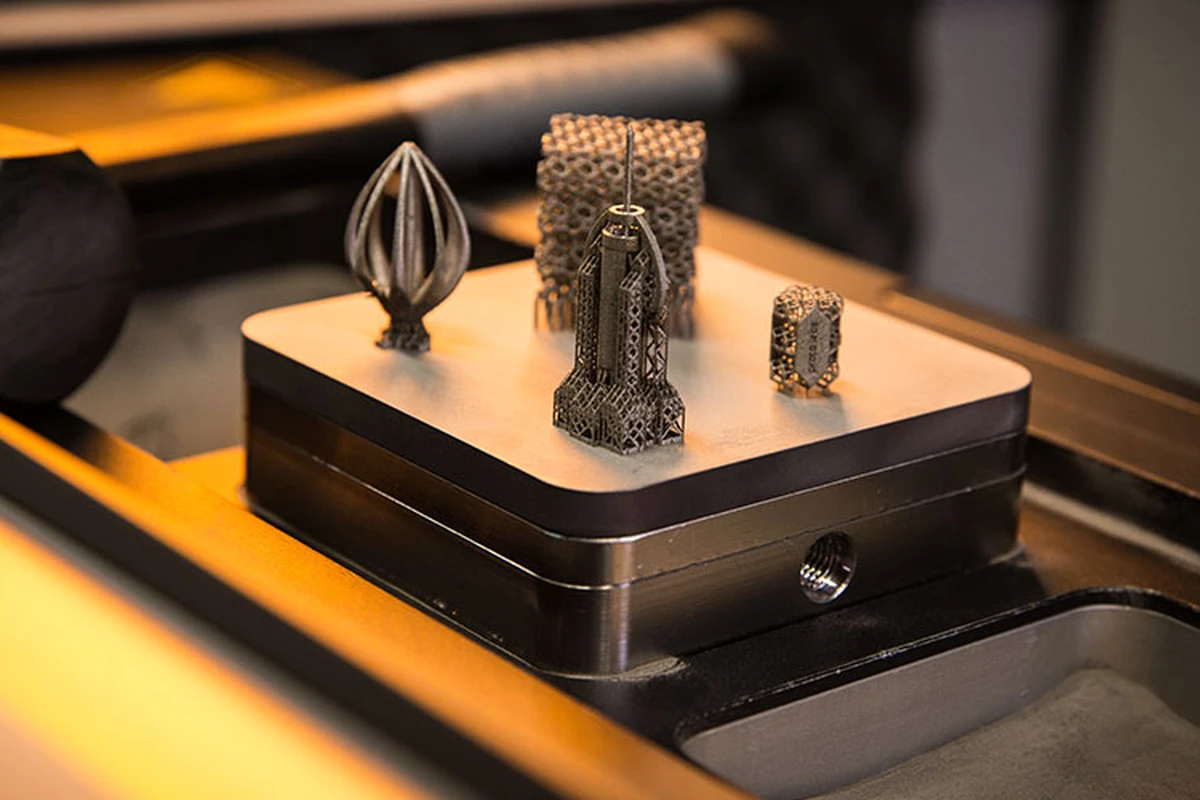
One of the most powerful design freedoms of metal 3D printing is the ability to replace solid metal volumes with lightweight lattice structures. This maintains external structural strength while drastically reducing the overall mass of the component.
Heat Exchangers and Cooling Channels
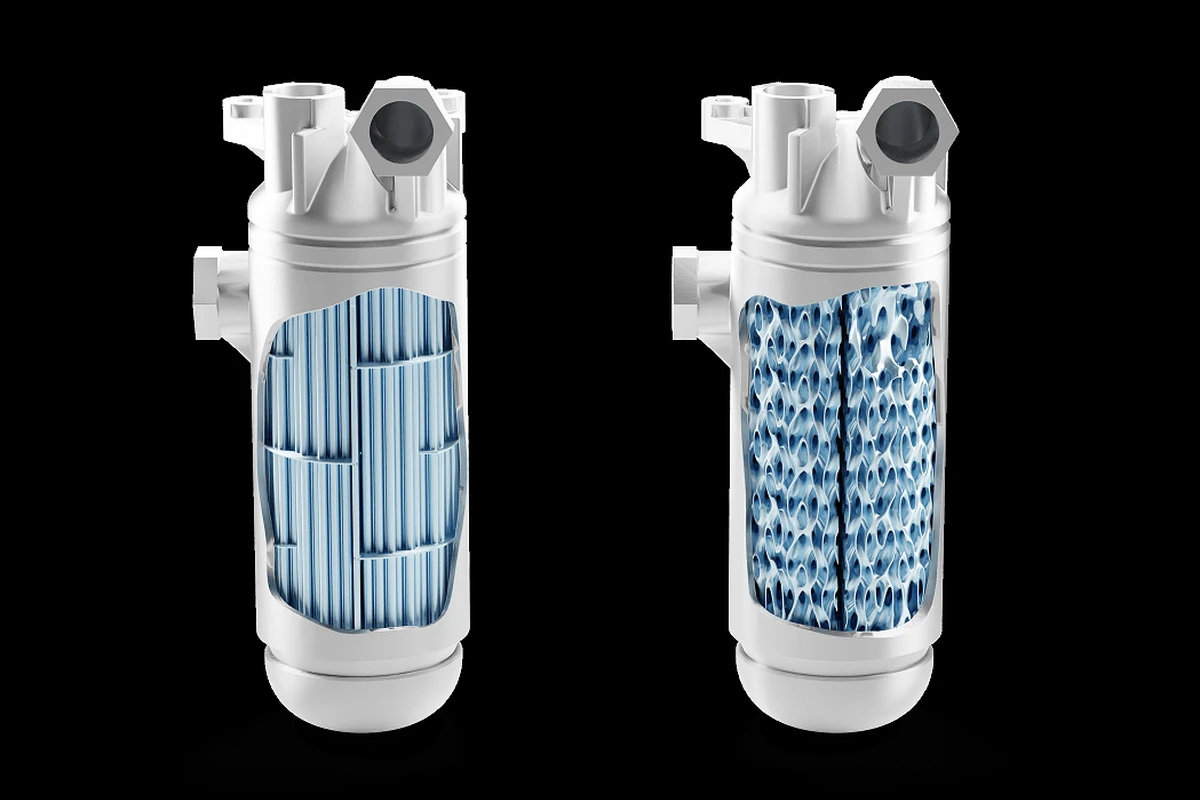
Using conformal cooling channels that closely follow the contours of a part’s surface, our heat exchangers maximize surface area contact. This results in far superior thermal transfer compared to straight, cross-drilled cooling lines.
Manufacturing Tooling and Fixtures
Keep your production line moving. We 3D print specialized assembly jigs, wear-resistant robotic grippers, and custom industrial dies tailored to your specific shop floor layout.
Jigs, Dies, and Custom Fixtures
By utilizing hard tool steels, we produce low-volume metal stamping dies, custom clamping fixtures, and alignment jigs that exhibit extreme wear resistance and long lifespans.
Replacement and Legacy Parts
When an old machine breaks down and the original manufacturer is out of business, you do not need to scrap the entire system. Send us the broken part, we will reverse-engineer it, and print a custom replacement part to get your line back up and running.
Metal 3D Printing Design Guidelines
Minimum Wall Thickness
To avoid warping or collapsing during the intense heating and cooling cycles of the printing process, structural walls should maintain a minimum thickness of 0.4 mm for stainless steel and titanium, and 0.5 mm for aluminum. For structural load-bearing features, we recommend keeping wall thicknesses above 1.0 mm.
Support Structure Considerations
Metal 3D printing requires sacrificial support structures to anchor the part to the build plate, dissipate intense heat, and support overhanging geometry. When designing, consider how these supports will be reached and removed. Keep them away from critical internal chambers where they cannot be easily machined or blasted away.
Overhang and Build Orientation
Angled surfaces that are less than 45 degrees relative to the horizontal build plate will generally require support structures to prevent sagging. By orienting your part strategically or chamfering sharp transitions, you can minimize the need for supports, which reduces material waste and shortens post-processing times.
Internal Channels and Complex Geometries
Internal teardrop or diamond-shaped fluid channels are highly self-supporting. Avoid perfectly round horizontal channels larger than 8 mm in diameter without supports, as the top ceiling of the circle may sag during printing.
Tolerances and Dimensional Accuracy
Directly off the printer bed, typical metal parts achieve dimensional tolerances of ±0.1 mm to ±0.2 mm plus ±0.2% of the part’s total length. If your assembly requires tighter tolerances (e.g., precise bearing fits or flat mating surfaces), you should add extra material stock (0.5 mm to 1.0 mm) to the CAD file so those features can be CNC-machined to final spec after printing.
Designing for Cost Efficiency
To keep your metal 3d printing service cost as low as possible:
- Hollow out solid sections: Solid blocks require more powder, longer laser melting times, and more residual heat stress.
- Minimize support volume: Orient parts to avoid large overhanging surfaces.
- Optimize part nesting: Fit as many parts as possible on a single build plate to share machine setup costs.
Related: ABS Filament Explained: Complete Guide to Printing, Settings, Uses & Tips (2026)
Surface Finishing & Post-Processing Options
Support Removal
All laser powder bed fusion parts emerge from the build chamber anchored to a solid metal plate. We use wire EDM (Electrical Discharge Machining) or band saws to separate the parts, followed by manual grinding and hand-tools to carefully remove the remaining support structures.
CNC Machining for Precision Features
For mating surfaces, threaded holes, and high-precision bearing bores, we perform post-print CNC machining after printing. This hybrid manufacturing workflow combines the geometric freedom of additive manufacturing with the micron-level precision of CNC milling.
Heat Treatment
The rapid heating and cooling cycles of laser melting introduce significant internal residual stresses. We perform thermal heat treatment after printing—including stress relieving, solution annealing, and Hot Isostatic Pressing (HIP)—to normalize the grain structure, eliminate microscopic internal voids, and maximize mechanical fatigue life.
Bead Blasting and Sandblasting
To smooth out the raw “sandy” texture characteristic of powder-bed printing, we apply bead blasting. This process bombards the part’s surface with fine glass beads, yielding a uniform, clean, satin finish.
Polishing and Mirror Finishing
For parts requiring low friction, fluid flow efficiency, or aesthetic appeal, we offer progressive centrifugal polishing and hand-polishing services to achieve mirror-like finishes.
Passivation
Passivation For stainless steel and titanium parts used in marine, medical, or food-safe applications, passivation removes free iron particles from the surface, enhancing the metal’s natural corrosion resistance.
Powder Coating
We can apply a dry, free-flowing thermoset powder coating to the exterior of your parts. This provides a thick, wear-resistant, and chemically protective colored outer shell.
Anodizing (Aluminum)
Anodizing aluminum parts increases wear and corrosion resistance, provides electrical insulation, and allows for clean, vibrant color finishes.
Black Oxide Coating
Mainly used on steel alloys, black oxide coating provides a sleek black finish, increases mild corrosion resistance, and ensures minimal dimensional changes.
Painting and Custom Finishes
We can apply custom industrial paints and protective clear coats to match your specific branding or environmental protection requirements.
Metal 3D Printing Materials Comparison
To make the material selection process even easier, look at how our standard metals compare across key mechanical and physical criteria:
| Material | Yield Strength (MPa) | Density (g/cm3) | Max. Operating Temp (°C) | Machinability | Best Industrial Application |
|---|---|---|---|---|---|
| 316L Stainless Steel | 450 – 550 | 8.0 | 450°C | Moderate | Marine & Food Processing |
| Ti6Al4V Titanium | 800 – 950 | 4.4 | 400°C | Poor | Aerospace & Medical Implants |
| AlSi10Mg Aluminum | 200 – 250 | 2.7 | 150°C | Excellent | Lightweight Heat Sinks |
| Inconel 718 | 900 – 1050 | 8.2 | 700°C | Very Poor | Gas Turbine & Rocket Nozzles |
| H13 Tool Steel | 1200 – 1500 | 7.8 | 600°C | Fair | Injection Molds & Tooling |
Metal 3D Printing Pricing Explained
Understanding what drives the cost of a printed metal part helps you optimize your design for your budget. The final price is calculated using several factors:
Material Selection
The raw cost of specialized spherical metal powders varies dramatically. Aluminum is relatively inexpensive, stainless steel is moderate, while titanium, cobalt-chrome, and nickel superalloys are highly premium materials.
Part Size and Build Volume
Larger parts require more raw metal powder and consume a larger area of the print bed. Because print beds are limited, large parts prevent other components from being printed in the same run, raising the overall build cost.
Geometry Complexity
While complexity is “free” during the laser melting process, complex parts often require more sacrificial support structures. This increases both raw material consumption and the manual labor required to remove the supports.
Machine Time
Metal 3D printers are highly complex, expensive industrial assets. The longer your part takes to print (determined by the total number of layers and total laser melting time), the higher the machine runtime cost allocated to your job.
Quantity Ordered
While we do not have an MOQ, ordering multiple parts at once significantly lowers the cost per part. Grouping orders allows us to pack the build chamber efficiently, spreading the machine setup, clean-up, and gas consumption costs across more units.
Required Tolerances
Standard “as-printed” parts are the most economical. If your design requires high-precision post-print CNC machining, the extra tool setup, programming, and machining time will increase the final price.
Post-Processing Requirements
Basic support removal and bead blasting are very affordable. Complex finishes—like multi-stage heat treatments, chemical polishing, or anodizing—add processing steps and manual labor, which increases the total cost.
Shipping and Delivery Options
We offer various shipping tiers. Standard shipping is the most economical, while expedited international freight ensures your critical components arrive at your doorstep as quickly as possible.
Related: PLA Filament Explained: Complete Guide to Types, Settings, Uses & Tips (2026)
Typical Lead Times for Metal 3D Printed Parts
Prototype Orders
For small, non-complex prototype orders (1-5 parts) with basic surface finishes (support removal + bead blast), we typically ship within 5 to 7 business days from CAD file approval.
Production Runs
For low-volume production runs (10-100+ parts) or parts requiring complex post-processing like heat treatment, CNC machining, or anodizing, our standard lead times range from 10 to 20 business days depending on the exact volume and finishing specifications.
Expedited Manufacturing
When a production line is down and every hour costs your company money, we offer expedited manufacturing options. For qualified designs, we can print, post-process, inspect, and ship your parts in as little as 3 to 4 business days.
Factors That Affect Delivery Time
Several critical elements can impact your shipping timeline:
- Design Issues: CAD files with geometry errors or those requiring extensive engineering redesigns will delay production start.
- Post-Processing Depth: Multi-day heat treatments (like HIP) or multi-setup CNC machining add steps to the workflow.
- Quality Inspection Requirements: Certified non-destructive testing (NDT), coordinate measuring machine (CMM) inspections, or material certifications add processing time.
Metal 3D Printing vs CNC Machining
Design Freedom
Metal 3D printing offers near-limitless design freedom, allowing you to create organic shapes and highly complex internal structures.
Design Freedom
CNC machining is bound by tool access; a spinning drill bit cannot carve out internal, curved channels or complex honeycomb cavities.
Material Utilization
Metal 3D printing is highly efficient, melting only the powder needed to form the part and recycling the remaining powder for future builds.
Material Utilization
CNC machining is subtractive; a billet of titanium is carved down, often wasting up to 80% or more of the raw metal as scrap chips.
Cost Comparison
Metal 3D printing is far more cost-effective for complex, low-volume components where the cost of complex CNC toolpaths or custom casting molds would be prohibitive.
Cost Comparison
For simple parts (like flat plates, brackets, or turned shafts) in low to high volumes, CNC machining is vastly cheaper.
Production Speed
For a single, highly complex bracket, 3D printing is faster because it bypasses the need to write complex CAM programs, build custom holding fixtures, and set up multiple machining operations.
Production Speed
For thousands of simple parts, CNC machining is much faster.
Accuracy and Surface Finish
As-printed metal parts are rougher (8 to 15 μm Ra) and require post-print CNC machining to achieve matching precision.
Accuracy and Surface Finish
CNC machining easily achieves tolerances of ±0.005 mm and incredibly smooth, reflective surfaces.
Which Process Is Right for Your Project?
Use this simple rule of thumb: If your design consists of simple orthogonal geometries, requires high precision everywhere, and is ordered in high quantities, go with CNC machining. If your design is highly complex, organic, requires internal fluid channels, or needs significant weight reduction, choose metal 3D printing.
Related: PETG Filament Explained: Pros, Cons, Print Settings & Best Uses in 2026
Metal 3D Printing vs Casting
Tooling Requirements
Metal 3D printing requires zero tooling; the print head or laser builds directly from a digital file, allowing you to go from CAD to metal part in days.
Tooling Requirements
Metal casting requires expensive, highly specialized hard molds or dies that can take weeks or months to design and machine.
Production Volume
For low-volume production or custom one-offs, 3D printing is far cheaper and faster.
Production Volume
For massive production runs (thousands of parts), metal casting is highly economical because the upfront tooling cost is amortized over a huge number of units.
Design Complexity
Additive manufacturing has no such limitations, allowing you to build intricate internal features and overhangs that are impossible to cast.
Design Complexity
Casting molds require draft angles and simple pull-directions so the molded part can be removed without breaking the mold.
Cost and Lead Time
Metal 3D printing drastically reduces lead times from months to days, while keeping development costs highly manageable.
Cost and Lead Time
For low volumes, casting is slow and prohibitively expensive.
Quality Assurance & Inspection
To ensure every part we ship meets your strict performance requirements, Lava3DP maintains a rigorous quality management system:
Material Certification
We track every batch of metal powder we purchase. We can provide mill test reports and chemical composition analysis certificates to verify the purity and grade of the raw material used in your build.
Dimensional Inspection
Using advanced Coordinate Measuring Machines (CMM), laser scanners, and digital calipers, we verify that your critical part dimensions match your CAD specifications within our stated tolerances.
Mechanical Property Verification
For critical structural jobs, we print test tensile bars alongside your parts on the same build plate. We test these bars to verify tensile strength, yield strength, and elongation performance.
Visual Quality Inspection
Every part undergoes thorough manual inspection under magnification to check for surface blemishes, leftover support remnants, micro-cracks, or dimensional anomalies.
Production Traceability
We maintain a complete digital paper trail for your parts, tracking the exact machine used, the powder batch number, the laser run parameters, and the post-processing history.
How to Order Custom Metal 3D Printed Parts from Lava3DP
Upload Your CAD File
Visit our secure quote portal and upload your 3D design files (we accept STEP, STP, IGES, and STL formats). Your intellectual property is fully protected by our strict NDA policy.
Receive a Manufacturing Review
Our engineering support team reviews your file within hours to identify potential print issues, suggest design optimizations, and recommend the best material and printing technology for your application.
Approve Your Quote
Select your material, finishing options, quantity, and preferred shipping speed. Once you approve the quote and place your order, our production scheduling system immediately queues your job.
Production and Quality Inspection
We print your parts using our state-of-the-art industrial metal printers, perform all required thermal treatments and surface finishes, and subject the parts to our comprehensive quality inspection checklist.
Worldwide Shipping
We pack your parts securely using custom protective packaging and ship them via high-speed global carriers directly to your facility, complete with all requested quality and material certifications.
Related: 10 Best Metal 3D Printers in 2026 for Industrial and Professional Use
Why Engineers Choose Lava3DP
- Wide Range of Metal Materials: Access to over a dozen high-performance alloys, from lightweight aluminum to ultra-tough Inconel.
- Multiple Manufacturing Technologies: We match your design with the ideal additive process, whether it’s high-precision DMLS or high-velocity Binder Jetting.
- Competitive Pricing: Transparent, fair, and optimized pricing structures designed to make low-volume production highly viable.
- Fast Turnaround Times: Streamlined digital workflows and optimized printing fleets mean your parts ship in days, not weeks.
- Expert Engineering Support: We don’t just print; we help you refine your design to ensure manufacturing success.
- Consistent Quality Control: Rigorous testing, tracking, and certification systems you can rely on for flight-ready or medical-grade components.
- Global Manufacturing Partner: A trusted production partner supporting engineering teams across North America, Europe, and Asia.
Request an Instant Quote for Custom Metal 3D Printing Services
Upload Your Design Files
Ready to bring your project to life? Click the link below to securely upload your CAD files and start configuring your build parameters.
Get Expert Manufacturing Recommendations
Get direct, actionable feedback from our specialized engineering team. We’ll help you refine your geometries to reduce support volume, improve accuracy, and lower costs.
Receive Fast Pricing and Production Lead Times
Get clear pricing, estimated production times, and global shipping dates instantly so you can keep your development schedules on track.
Start Your Project with Lava3DP
Experience the ease of modern digital manufacturing. Partner with Lava3DP to turn your complex designs into precision-engineered, production-ready metal parts today.
Ready to Manufacturing with LAVA3dp?
Upload your CAD file today and receive instant pricing, expert engineering support, fast production, and worldwide delivery.
Get an Instant Quote →Frequently Asked Questions
What is metal 3D printing and how does it work?
Metal 3D printing (specifically powder bed fusion methods like SLM and DMLS) is an additive manufacturing process that uses a high-powered laser or electron beam to melt and fuse microscopic metallic powder layer by layer based on a 3D CAD model. This allows for the creation of complex, high-density metal parts that are difficult or impossible to manufacture using traditional machining.
How much does a metal 3D print cost?
The cost of a custom metal 3D printed part depends on several variables, including the raw material chosen (aluminum vs. titanium), the overall size and volume of the part, the complexity of the design (which dictates the amount of support structures needed), machine runtime, and any required post-processing like heat treatment or CNC machining. Standard parts can range from a few hundred dollars to several thousand for complex, large-scale aerospace components.
What metal materials can be 3D printed?
A wide variety of industrial metals can be printed, including:
- Stainless Steel (316L, 17-4 PH)
- Aluminum Alloys (AlSi10Mg)
- Titanium Alloys (Ti6Al4V Grade 5)
- Tool Steels (H13, M2)
- Maraging Steel
- Nickel Superalloys (Inconel 718, Inconel 625)
- Cobalt Chrome
- Pure Copper & Copper Alloys
Is metal 3D printing stronger than traditional manufacturing?
Parts printed using professional SLM or DMLS processes exhibit exceptional mechanical properties. Once fully dense (>99.5%) and properly heat-treated to relieve internal residual stresses, 3D printed metal parts possess tensile strength, hardness, and fatigue resistance that are comparable to, and in some cases exceed, traditional cast or wrought metals.
When should I choose a metal 3D printing service instead of CNC machining?
You should choose a metal 3D printing service when your part design is highly complex, features organic curvatures, incorporates internal cooling pathways, or requires significant weight reduction through lightweight lattice structures. CNC machining remains the preferred, more cost-effective choice for simple, geometric parts with flat surfaces, orthogonal features, and extremely tight dimensional tolerances (under ±0.01 mm).