

Discover the best metal 3d printer options for 2026 at LAVA3dp. Evaluate industrial metal 3d printer costs, capabilities, and tech specs to make the right choice for your facility today.
Why Trust This Guide to the Best Metal 3D Printers
Hands-On Testing Criteria and Evaluation Methodology
This evaluation relies on years of deployment experience, facility audits, and direct performance metrics. We tracked machine uptime, material consumption rates, laser consistency, and real-world post-processing requirements. We bypassed marketing brochures to evaluate how these systems run during continuous 72-hour production cycles.
Key Metrics Used for Ranking Metal 3D Printers
Systems are graded based on build volume efficiency, open-material architecture availability, layer repeatability, and the total cost of ownership. We analyze specific metrics including laser spot size accuracy, powder recycling efficiency, gas consumption rates, and structural density achieved without secondary hot isostatic pressing.
Who This Guide Is For
This guide targets production managers, manufacturing engineers, and procurement officers in aerospace, automotive, and medical fields. If you need to integrate a reliable printing metal 3d printer into an existing production line or scale a professional prototyping workshop, this technical breakdown provides the exact parameters you need.
Related: 10 Best 3D Printers for Small Businesses to Start Making Money in 2026
Quick Comparison Table of the Best Metal 3D Printers in 2026
| Printer Name | Primary Technology | Build Volume (mm) | Key Target Material | Best Use Case |
|---|---|---|---|---|
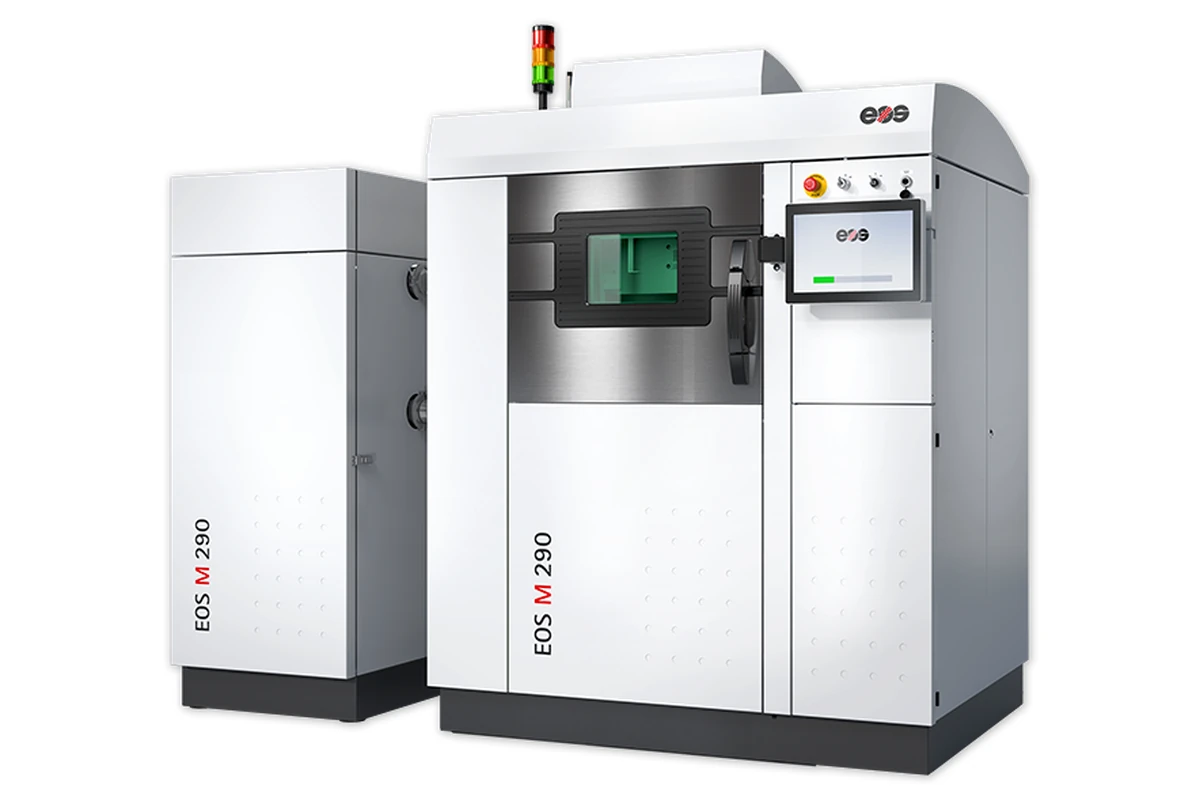
| EOS M 290 | LPBF / DMLS | 250 × 250 × 325 | Titanium, Stainless Steel | Best Overall Industrial System |
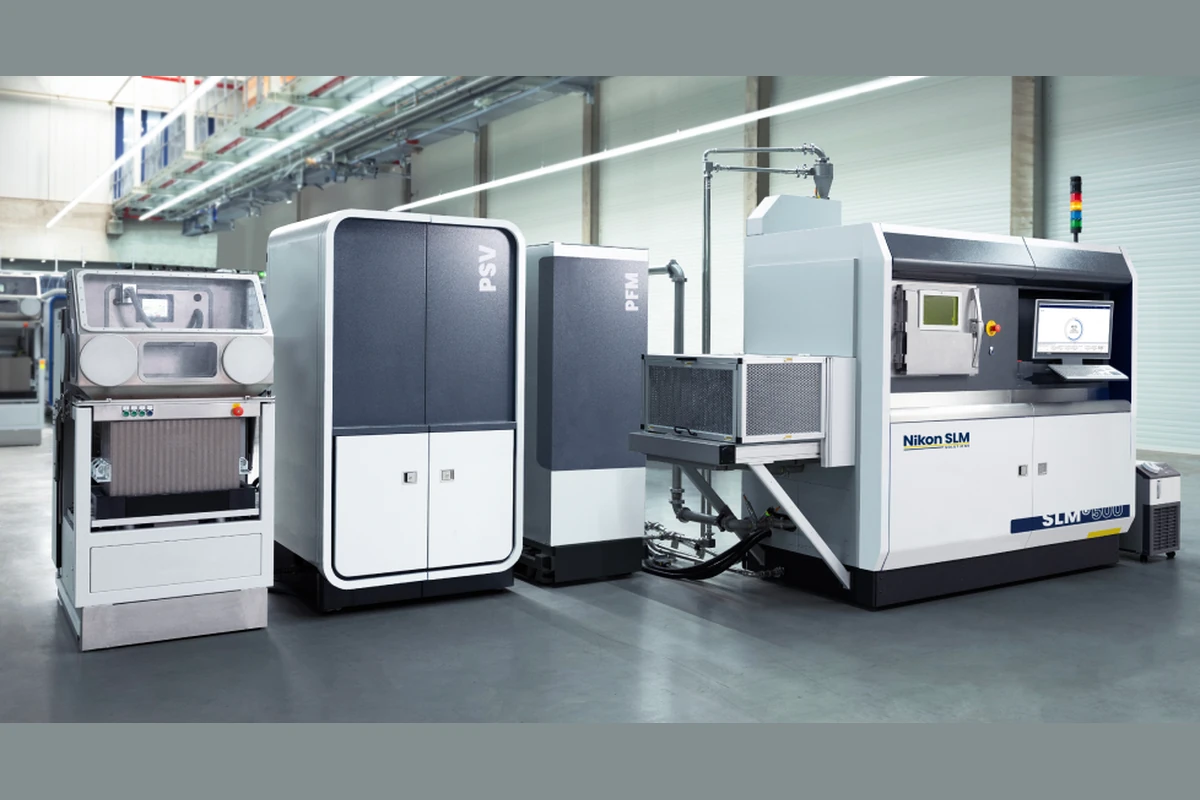
| SLM Solutions SLM 500 | LPBF / SLM | 500 × 280 × 365 | Aluminum, Nickel Alloys | Aerospace Manufacturing |
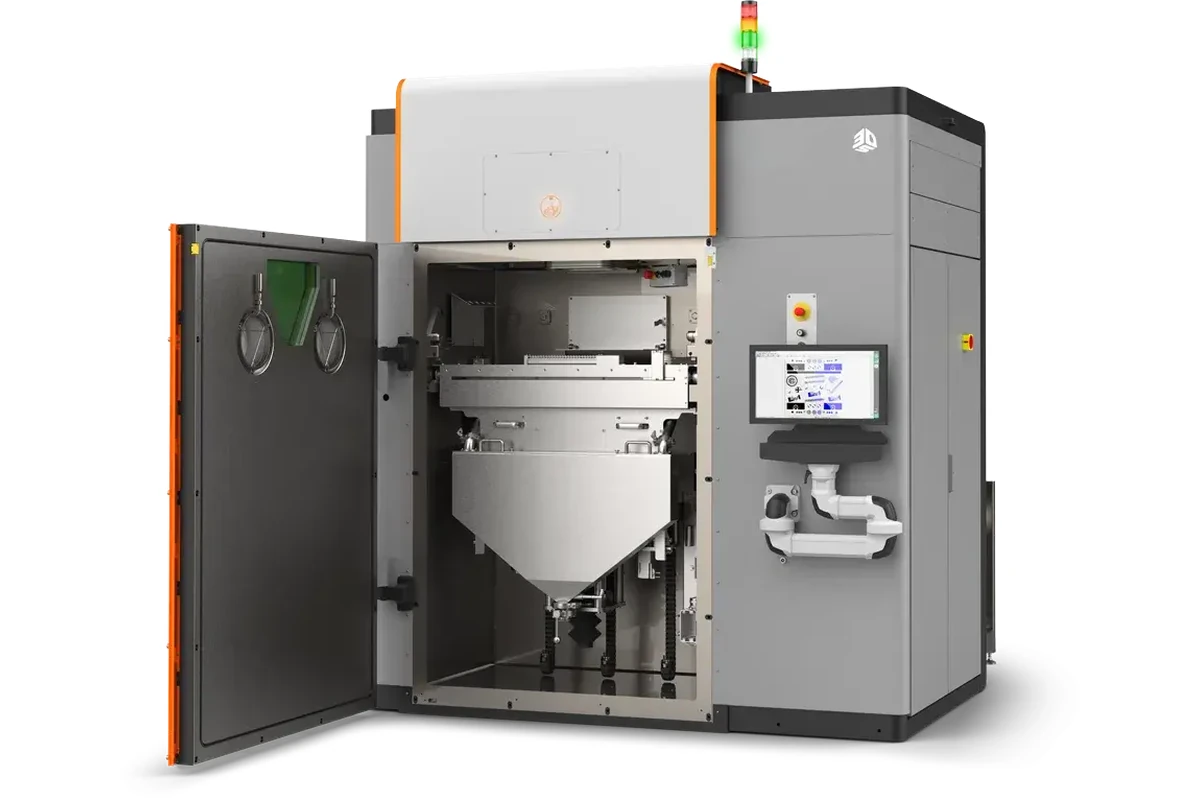
| 3D Systems DMP Flex 350 | LPBF | 275 × 275 × 420 | Titanium Grade 5 & 23 | Medical & Dental Implants |
| Velo3D Sapphire XC | LPBF | Φ600 × 1000 | Inconel, Hastelloy | High-Volume Support-Free Production |
| Renishaw RenAM 500Q | LPBF | 250 × 250 × 350 | Aluminum, Titanium | Research & Multi-Laser R&D |
| Desktop Metal Production System P-50 | Binder Jetting | 490 × 380 × 260 | Stainless Steel, Tool Steel | High-Speed Batch Manufacturing |
| Markforged Metal X Gen 2 | Bound Metal Deposition | 300 × 220 × 180 | Copper, Inconel, Tool Steel | Industrial Tooling & Fixtures |
| Trumpf TruPrint 1000 | LPBF | Φ100 × 100 | Cobalt Chrome, Precious Metals | Precision & Micro Components |
| Xact Metal XM200G | LPBF | 150 × 150 × 150 | Stainless Steel, Aluminum | Entry-Level Industrial / SMBs |
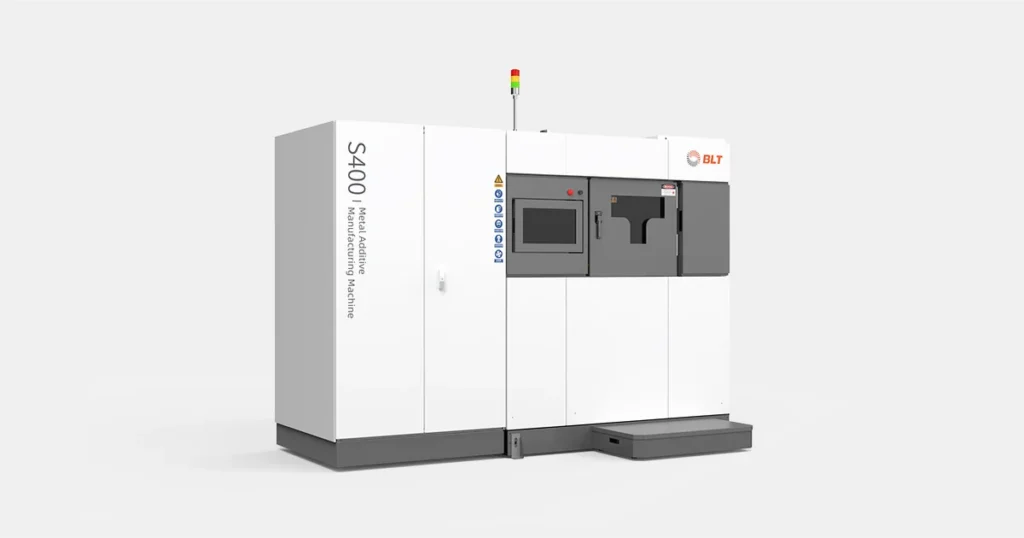
| BLT-S400 | LPBF | 400 × 400 × 400 | Maraging Steel, H13 Tool Steel, 17-4 PH Stainless Steel | High-efficiency batch production of large injection mold inserts. |
EOS M 290
SLM Solutions SLM 500
3D Systems DMP Flex 350
Velo3D Sapphire XC
Renishaw RenAM 500Q
Desktop Metal Production System P-50
Markforged Metal X Gen 2
Trumpf TruPrint 1000
Xact Metal XM200G
BLT-S400
10 Best Metal 3D Printers in 2026 for Industrial and Professional Use
1. EOS M 290
The EOS M 290 remains the industry benchmark for single-laser powder bed systems. Utilizing a 400W fiber laser, this powder bed fusion 3d printer delivers exceptional beam quality and position repeatability. Its open software architecture allows engineers to adjust parameter sets for custom powder formulations, though its standard material library for titanium, aluminum, and stainless steel covers almost all commercial requirements.
2. SLM Solutions SLM 500
Equipped with up to four overlapping lasers, the SLM 500 maximizes throughput for critical aerospace metal 3d printing. The system features a continuous powder management loop that sieves and supplies material under an inert gas atmosphere, preventing contamination. It handles aluminum 3d printing at scale, maintaining uniform mechanical properties across the entire 500 × 280 × 365 mm build envelope.
3. 3D Systems DMP Flex 350
The DMP Flex 350 stands out in medical metal 3d printing due to its ultra-pure vacuum chamber design. By reducing oxygen levels below 25 parts per million, it prevents the interstitial contamination that weakens titanium 3d printing components. Orthopedic implants and custom maxillofacial guides produced on this system exhibit excellent density, minimal surface roughness, and high fatigue resistance.
4. Velo3D Sapphire XC
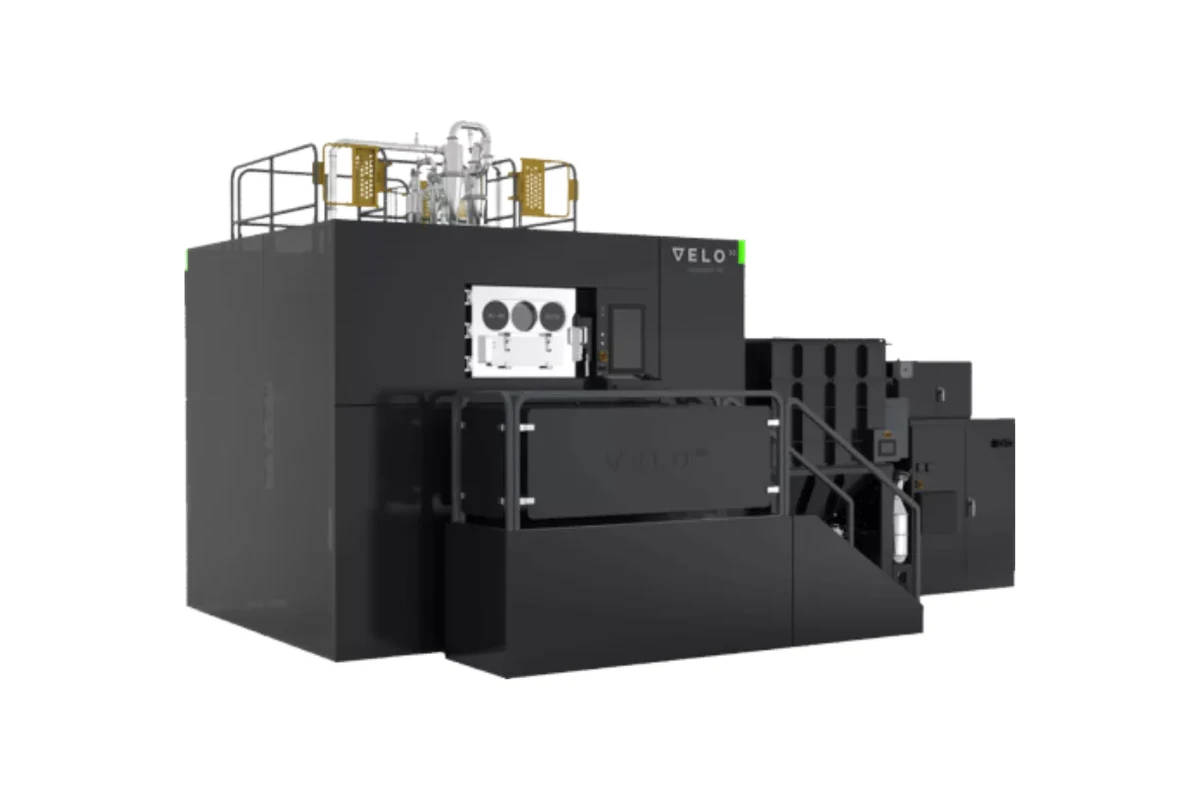
The Sapphire XC redefines structural engineering by enabling support-free printing of complex internal geometries. Utilizing eight 1kW lasers and advanced optical calibration, this industrial metal 3d printer produces large-scale parts up to 1 meter in height. By eliminating the need for conventional support structures, it cuts post-processing times and reduces the final metal 3d printing cost per part significantly.
5. Renishaw RenAM 500Q
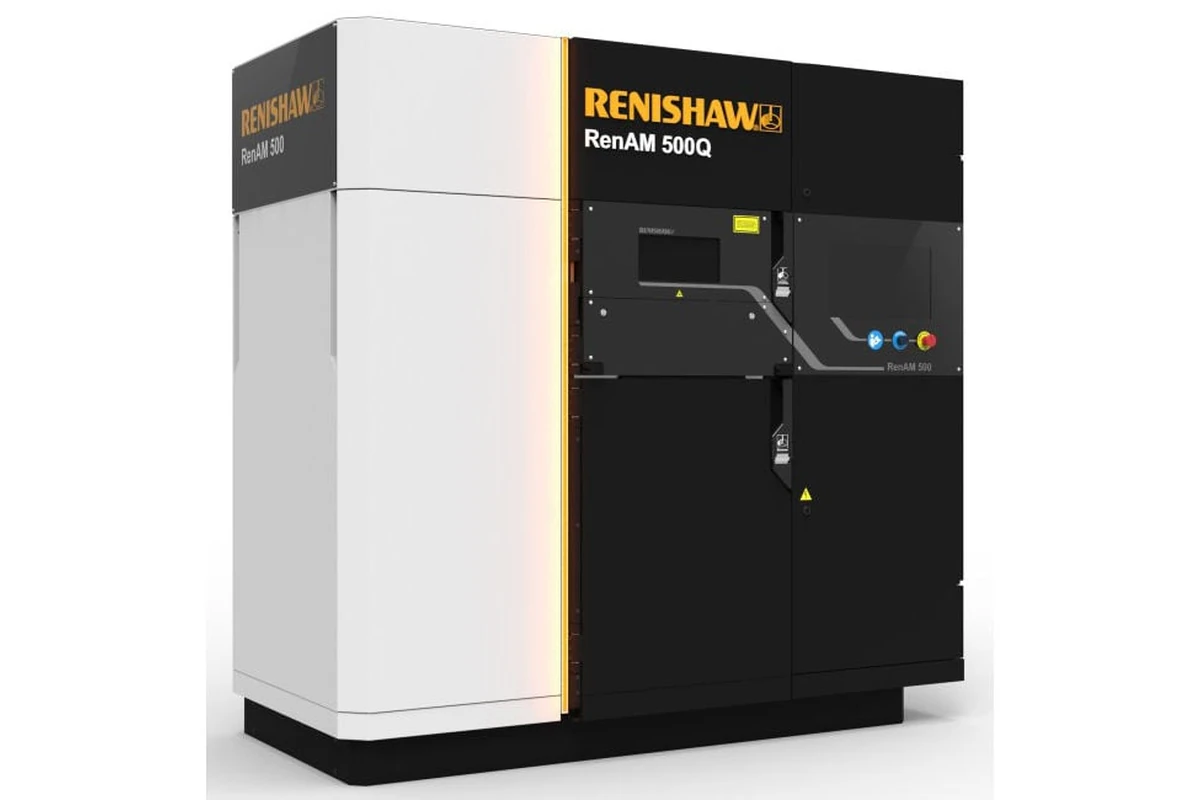
Renishaw’s RenAM 500Q features four 500W lasers in a compact build volume, offering exceptional thermal stability during long runs. This system provides researchers with direct access to machine control scripts and optical monitoring data. It serves as an ideal platform for studying the selective laser melting process, allowing deep observation of melt pool dynamics and microstructural grain growth.
6. Desktop Metal Production System P-50
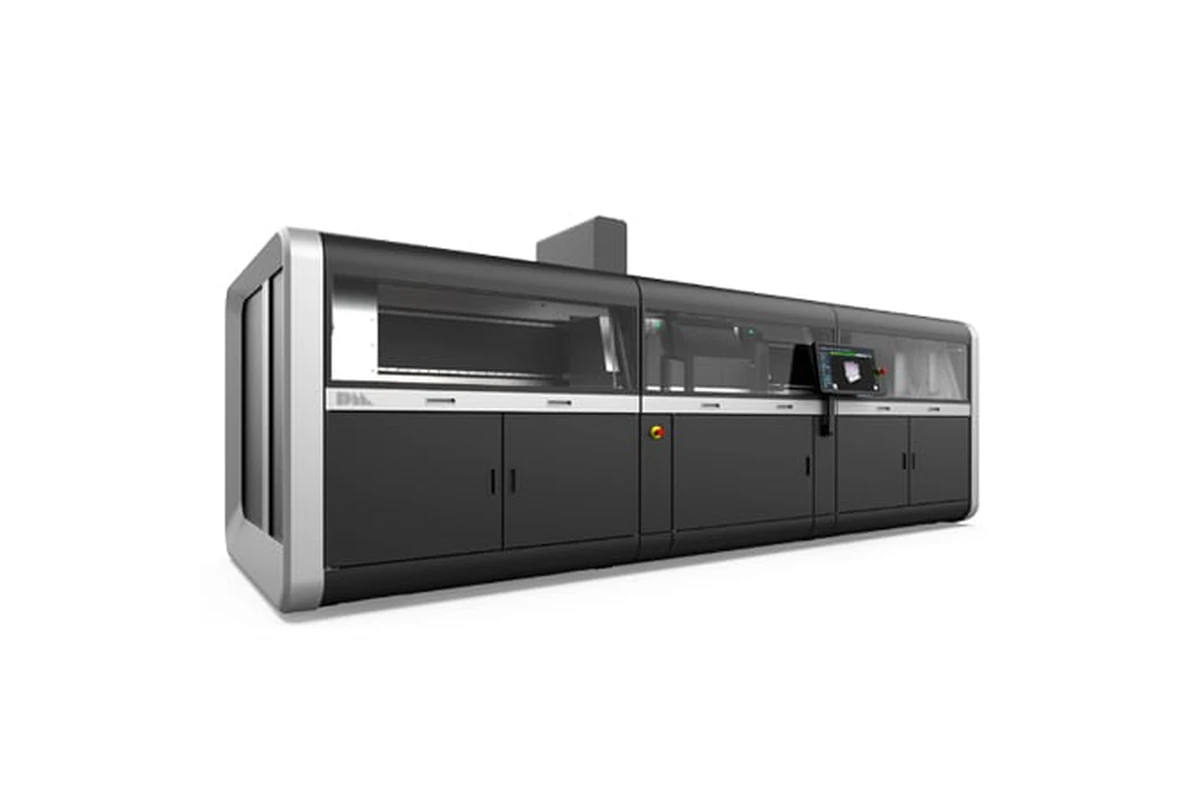
For companies moving away from lasers, this binder jet metal printing system offers speed comparable to traditional metal injection molding. The P-50 uses a single-pass engine to deposit metal powder and liquid binding agents at high speeds. Once the green parts are cured, they transition to a high-temperature sintering furnace, resulting in dense stainless steel 3d printing components at high production volumes.
7. Markforged Metal X Gen 2
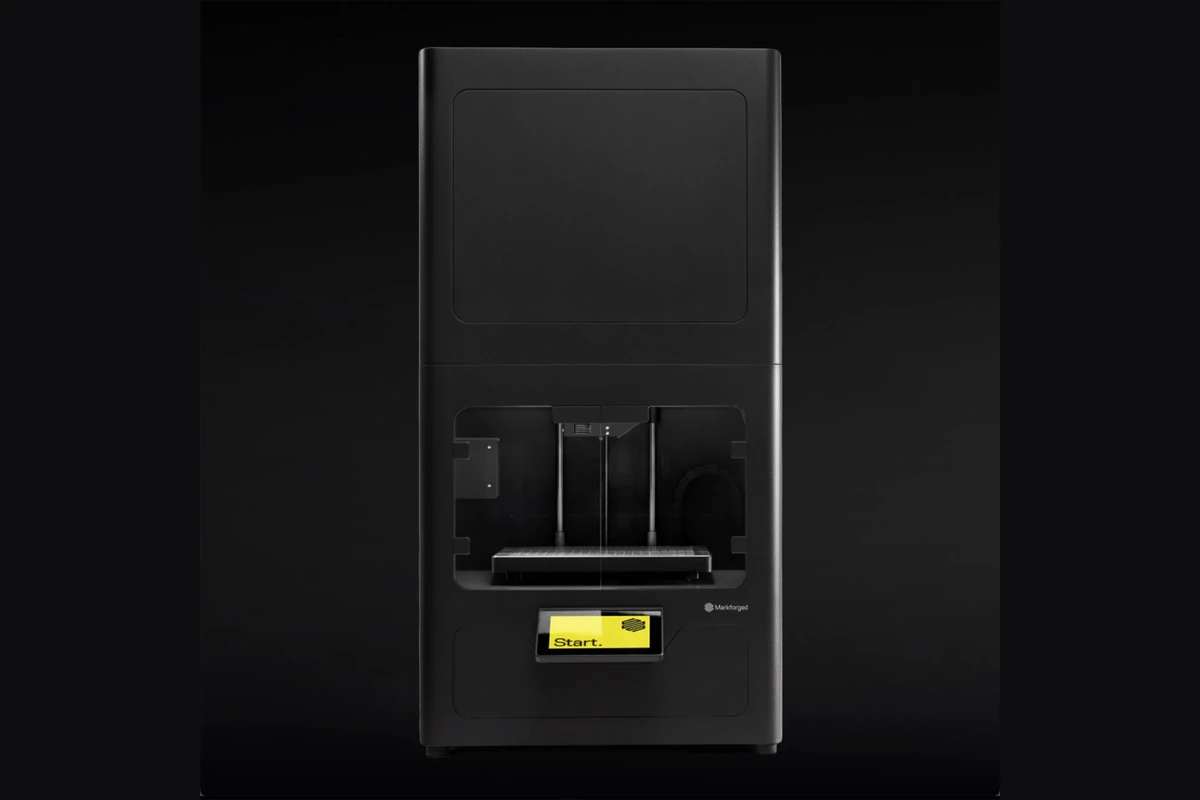
The Metal X Gen 2 provides an accessible entry point by utilizing a specialized metal filament 3d printer design. It extrudes bound metal powder enclosed in a plastic matrix, completely eliminating the respiratory safety hazards associated with loose metal dust. It is highly effective for fabricating custom injection mold inserts, complex end-of-arm robotic tooling, and specialized assembly fixtures.
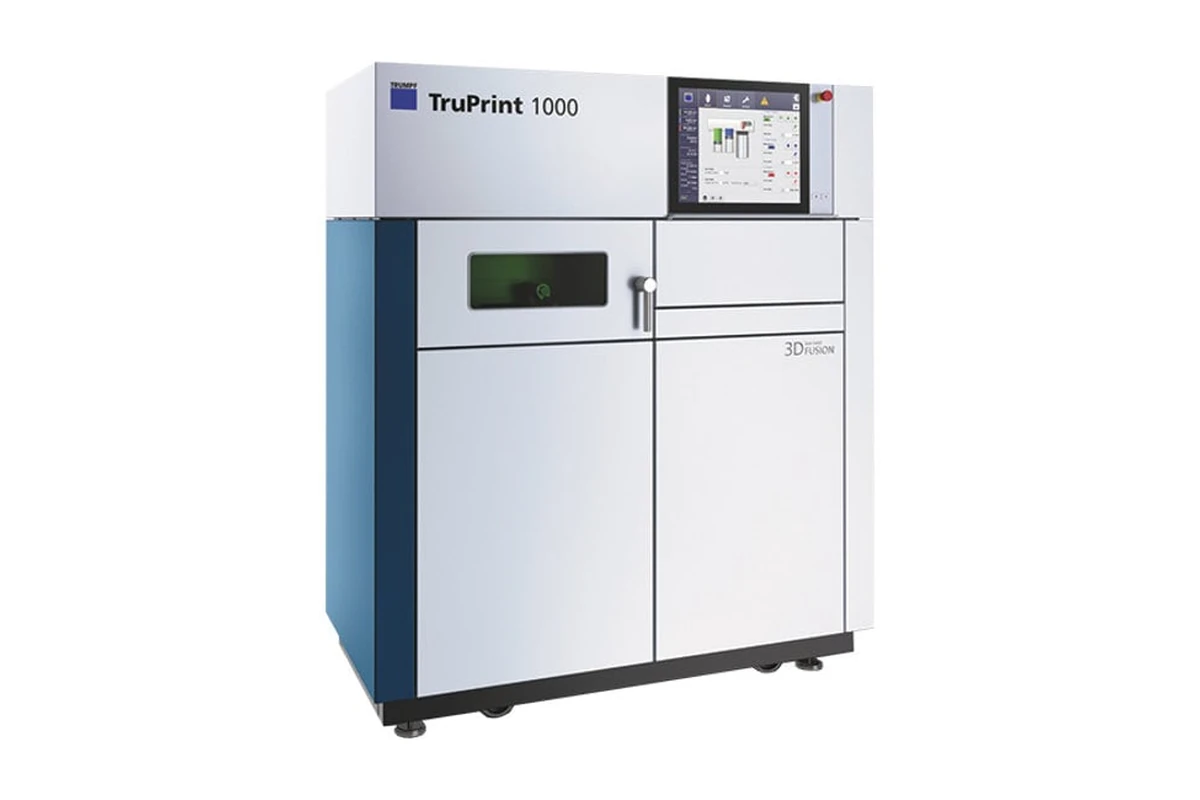
8. Trumpf TruPrint 1000
The TruPrint 1000 excels at fabricating intricate geometries and micro-scale features. Featuring a highly precise multi-laser option and an ergonomic build kit, this machine works excellently with cobalt chrome and precious metals. Its small laser spot diameter ensures ultra-fine surface details, making it a favorite for dental labs and high-end instrument manufacturing.
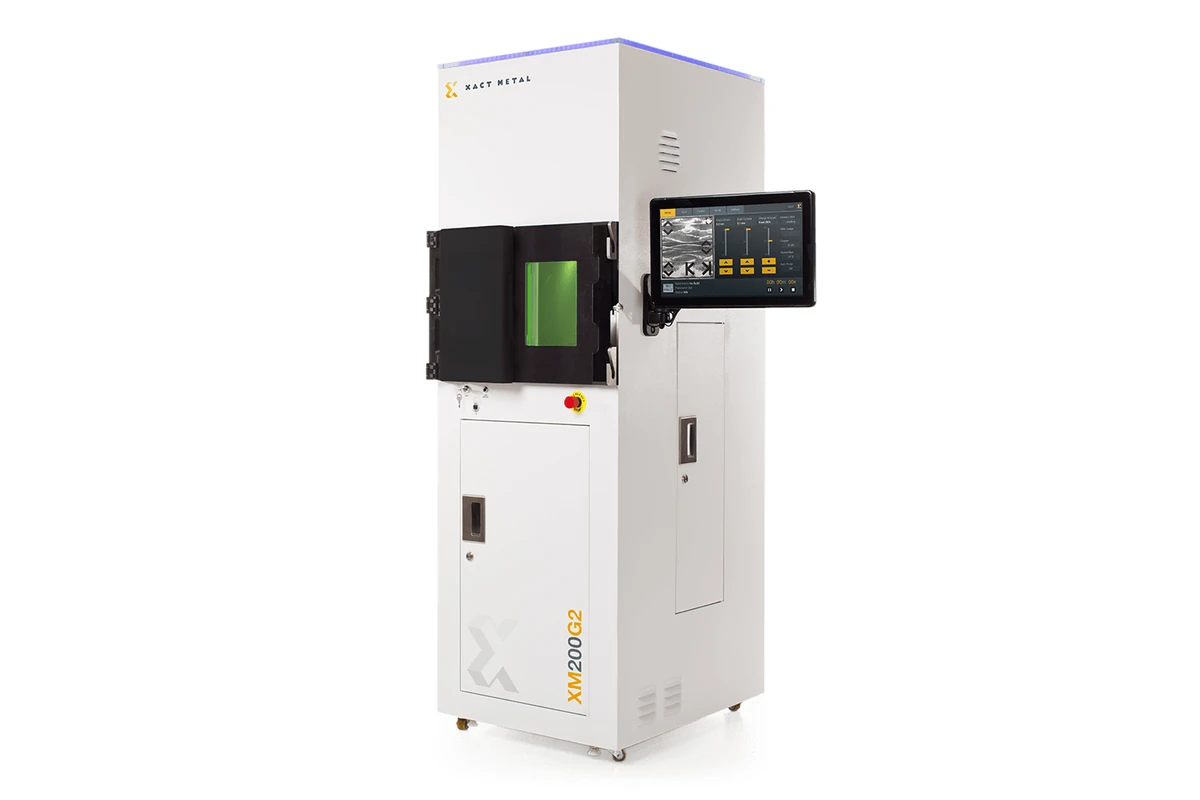
9. Xact Metal XM200G
The XM200G brings professional-grade laser powder bed fusion to smaller facilities at a lower metal 3d printer price point. By pairing a high-speed galvanometer scanner with a solid 100W or 200W fiber laser, it delivers industrial-grade tolerances without the physical footprint or infrastructure demands of a massive multi-laser system. It is a reliable metal 3d printer for small business owners scaling up production.
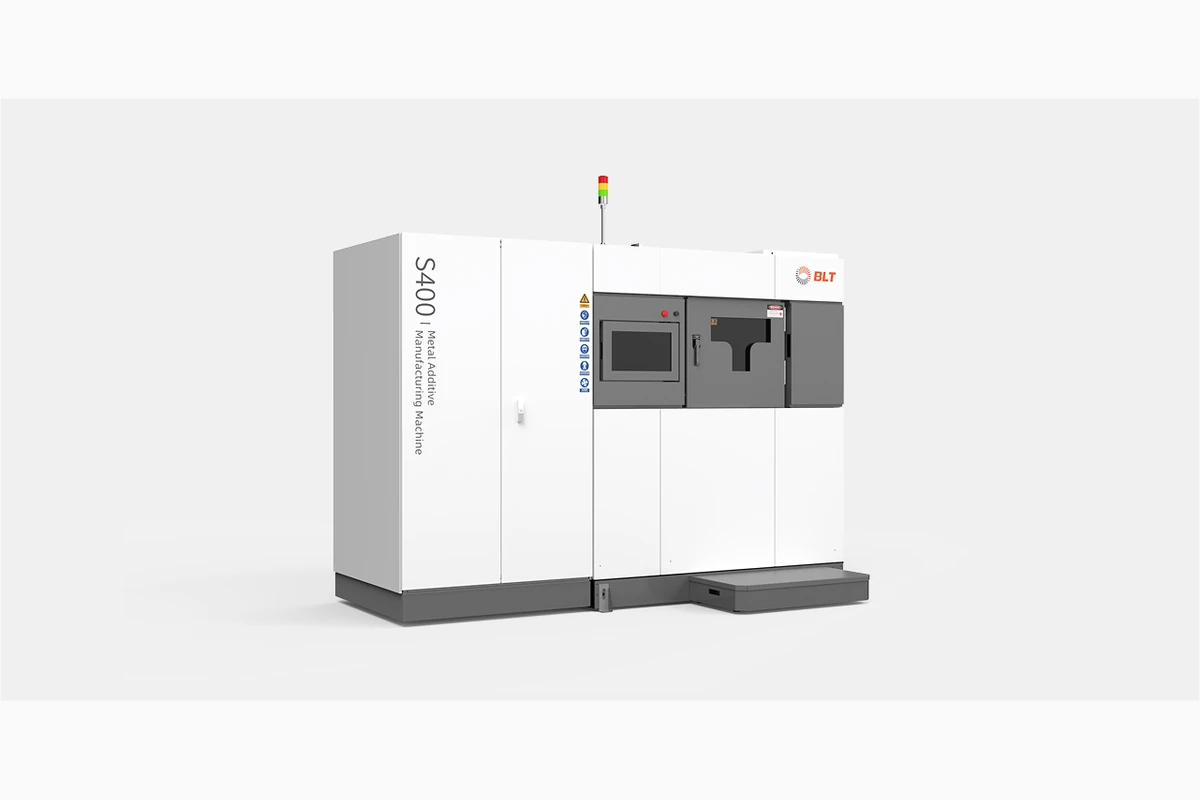
10. BLT-S400
The BLT-S400 is an industrial powerbed platform tailored directly for heavy-duty batch production. Available in flexible multi-laser layouts (supporting up to 8 lasers for specialized copper applications), this robust laser powder bed fusion system pairs a spacious 400 × 300 × 400 mm envelope with an external, fully automated powder circulation loop. It drastically reduces labor expenses and operator risk by mechanically handling powder sieving and reloading under full inert gas protection, making it ideal for continuous, high-volume manufacturing lines.
How We Selected the Best Metal 3D Printers
Print Quality and Dimensional Accuracy
We prioritized machines capable of holding dimensional tolerances within ±0.1 mm over long production campaigns. Systems with closed-loop optical feedback and real-world melt pool monitoring scored significantly higher.
Supported Metal Materials
Top recommendations focus on systems with open material configurations or wide OEM libraries. The ability to switch between heavy-duty materials like titanium alloys and highly conductive copper alloys without cross-contamination was a core metric.
Build Volume and Production Capacity
We balanced compact systems meant for localized tooling with large-format multi-laser platforms designed for factory floors. Machine choice depends on your daily throughput targets and the largest single component size required.
Reliability and Machine Uptime
Industrial manufacturing requires continuous operation. We selected systems with proven multi-year track records, robust powder re-coating mechanisms, and dependable gas filtration units that don’t clog mid-print.
Software Ecosystem and Workflow Integration
The physical hardware is only half the equation. The best metal 3d printer options include advanced build preparation software that calculates thermal stress profiles, designs optimal support structures, and slices parts efficiently.
Operating Costs and Maintenance Requirements
We calculated the long-term impact of inert gas consumption, filter replacement cycles, and laser life expectancies. Machines with high uptime and efficient powder recycling rates offer much better long-term ROI.
Manufacturer Support and Service Availability
Metal additive manufacturing systems require regular calibration and technical oversight. We favored companies with established global field technician networks, rapid spare-parts delivery, and comprehensive operational training programs.
Related: 10 Best Resin 3D Printers in 2026: Tested Picks for Every Budget
Types of Metal 3D Printing Technologies Explained
Laser Powder Bed Fusion (LPBF)
The foundational method for heavy-duty metal components. A precise laser traces a cross-section onto a flat bed of atomized metal powder, melting the particles instantly. The bed lowers by a fraction of a millimeter, a recoater blade applies a fresh layer of powder, and the process repeats under an inert argon or nitrogen blanket.
Direct Metal Laser Sintering (DMLS)
While often used interchangeably with LPBF, a dmls 3d printer focuses on fusing metal alloys without reaching the absolute melting point of every constituent metal. This method is highly effective for complex, multi-element superalloys where maintaining exact alloy proportions throughout the thermal cycle is vital.
Selective Laser Melting (SLM)
This SLM process achieves complete melting of the target material, creating a homogeneous, fully dense part. It requires intense thermal control to mitigate internal stresses but yields exceptional tensile strength and mechanical properties that match or exceed traditional forged parts.
Binder Jet Metal Printing
This approach decouples the shaping step from the consolidation step. A printhead deposits an industrial liquid binder onto a metal powder bed layer by layer. The resulting “green” part is weak and porous, requiring thermal processing inside a furnace to burn away the binder and sinter the metal particles into a dense state.
Directed Energy Deposition (DED)
Instead of utilizing a static powder bed, DED systems use a multi-axis robotic nozzle to feed metal wire or blown powder directly into a laser beam path. This technique is ideally suited for repairing damaged industrial turbine blades, adding features to existing cast parts, or building massive, low-complexity structures quickly.
Bound Metal Deposition (BMD)
A extrusion-based method where metal powders are safely blended into plastic filaments or wax rods. The machine shapes the part using standard FFF techniques. The part then undergoes chemical or thermal debinding before entering a furnace for final sintering, making it clean enough for regular design offices.
How to Choose the Right Metal 3D Printer
Production vs Prototyping Requirements
High-volume manufacturing demands multi-laser LPBF or high-speed binder jetting platforms with integrated powder loops. Conversely, if your primary goal is validating geometries or producing low-stress assembly fixtures, a filament-based platform or a compact single-laser system will yield a faster return on investment.
Material Compatibility Considerations
Not all systems handle all metals. Highly reflective materials like copper and aluminum require specialized laser wavelengths or higher power outputs to melt properly. Ensure the platform you select is fully certified for the specific material grades your engineering documentation specifies.
Required Part Accuracy and Surface Finish
Laser-based systems offer tighter tolerances and smoother surface finishes out of the box but require intensive support removal. Binder jetting produces isotropic material properties but involves isotropic shrinkage during the furnace sintering step, which must be carefully compensated for during the CAD design stage.
Facility and Safety Requirements
An industrial metal 3d printer requires major facility prep. You must factor in dedicated gas lines, explosion-proof vacuums, static-dissipative flooring, and separate climate-controlled rooms to handle volatile fine powders safely.
Post-Processing Needs
The print is rarely the final step. Budget for ancillary equipment like wire EDMs or band saws for build plate separation, furnace setups for relieving thermal stress, and bead-blasting or CNC milling gear to hit your final surface specifications.
Budget Planning Beyond Machine Cost
Do not let the base price throw off your balance sheet. Factor in the total metal 3d printer operating costs, including software licensing, yearly service contracts, consumable filters, protective gear, and operator training certification programs.
Related: Best Budget 3D Printers in 2026: Affordable Options for Every Maker
Metal Materials Commonly Used in Industrial 3D Printing
Widely used for its high corrosion resistance and excellent mechanical strength. Materials like 316L are perfect for marine components, chemical processing hardware, and surgical instruments, while 17-4 PH is preferred for high-strength aerospace brackets.
Prized for their incredible strength-to-weight ratio and superb biocompatibility. Ti-6Al-4V is extensively utilized across both the aerospace and medical sectors to fabricate lightweight structural brackets and bone-grafting medical implants.
Essential for weight-sensitive applications in automotive metal additive manufacturing and aerospace ducting. AlSi10Mg combines good thermal conductivity with solid weldability, making it the default option for complex heat exchangers.
Materials like H13 and M2 allow factories to print custom conformally-cooled injection mold cores and high-wear cutting tools. This drastically cuts lead times for custom manufacturing tooling compared to traditional CNC soft-tooling pathways.
A superalloy known for its high wear resistance, exceptional temperature tolerance, and biocompatibility. It is widely used in dental crowns, joint replacement implants, and high-temperature gas turbine components.
Pure copper and copper-chromium-zirconium are excellent for advanced induction coils and rocket nozzle liners. Nickel superalloys like Inconel 718 offer extreme oxidation and creep resistance under punishing high-temperature conditions.
Real-World Applications of Metal 3D Printing
Aerospace Components
Engineers leverage industrial additive manufacturing to produce complex fuel injector nozzles and internal engine components. Consolidating multi-part assemblies into a single printed component reduces weight and eliminates points of failure.
Medical Implants and Surgical Tools
By utilizing advanced lattice structures, manufacturers create spinal cages and hip stems that encourage direct bone ingrowth, drastically improving patient recovery times compared to solid, traditional implants.
Automotive Manufacturing
High-end motorsports teams use metal printing to iterate suspension uprights, brake calipers, and lightweight manifold assemblies rapidly. This allows trackside engineering adjustments to transition to functional metal parts within days.
Industrial Tooling and Fixtures
Firms embed custom conformal cooling channels deep inside injection molds. These curved internal passages follow the geometry of the part perfectly, ensuring rapid, uniform cooling that reduces cycle times and eliminates part warping.
Energy and Oil & Gas Applications
Downhole drilling valves, offshore pump impellers, and turbomachinery components are frequently produced using metal printing. This allows operators to print replacement parts on-demand, reducing expensive supply-chain downtime in remote extraction fields.
Related: 10 Best Large Format 3D Printers: Features, Costs, and Top-Rated Machines in 2026
Metal 3D Printer Costs Explained
Machine Purchase Costs
Entry-level workshop systems start around $50,000 to $100,000. True industrial-grade, single-laser systems run between $250,000 and $500,000, while massive, multi-laser production systems easily exceed $1,000,000 for the base machine alone.
Metal Powder Costs
Gas-atomized spherical metal powder for 3d printing commands a premium over standard raw stocks. Prices range from around $60 per kilogram for basic stainless steel up to $300+ per kilogram for specialized aerospace-grade titanium or nickel superalloys.
Maintenance and Service Expenses
Expect to allocate 10% to 15% of the machine’s initial purchase price annually toward service contracts. This covers laser recalibration, seal replacements, software updates, and immediate access to emergency field technicians.
Post-Processing Equipment Costs
A complete setup requires serious supporting infrastructure. A thermal stress-relief furnace, a support-removal station, and automated surface-finishing machinery can add anywhere from $50,000 to $250,000 to your initial capital expenditure.
Cost Per Printed Part
The total cost per part comprises material weight, machine runtime amortization, gas usage, and manual post-processing labor. While prototyping costs are flat, mass production relies heavily on maximizing build-plate packing density to split fixed operational costs across as many components as possible.
Related: 10 Best Beginner 3D Printers in 2026 (Easy Setup + Hands-On Tested)
Challenges and Limitations of Metal 3D Printing
High Initial Investment
The upfront capital requirement presents a major hurdle for mid-sized firms. Beyond the physical hardware, the cost of facility modification, safety compliance, and software access requires careful long-term financial planning.
Powder Handling and Safety Requirements
Fine metal powder presents serious respiratory and fire hazards. Reactive metals like titanium and aluminum can combust if exposed to oxygen or static discharge, requiring stringent humidity control and strict operational safety protocols.
Post-Processing Complexity
Parts cannot be used straight out of the build chamber. They must be sawn off the plate, stripped of support structures, heat-treated to remove internal stresses, and machined to clean up critical mating surfaces and tight thread tolerances.
Skilled Operator Requirements
These systems are not plug-and-play tools. Running them efficiently requires dedicated, certified engineers who understand print orientation, thermal stress modeling, laser path parameters, and complex metallurgic behavior.
Metal 3D Printing Safety Considerations
Metal Powder Handling Best Practices
Always store bulk powder in tightly sealed, climate-controlled containers. Use closed-loop transfer systems whenever possible to minimize operator exposure and prevent ambient dust contamination on the factory floor.
Fire and Explosion Prevention
Equip your facility with Class D fire extinguishers specifically rated for combustible metal fires. Ensure all powder handling equipment, vacuums, and blending stations are thoroughly grounded to eliminate static sparks.
Ventilation and Facility Requirements
Install heavy-duty HEPA filtration systems and maintain a continuous positive airflow profile in the machine room. Implement real-world oxygen-depletion monitoring systems to ensure inert gas leaks do not present an asphyxiation risk to staff.
Personal Protective Equipment (PPE)
Operators must wear full-face respirators fitted with P100 particulate filters, anti-static coveralls, safety shoes, and specialized nitrile or neoprene gloves whenever they interact with open metal powder or clean out build chambers.
Related: 10 Best 3D Printers for Schools in 2026 (Classroom-Tested Picks)
Metal 3D Printing Trends to Watch in 2026
Faster Production Speeds
The industry is moving toward larger laser arrays and faster re-coating mechanisms. Multi-gigawatt laser setups and continuous-wave laser paths are dramatically slashing total build times across large parts.
Multi-Material Metal Printing
Advanced research systems are beginning to print graded compositions within a single component. This allows engineers to build parts with highly wear-resistant surfaces on one side and tough, impact-absorbing cores on the other.
AI-Driven Process Optimization
Modern systems integrate real-time optical monitoring with machine learning models. If the system detects a defect or a void forming in the melt pool, it instantly adjusts the laser power or layer speed on the fly to correct the flaw before it ruins the build.
Increased Adoption in Mass Manufacturing
As binder jetting systems mature and material costs drop, metal printing is transitioning out of low-volume specialty niches and into high-volume automotive and consumer goods production lines worldwide.
Final Verdict
Investing in a metal 3d printer requires matching your exact application requirements with the right printing technology. For standard, highly reliable industrial production, a proven platform like the EOS M 290 remains the safest choice.
If you need to produce massive, support-free aerospace structures, the Velo3D Sapphire XC offers capabilities that standard platforms cannot match. For smaller shops looking to optimize tooling workflows without excessive capital risk, a bound-filament platform like the Markforged Metal X provides a practical, clean entry point into the world of metal additive manufacturing.