

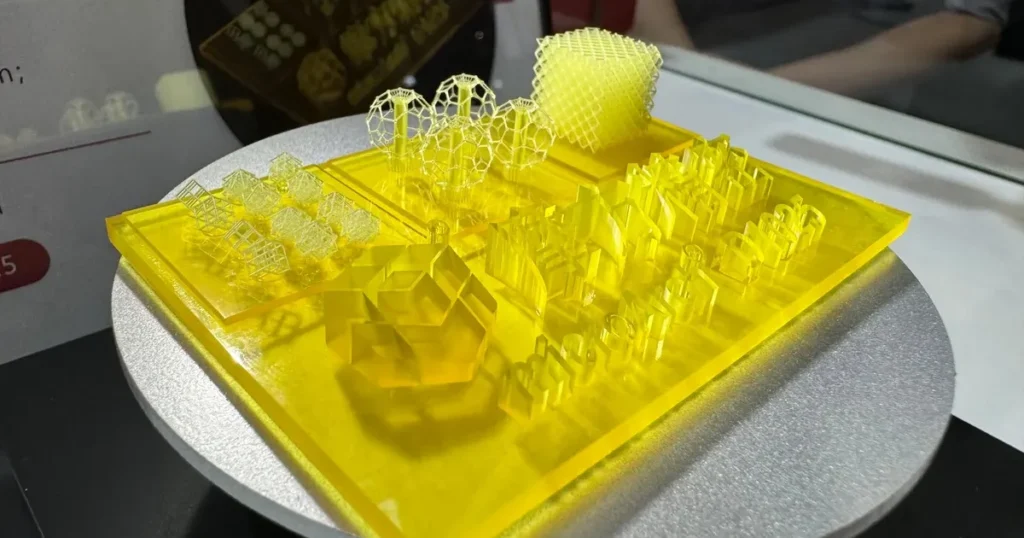
Modern engineering often demands components so small that standard additive systems fail to resolve their details. Micro SLA 3D printing solves this by scaling down the stereolithography additive manufacturing process to a sub-micron or single-digit micron level.
Instead of working with spot sizes around 100 microns, this high precision SLA 3D printing technique utilizes focused optical setups to build intricate geometry layer by layer.
Why Industries Need Ultra-High-Resolution Additive Manufacturing
Miniaturization drives progress across medical technology, consumer electronics, and aerospace. Engineers require high resolution additive manufacturing to test functional designs without committing to expensive tooling.
When internal channels, thin walls, or tiny mechanical components fall below standard tolerances, ultra high resolution 3D printing fills the gap.
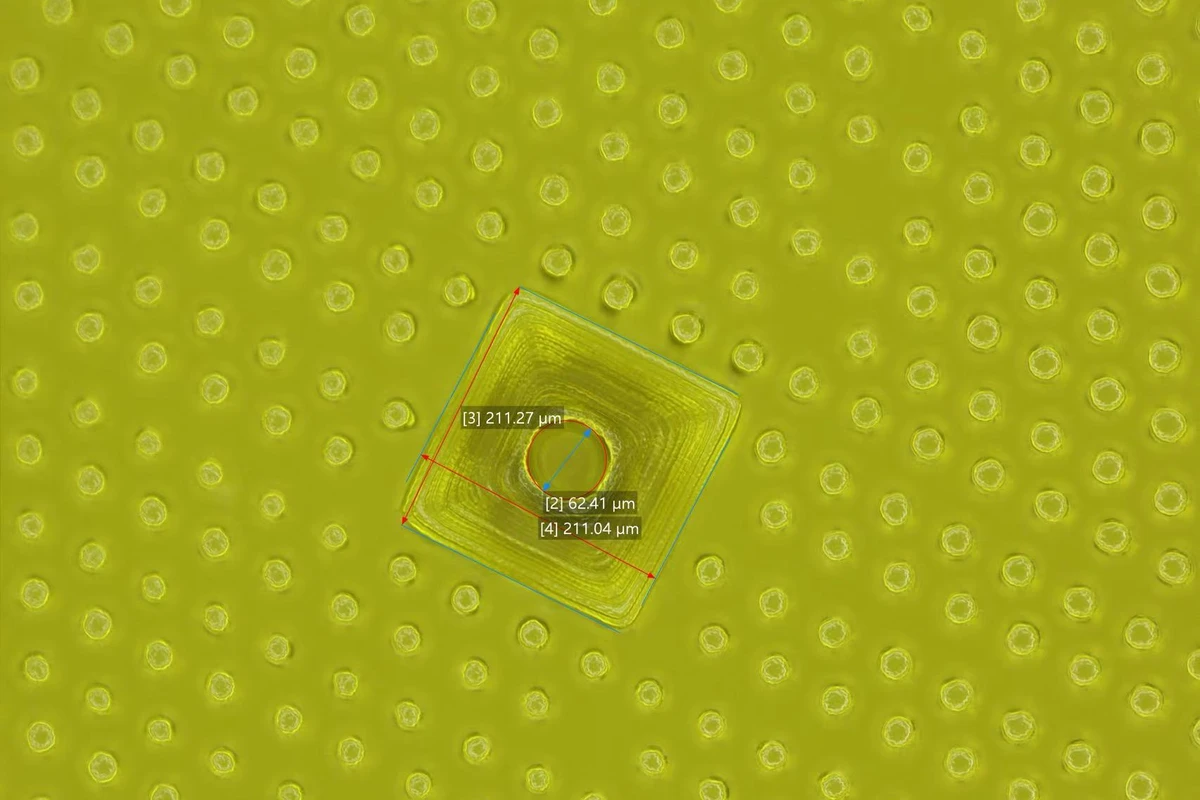
How Micro SLA Enables the Production of Miniature, Complex, and Precision Components
Micro scale additive manufacturing forms parts directly from liquid resin using fine light patterns. By taking advantage of photopolymer micro 3D printing, engineers produce complex micro geometries without the physical tool access constraints common to CNC milling.
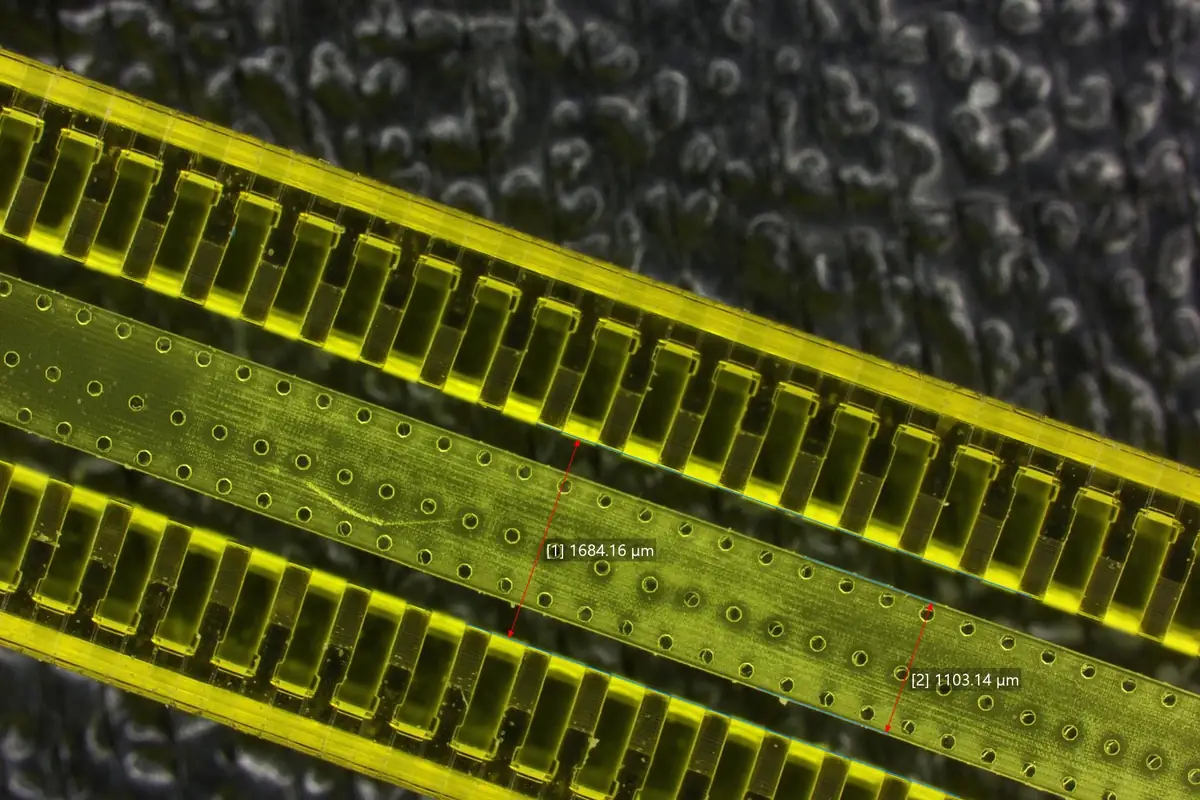
Overview of Lava3DP’s Micro SLA 3D Printing Capabilities and Custom Manufacturing Services
Lava3DP offers custom Micro SLA parts using specialized systems optimized for small, high-precision component manufacturing. Supported by years of hands-on micro 3D printing experience, our engineering team works alongside customers to translate CAD models into functional resin prototypes efficiently.
Related: Custom Metal 3D Printing Services: Materials, Pricing & Lead Times Explained
What Is Micro SLA 3D Printing?
Micro stereolithography technology (often abbreviated as PμSL or projection micro-stereolithography) uses specialized optical engines to project light at extreme resolutions onto light-sensitive resin. Unlike standard stereolithography additive manufacturing, micro scale systems achieve feature resolutions down to 2 μm.
How Micro SLA Differs From Traditional SLA 3D Printing
Standard resin systems rely on galvanometer scanners moving a laser beam across a print bed. Micro SLA, by contrast, frequently uses advanced digital light processing (DLP) or specialized laser setups combined with high-reduction optics.
| Feature | Standard SLA 3D Printing | Micro SLA 3D Printing |
|---|---|---|
| Typical XY Resolution | 50 – 100 microns | 2 – 25 microns |
| Minimum Layer Thickness | 25 – 50 microns | 5 – 10 microns |
| Typical Build Volume | Medium to Large (e.g., 300mm+) | Small (e.g., under 100mm) |
| Primary Application | General prototypes, visual models | Miniature prototype manufacturing |
Why Micro SLA Is Used for Miniature and High-Precision Parts
Miniature part 3D printing eliminates micro-burrs and tool deflection common in traditional micro injection molding tooling or micro-milling. Micro SLA allows designers to iterate on tiny mechanical components within days rather than waiting weeks for steel molds.
Key Features of Micro SLA 3D Printing
Micron-Level Detail Reproduction
Micro SLA captures features measured in single microns, making sub-millimeter channels and walls practical to manufacture.
Ultra-Smooth Surface Finish
Layer lines are nearly invisible. The resulting surface finish quality matches or exceeds polished injection-molded plastic.
Complex Micro Geometries
Internal voids, microfluidic channels, and undercut features print directly without special tooling access.
High Dimensional Accuracy
Precision resin 3D printing maintains tight tolerances across tiny parts, ensuring consistent mating between miniature assemblies.
Fine Feature Resolution
Sharp edges, thin needles, and micro-posts print cleanly without rounding off during photopolymer resin curing.
Related: Full Color 3D Printing Services: Technologies, Pricing & Design Guide (2026)
How Does Micro SLA 3D Printing Work?
Step 1: CAD Model Preparation and Design Optimization
3D CAD File Requirements
High-density STL or STEP files are mandatory. Low polygon counts create visible facets that print directly onto ultra-fine parts.
Design Guidelines for Micro Components
Engineers must account for liquid resin drainage, support contact placement, and minimum wall thickness (typically down to 0.05 mm depending on height).
Engineering Review and DFM Feedback
Lava3DP provides DFM feedback for Micro SLA parts prior to production to fix problematic features like trapped resin pockets or weak spans.
Step 2: UV Resin Layer Curing Process
Photopolymer Resin Curing Technology
Light triggers a chemical reaction in liquid photopolymer resin materials, turning liquid monomers into cross-linked solid polymers instantly.
Laser-Based or Projection-Based Micro Fabrication Process
In a laser cured resin printing system or a projection-based setup, focused light illuminates specific cross-sections of the part layer by layer.
Layer-by-Layer Part Creation
The build plate moves along the Z-axis in increments as small as 5 microns, forming a monolithic resin part with microscopic layers.
Step 3: Support Removal and Post-Processing
Cleaning
Parts are washed in solvent baths to clear un-cured liquid resin from microfluidic channels and deep features.
UV post-curing
A controlled UV light chamber completes cross-linking to maximize the mechanical properties of the engineering-grade resin.
Surface Finishing
Professional post-processing services carefully trim micro-supports under optical magnification to protect delicate edges.
Precision Inspection
Operators inspect critical dimensions using optical measurement systems or scanning electron microscopes (SEM).
Step 4: Quality Control and Dimensional Verification
Accuracy Testing
Coordinate measuring machines (CMM) and optical profilers verify dimensional accuracy against the source CAD file.
Surface Quality Inspection
High-magnification microscopes check for smooth surface finish quality and un-cleared resin residue.
Functional Prototype Validation
Parts undergo physical fit tests to confirm their performance as engineering validation prototypes.
Related: Custom Liquid Cold Plates: Design Guide, Manufacturing Methods & Cost (2026)
Micro SLA 3D Printing Accuracy, Resolution & Tolerances
How Accurate Is Micro SLA 3D Printing?
Standard manufacturing yields tolerances around ±0.1 mm, but micro stereolithography holds tolerances down to ±0.01 mm or better depending on part geometry. This accuracy makes it ideal for precision engineering applications.
Micro SLA Layer Thickness and Feature Resolution
Layer thickness generally ranges between 5 and 20 microns. Feature resolutions hit micron-level accuracy, allowing clear definition on micro-threads and small gear teeth.
Factors Affecting Micro SLA Dimensional Accuracy
Part geometry
Tall, thin spires warp more easily during curing than stocky block geometries.
Resin selection
Resin formulations shrink slightly during photopolymerization. Formulations engineered for low shrinkage provide higher accuracy.
Printing orientation
Angling a part changes how optical light hits each layer, directly impacting surface smoothness and edge clarity.
Support structures
Too few supports cause part shifting; too many supports risk damaging micro features during removal.
Post-processing methods
Over-washing or improper UV curing conditions distort critical dimensions on delicate walls.
Achieving Precision Micro Parts With Professional Manufacturing Expertise
Collaborating with an experienced micro manufacturing service provider ensures these variables are controlled through verified calibration cycles and ISO quality manufacturing processes.
Micro SLA 3D Printing Materials And Resin Options
Engineering Grade Micro SLA Resins
Durable Prototype Materials
Tough engineering resin blends resist impact and flex without snapping, making them suited for functional testing applications.
Functional Testing Applications
Engineers use tough resins for micro-snap fits and internal mechanical linkages.
Mechanical Component Prototypes
Tiny mechanical components like gears, ratchets, and latches benefit from low-friction, high-modulus formulations.
High Temperature Resistant SLA Resins
Heat-Resistant Prototypes
High-temp resins retain structural integrity under elevated temperatures, performing well under thermal stresses.
Industrial Testing Applications
Used in automotive sensor mounts, hot liquid microfluidic loops, and test fixtures exposed to heat.
Biocompatible Resins For Medical Micro Manufacturing
Medical Device Prototypes
Formulated to pass ISO 10993 or USP Class VI testing for skin and tissue contact.
Healthcare Research Applications
Essential for short-term contact surgical tool prototypes, micro-needles, and lab-on-a-chip setups.
Related: The Ultimate Guide to Rapid Prototyping: Processes, Materials, Costs & Applications (2026)
Micro SLA 3D Printing Process at Lava3DP
Upload Your CAD File and Manufacturing Requirements
Customers submit STEP or STL files directly through Lava3DP’s portal alongside target tolerances and mechanical requirements.
Engineering Review and Design Feedback
Our engineers review the model, suggesting minor geometry adjustments to maximize yield and surface quality.
Material Selection Based on Application Needs
We match your performance requirements to the best materials for Micro SLA 3D printing, picking rigid, heat-resistant, or flexible photopolymers.
Precision Printing and Quality Inspection
Parts print on calibrated micro scale systems. Optical instruments verify that features match design specifications before post-processing.
Surface Finishing and Global Delivery
Supports are carefully removed under magnification. Finished parts ship directly to your site with complete quality documentation.
Applications of Micro SLA 3D Printing Across Industries
Medical Device and Healthcare Applications
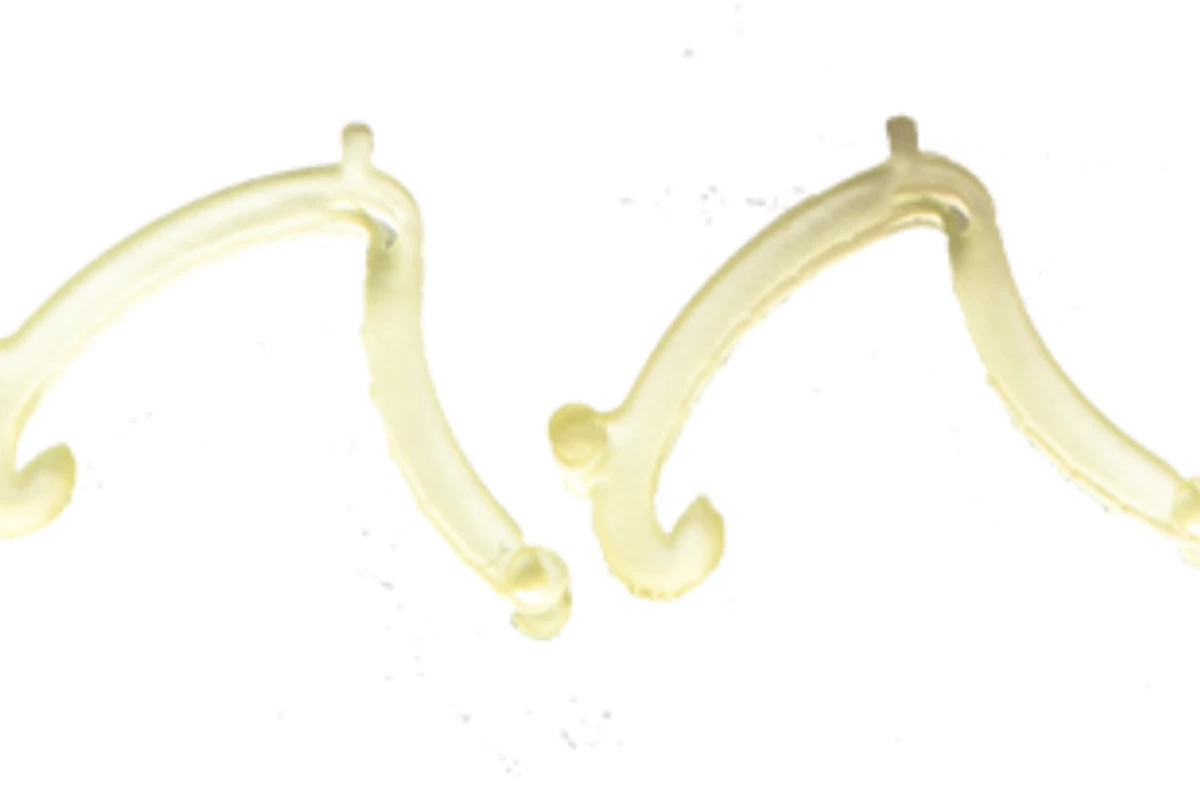
Surgical Tool Prototypes
Surgeons test micro-scalpel handles, forceps tips, and endoscopic tools before production runs.
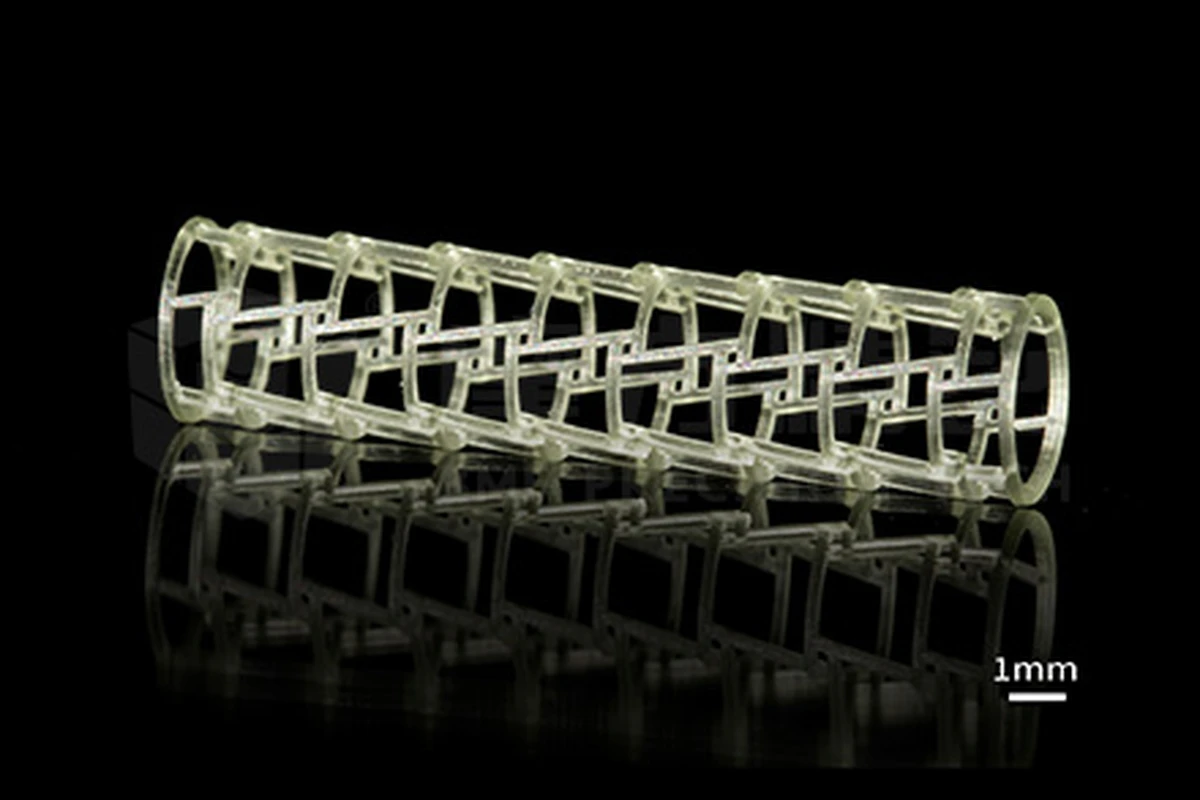
Micro Medical Components
Implantable sensor housings and drug-delivery caps require tiny dimensions and smooth finishes.
Diagnostic Device Prototypes
Complex manifolds feed fluid precisely to internal diagnostic sensors.
Microfluidic Devices
Channels under 100 microns print cleanly, allowing rapid testing of lab-on-a-chip designs.
Electronics and Semiconductor Applications
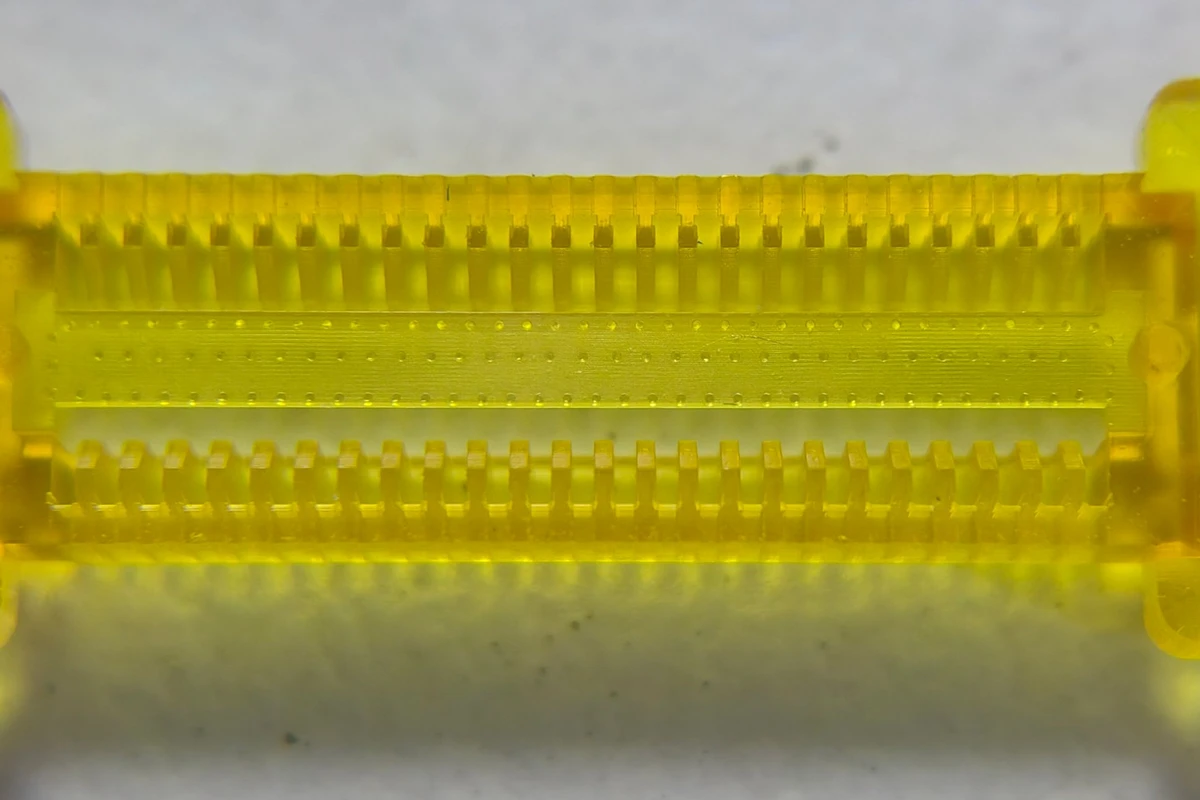
Miniature Electronic Housings
Custom enclosures protect tiny sensors, wearables, and hearing aid assemblies.
Sensor Components
Custom brackets and mounts hold delicate optical and acoustic sensors in place.
Connector Prototypes
High-density pin connectors require precise pin spacing and thin walls.
Micro Components
Tiny spacers, insulators, and bobbins print easily without expensive micro-milling equipment.
Aerospace and Defense Applications
Lightweight Precision Components
Weight-critical systems rely on hollowed, high-strength micro parts.
Miniature Aerospace Prototypes
Engineers test flow dynamics on small airfoils, fuel nozzles, and sensor probes.
Complex Engineering Models
Wind tunnel models require ultra fine details to simulate full-scale fluid flow correctly.
Jewelry and Luxury Product Prototyping
Detailed Jewelry Models
Jewelry designers use direct resin printing to review tiny filigree and pave settings.
Intricate Designs
Micro SLA produces complex geometries that manual carving cannot replicate.
Casting Patterns
Specialized direct-burnout resins allow investment casting for precious metals.
Research and Laboratory Applications
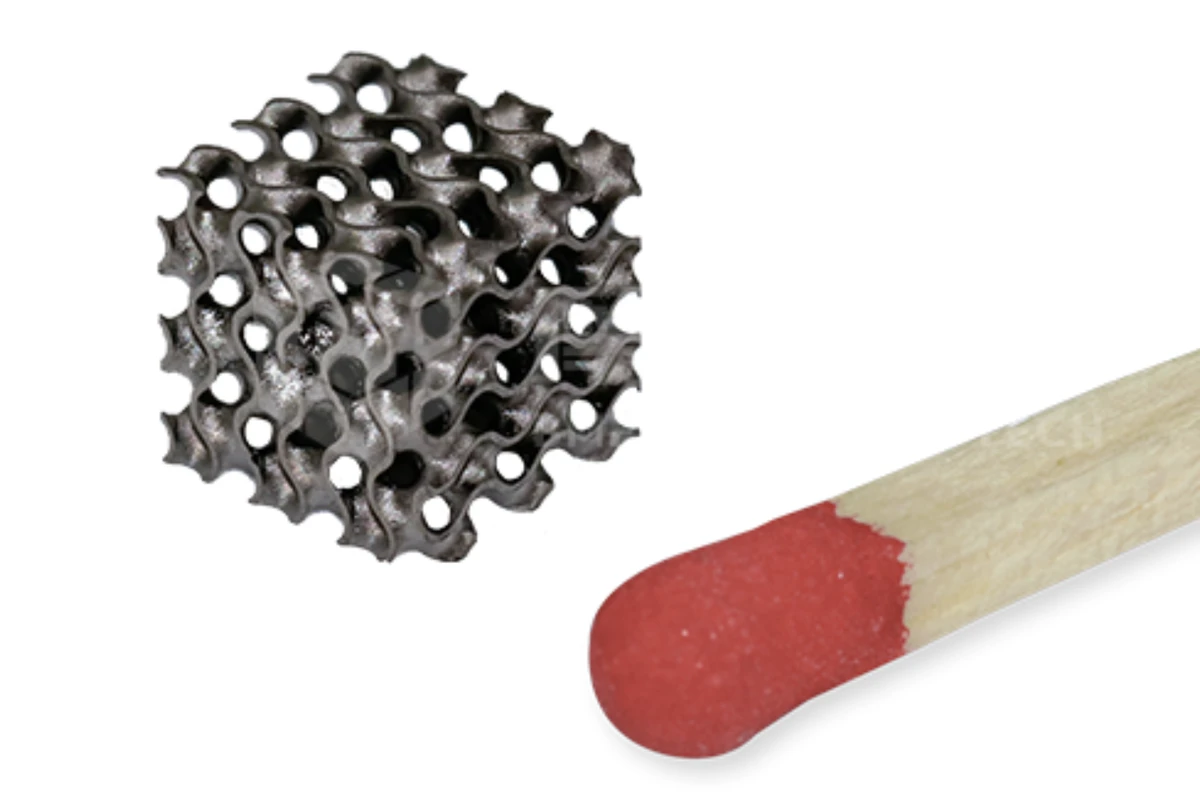
Scientific Prototypes
Custom laboratory equipment prototypes help researchers build one-off experimental setups.
Experimental Components
Custom fluid nozzles and cell-sorting chips print within short project timelines.
Custom Laboratory Equipment
Custom adapters connect off-the-shelf lab gear to specialized research instruments.
Industrial Product Development and Rapid Prototyping
Concept Validation
Designers test physical ergonomics on miniature models early in product cycles.
Functional Prototypes
Engineers test fit and mechanical function using engineering-grade resin variants.
Small Batch Production
When full-scale injection molding is too expensive, small precision parts manufacturing provides a cost-effective alternative.
Related: Custom SLA 3D Printing Service | High Accuracy Prototypes
Benefits of Micro SLA 3D Printing
- Exceptional Detail and Surface Quality: Produces smooth surfaces that reduce post-processing labor and aerodynamic drag.
- Manufacturing Complex Geometries Without Tooling: Internal channels, deep cavities, and lattice structures print directly without machining tool access limits.
- Faster Product Development Cycles: Design changes take hours instead of weeks, turning rapid micro prototyping into a daily design tool.
- Cost-Effective Small Batch Production: Avoid expensive micro injection molding tooling costs when producing low-volume runs.
- Ideal Solution for Miniaturized Product Design: Supports the market trend toward smaller, lighter, and integrated electronics and medical devices.
- Reduced Material Waste Compared With Traditional Manufacturing: Additive techniques use only the resin needed for the part and support structures, reducing material scrap.
Limitations and Challenges of Micro SLA 3D Printing
- Limited Build Volume for Large Components: Micro SLA machines feature small build chambers meant strictly for miniature parts.
- Material Selection Considerations: While resin selections continue to expand, photopolymers generally lack the long-term UV resistance of thermoplastic resins like PEEK or Polycarbonate.
- Post-Processing Requirements: Removing micro-supports requires patience, microscopic equipment, and trained hands to avoid breaking fragile features.
- Design Restrictions for Extremely Small Features: Unsupported walls thinner than 0.03 mm may warp during post-curing or collapse during resin washing.
Micro SLA vs SLA vs SLS vs CNC Machining: Which Manufacturing Method Is Better?
Micro SLA vs Standard SLA 3D Printing
Standard SLA covers larger build areas but struggles with features smaller than 100 microns. Micro SLA trades volume for micron-level detail.
Micro SLA vs SLS 3D Printing
Selective Laser Sintering (SLS) uses powdered thermoplastics to build parts without support structures. However, SLS leaves a slightly grainy surface texture and cannot achieve sub-10-micron features.
Micro SLA vs CNC Machining
CNC machining delivers excellent material selection in metals and plastics, but small endmills struggle with internal corners and deep micro-channels.
| Factor | Micro SLA | Standard SLA | SLS | CNC Machining |
|---|---|---|---|---|
| Accuracy | Highest (±0.01 mm) | Moderate (±0.1 mm) | Moderate (±0.15 mm) | High (±0.005 mm) |
| Surface Finish | Ultra-Smooth | Smooth | Grainy / Textured | Tool-Marked / Smooth |
| Material Options | Specialized Resins | Standard Resins | Thermoplastics | Metals & Plastics |
| Tooling Cost | None | None | None | Setup/Tooling Fees |
| Lead Time | 1 – 3 Days | 1 – 3 Days | 2 – 4 Days | 5 – 10 Days |
| Best Applications | Microfluidics, Micro-Optics, Pins | Concept Models, Large Enclosures | Functional Nylon Structural Parts | Metals, Structural Precision Parts |
Choosing the Right Technology Based on Part Requirements
Select Micro SLA when feature sizes drop below 0.1 mm, surface finish is critical, or internal fluid channels make machining impractical.
Related: PolyJet 3D Printing Service | High-Detail Prototypes
Micro SLA 3D Printing Cost: Pricing Factors Explained
What Determines Micro SLA Printing Cost?
Part size
Smaller parts use less raw resin, though print times stay tied to total Z-axis height.
Geometry complexity
Intricate parts require complex support structures that increase post-processing work.
Material type
Specialized biocompatible resins and optical-grade photopolymers cost more than standard prototyping materials.
Printing resolution
Printing at 5-micron layers takes longer than printing at 20-micron layers, increasing machine time costs.
Quantity
Printing multiple parts on a single build platform lowers the cost per unit significantly.
Finishing requirements
Manual inspection, precise support removal under optical magnification, and specialized polishing increase labor costs.
Is Micro SLA More Expensive Than Traditional SLA?
Machine time per volume is higher for Micro SLA due to small layer thicknesses. However, because the parts are tiny, resin consumption remains low, keeping total part costs reasonable.
How to Reduce Micro SLA Prototype Costs
Optimize CAD Design
Self-supporting angles cut down on manual support removal time.
Choose Suitable Resolution
Select the coarsest acceptable layer height that still meets your functional needs.
Batch Multiple Parts
Fill the build plate in a single run to lower setup fees per component.
Select the Right Resin
Use standard engineering resins for initial fit testing, reserving expensive specialty resins for final validation runs.
Micro SLA Design Guidelines for Better Printing Results
- Optimize Wall Thickness for Micro Components: Keep self-supporting walls above 0.05 mm to prevent warping during printing and post-curing.
- Avoid Extremely Fragile Features: Fillet internal corners to eliminate stress concentrations that snap delicate features.
- Design Proper Support Structures: Position support contacts on non-critical faces to protect smooth functional surfaces.
- Consider Resin Properties During Product Design: Account for shrinkage rates during curing to ensure high-accuracy fits.
- Prepare CAD Files for High Resolution Printing: Export CAD files with high mesh density so facets don’t ruin ultra fine details.
Micro SLA Post-Processing and Finishing Options
Support Removal and Surface Cleaning
Technicians use specialized microscopic tools and solvent baths to remove residual resin and support structures without scratching sensitive surfaces.
UV Curing for Improved Mechanical Properties
Controlled thermal and UV post-curing schedules strengthen parts to match nominal material data sheets.
Sanding and Surface Smoothing
Vapor smoothing or targeted polishing cleans up remaining support marks on visual models.
Painting and Cosmetic Finishing
Coatings, clear coats, and tinting add contrast or light-blocking properties for optical and display assemblies.
Assembly and Functional Testing
Technicians assemble multiple tiny printed parts to verify operational tolerances before final shipping.
Why Choose Lava3DP for Micro SLA 3D Printing Services?
Advanced Additive Manufacturing Expertise
Lava3DP applies years of industrial additive manufacturing experience to demanding micro-scale project runs.
Professional Engineering Support and DFM Analysis
Our dedicated engineering support team evaluates every file, checking for thin features and resin drainage issues before sending parts to the printer.
Wide Range of 3D Printing Technologies
Beyond Micro SLA, Lava3DP offers a complete suite of digital manufacturing capabilities:
SLA
High-capacity resin printing for medium to large visual models.
SLS
Durable nylon parts built without supports.
SLM Metal 3D Printing
Direct metal printing for demanding structural uses.
MJF
Fast production of dense plastic parts.
FDM
Cost-effective prototyping using standard thermoplastic filaments.
DLP
Fast resin printing for small to mid-sized parts.
PolyJet
Multi-material, full-color printing for visual prototypes.
Micro SLA
High-resolution output for tiny geometries.
Extensive Material Selection
Choose from a wide variety of functional resins:
Standard Resins
Cost-effective materials for visual checks.
Engineering Resins
Tough formulations designed to handle stress.
Tough Resins
High-impact materials built for living hinges and snap-fits.
Flexible Resins
Simulated rubbers for seals and gaskets.
Transparent Resins
Optical-clear options for light pipes and fluid paths.
High-Temperature Materials
Heat-stable resins built for high-thermal setups.
Custom Prototype Manufacturing From Single Parts to Small Batch Production
Whether you need one prototype for research or thousands of parts for low-volume assembly, Lava3DP scales to fit your schedule.
Global Shipping and Online Instant Quote Service
Upload your files to our platform to get instant pricing, design feedback, and fast global delivery options.
Future of Micro SLA 3D Printing and Micro Manufacturing
Growing Demand for Miniaturized Components
As sensors, medical implants, and consumer electronics shrink, demand for micro scale additive manufacturing continues to expand across major industries.
Role of Micro SLA in Medical and Electronics Innovation
Micro SLA makes it practical to manufacture complex microfluidic devices and small connector housings without investing in expensive hard tooling upfront.
Advancements in High Resolution Additive Manufacturing
New photopolymers, faster optical engines, and improved motion systems continue to drive down costs while expanding material choices.
How Micro SLA Supports Next-Generation Product Development
Micro SLA lowers development risks by letting engineering teams iterate micro-scale designs in days, accelerating time-to-market.
Get Professional Micro SLA 3D Printing Services From Lava3DP
Upload Your CAD Design
Submit your STEP or STL files directly to Lava3DP’s online quoting engine.
Receive Expert Manufacturing Feedback
Our engineering team reviews your design to ensure high-yield printing success.
Select the Right Resin and Finishing Option
Choose from transparent, high-temp, or tough resins, along with custom post-processing options.
Get Precision Micro SLA Prototypes Delivered Worldwide
Your micro parts are printed, verified, packed, and shipped directly to your door.
Ready to Manufacturing with LAVA3dp?
Upload your CAD file today and receive instant pricing, expert engineering support, fast production, and worldwide delivery.
Get an Instant Quote →Conclusion
Micro SLA 3D printing delivers extreme detail, smooth surfaces, and micron-level accuracy for small, complex parts. By removing the limits of traditional tooling, this technology helps engineers innovate faster across medical devices, electronics, and aerospace systems.
Partnering with a professional team like Lava3DP gives you access to advanced micro-manufacturing equipment, expert DFM guidance, and quick turnarounds on custom micro parts.
Frequently Asked Questions
What is Micro SLA 3D printing?
Micro SLA (Micro Stereolithography) is an additive manufacturing process that uses focused light sources to cure liquid photopolymer resin layer-by-layer at sub-micron to single-digit micron resolutions. It is designed specifically for producing tiny, highly detailed components.
How accurate is Micro SLA 3D printing?
Micro SLA achieves layer thicknesses as fine as 5 to 10 microns and holds dimensional tolerances down to ±0.01 mm, depending on part geometry and resin selection.
What materials are used in Micro SLA printing?
Micro SLA uses functional photopolymer resins, including tough engineering-grade, high-temperature, and biocompatible medical formulations.
What industries use Micro SLA 3D printing?
Key industries include medical devices (microfluidics, surgical tools), electronics (connectors, sensor housings), aerospace (miniature probes, lightweight components), jewelry, and academic research.
What is the difference between Micro SLA and standard SLA?
Standard SLA builds medium-to-large parts with layer resolutions around 70 to 100 microns. Micro SLA uses high-reduction optical systems to print sub-10-micron layers, making it ideal for micro-scale parts that standard printers cannot produce.