

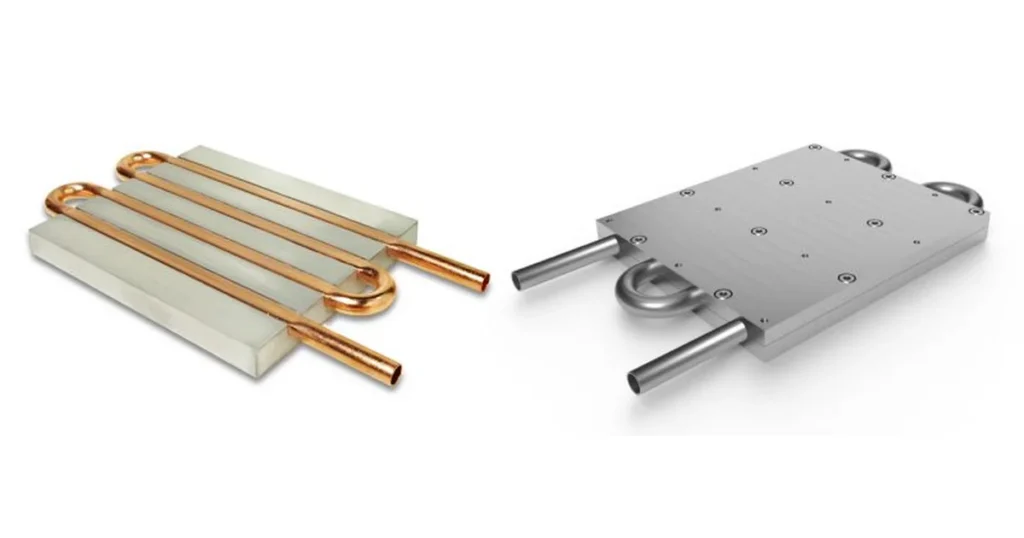
Looking for the ultimate guide to custom liquid cold plates? Learn about flow design, manufacturing methods, and cost factors. Get a high-performance liquid cold plate manufactured by Lava3DP today.
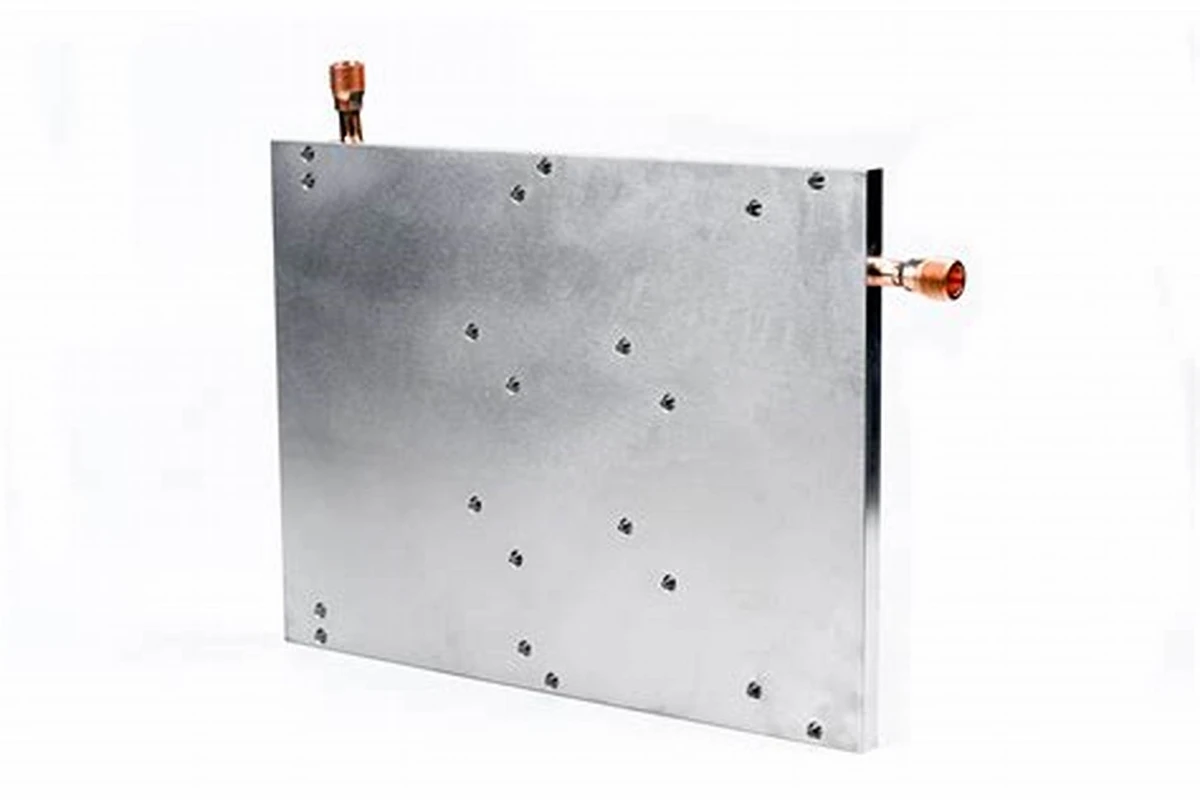
What Is a Custom Liquid Cold Plate?
High-power electronics generate immense thermal loads. When traditional air-cooled heatsinks fail to keep up, engineers turn to direct-contact liquid cooling. A custom liquid cold plate is a high-performance heat exchanger designed to transfer thermal energy from a heat-generating component to a liquid coolant circulating through internal paths.
How Liquid Cold Plates Work
The working principle of a liquid cooled cold plate relies on conductive and convective heat transfer. The solid metal base of the plate sits directly against the heat source, such as an IGBT module or CPU. Thermal energy conducts from the component into the metal plate.
As a pump drives coolant through the internal flow channels, convection transfers the heat from the channel walls to the fluid. The heated fluid then exits the plate, travels to a radiator or chiller to reject the heat, and returns to repeat the cycle.
Key Components of a Liquid Cooling Plate
Every high-efficiency liquid cooling plate consists of several foundational elements:
- The Base Plate: The metal interface (typically copper or aluminum) that contacts the heat source.
- Internal Channels: The milled, extruded, or 3D-printed paths where fluid flows.
- Inlet/Outlet Ports: Barb, threaded, or quick-disconnect fittings that connect the plate to the larger liquid cooling system.
- Sealing Interfaces: O-rings, gaskets, or metallurgical bonds (brazing/welding) that prevent fluid leakage.
Custom vs. Standard Liquid Cold Plates
Standard cold plates—often referred to as cold plate stock—offer a generic layout of straight copper tubes pressed into an aluminum plate. While inexpensive, they rarely align perfectly with the hot spots of complex modern electronics.
A custom cold plate, by contrast, features dedicated internal channel geometries optimized for your specific heat load, mounting holes, and space constraints. This customized approach ensures localized cooling directly under high-heat zones.
When Is a Custom Cold Plate the Best Choice?
A custom design becomes necessary when:
- The heat flux exceeds 100 W/cm2.
- Standard mounting patterns conflict with pre-configured internal tubing.
- The system has strict pressure drop constraints that require tailored flow configurations.
- You must minimize weight or fit the cooling assembly into an irregular physical envelope.
Related: The Ultimate Guide to Rapid Prototyping: Processes, Materials, Costs & Applications (2026)
Benefits of Custom Liquid Cold Plates
Superior Thermal Performance
Air cooling is limited by the low thermal conductivity of air (0.026 W/m⋅K). Water, by comparison, has a thermal conductivity around 0.6 W/m⋅K and a much higher specific heat capacity. Utilizing a thermal cold plate allows you to maintain low component temperatures even under extreme, sustained workloads.
Higher Cooling Efficiency for High-Power Electronics
Modern silicon devices package more transistors into smaller footprints. Achieving optimal cold plate cooling efficiency is a necessity for preventing thermal throttling in high-power applications. Custom internal geometries maximize the wetted surface area, ensuring heat transfers rapidly into the fluid stream.
Compact and Space-Saving Designs
Because liquid has a high energy density, a liquid-based cooling plate can be significantly smaller than an air-cooled finned heatsink of equivalent thermal capacity. This makes liquid systems ideal for densely packed server racks and compact defense electronics.
Improved Reliability and Longer Equipment Lifespan
Silicon degradation rates increase exponentially with temperature. By maintaining a stable, low operating temperature, custom plates protect delicate semiconductor junctions from thermal fatigue, micro-cracking, and premature failure.
Reduced Noise Compared to Air Cooling
High-cfm fans running at maximum RPM create loud, high-pitched noise. Liquid systems run quiet. The system pump runs at a consistent, low-frequency hum, and the radiator fans can spin at much lower speeds due to the efficiency of the heat transfer loop.
Lower Operating Temperatures and Better System Stability
System stability depends on keeping transient temperature spikes in check. Liquid loops absorb transient thermal spikes effectively, preventing sudden system crashes or emergency shutdowns in industrial and computing environments.
Applications of Custom Liquid Cold Plates
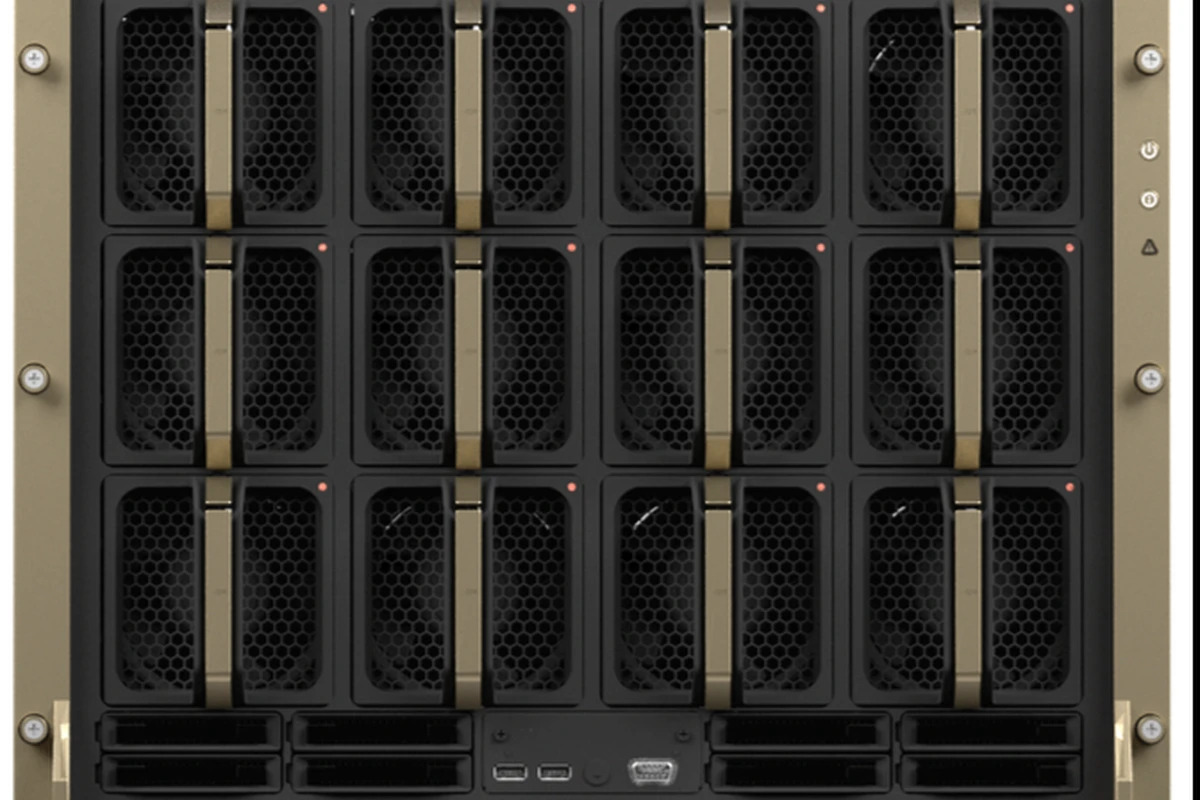
AI Servers and High-Performance Computing (HPC)
The massive computational loads of artificial intelligence demand specialized infrastructure. Implementing a liquid cold plate for AI servers keeps next-generation processors running at peak clock speeds without thermal throttling.
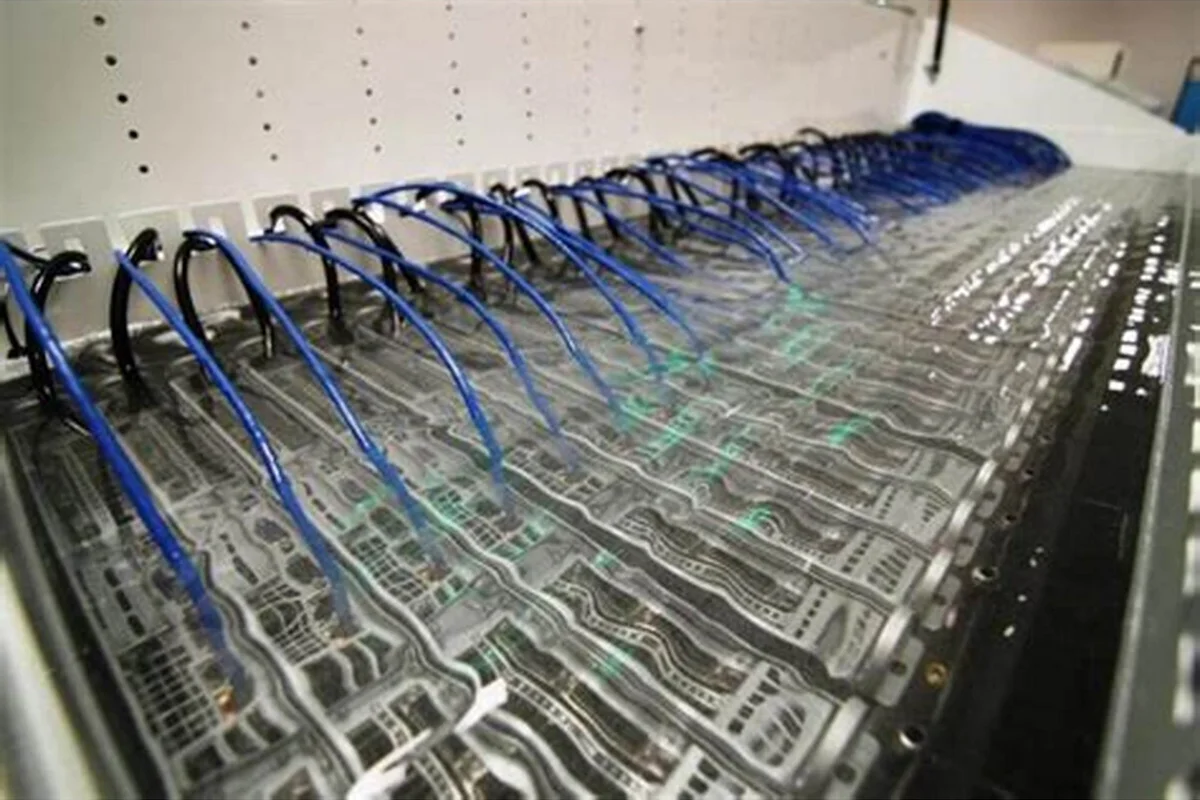
Data Center Liquid Cooling
To reduce Power Usage Effectiveness (PUE), modern data centers are moving away from energy-intensive CRAC air units. Implementing direct-to-chip data center liquid cooling reduces energy overhead by carrying heat directly out of the facility via liquid loops.
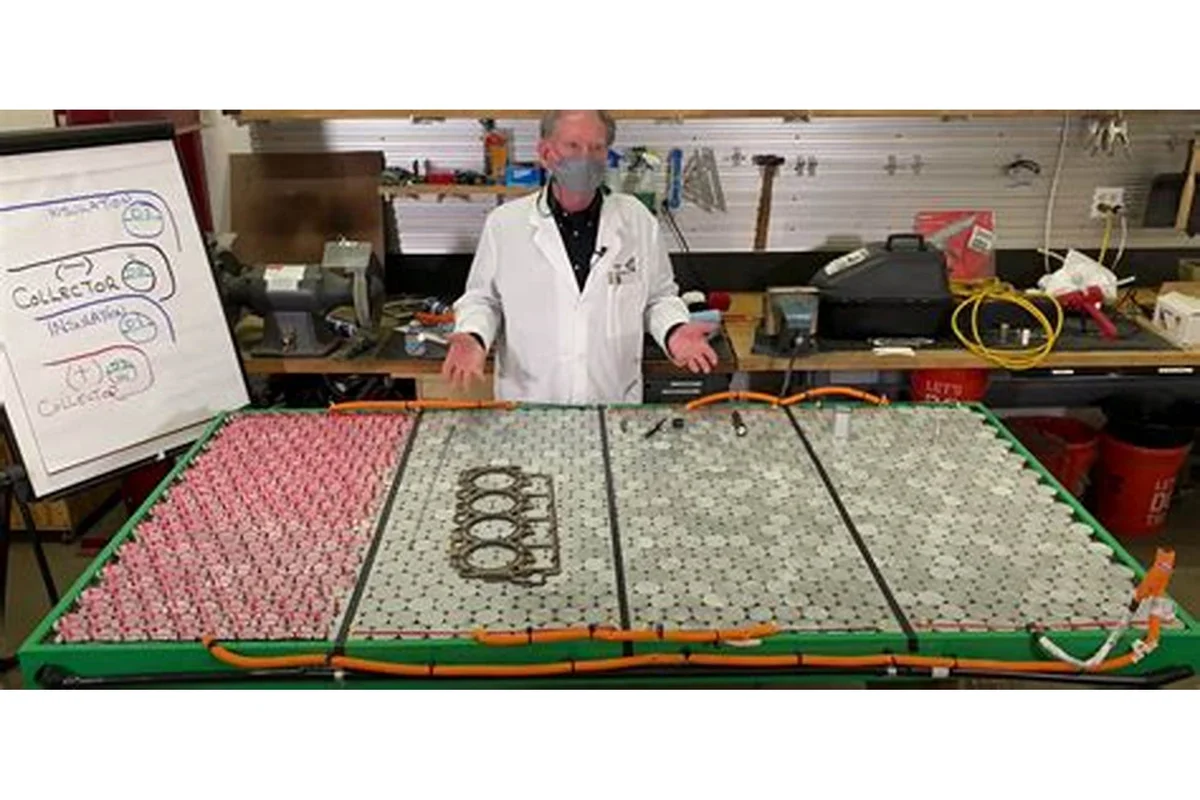
Electric Vehicle (EV) Battery Packs
Electric vehicle batteries must stay within a narrow temperature window to maintain efficiency and safety. An EV battery cooling plate prevents thermal runaway during fast charging and ensures uniform temperature distribution across hundreds of individual lithium-ion cells.
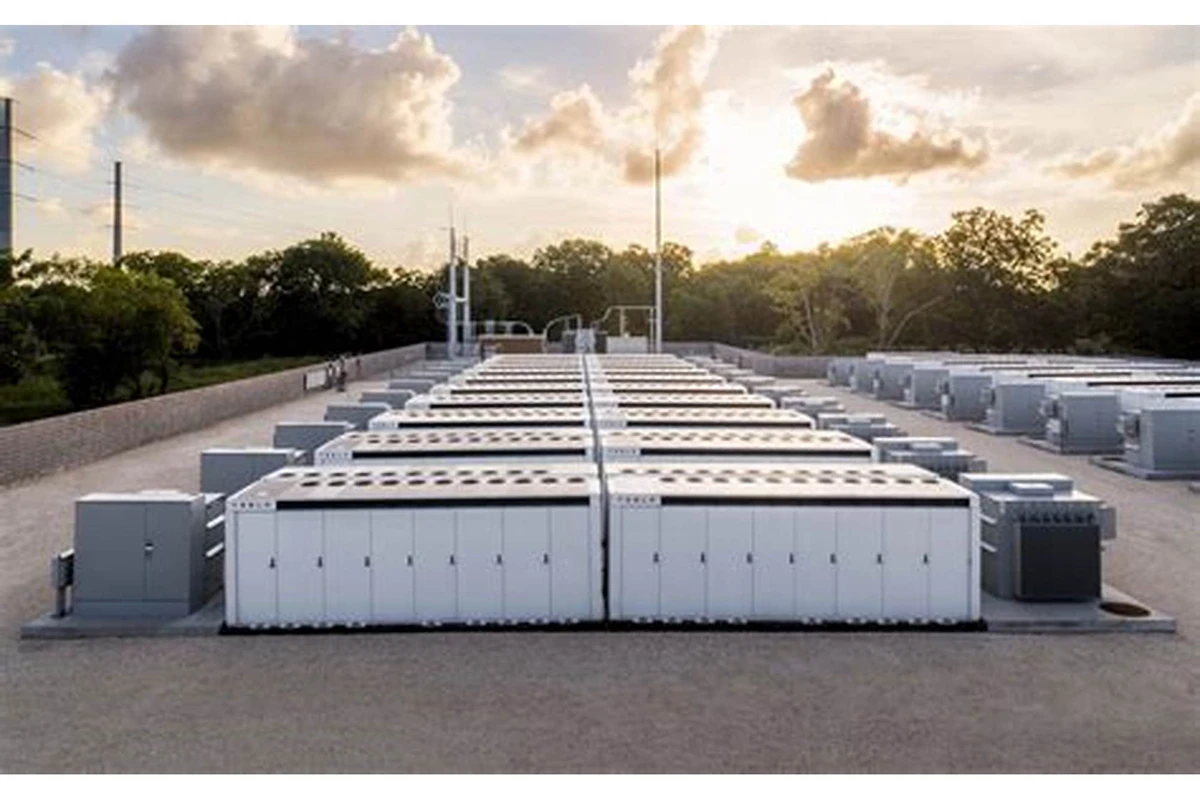
Battery Energy Storage Systems (BESS)
Grid-scale energy storage installations generate significant heat during charge-discharge cycles. Custom plates protect these large-scale battery banks, guaranteeing safe, continuous power delivery to the electrical grid.
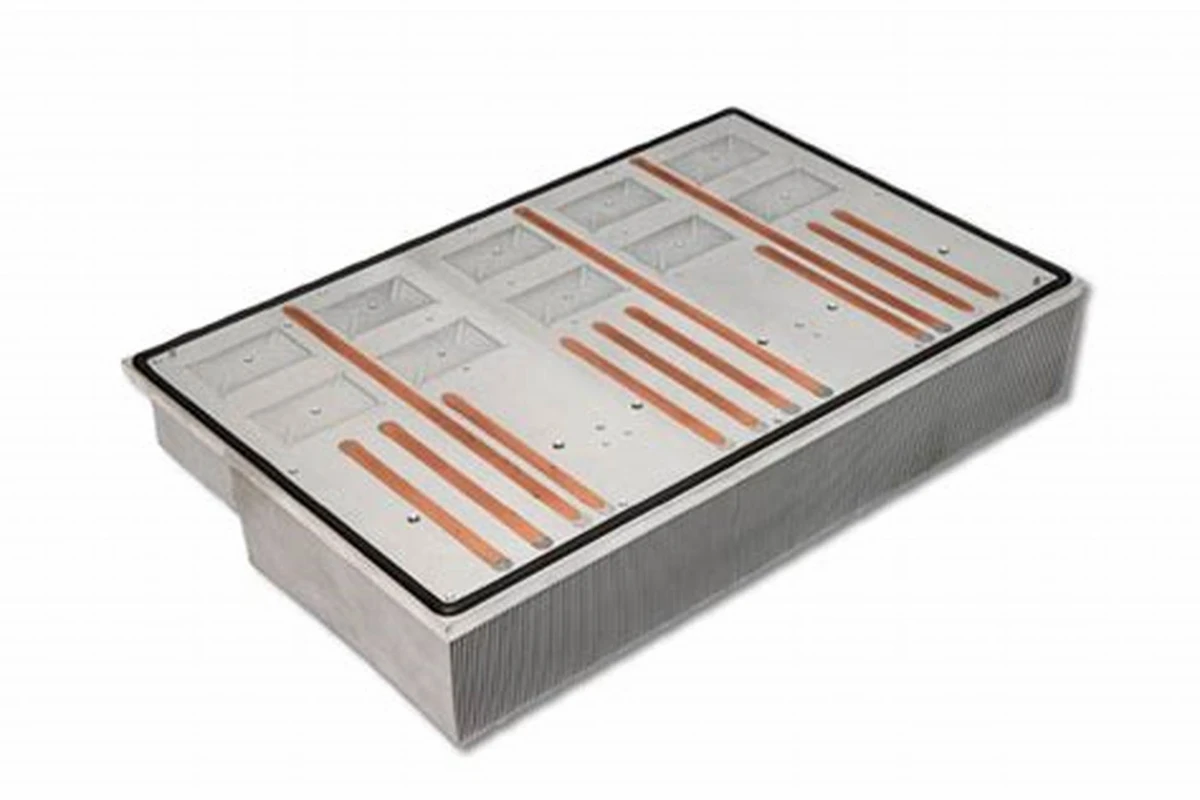
Power Electronics and IGBT Modules
High-power inverters, converters, and IGBTs require focused heat dissipation. A dedicated IGBT cooling plate prevents junction overheating in high-voltage industrial machinery and locomotive drivetrains.
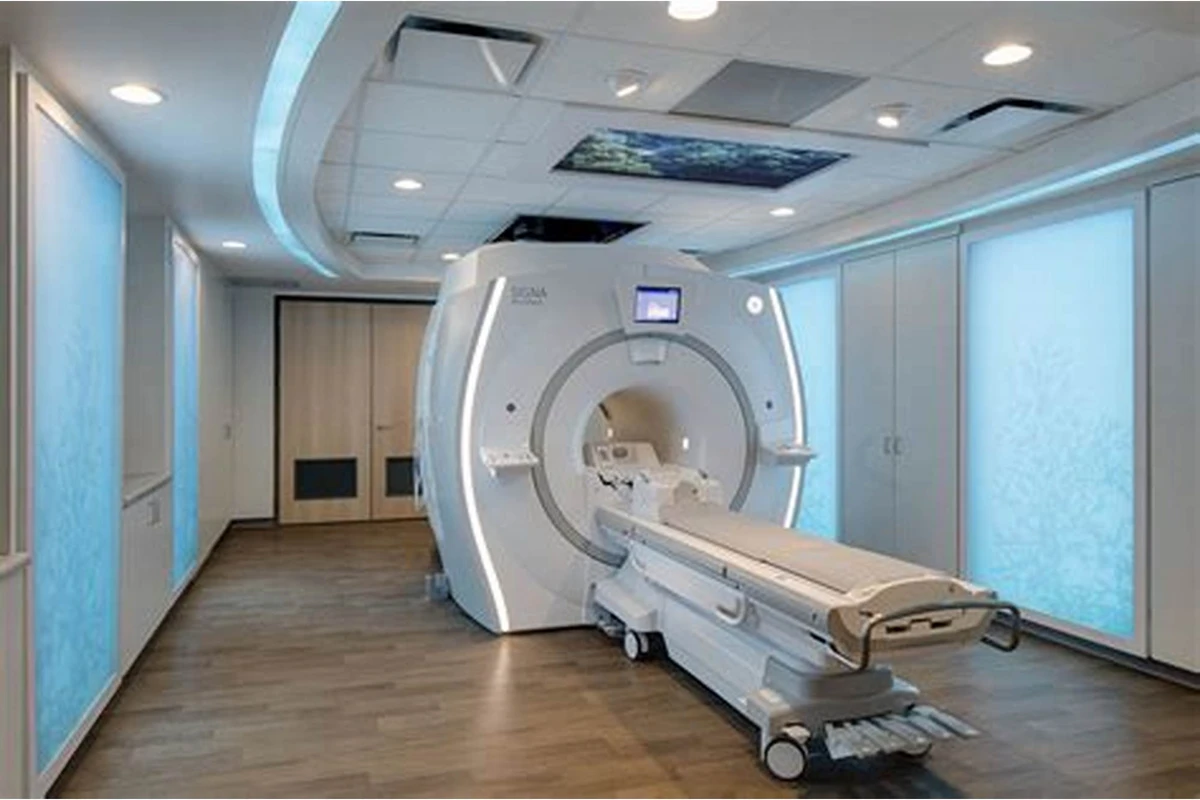
Medical Imaging Equipment
MRI and CT scanners utilize high-power RF amplifiers and gradient coils that produce intense localized heat. Quiet, vibration-free medical equipment cooling systems rely on custom liquid plates to ensure precise imaging results without disturbing patients.
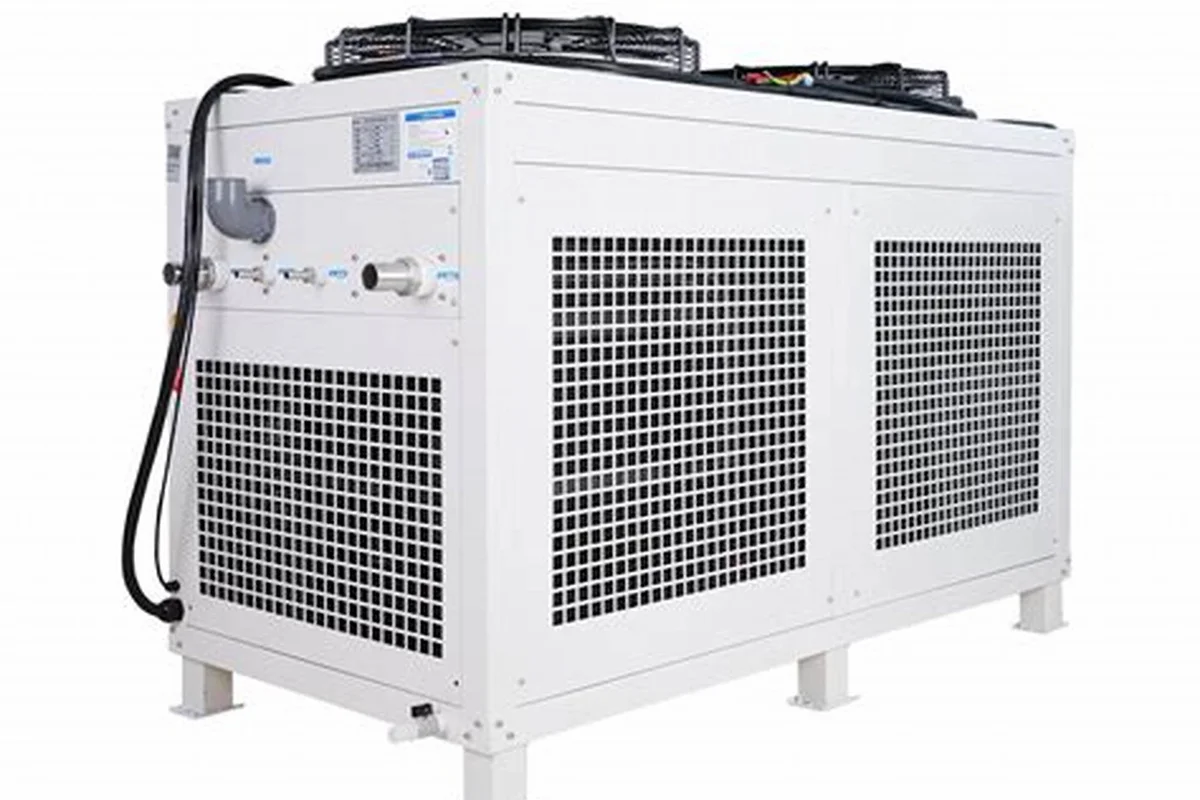
Laser Systems
High-power industrial and medical lasers require extremely stable temperatures to maintain beam wavelength and quality. A custom laser cooling plate prevents thermal expansion of the optics, preserving beam alignment.
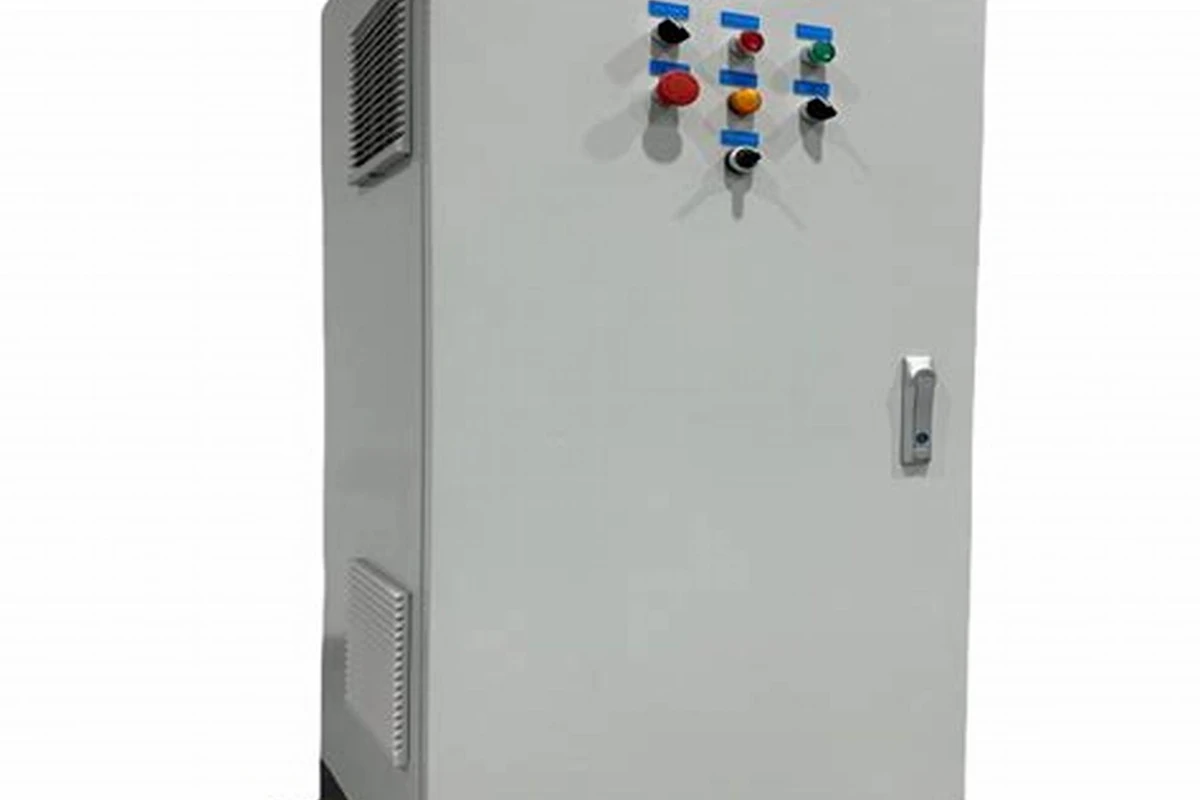
Industrial Automation
Factory floors present harsh environments. An industrial cold plate keeps servo drives, motor controllers, and robotic control cabinets running reliably without drawing contaminated factory air inside the electronics enclosure.
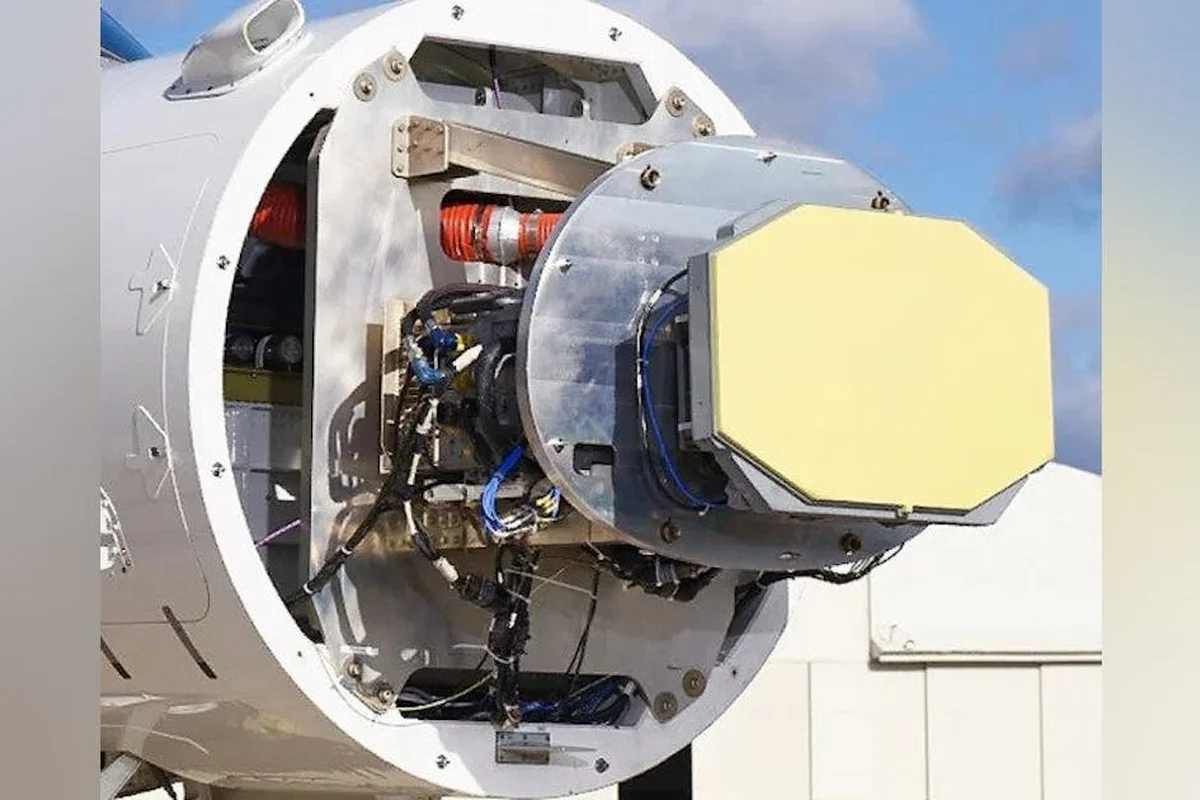
Aerospace and Defense
Weight and reliability are critical in aerospace. Custom plates cooled by dielectric fluids or specialized coolants manage heat in radar arrays, avionics bays, and guidance systems under extreme G-forces and pressure differentials.

Renewable Energy Systems
Wind turbine converters and solar inverters operate in demanding outdoor environments. Liquid-cooled plates keep these power conversion electronics running at high conversion efficiencies with minimal maintenance requirements.
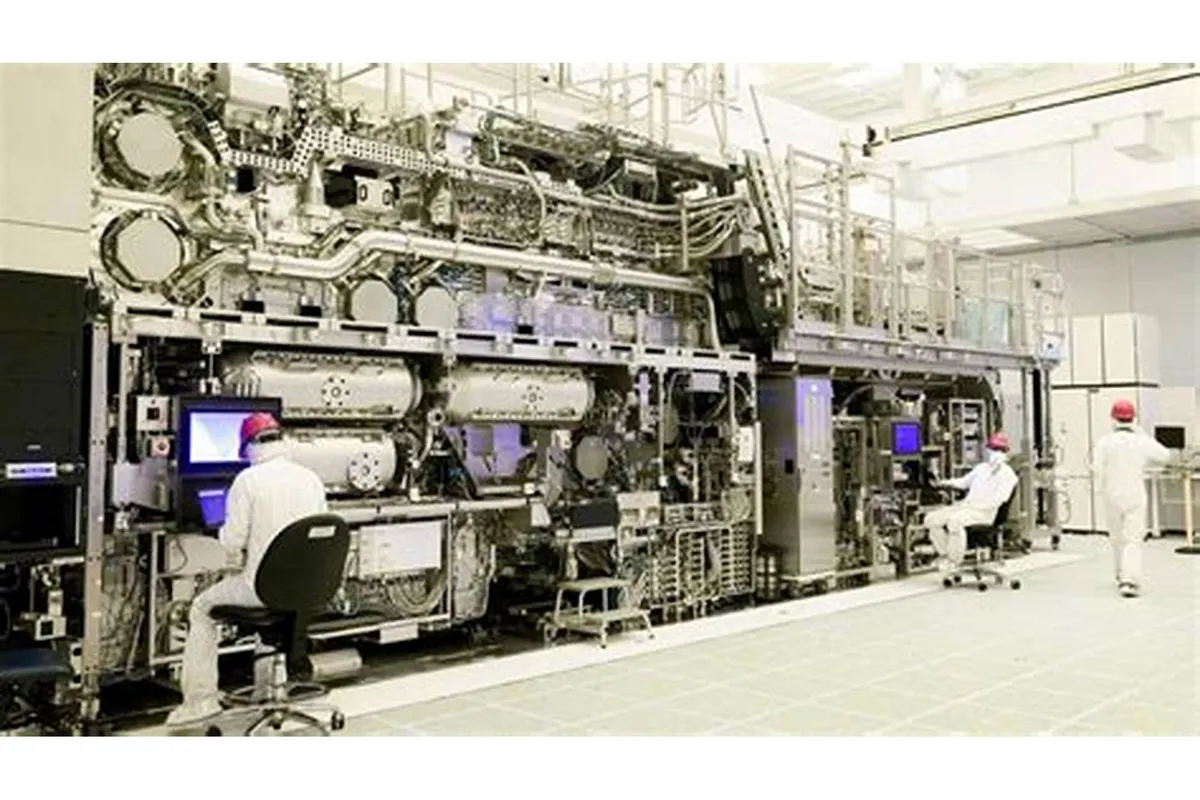
Semiconductor Manufacturing Equipment
Lithography and deposition machines operate with nanometer precision. Custom cooling plates maintain extreme thermal stability across wafer stages, ensuring that thermal expansion does not compromise processing accuracy.
Related: Aluminum CNC Machining: Complete Guide to Processes, Grades, Service Costs & Design Tips (2026)
Types of Custom Liquid Cold Plates
Selecting the right construction style determines both the thermal performance and the manufacturing complexity of your project.
| Design Type | Process / Features |
|---|---|
| Tubed Plates | Embedded tubes |
| Machined Paths | Brazed or welded channels |
| Metal 3D Print | Microchannels |
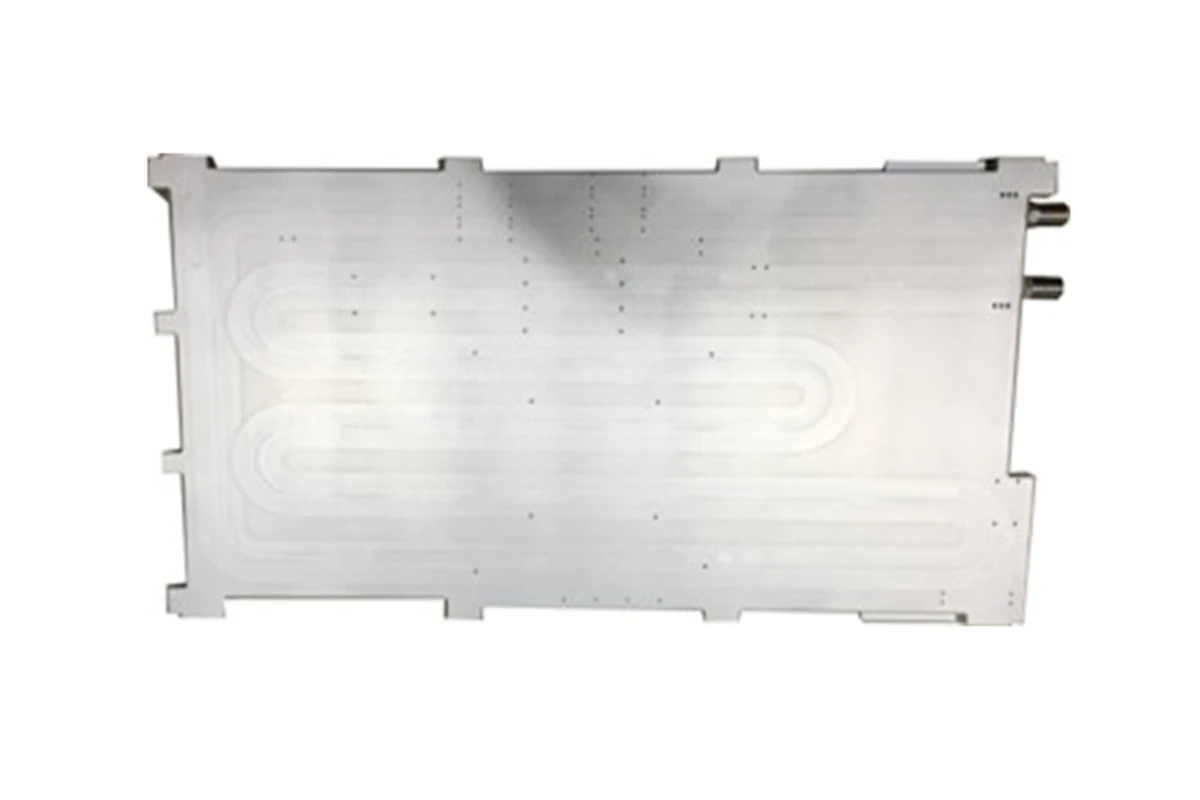
Straight Channel Cold Plates
These plates utilize simple, straight fluid passages. While easy to manufacture, they offer limited surface area. They are best suited for low-to-medium heat loads where uniform temperature across the plate is not a strict requirement.
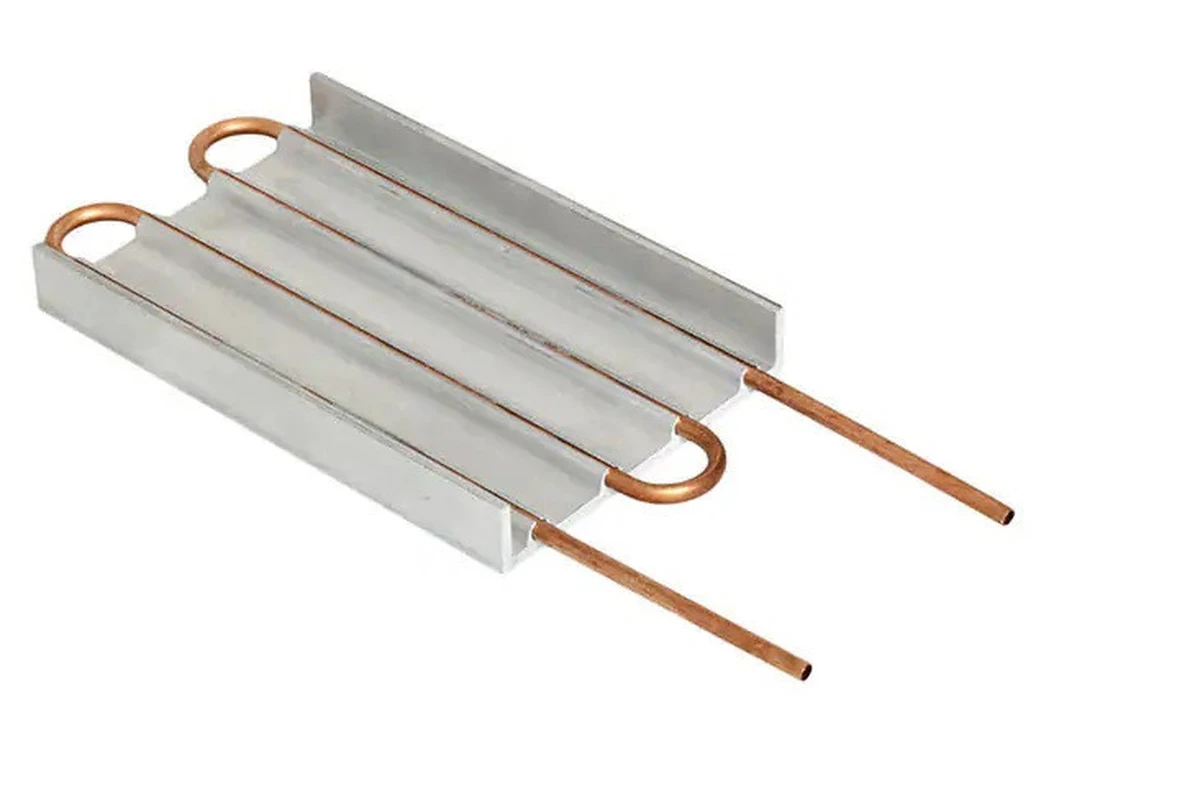
Serpentine Flow Cold Plates
A serpentine cold plate design uses a single continuous, winding path. This ensures that fluid covers the entire footprint of the plate. However, serpentine layouts suffer from cumulative heat buildup; the fluid is significantly hotter by the time it reaches the outlet, which can create temperature gradients across your component.
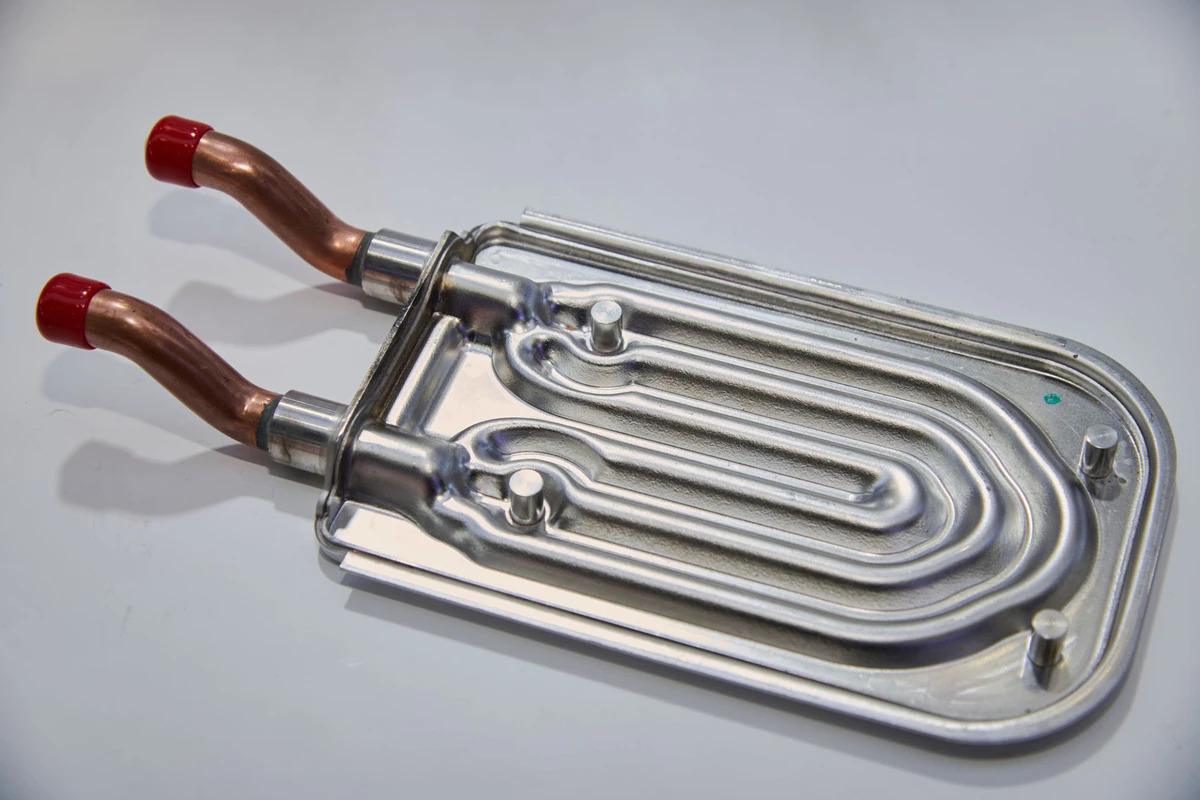
Parallel Flow Cold Plates
A parallel flow cold plate splits the incoming fluid into multiple parallel branches before recombining them at the outlet. This minimizes the temperature gradient across the plate and reduces the overall fluid velocity in each channel, helping to manage pressure drop.
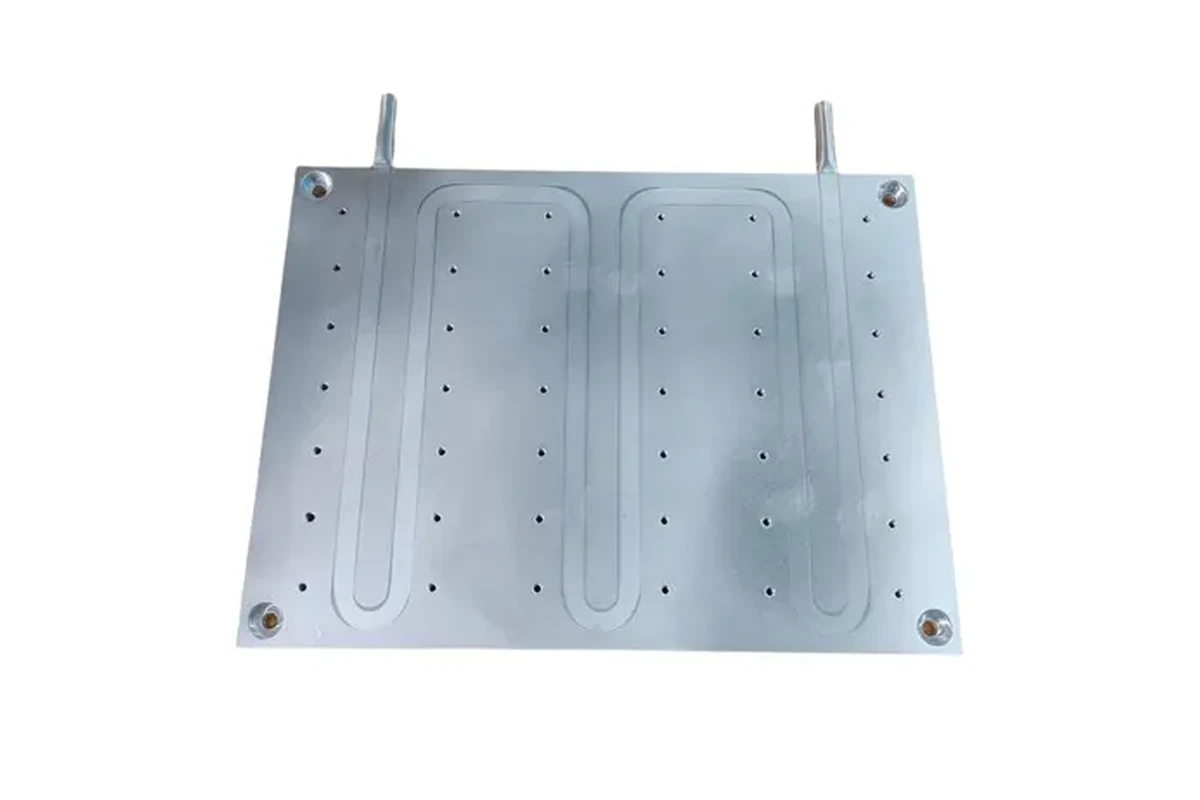
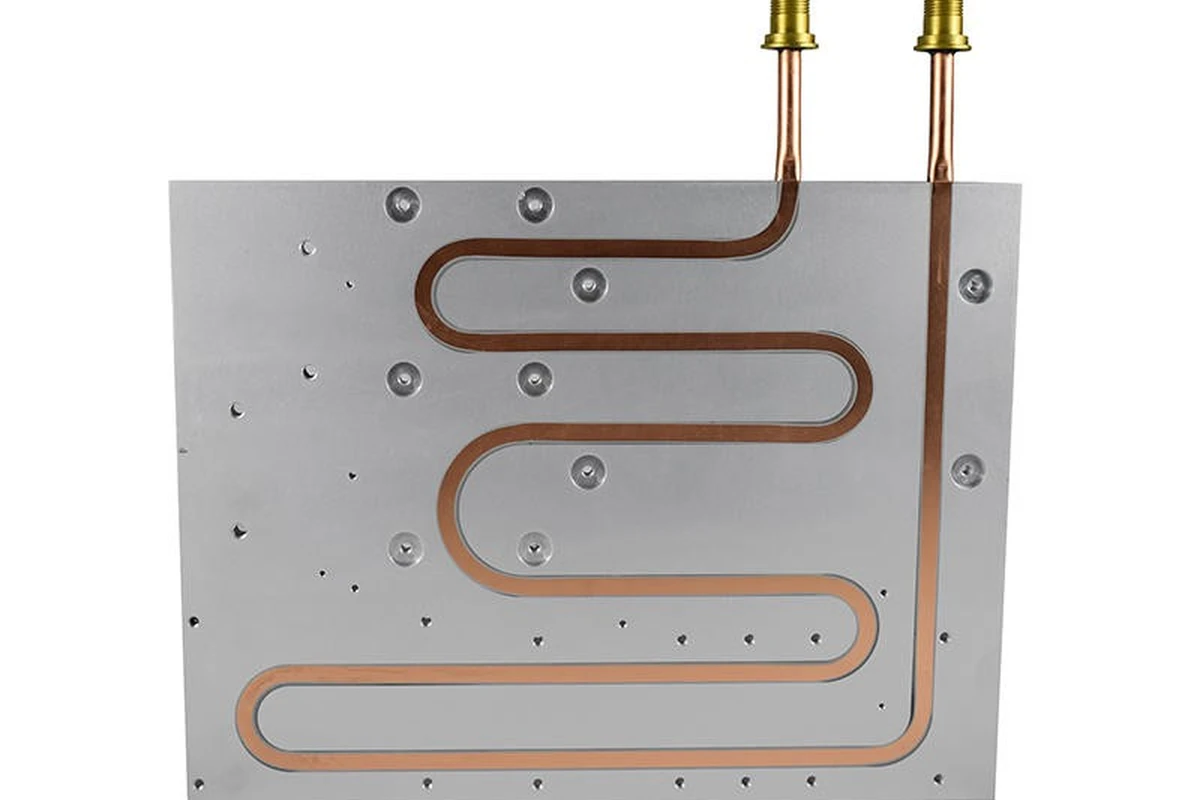
Embedded Tube Cold Plates
Constructed by pressing copper or stainless steel tubing into pre-machined grooves in an aluminum base, an embedded tubing plate is a highly cost-effective cold plate cooling solution. It avoids any risk of joint leakage over the electronics, as the fluid path remains completely contained within the seamless continuous tube.
Vacuum Brazed Cold Plates
A vacuum brazed cold plate represents the gold standard for leak-free, high-strength assemblies. Two machined plates (usually aluminum or copper) are joined using a filler metal in a high-temperature vacuum furnace. This creates a monolithic metal structure with complex internal geometries capable of withstanding high operating pressures.
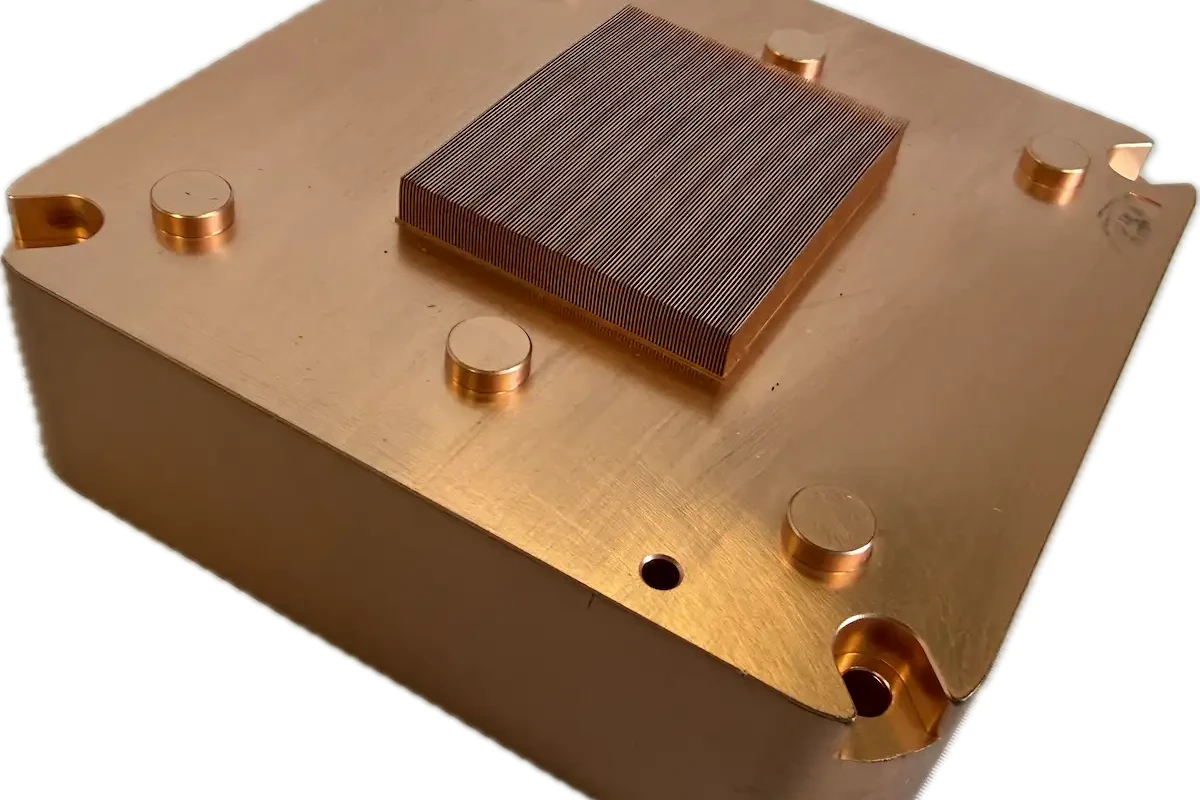
Skived Fin Cold Plates
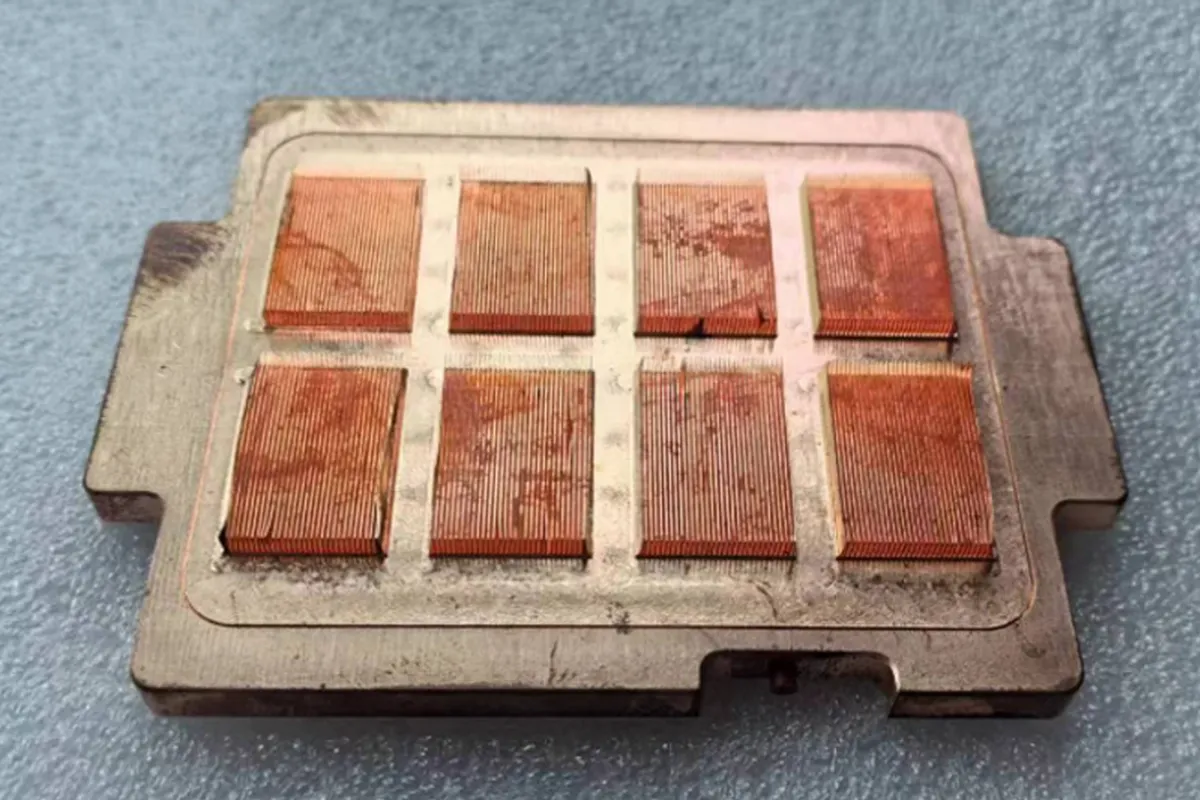
A skived fin cold plate features ultra-thin fins sliced directly from a solid block of metal. These fins are then enclosed with a cover plate. This design provides high surface area density and excellent thermal conductivity because there is no thermal interface resistance between the base and the fins.
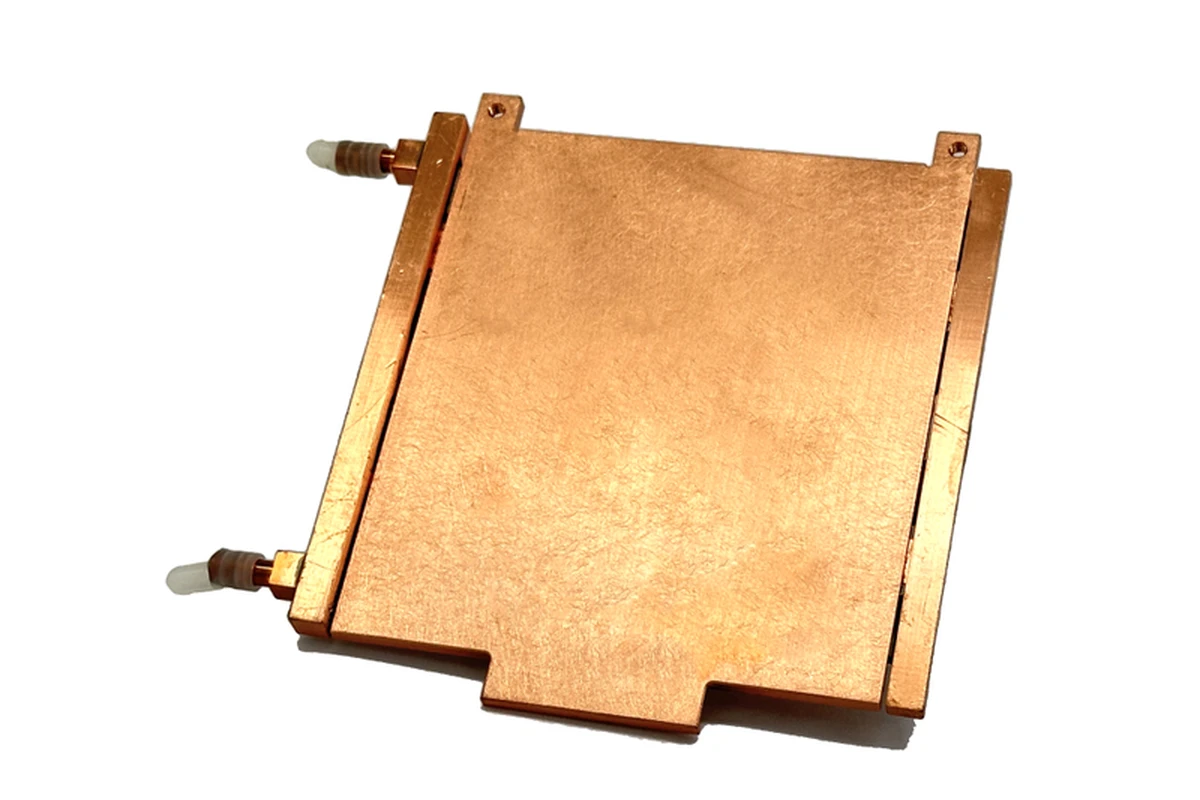
Microchannel Cold Plates
A microchannel liquid cold plate features fluid channels with hydraulic diameters below 1 mm. This setup maximizes the surface-area-to-volume ratio, resulting in exceptionally low thermal resistance. These are ideal for high heat flux applications, such as a high-performance GPU liquid cooling plate.
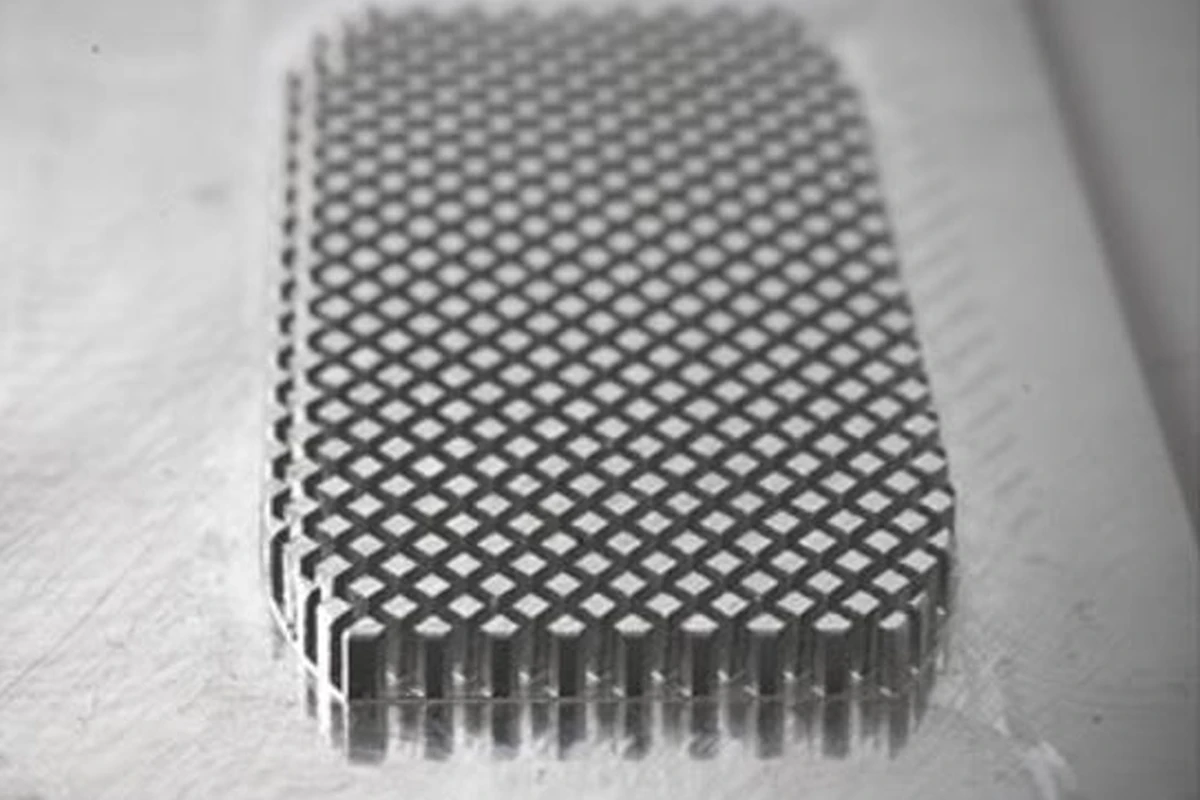
Pin-Fin Cold Plates
Instead of continuous walls, pin-fin plates use arrays of small metal pins to disrupt the fluid boundary layer. This design increases turbulence and fluid mixing, which enhances heat transfer at the cost of a higher pressure drop across the system.
Hybrid Cold Plate Designs
Hybrid designs combine multiple methods—such as using microchannels directly under the hottest silicon dies while utilizing simple parallel channels for the surrounding peripheral components. This approach balances extreme cooling performance with reasonable manufacturing costs.
Choosing the Right Material for a Custom Liquid Cold Plate
Material selection dictates thermal performance, structural weight, chemical compatibility with the coolant, and total fabrication cost.
Aluminum Cold Plates
An aluminum cold plate offers a lightweight, highly machinable, and cost-effective option. Aluminum alloys like Al 6061 and Al 6063 provide good thermal conductivity (around 160 to 200 W/m⋅K) and are widely used in aerospace, automotive, and general industrial applications.
Copper Cold Plates
For extreme heat densities, copper is the superior choice. With a thermal conductivity of roughly 400 W/m⋅K, copper plates minimize spreading resistance. They are commonly used in high-performance computing, semiconductor testing, and demanding defense systems, though they carry a significant weight and cost penalty.
Stainless Steel Cold Plates
When using highly corrosive fluids, or operating in ultra-clean medical and food-processing environments, stainless steel is preferred. While its thermal conductivity is relatively low (15 W/m⋅K), its extreme durability and chemical inertness are unmatched.
Titanium for Corrosion-Resistant Applications
Titanium plates are reserved for highly specialized marine, aerospace, and chemical processing applications. Titanium resists aggressive chemical attack and seawater corrosion while maintaining a high strength-to-weight ratio.
Material Comparison: Thermal Conductivity, Weight, Corrosion Resistance & Cost
Related: ABS Filament Explained: Complete Guide to Printing, Settings, Uses & Tips (2026)
How to Design a High-Performance Custom Liquid Cold Plate
Designing a high-performance cold plate requires balancing thermal performance against fluid dynamics and manufacturing limitations.
Define Thermal Load
Heat Flux Analysis
Select Coolant Fluid
Water, Glycol, or other coolants
Channel Geometry & CFD
Flow simulation & pressure drop calculation
Structural Sealing
O-rings, brazing, or welding
Apply DFM Feedback
Lava3DP Consultation (Design for Manufacturing)
Final Leak Testing
Pressure verification
Define Thermal Requirements
Begin by establishing your thermal boundary conditions. You must identify:
- The total heat load (Watts).
- The maximum allowable junction temperature of the components.
- The ambient operating temperature and inlet fluid temperature.
Heat Load and Heat Flux Analysis
Calculate the heat flux (expressed in W/cm2) by dividing the thermal load by the contact area of the heat source. Areas of high heat flux require localized channel density, whereas areas of low heat flux can use simpler flow structures to conserve pressure.
Coolant Selection (Water, Glycol, Dielectric Fluids)
Perform your liquid cold plate coolant selection based on operating temperatures and environmental risks:
- Deionized water offers outstanding thermal properties but requires strict corrosion control.
- A water-glycol mix (typically 50/50 ethylene or propylene glycol) provides freeze protection down to sub-zero temperatures.
- Dielectric fluids are used in direct-immersion or phase-change systems where electrical conductivity must be avoided at all costs.
Flow Rate and Pressure Drop Optimization
Higher flow rate increases heat transfer but causes a corresponding surge in pressure drop. A high pressure drop requires a larger, noisier, and more power-hungry pump. Your design must find the ideal balance where the fluid velocity remains high enough to ensure turbulent flow (typically targeting a reynolds number above 4000) without exceeding pump limits.
Channel Geometry and Flow Distribution
Avoid sharp, 90-degree turns in your liquid cooling channel design. Sharp bends generate high localized pressure losses and flow stagnation zones. Use swept, gradual curves to maintain smooth flow transitions and uniform fluid distribution across parallel paths.
Inlet and Outlet Placement
Locate ports to promote even flow distribution across all internal channels. Placing ports on opposite diagonal corners of a parallel channel array naturally balances the flow path lengths, preventing fluid from bypassing outer channels.
Sealing Methods and Leak Prevention
Fluid leaks can instantly destroy high-voltage electronics. Ensure robust sealing by utilizing:
- High-grade elastomer O-rings housed in precision-machined glands.
- Metallurgical bonding techniques like vacuum brazing or friction stir welding to eliminate physical joints entirely.
CFD Simulation and Thermal Validation
Before cutting metal, use CFD simulation software to validate your design. A thorough CFD analysis cold plate study reveals local hotspots, flow stagnation zones, and velocity profiles, saving time and prototyping costs.
Design for Manufacturability (DFM)
Ensure your design aligns with real-world manufacturing tolerances. For example, ensure that internal pocket radiuses match standard CNC end-mill sizes, and keep wall thicknesses large enough to prevent deformation during vacuum brazing or welding.
Manufacturing Methods for Custom Liquid Cold Plates
CNC Machining
A CNC machined cold plate provides excellent precision and repeatability. Specialized CNC milling centers carve intricate fluid channels directly into aluminum or copper blocks. These machined halves are subsequently joined using O-ring seals, structural adhesives, or welding.
Metal 3D Printing (Additive Manufacturing)
Using metal additive manufacturing allows you to create geometries that are physically impossible to mill on a traditional CNC machine. A metal 3D printed cold plate can integrate internal organic flow paths, conformal lattice structures, and optimized microchannels directly into a single, seamless component.
Vacuum Brazing
Vacuum brazing is a high-temperature joining process performed in a vacuum chamber. A filler foil with a lower melting point than the base metal is placed between the machined cold plate parts. The assembly is heated, melting the filler to draw it into the joint by capillary action. This forms an incredibly strong, leak-proof, and void-free metallurgical bond.
Friction Stir Welding (FSW)
A friction stir welded cold plate utilizes a rotating, non-consumable tool pin to plastically deform and join two metal plates without melting them. This solid-state welding process produces exceptionally strong joints with minimal thermal distortion, making it popular for sealing high-volume aluminum automotive cold plates.
TIG Welding
Tungsten Inert Gas (TIG) welding is used for sealing cover plates on simpler assemblies or attaching fluid inlet/outlet fittings. While highly reliable when performed by certified technicians, it introduces more localized heat than FSW or brazing, which can cause minor cosmetic or dimensional warping.
Embedded Copper Tube Manufacturing
In this process, an aluminum plate is machined with precise, semi-circular grooves. A continuous copper or stainless steel tube is pressed into these channels, often using a thermal epoxy to eliminate air gaps. This produces a low-cost, reliable, leak-free thermal interface.
Skiving Process
Skiving uses a specialized reciprocating blade to peel up thin, upright fins from a solid metal block. The fins remain integral to the base block, providing zero thermal interface resistance. This method is highly effective for fabricating dense microchannel arrays in copper or aluminum.
Surface Finishing and Leak Testing
Once joined, plates undergo final machining of mounting faces, followed by surface treatments. Every single plate must undergo rigorous helium mass spectrometry or hydrostatic leak testing to ensure absolute fluid containment under pressure.
How Lava3DP Manufactures Custom Liquid Cold Plates
Lava3DP provides end-to-end engineering and manufacturing services, turning complex thermal designs into high-performance physical hardware.
Rapid Prototyping for Thermal Management Components
Time-to-market is critical. Lava3DP utilizes advanced rapid prototyping systems to manufacture operational functional prototypes within days. This allows engineering teams to perform early physical bench testing and thermal validation before committing to high-volume production.
CNC Machining for Precision Cold Plates
Lava3DP operates high-speed, multi-axis CNC machining centers. These machines hold tight dimensional tolerances (down to ±0.01 mm), ensuring flat mounting surfaces that minimize thermal interface resistance against sensitive silicon chips.
Metal 3D Printing for Complex Internal Cooling Channels
For applications demanding ultra-high thermal efficiency, Lava3DP utilizes Laser Powder Bed Fusion (LPBF) technology. This process prints custom plates with conformal cooling channels, integrated pin-finned structures, and optimized flow-splitting manifolds that are impossible to machine conventionally.
Low-Volume and Production Manufacturing
Whether you need a single prototype, a pilot run of fifty units, or high-volume production of thousands of units, Lava3DP scales its manufacturing lines to match your project’s volume requirements.
Quality Inspection and Pressure Testing
Lava3DP implements a zero-defect quality control protocol. Every plate is subjected to coordinate measuring machine (CMM) dimensional verification, flat-surface roughness inspection, and high-pressure pneumatic or hydrostatic leak testing.
Global Manufacturing and Fast Turnaround
With localized production facilities and an integrated supply chain, Lava3DP delivers finished components to engineering teams worldwide, offering some of the fastest lead times in the industry.
Related: PLA Filament Explained: Complete Guide to Types, Settings, Uses & Tips (2026)
Metal 3D Printing vs. CNC Machining for Liquid Cold Plates
Choosing between additive manufacturing and CNC subtractive machining depends on design complexity, lead time, and volume.
Limited to line-of-sight cutting tools
Near-infinite (supports conformal paths)
Straight, orthogonal, or simple curves
Organic, curved, and self-supporting microchannels
High waste (subtractive process)
Low waste (additive process)
Excellent (Ra≈0.8 μm or better)
Rougher (Ra≈5−10 μm, requires post-processing)
Cost-effective for low-to-high volumes
Best for complex prototypes & low volumes
Design Freedom
Metal 3D printing offers unparalleled design freedom. It allows engineers to route channels around mounting hardware and complex physical blockages, maximizing contact surface area in tight spaces.
Internal Cooling Channel Complexity
Traditional milling limits you to circular or rectangular paths that can be accessed by an end mill. Additive manufacturing allows you to print varying cross-sectional geometries, internal lattices, and nested micro-manifolds directly inside the plate core.
Manufacturing Speed
For highly complex, one-off prototypes, metal 3D printing can be faster because it eliminates the need for specialized tooling, setup fixtures, or multi-step brazing processes. However, for simple channel designs, multi-axis CNC machining remains faster for production runs.
Cost Comparison
For standard geometries, CNC machining is far more cost-effective. Metal 3D printing carries higher raw material and machine-time costs, making it most practical when high thermal performance justifies the premium.
Surface Finish Requirements
CNC machining produces exceptionally flat surfaces (Ra≤0.8 μm), which are vital for establishing a low-resistance contact patch with electronic packages. 3D-printed parts require secondary CNC face-milling on their mounting surfaces to achieve the necessary flatness.
Best Applications for Each Process
- CNC Machining: Best for volume production, high-purity semiconductor plates, simple parallel-flow layouts, and cost-sensitive industrial projects.
- Metal 3D Printing: Best for aerospace weight-reduction programs, specialized military hardware, complex GPU cooling blocks, and low-volume, high-performance prototypes.
Design Considerations That Improve Cooling Performance
Uniform Temperature Distribution
To prevent localized hotspots that degrade chips unevenly, design your channel layout so that fresh, cold fluid enters directly under the highest heat-flux zones first, before routing toward lower-heat areas.
Minimizing Thermal Resistance
To reduce thermal resistance:
- Maximize the thermal conductivity of your selected alloy.
- Minimize the thickness of the metal wall between the fluid and the heat source (often aiming for a wall thickness of 1 to 2.5 mm).
- Use high-performance thermal interface materials (TIMs) during final installation.
Reducing Pressure Drop
To minimize system pressure losses, avoid sudden channel expansions or contractions. Keep fluid velocities within a moderate range (0.5 to 2.5 m/s) to maintain a clean balance between high convective heat transfer and acceptable flow resistance.
Optimizing Coolant Velocity
While higher velocities boost convective performance, excessively high speeds can lead to localized erosion-corrosion, particularly in softer aluminum alloys. Keep fluid velocities below the erosion threshold specified for your material-coolant combination.
Preventing Flow Dead Zones
Stagnant fluid pockets act as thermal insulators. Use CFD tools to analyze velocity profiles, ensuring that no zero-velocity eddies exist in the corners or junctions of your internal channel network.
Corrosion Prevention
When utilizing copper and aluminum in the same liquid loop, galvanic corrosion can rapidly destroy your components. Always use a corrosion inhibitor (such as benzotriazole for copper or specialized organic acid inhibitors for aluminum) in your coolant fluid, or mechanically isolate the metals.
Maintenance Accessibility
Ensure that inlet/outlet fittings are easy to access and service. Standardizing on common thread sizes (like G1/4″ or NPT) simplifies integration, maintenance, and field replacement.
Surface Finishing Options for Liquid Cold Plates
Applying the correct surface finish protects the cold plate from environmental degradation and chemical wear.
Anodizing
Anodizing chemically grows an aluminum oxide layer on the surface of aluminum plates. This layer provides excellent corrosion protection and electrical insulation, though it introduces a slight thermal barrier on mounting faces.
Hard Anodizing
Hard anodizing (Type III) produces a much thicker, highly wear-resistant oxide layer. This is ideal for harsh industrial environments where the plate is exposed to physical abrasion, grit, or aggressive handling.
Chemical Polishing
Chemical polishing reduces internal channel roughness, which helps minimize flow resistance and micro-scale turbulence. Smooth channels also lower the risk of particulate deposition and bio-fouling over long operational lifespans.
Passivation
For stainless steel and titanium plates, passivation removes free iron from the surface using a mild acid bath. This leaves a clean, passive chromium-oxide layer that provides outstanding protection against rust and chemical attack.
Powder Coating (External Surfaces)
While powder coating should never be applied to mounting interfaces or internal fluid channels due to its high thermal resistance, it can be applied to external structural housings to provide aesthetic color-coding, branding, or environmental protection.
Leak Testing and Surface Inspection
Following surface treatments, a final quality control check ensures that no chemical etching has compromised wall thicknesses or sealing surfaces. This is verified using helium leak testing and surface profilometer checks.
Common Design Mistakes to Avoid
Undersized Cooling Channels
Designing internal paths that are too narrow risks channel clogging from small system particulates and dramatically increases pressure drop, which can overwhelm standard system pumps.
Poor Coolant Flow Distribution
If a parallel flow path is poorly balanced, the coolant will naturally take the path of least resistance. This leaves channels in higher-resistance zones with stagnant fluid, leading to localized component overheating.
Ignoring Pressure Drop
Designing an ultra-dense array of microchannels is pointless if your system pump cannot deliver the required flow rate through the resulting high-pressure restriction. Always design your cold plate within the pressure limits of your target pump.
Choosing the Wrong Material
Using untreated aluminum in contact with raw, untreated water will trigger rapid galvanic corrosion. Ensure that your material choices are chemically compatible with your selected coolant and system fittings.
Inadequate Sealing Design
Relying on cheap adhesives or poorly dimensioned O-ring grooves will eventually lead to fluid leaks under thermal cycling. Always design sealing features according to industrial O-ring engineering standards.
Overlooking Manufacturability
Designing highly complex, internal, three-dimensional curves that cannot be accessed by a physical CNC mill—without planning to use metal 3D printing—leads to unbuildable parts and delayed project timelines.
Related: Filament Dryers for PLA, PETG, ABS, TPU, and Nylon (2026 Guide)
How Much Does a Custom Liquid Cold Plate Cost?
The cost of a custom cold plate varies based on design complexity, material choice, and production volume.
- Aluminum (Al)
- Copper (Cu)
- Al: Low cost
- Cu: High cost
- Prototype run
- Full production run
- Prototype: High unit cost
- Production: Low unit cost
- Simple channels
- Microchannels
- Simple: Low cost
- Microchannels: High cost
Factors That Affect Pricing
Total fabrication cost is determined by several core variables:
- Raw Material: Copper carries a significant price premium over aluminum.
- Machining Time: High-density fin profiles and complex internal paths require longer cycles on CNC equipment.
- Joining Method: Vacuum brazing requires specialized tooling fixtures and furnace runs, which increases cost compared to simple O-ring bolted assemblies.
Material Selection
Choosing copper instead of aluminum roughly doubles or triples the raw material cost. It also increases machining wear and cycle times, which further increases manufacturing expenses.
Manufacturing Method
- Tubed Cold Plates: The most economical option ($20 – $100 per unit in low volumes).
- CNC Machined & Brazed Plates: Medium-to-high cost ($100 – $500+ per unit depending on size).
- Metal 3D Printed Plates: Highest cost ($500 – $1,000+ per unit), best reserved for extreme performance, low-volume aerospace or military projects.
Prototype vs. Production Costs
Low-volume prototypes carry high overhead costs due to engineering setup, CAM programming, and machine configuration. When scaling to production volumes, these fixed engineering costs amortize over thousands of units, reducing individual part costs significantly.
Complexity of Internal Channels
Densely packed microchannels with high aspect ratios require specialized, delicate cutting tools and slower feed rates. Designing slightly wider channels with larger corner radiuses can reduce CNC cycle times and lower fabrication costs.
Surface Finishing Costs
Standard chemical conversion coatings are relatively inexpensive. Specialized hard anodizing, precious metal plating (like nickel or gold plating for copper), and multi-step internal passivation processes add to the final unit cost.
How to Choose the Right Manufacturing Partner
Engineering Design Support
A quality partner does not just accept your CAD files blindly; they analyze your design and provide feedback on how to improve flow, manage pressure drop, and reduce manufacturing costs.
Manufacturing Capabilities
Ensure your vendor has in-house access to a wide range of manufacturing processes—including multi-axis CNC milling, vacuum brazing, friction stir welding, and advanced metal additive manufacturing. This ensures they can recommend the best process for your specific needs.
Material Availability
Your partner should maintain a reliable, traceable stock of high-purity alloys (such as Al 6061-T6, Al 6063, oxygen-free copper C10200, and C11000) complete with mill material test reports (MTRs) to guarantee thermal performance.
Prototype-to-Production Scalability
Choose a partner capable of handling your entire product lifecycle. Working with a single vendor who can support you from rapid prototyping through to high-volume production saves engineering time and prevents quality mismatches during transition.
Quality Certifications
Verify that your manufacturer holds essential industrial certifications, such as ISO 9001 for general quality management, and AS9100 or IATF 16949 if you are producing parts for aerospace or automotive applications.
Lead Time and Global Shipping
Delays in receiving thermal components can stall entire product development programs. Choose a partner with a proven record of fast turnarounds and reliable global logistics networks.
Related: PETG Filament Explained: Pros, Cons, Print Settings & Best Uses in 2026
Why Choose Lava3DP for Custom Liquid Cold Plates?
Ready to Manufacturing with LAVA3dp?
Upload your CAD file today and receive instant pricing, expert engineering support, fast production, and worldwide delivery.
Get an Instant Quote →Final Thoughts
Custom liquid cold plates are essential components for managing the heat loads of modern high-power electronics. By understanding thermal design principles, selecting the right materials, and matching your design to the most efficient manufacturing method, you can achieve outstanding cooling performance.
Partnering with an experienced manufacturer like Lava3DP ensures your cooling systems are built to the highest quality standards, helping you deliver reliable thermal solutions on schedule.