

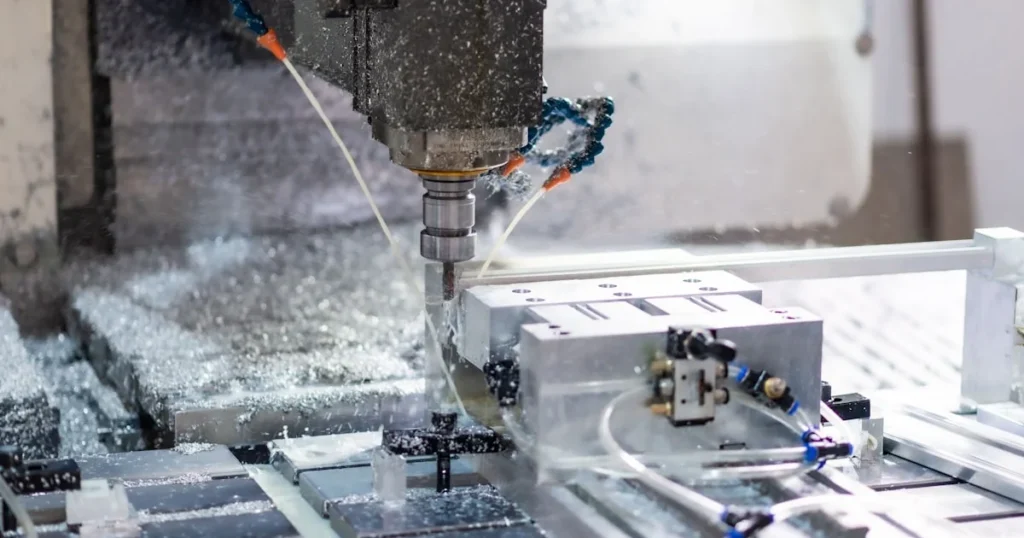
Optimize your production with our LAVA3dp expert guide to aluminum CNC machining. Learn about alloy grades, precise design tolerances, costs, and finishes to lower production expenses. Get an instant quote for your custom parts today!
Engineers pick aluminum more than almost any other metal for precision manufacturing. Its combination of light weight, structural strength, and superb thermal properties makes it a standard choice across heavy industries.
Using the right CNC machine for aluminum dramatically shortens production cycles while holding tight dimensional tolerances. This guide details practical insights from production floors, giving you the exact technical parameters, grade comparisons, and design practices needed to optimize your custom aluminum machining workflows this year.
What Is Aluminum CNC Machining?
How CNC Machining Works with Aluminum
Computer Numerical Control (CNC) manufacturing relies on automated cutting tools to remove material from a solid block. Software programs translate a digital CAD model into G-code, which dictates coordinates, spindle speed, and feed rate parameters. When working with aluminum, high-speed spindles move specialized cutting tools along multiple axes to form complex features. The process demands rigid fixture design to avoid part vibration, ensuring that the final component matches the CAD model exactly.
Why Aluminum Is One of the Most Popular CNC Materials
Aluminum dominates machine shops because of its unique physical traits. It requires much less cutting force than stainless steel or titanium, meaning less wear on a carbide end mill. The material rapidly dissipates heat generated during cutting, preventing thermal expansion from shifting part dimensions. Additionally, aluminum scrap retains significant resale value, supporting recycling and sustainability goals.
CNC Milling vs CNC Turning for Aluminum Parts
Milling and turning serve different geometry requirements. A CNC aluminum milling machine utilizes rotating tools while holding the raw material firmly in a vise or fixture. This setup handles square profiles, pockets, and intricate cavities. Conversely, aluminum turning services rotate the material itself against stationary cutting tools, making it the ideal process for shafts, bushings, and cylindrical geometries.
Related: ABS Filament Explained: Complete Guide to Printing, Settings, Uses & Tips (2026)
Benefits of Aluminum CNC Machining
Excellent Strength-to-Weight Ratio
Aluminum provides impressive mechanical integrity without adding unnecessary bulk to assemblies. This balance makes it indispensable when structural load capacity must coexist with low mass.
High Machinability and Faster Production
Machinists can run aggressive chip evacuation paths and rapid feed rates on aluminum without snapping tools. This high machinability accelerates lead times, making the material a favorite for fast-paced development cycles.
Corrosion Resistance
When exposed to air, aluminum naturally forms a microscopic oxide layer that protects it from moisture and chemical attack. This barrier reduces the need for expensive base coatings in standard operating environments.
Tight Tolerances and High Precision
The material cuts cleanly without tearing or heavy deformation, allowing factories to hold an incredibly close machining tolerance. This structural stability enables repeatable fits across complex mechanical interfaces.
Excellent Thermal and Electrical Conductivity
Aluminum transfers heat away from heat sources far better than ferrous alloys. Because of this property, companies rely on the metal for cooling fins, enclosures, and high-power electronic chassis.
Cost-Effective for Prototypes and Production
Shorter cycle times mean lower labor costs per part. Aluminum stays cost-effective from initial prototypes through full production runs.
Common Aluminum Grades Used in CNC Machining
Selecting the right grade depends entirely on your mechanical and environmental requirements. The following breakdown shows the differences between popular alloys used in modern machine shops. To pick your material, map your primary design constraint to the proper alloy group. This material selection guide simplifies the decision:
| Aluminum Grade | Key Characteristics | Common Applications |
|---|---|---|
| 6061-T6 | High versatility, great machinability, good strength | Brackets, frames, custom machined aluminum components |
| 7075-T6 | Ultra-high strength, premium hardness, lower corrosion resistance | Aerospace structures, high-stress gears, defense components |
| 5052-H32 | Superior marine corrosion resistance, high ductility | Marine hardware, tanks, electronic panels |
| 2024-T3 | High fatigue resistance, high strength, sensitive to corrosion | Aircraft skins, fairings, structural fasteners |
| 6082-T6 | High structural strength, popular in Europe | Heavy-duty structures, cranes, transport equipment |
| MIC-6 | Extreme flatness, zero internal stress, won’t warp | Optical plates, automation tables, precision fixtures |
6061 Aluminum
This grade is the true workhorse of the manufacturing world. CNC machining 6061 aluminum balances excellent weldability, structural strength, and moderate corrosion resistance. It acts as the benchmark material for brackets, structural enclosures, and everyday mechanical components.
7075 Aluminum
When your application demands maximum yield strength, CNC machining 7075 aluminum is the answer. Alloyed primarily with zinc, its strength rivals many steel alloys while maintaining a much lower weight. It is standard for high-stress aerospace applications, though it carries a premium price and lower corrosion resistance than the 6000 series.
5052 Aluminum
This alloy stands out for its exceptional resistance to marine environments and chemicals. While more common in sheet metal work, 5052 aluminum machining is frequently required for marine components and complex electronic enclosures that demand excellent formability and salt-water endurance.
2024 Aluminum
Alloying aluminum with copper yields the 2024 variant, famous for its high fatigue resistance and fracture toughness. It sees extensive use in aircraft structures under tension, though its high copper content makes it more susceptible to corrosion than 6061.
6082 Aluminum
Commonly used across Europe, 6082 offers slightly higher strength than 6061 along with excellent corrosion resistance. It has replaced 6061 in many structural applications, bridges, and transport components due to its superior behavior under mechanical stress.
MIC-6 Cast Aluminum
MIC-6 is a continuous-cast aluminum plate engineered for outstanding dimensional stability. It undergoes virtually no distortion during extensive pocket milling because it lacks internal residual stresses. This makes it perfect for high-precision components like machine baseplates and checking fixtures.
Related: PLA Filament Explained: Complete Guide to Types, Settings, Uses & Tips (2026)
Aluminum CNC Machining Processes
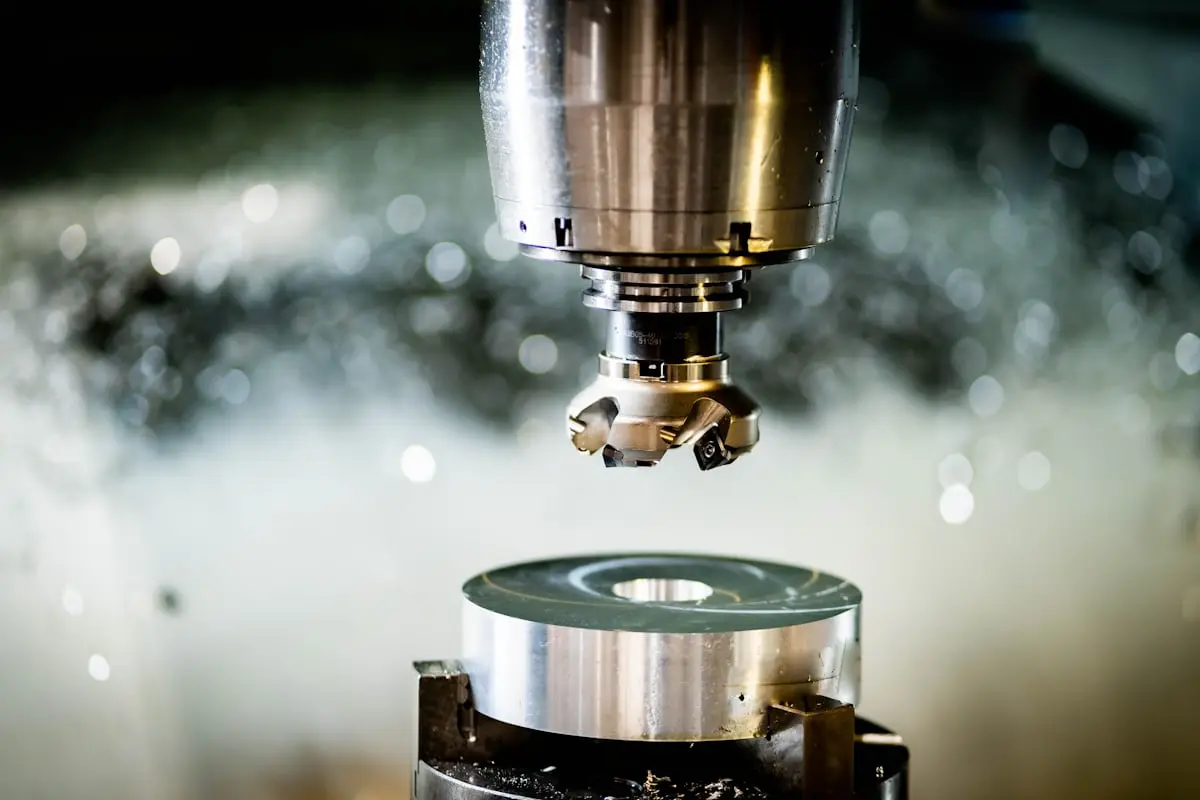
CNC Milling
Modern milling relies on multi-axis setups to execute complex operations like face milling, drilling, and deep pocket milling. CNC milling removes bulk material quickly, creating intricate three-dimensional features on square or rectangular stock.
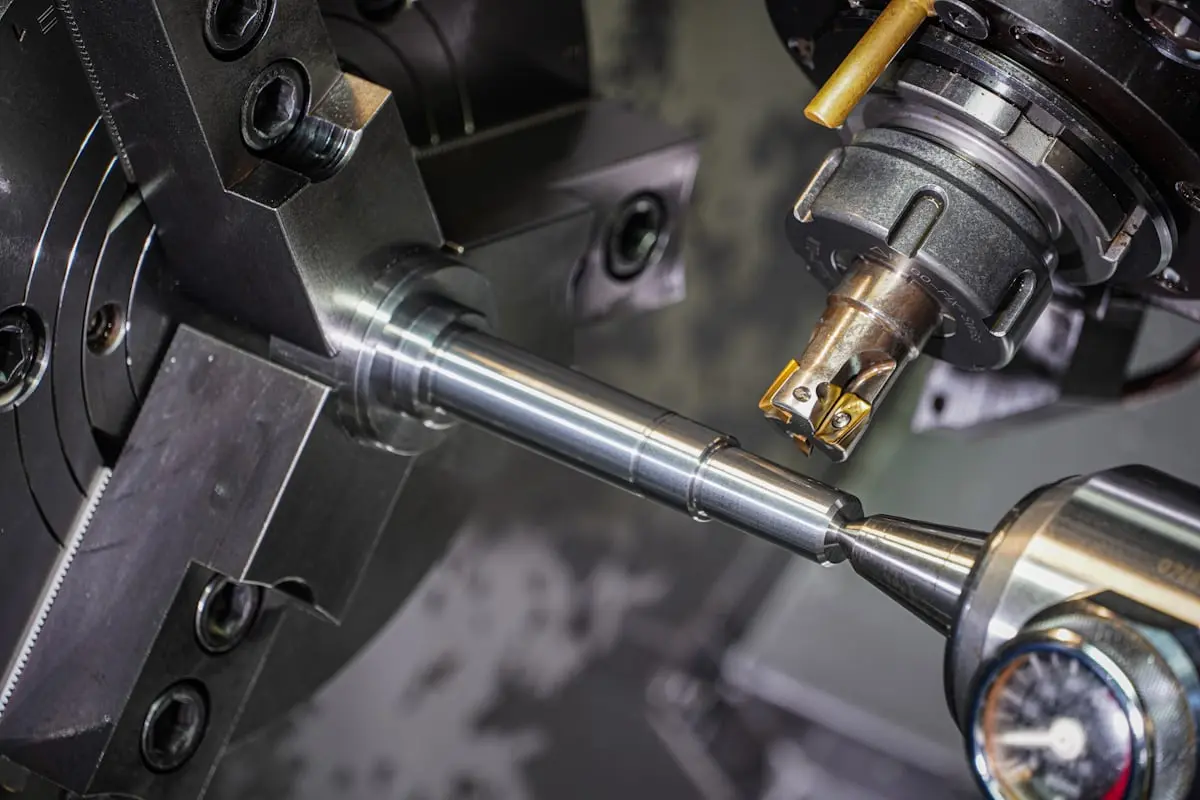
CNC Turning
During this process, a CNC turning aluminum setup rotates the workpiece while a fixed tool carves the outer or inner diameter. It provides highly accurate concentricity for cylindrical components.
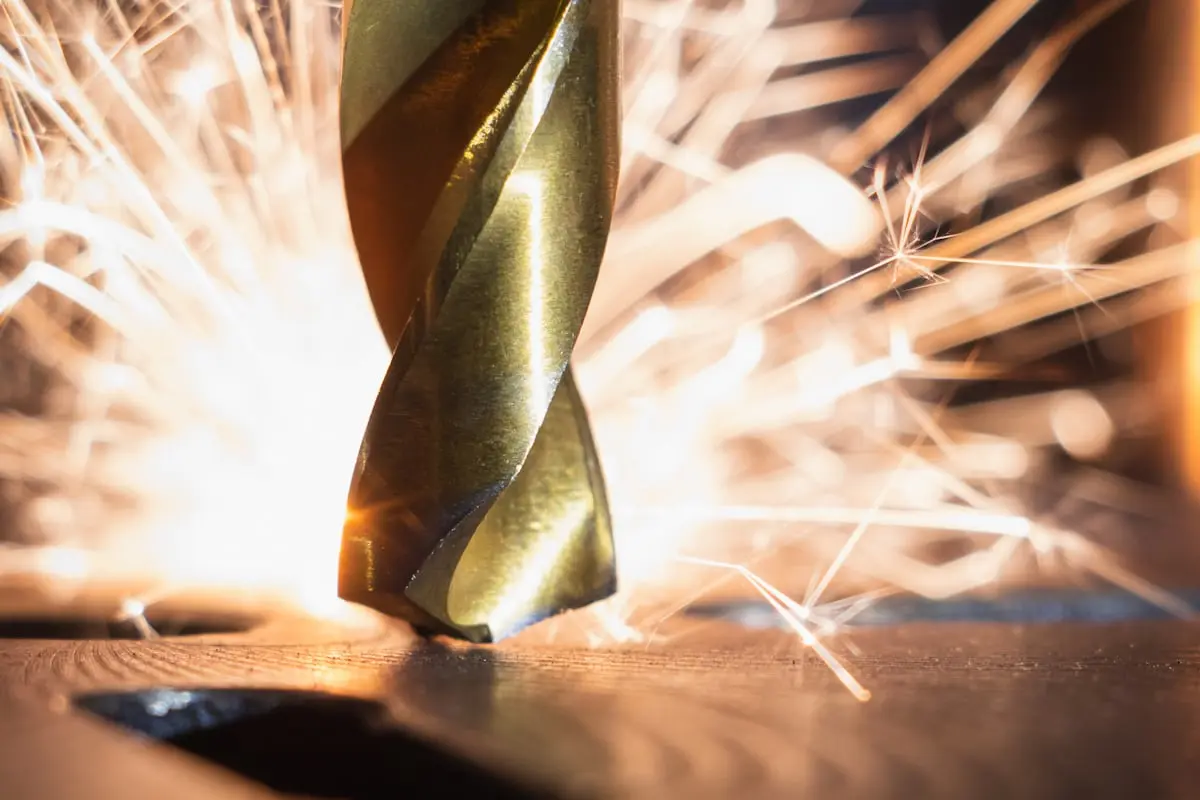
CNC Drilling
Drilling creates clean, vertical paths for fasteners or internal fluid lines. High-speed drilling in aluminum requires specialized flutes to clear chips rapidly and prevent tool clogging.
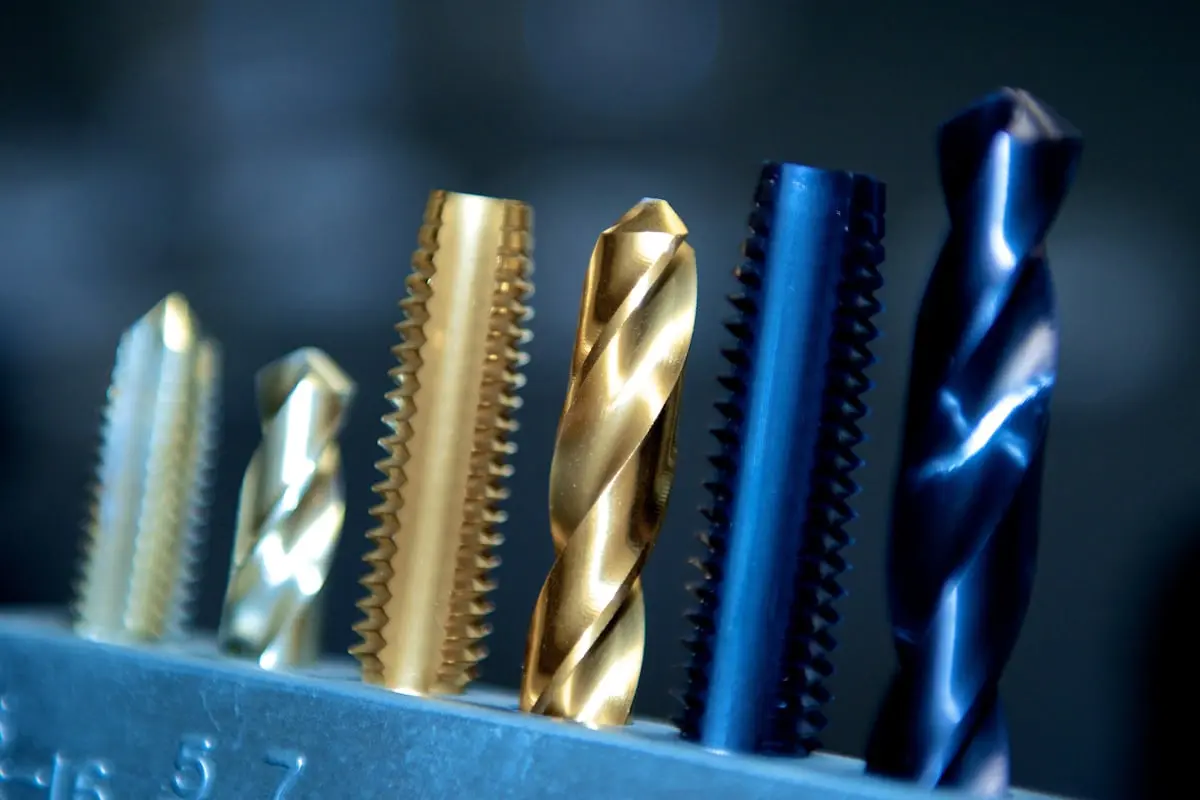
Tapping and Threading
Tapping and threading cut internal or external threads so components can accept bolts or mating screws. Machinists often choose roll-threading taps over cutting taps for aluminum because they compress the material to form stronger threads without generating chips.
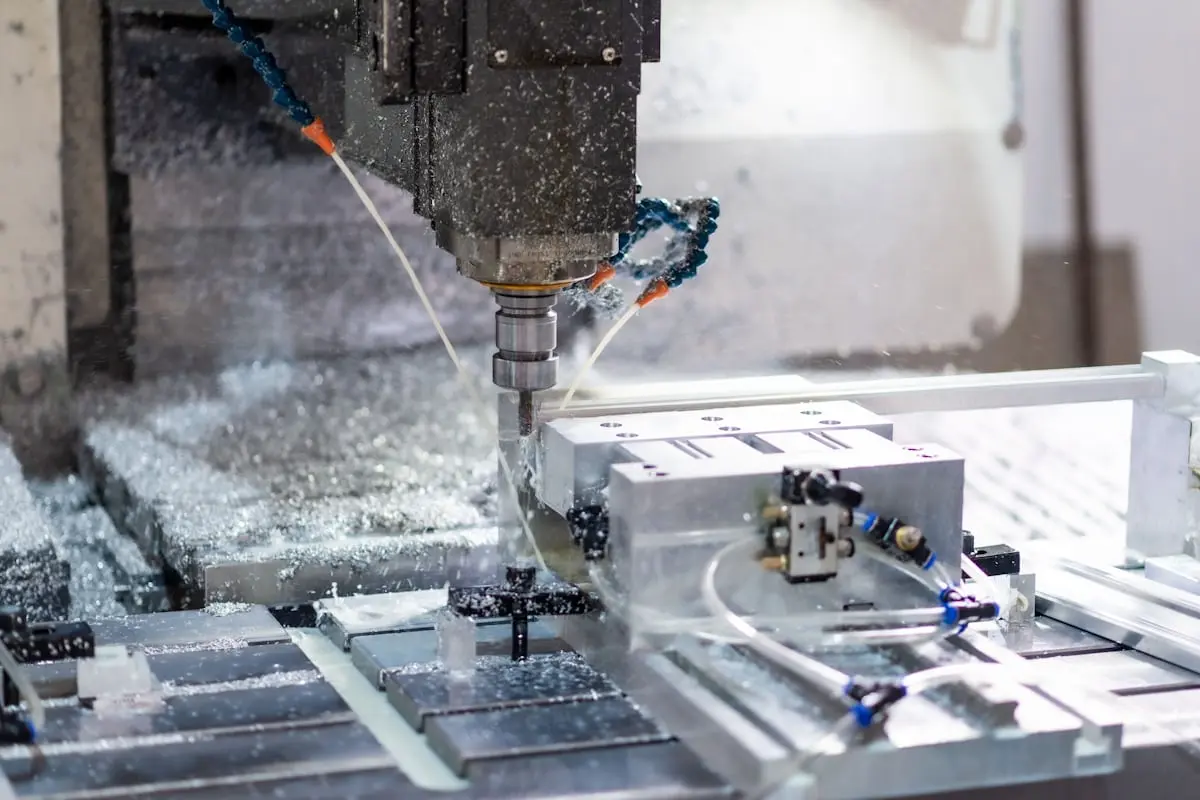
Boring and Reaming
Boring enlarges existing holes to highly precise custom dimensions. Reaming follows drilling to smooth internal surfaces, achieving a superior surface roughness and meeting tight dimensional limits.
3-Axis vs 4-Axis vs 5-Axis CNC Machining
A standard 3-axis CNC machine moves along X, Y, and Z axes. For complex geometries, 4-axis setups add a rotational axis, which works well for aluminum extrusion machining where features sit on multiple faces.
Advanced 5-axis machining moves across all axes simultaneously, allowing the cutting tool to reach complex undercuts without multiple setups, saving time and eliminating cumulative setup errors.
Aluminum Surface Finishing Options
Raw parts leave the machine with visible tool marks. Depending on the application, you can choose from various aluminum surface finishes to improve look, durability, or conductivity.
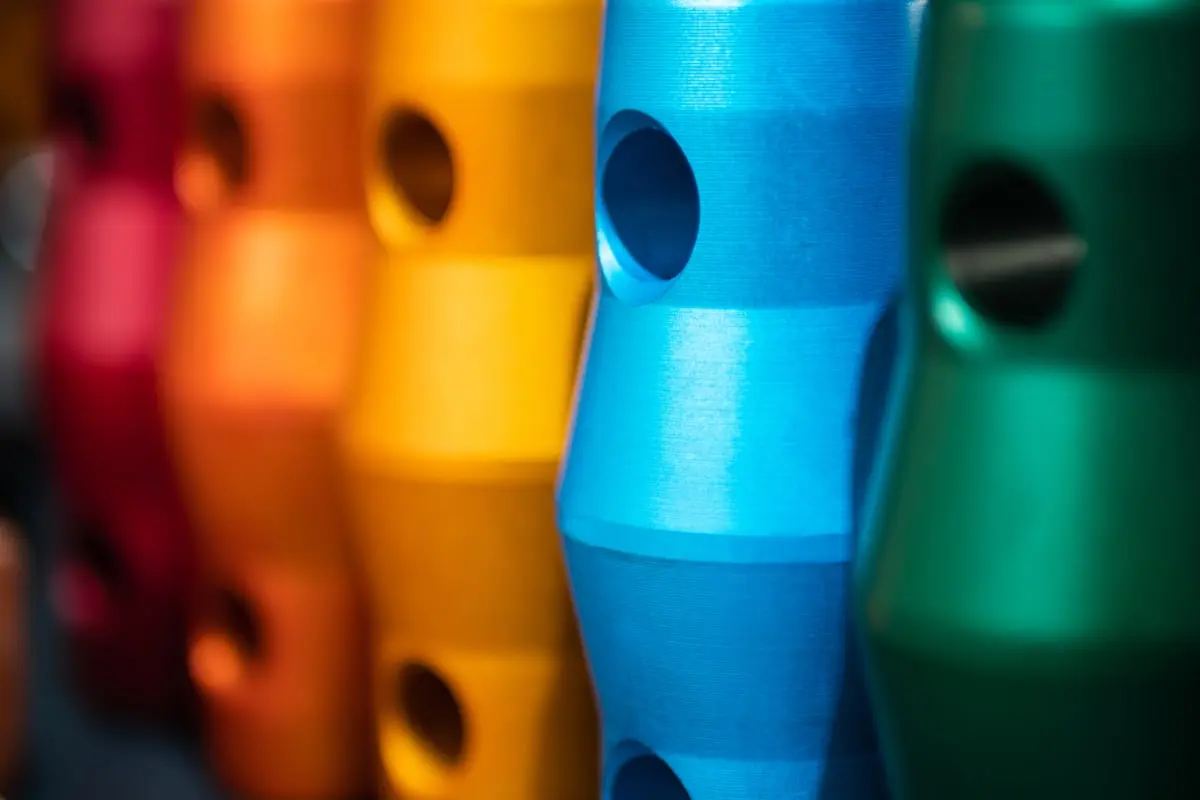
Anodizing
Type II anodizing uses an electrochemical process to convert the metal surface into a durable aluminum oxide layer. This finish accepts colored dyes easily and protects anodized CNC aluminum parts from minor scratching and oxidation.

Hard Anodizing
Type III hard anodizing builds a much thicker oxide layer (often up to 0.002 inches). It provides severe abrasion resistance and superior wear traits for industrial sliding mechanisms or harsh outdoor use.
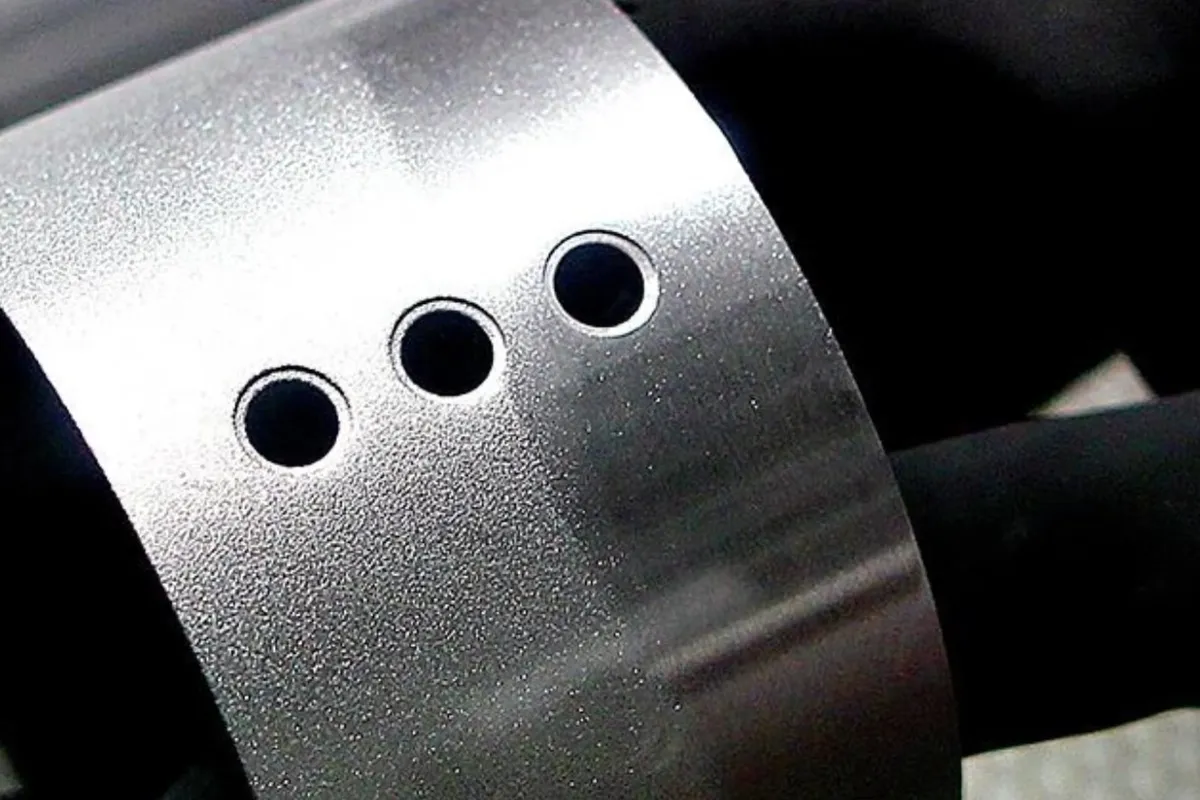
Bead Blasting
Bead blasting fires tiny glass spheres at the part surface to erase directional tool marks. This creates a uniform, non-reflective matte finish that hides fingerprints and preps the metal for secondary coatings.
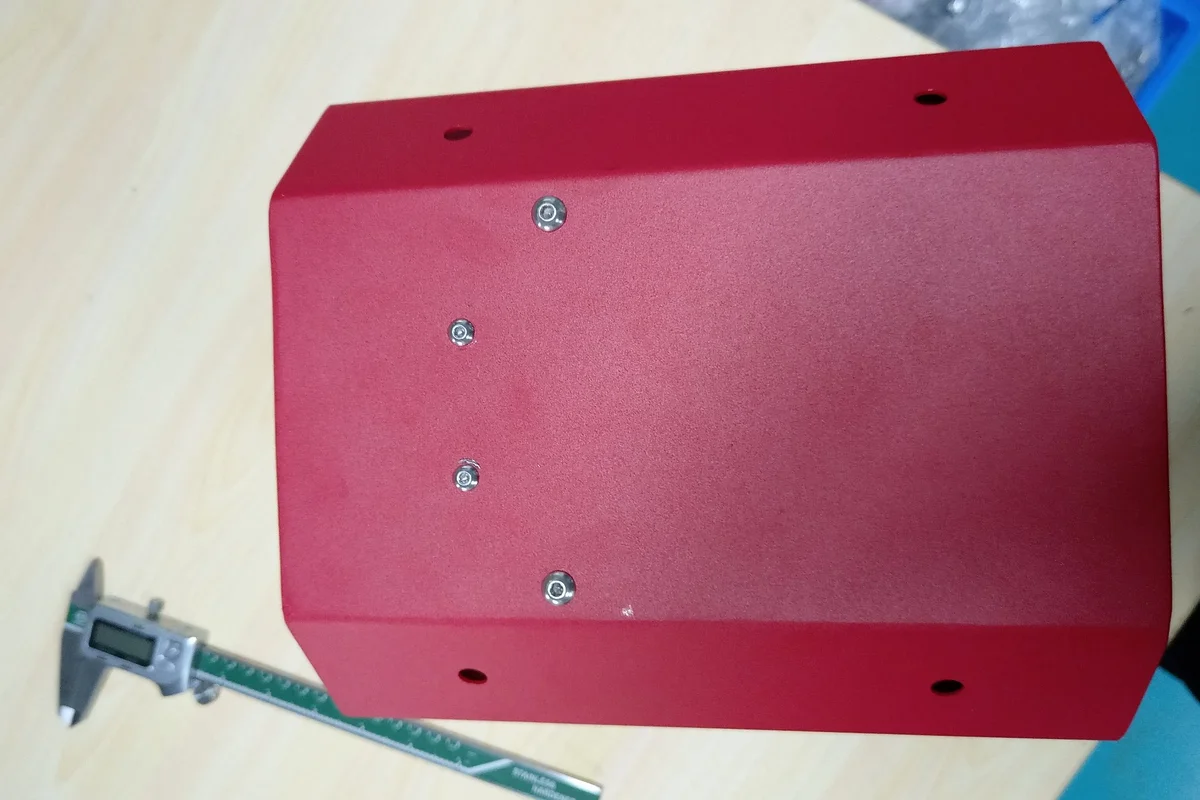
Powder Coating
This method sprays a dry plastic powder onto the component before curing it under heat. It yields a thick, impact-resistant layer available in hundreds of colors, providing strong defense against chemical exposure.
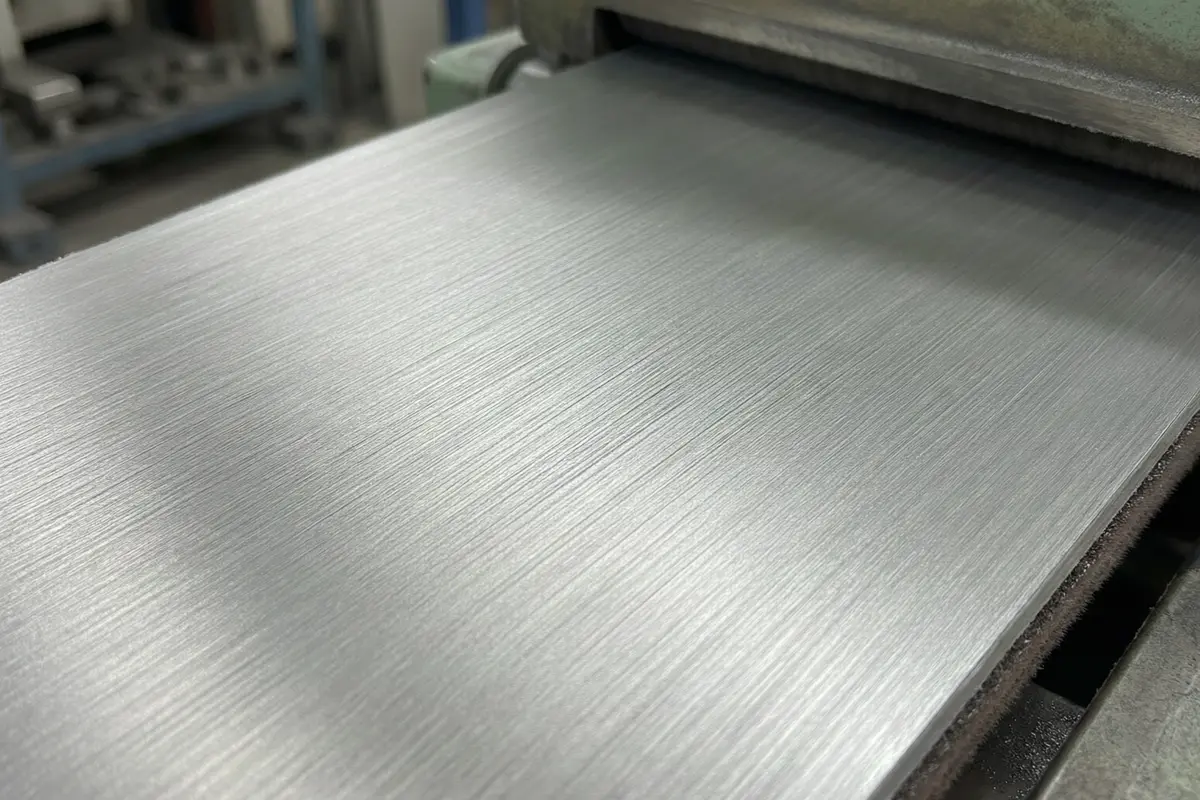
Brushing
Brushing draws abrasive belts across the metal to generate a unidirectional, satin texture. It serves primarily aesthetic purposes on consumer-facing enclosures and high-end automotive trim.
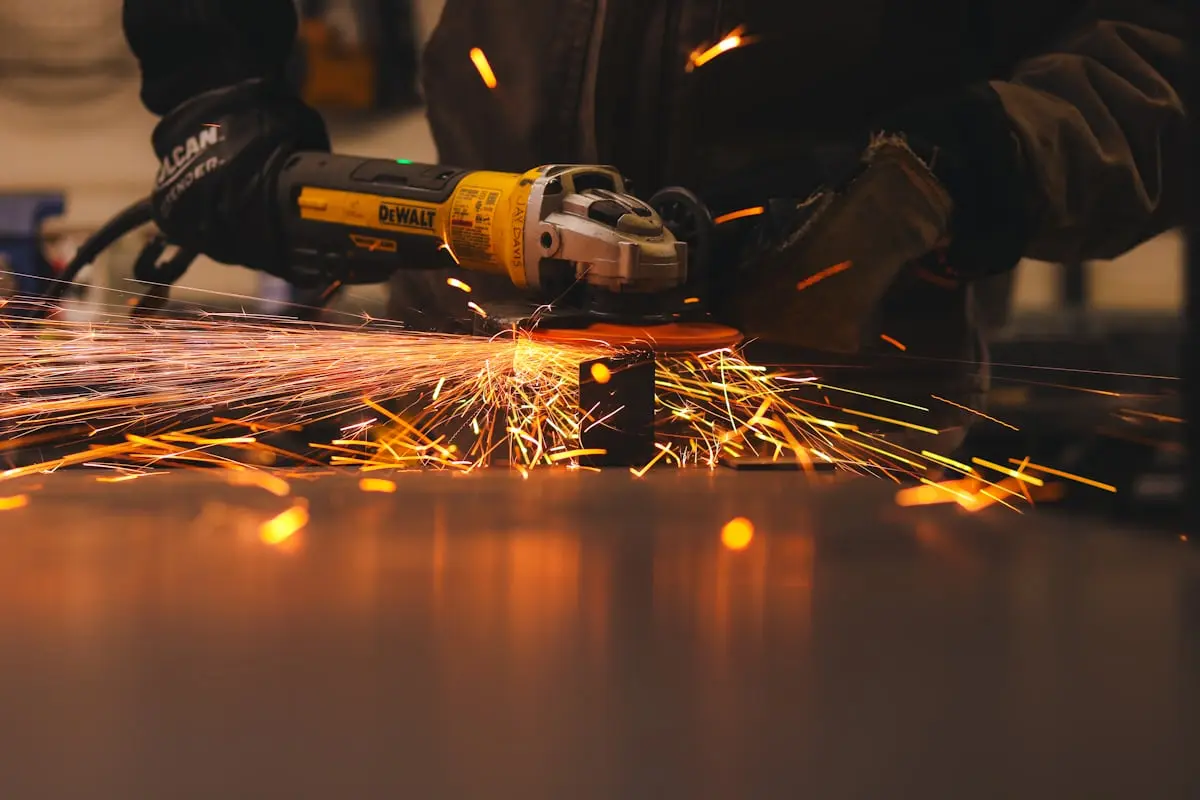
Polishing
Polishing uses buffing wheels and specialized compounds to smooth out surface imperfections. It can bring raw aluminum to a near-mirror finish, though it requires careful handling to prevent scratching.
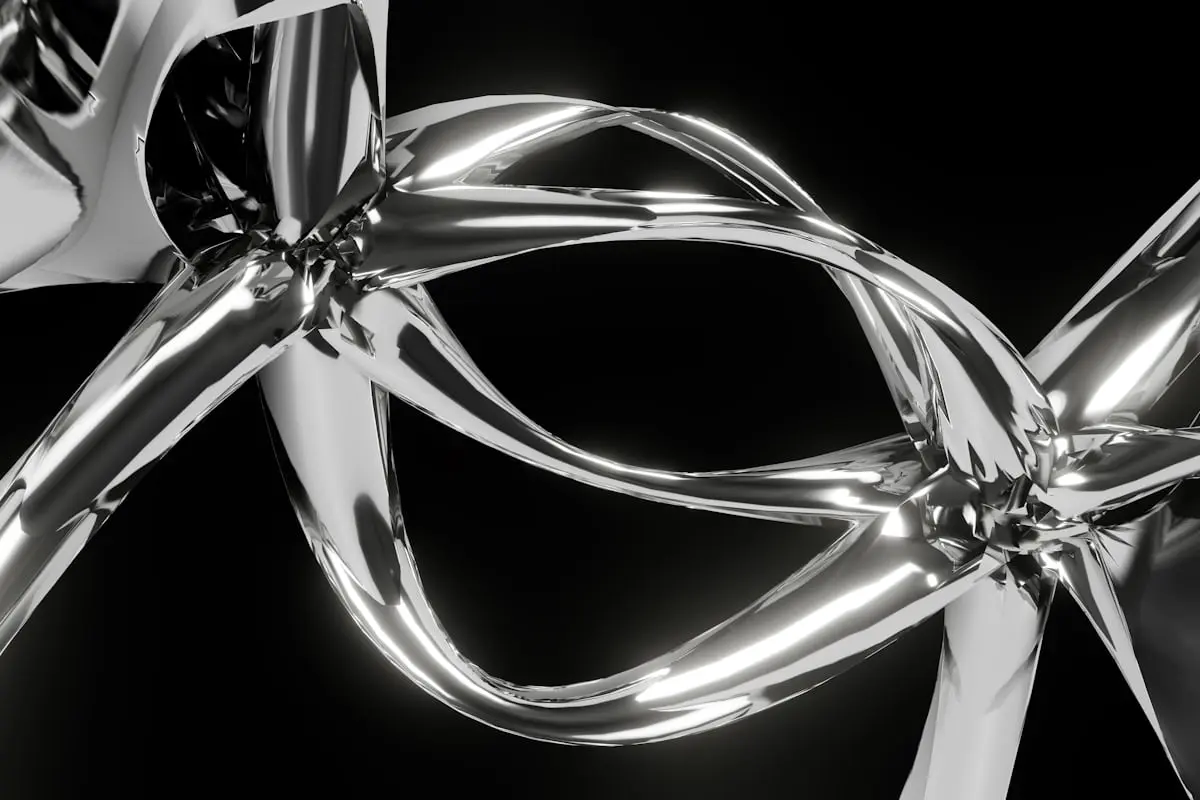
Chromate Conversion Coating
Also known as Alodine or chem-film, this chemical dip adds a thin layer that guards against corrosion while remaining electrically conductive. It is frequently used as a primer base before painting.
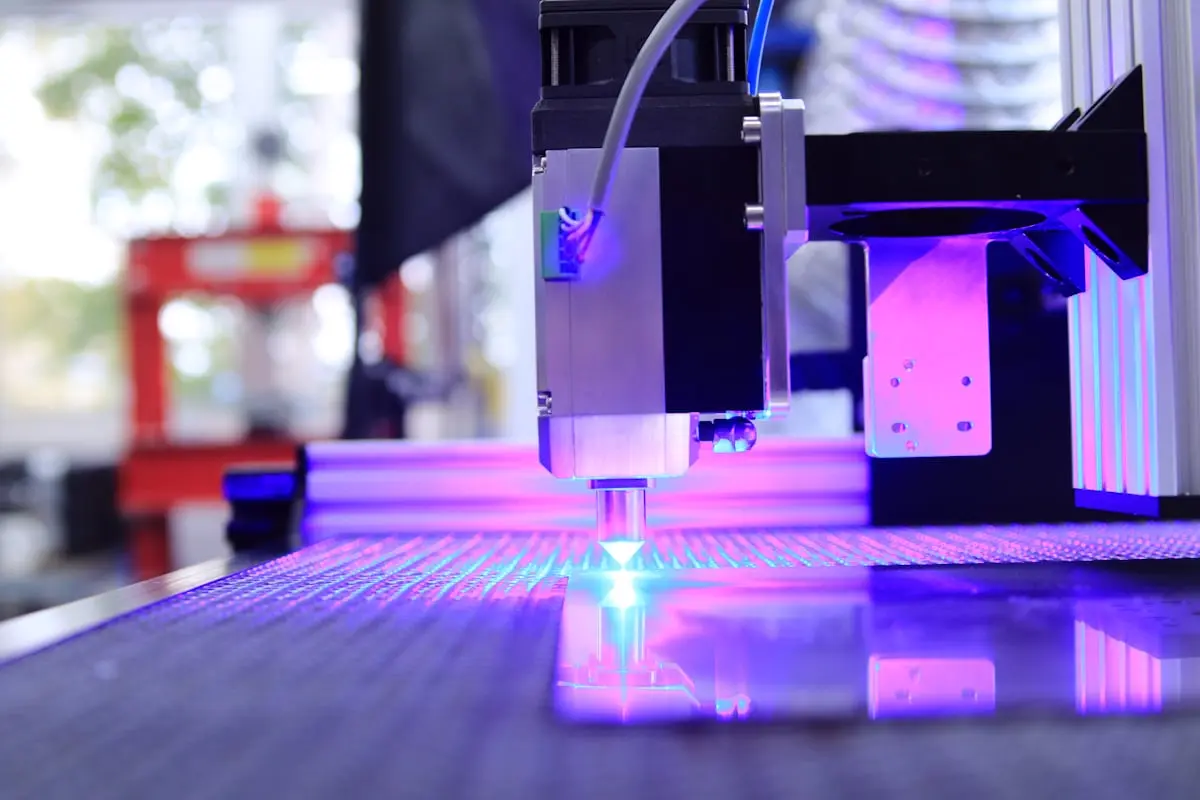
Laser Engraving and Marking
Laser systems burn crisp logos, serial numbers, or part identification codes directly into the anodized layer. The resulting marks will not fade or rub off under industrial cleaning conditions.
Design Guidelines for CNC Machined Aluminum Parts
Adhering to proven aluminum machining design guidelines prevents structural failures and cuts production costs significantly.
Recommended Wall Thickness
Keep wall thickness above 0.8 mm for structural areas. While CNC machining thin wall aluminum down to 0.5 mm is possible, thin walls tend to deflect under cutting forces, causing chattering, warped dimensions, and poor surface finishes.
Corner Radius Recommendations
Avoid designing sharp 90-degree internal corners. Because cutting tools are round, they naturally leave a radius. Design your internal vertical corners with a radius at least 10% larger than the tool radius to let the cutter glide smoothly without binding or chattering.
Hole Size and Thread Design
Keep blind hole depths within 3 times the diameter to prevent tap breakage. When designing threads, ensure the thread depth does not exceed 2 times the nominal hole diameter; deeper threads add no meaningful holding strength but increase tooling wear exponentially.
Pocket Depth Guidelines
Deep cavities require long cutting tools that deflect easily. Limit your pocket depth to 4 times the pocket width. This keeps tool paths stable and ensures clean chip evacuation from the bottom of the cavity.
Fillets and Chamfers
Adding a small chamfer to external edges breaks sharp burrs automatically and makes parts easier to handle. Ensure internal base fillets are slightly larger than the radius of the corner rounding tool to speed up execution.
Tolerance Recommendations
Only specify tight tolerances where they are functional. Applying overly strict limits across non-mating dimensions forces machinists to slow down production and perform constant inspections, driving up costs unnecessarily.
Design for Manufacturability (DFM) Tips
Always prioritize raw material block sizes. Avoid sizing parts just over standard stock dimensions. A component that is even 1 mm larger than a standard billet forces the supplier to buy oversized material and waste machining time. Keep designs simple and minimize the number of orientations required to cut the part.
Related: PETG Filament Explained: Pros, Cons, Print Settings & Best Uses in 2026
CNC Machining Tolerances for Aluminum
Standard Tolerances
For most non-mating features, shops apply ISO 2768-medium standards, which offer around +/- 0.1 mm (+/- 0.004 inches) of leeway. This keeps production moving swiftly and economically.
Precision Tolerances
When assemblies demand tight fits, a precision aluminum machining company can hold aluminum CNC machining tolerances down to +/- 0.01 mm (+/- 0.0004 inches). These limits require specialized environmental controls and fine-tuned equipment.
Factors That Affect Accuracy
Ambient shop temperature changes can cause aluminum blocks to expand or contract. Tool wear, spindle runout, and the rigidity of the workholding fixture also dictate whether a part stays within spec during a long run.
Inspection and Quality Control Methods
Reliable manufacturers use Coordinate Measuring Machines (CMM), digital height gauges, and calibrated pin gauges to verify dimensions. They verify compliance with GD&T prints to confirm that flat surfaces, concentric holes, and tight clearances match the engineering documentation perfectly.
Aluminum CNC Machining Cost
Factors That Affect CNC Machining Costs
The main cost drivers are machine runtime, programming labor, and material waste. Complicated parts require multi-axis intervention or multiple setups, which increase the overall aluminum CNC machining price.
Material Grade Pricing
6061 aluminum provides a highly affordable baseline. Moving to 7075 can double raw material expenses, while specialty materials like MIC-6 cast plate carry higher up-front material costs but save labor time during extensive milling.
Prototype vs Production Costs
Prototype batches cost more per unit because setup, programming, and fixture design expenses are spread across only a few parts. Conversely, high-volume production spreads those initial fixed costs over thousands of units, dropping the price per piece dramatically.
Surface Finish Costs
As-machined parts are the most economical choice. Adding steps like batch bead blasting or anodizing introduces manual handling and chemical processing fees, which raises the final cost per part.
Quantity and Batch Size
Ordering in bulk reduces administrative and setup overhead. Most CNC machining supplier networks offer steep volume discounts because a machine can run continuously once calibrated.
Tips to Reduce Machining Costs
- Design parts that can be machined in a single setup.
- Use standard internal radii instead of custom corner dimensions.
- Stick to standard tolerances (+/- 0.1 mm) wherever possible.
- Ensure your design fits within common aluminum stock profiles.
Related: Filament Dryers for PLA, PETG, ABS, TPU, and Nylon (2026 Guide)
Industries That Use Aluminum CNC Machining
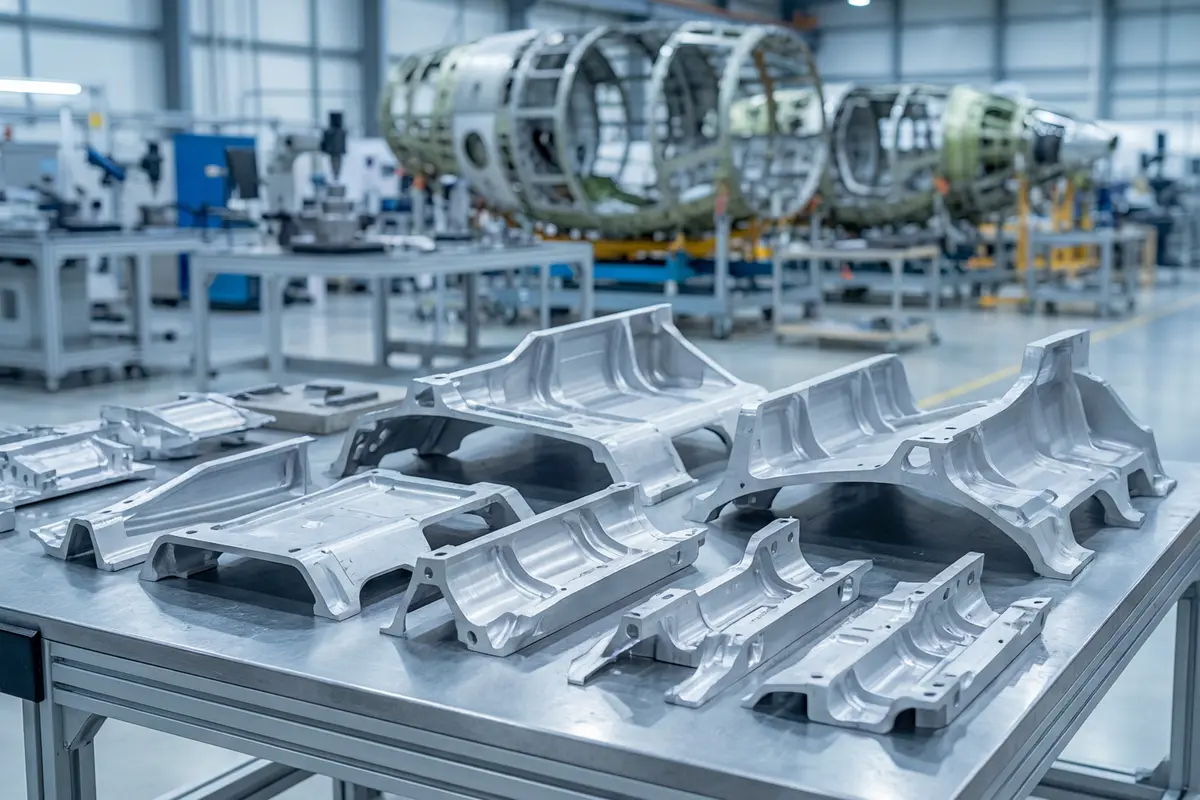
Aerospace Components
Weight reduction directly impacts fuel efficiency. Aluminum machining for aerospace components produces lightweight, high-strength structural parts, bulkheads, and wing ribs that endure high structural stresses.
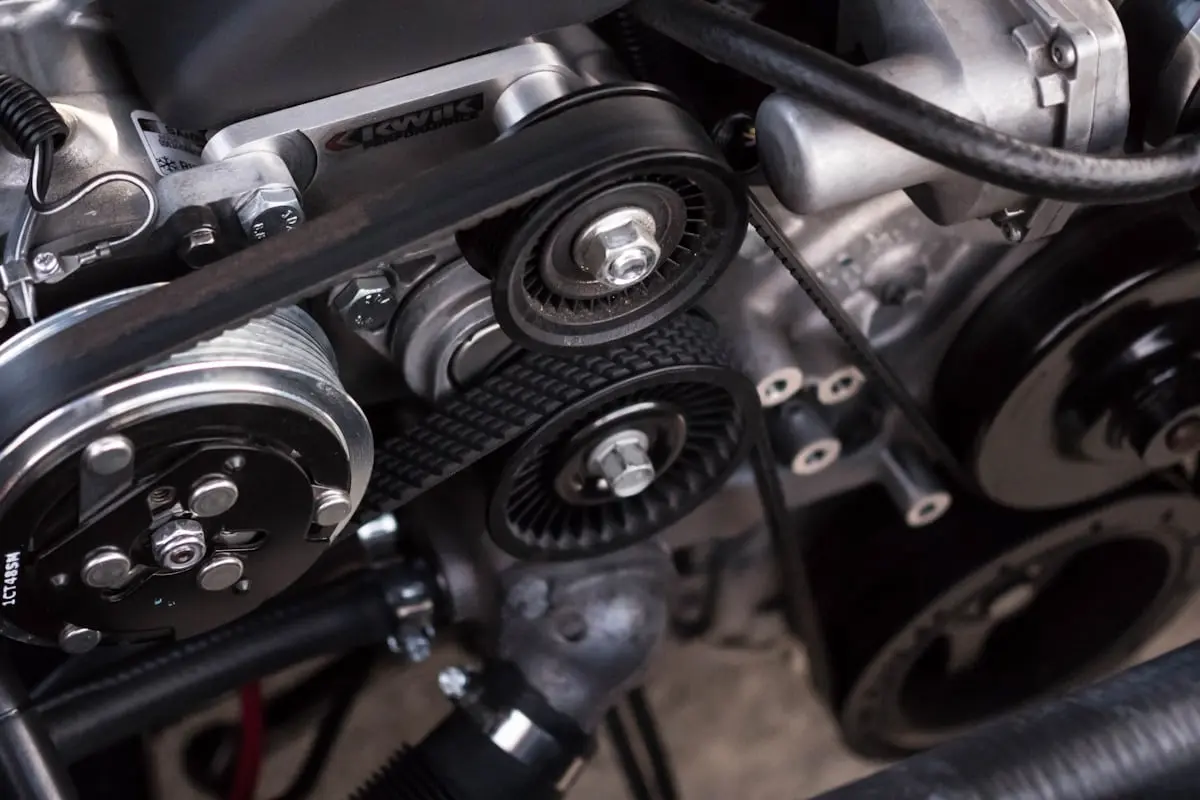
Automotive Parts
From engine brackets to EV battery enclosures, aluminum machining for automotive parts helps trim vehicle weight to boost efficiency. The material also withstands high vibrations and road elements over long lifetimes.

Medical Devices
The medical sector relies on medical aluminum CNC machining for surgical trays, orthopedic devices, and diagnostic equipment enclosures. These components must hold tight tolerances and handle frequent sterilization cycles.
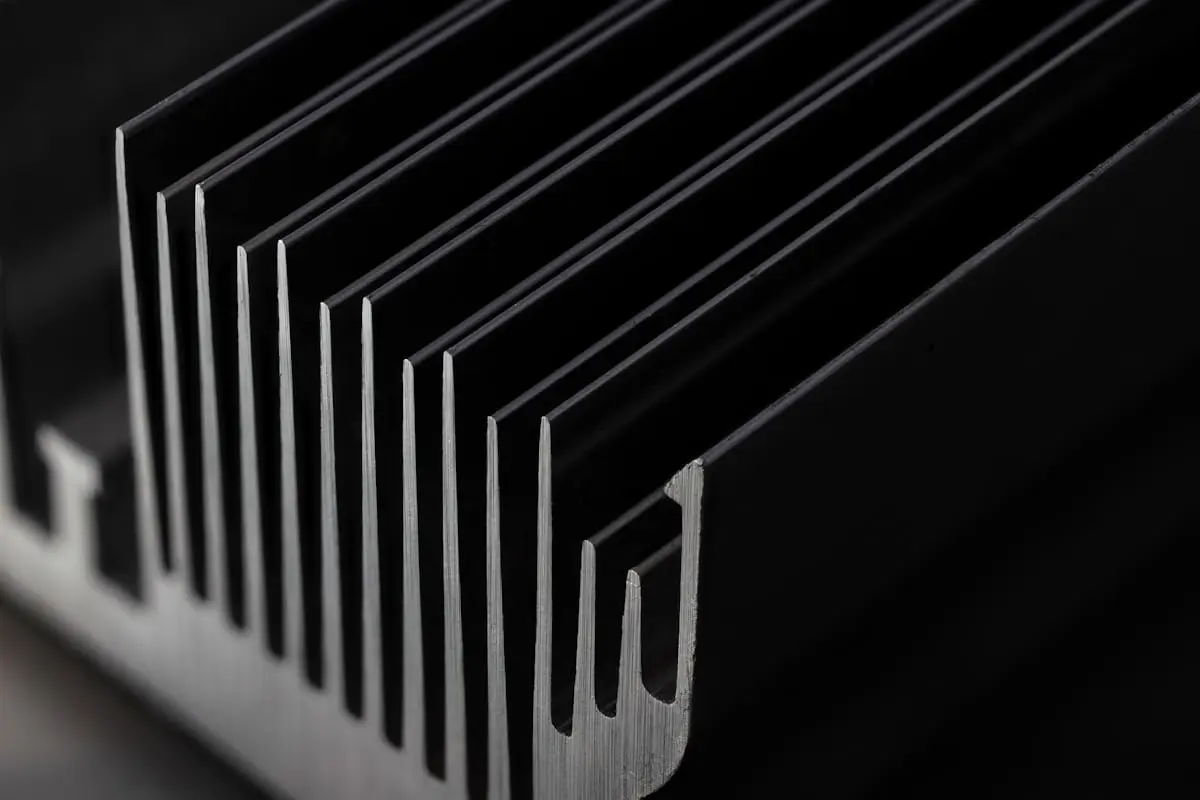
Electronics and Heat Sinks
Microprocessors generate intense heat. CNC machining aluminum heat sinks produces intricate cooling fins directly from solid metal blocks, providing optimal thermal transfer for high-power electronics.
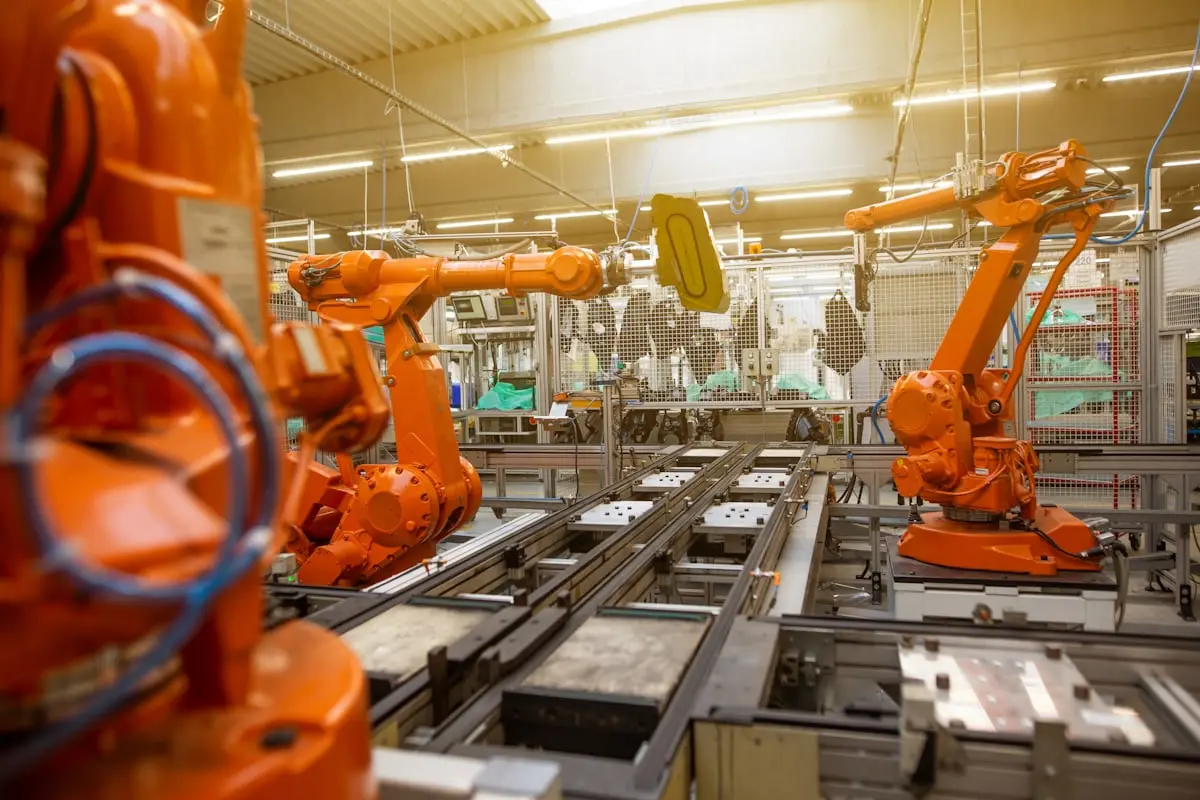
Robotics and Automation
Robotic arms require low mass to move quickly and accurately. Custom CNC aluminum parts provide the structural rigidity needed for end-of-arm tooling without overloading electric servo motors.
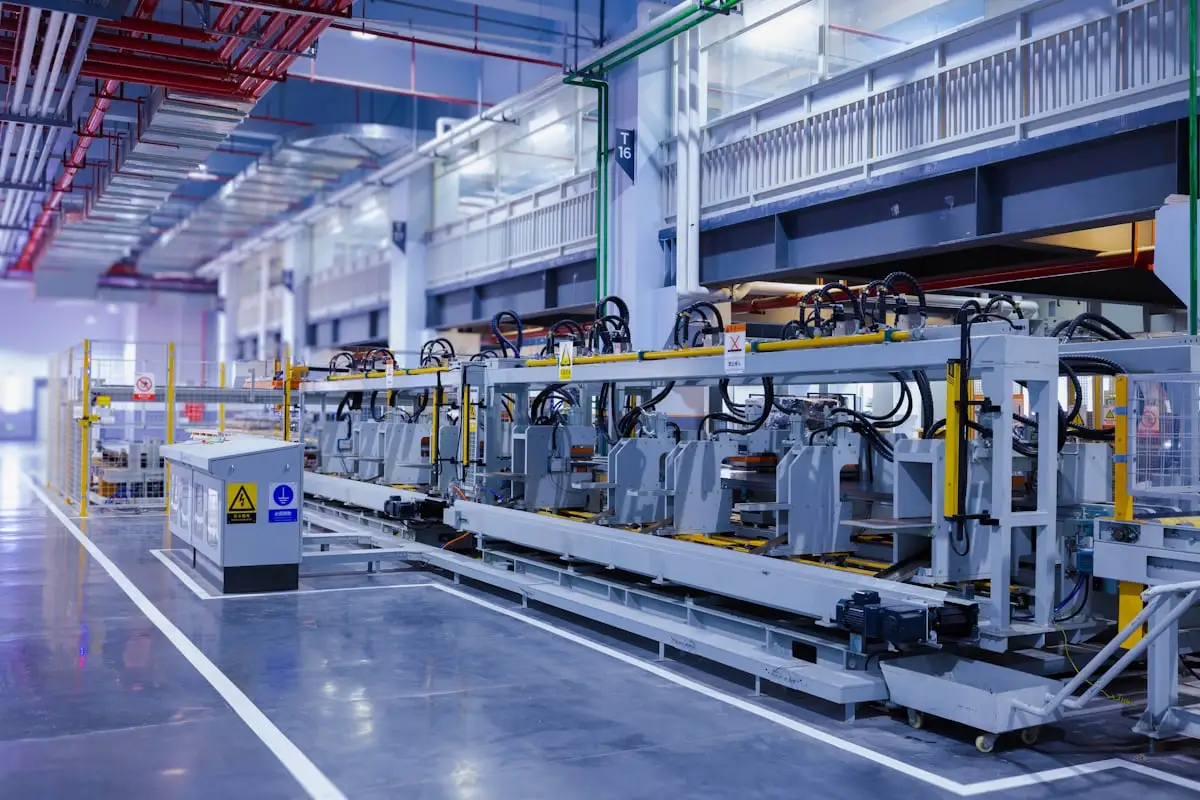
Industrial Equipment
Machine builders use precision aluminum components for pneumatic manifolds, mounting plates, and linear guide supports where stability and corrosion resistance are required.
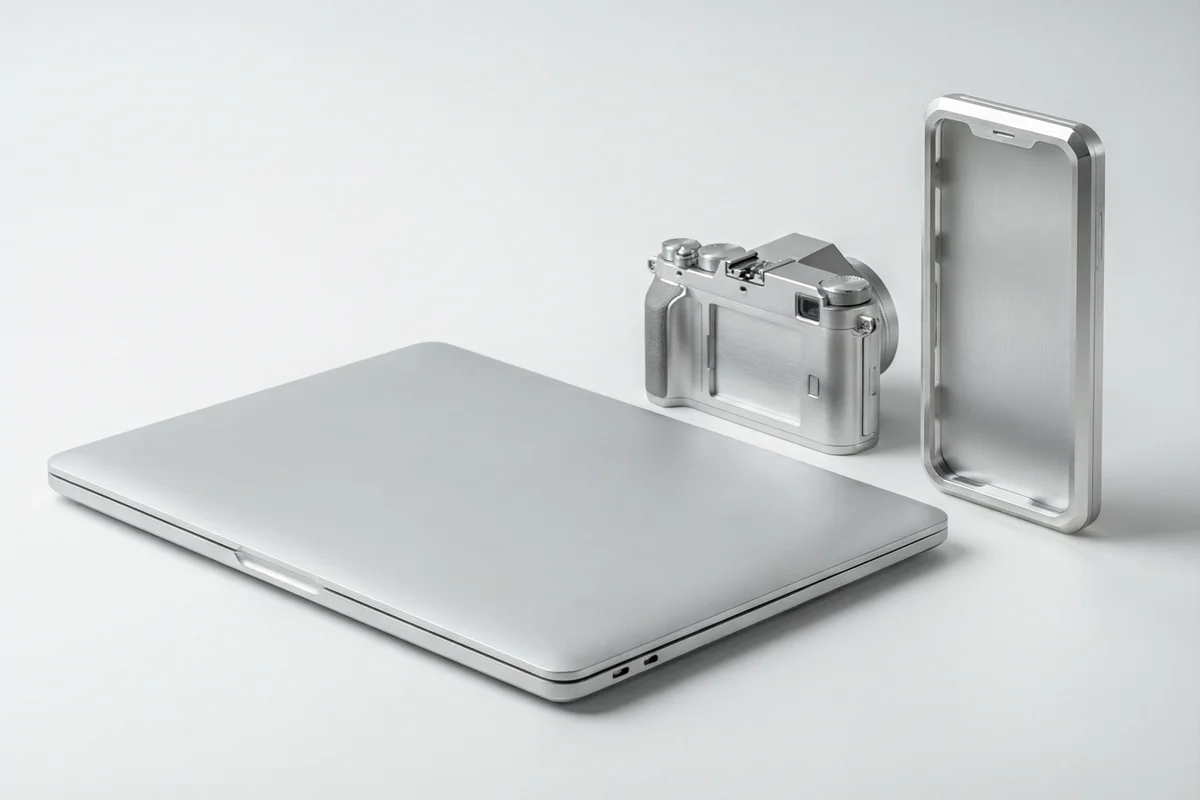
Consumer Products
Laptop bodies, camera housings, and high-end smartphone frames utilize CNC machined aluminum parts for their premium metallic feel, lightweight durability, and aesthetic finish.
Common Challenges in Aluminum CNC Machining
Built-Up Edge (BUE)
Aluminum can become gummy under heat, causing it to weld itself to the cutting edge of the tool. This built-up edge degrades surface finishes and can lead to sudden tool breakage.
Chip Control
Long, continuous stringy chips can wrap around the spindle or scratch the workpiece. Machinists use aggressive chip-breaker geometries to snap debris into small, manageable pieces.
Tool Wear
While softer than steel, aluminum can still cause abrasive wear on cutting tools over long production runs. Using the right tool coatings helps maintain consistent edge sharpness.
Burr Formation
Because of its ductility, aluminum often leaves raised burrs along exit paths. Eliminating these requires careful deburring steps or specialized toolpaths during programming.
Thin Wall Deflection
Cutting forces can easily push thin walls out of alignment. If the wall flexes during a pass, the final feature will be out of gauge or show severe surface chatter.
Surface Finish Issues
Incorrect feeds or dull tools can leave visible chatter marks, spiral tracks, or micro-tears across flat faces, ruining the cosmetic look of the part.
Related: 3D Printer Nozzle Clogged? Here’s How to Fix It Quickly
Aluminum CNC Machining vs Other Manufacturing Methods
While 3D printing handles wild internal geometries, it cannot match the tight machining tolerance or material density of CNC parts. CNC machining yields completely isotropic mechanical properties without structural layer lines.
Die casting works well for high-volume consumer parts, but tooling molds cost thousands of dollars upfront. CNC manufacturing requires zero mold investments, making it the better choice for prototypes and low-to-medium volumes.
Sheet metal fabrication punches and bends uniform metal sheets into enclosures. CNC machining handles complex, variable-thickness three-dimensional blocks, producing parts with deep cavities and intricate structural details.
Injection molding is ideal for high-volume plastics. When your product needs structural heat dissipation, electrical shielding, or high strength under load, machined aluminum is the superior choice.
Best Practices for Machining Aluminum
Selecting the Right Cutting Tools
Always choose an uncoated or specialized diamond-coated carbide end mill with high polished flutes. Two-flute or three-flute designs provide the large open clearance needed to evacuate sticky chips quickly.
Optimizing Speeds and Feeds
Consult a standard aluminum machining feeds and speeds chart to match your spindle capabilities with the specific alloy. Aluminum thrives at high spindle speeds and deep radial cuts, provided the machine maintains rigidity.
Coolant and Lubrication
Use high-pressure flood coolant to flush chips out of deep pockets immediately. The fluid also cools the cutting edge, preventing the material from reaching its gummy state.
Proper Workholding Techniques
Distribute clamping pressure evenly across the block. Clamping too tightly on delicate geometries can warp the underlying part, causing features to drift out of tolerance once released from the vise.
Toolpath Optimization
Use constant-engagement trochoidal milling strategies in your CAM software. This prevents the tool from plunging directly into full cuts, minimizing spikes in cutting force and extending tool life.
Related: 10 Best Resin 3D Printers in 2026: Tested Picks for Every Budget
Why Choose Lava3DP for Aluminum CNC Machining Services
Custom Aluminum Parts for Prototypes and Production
Lava3DP delivers precision components tailored to your exact project requirements. We bridge the gap between initial concepts and mass assembly lines with reliable quality at every step.
Wide Range of Aluminum Alloys
We stock a comprehensive inventory of metals, from everyday 6061-T6 blocks to specialized aerospace 7075 and stable MIC-6 cast plates, ensuring your parts match your environment perfectly.
Precision CNC Milling and Turning
Our advanced machine shop utilizes modern multi-axis centers to hold tight tolerances across intricate configurations, ensuring your complex geometries are executed correctly.
Fast Online Quotes and Global Shipping
Forget waiting days for pricing. Use our system to get an online aluminum CNC machining quote quickly, verify lead times, and schedule worldwide delivery.
Strict Quality Inspection
Our quality assurance department verifies every batch using calibrated CMM equipment and manual gauges. We ensure your components match your CAD print tolerances before they ship.
Surface Finishing Services Under One Roof
We take care of post-processing from start to finish. Whether you need standard bead blasting, hard anodizing, or custom laser marking, we deliver retail-ready components.
Low-Volume to High-Volume Manufacturing
We scale with your business. Order a single prototype to test your design, then transition smoothly to full production runs without switching vendors.
Our CNC Machining Capabilities
CNC Milling Services
Our facility runs high-speed milling equipment optimized for pocketing, face milling, and geometric shaping of complex aluminum blocks.
CNC Turning Services
We manufacture precise shafts, pins, and concentric assemblies using turning centers equipped with live tooling to complete secondary features in a single setup.
Multi-Axis CNC Machining
We use 4-axis and 5-axis machines to cut highly complex geometries, reducing setup changes and maintaining precise alignment across complex features.
Prototype Machining
We support fast R&D cycles by turning around proof-of-concept parts in just a few days, giving you physical components to test form and fit quickly.
Production Manufacturing
Our scheduled production runs maximize machine efficiency, lowering unit costs while delivering consistent quality across large volumes.
Precision Inspection and Quality Assurance
Every delivery includes dimension logs and material certifications upon request, ensuring complete compliance with your engineering standards.
How to Order Custom Aluminum CNC Parts from Lava3DP
1. Upload Your CAD File
Submit your 3D digital model (STEP, IGES, or solid parts file) along with any 2D engineering prints through our online portal.
2. Receive an Instant Quote
Our platform analyzes your part geometry to generate a transparent pricing breakdown, allowing you to compare quantities and finishes in real time.
3. Design Review and DFM Feedback
Our engineering staff checks your model for thin walls, tight pockets, or unmachinable features, offering feedback before production begins.
4. Precision Manufacturing
Once approved, we convert your files into G-code and send them to our production floor, where experienced machinists monitor tool paths and dimensions.
5. Quality Inspection
Our QA team measures your parts against your print requirements to verify tolerances, surface finish quality, and thread fits.
6. Worldwide Delivery
We securely pack your parts and ship them directly to your facility, complete with tracking information to keep your assembly line on schedule.
Ready to Manufacture Your ABS Parts?
Upload your CAD file today and receive instant pricing, expert engineering support, fast production, and worldwide delivery.
Get an Instant Quote →Final Thoughts
Aluminum remains a premier choice for modern manufacturing due to its machinability, lightweight strength, and versatility. Understanding alloy differences helps you choose the right material.
Applying smart design practices, such as avoiding sharp internal corners and maintaining reasonable wall thicknesses, can significantly lower production costs while improving part quality.
Ready to start your next manufacturing project? Partner with a trusted team like Lava3DP to access advanced multi-axis machining, professional surface finishing, and fast lead times that keep your production line moving forward.
Frequently Asked Questions
Everything you need to know about Aluminum CNC Machining.
Is aluminum easily machinable?
Yes. Aluminum features high machinability, meaning cutting tools can slice through the metal quickly with minimal resistance. This reduces cycle times and tool wear compared to harder metals like steel or titanium.
How to cut aluminum on CNC?
To cut aluminum cleanly, use high spindle speeds paired with a dedicated 2-flute or 3-flute carbide end mill. Ensure you apply constant flood coolant or mist lubrication to clear away sticky chips and prevent them from welding to the cutting edge.
What is the best aluminum for CNC machining?
6061-T6 aluminum is widely considered the best choice for general applications because it balances strength, corrosion resistance, and affordability. For high-stress applications, 7075-T6 provides superior strength, while MIC-6 is ideal for parts requiring extreme flatness.
Will a CNC machine cut aluminum?
Yes, standard industrial CNC routers, mills, and lathes cut aluminum easily. The process requires proper speed adjustments, sharp cutting tools, and rigid workholding to ensure accuracy and prevent part vibration during operations.
Which aluminum grade is best for CNC machining?
The best grade depends on your specific application. Choose 6061 for general structural parts, 7075 for high-strength aerospace components, and 5052 or 6082 when your project demands enhanced corrosion resistance in harsh environments.
How much does aluminum CNC machining cost?
Costs depend on part complexity, material volume, machine runtime, and chosen surface finishes. While raw aluminum is relatively inexpensive, intricate designs requiring multi-axis setups or tight tolerances will increase the overall price.
What surface finishes are available for CNC machined aluminum parts?
Common options include standard as-machined finish, bead blasting for a matte texture, anodizing (Type II or Type III) for wear resistance, powder coating for color selection, as well as brushing, polishing, and chromate conversion coatings.