

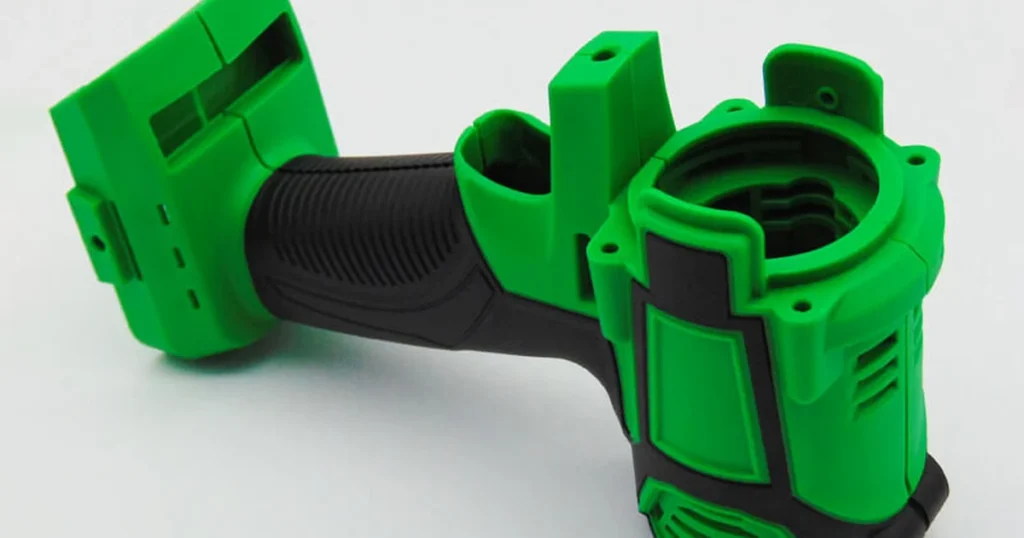
Lava3DP delivers precision custom overmolding services for prototype and production parts. Optimize your design and request an instant overmolding quote today.
Overmolding combines multiple materials into a single integrated component, eliminating mechanical fasteners and manual assembly steps. Precision overmolding services allow engineers to blend rigid structural plastics with soft elastomers, improving ergonomics, seal integrity, and mechanical strength.
What Is Overmolding?
Overmolding is an advanced injection molding process where one material—typically a flexible thermoplastic elastomer or silicone—is molded directly over a pre-formed base structure called a rigid substrate. The resulting molded assembly exhibits unified mechanical integrity without secondary glues or mechanical interlocks.
How the Overmolding Process Works
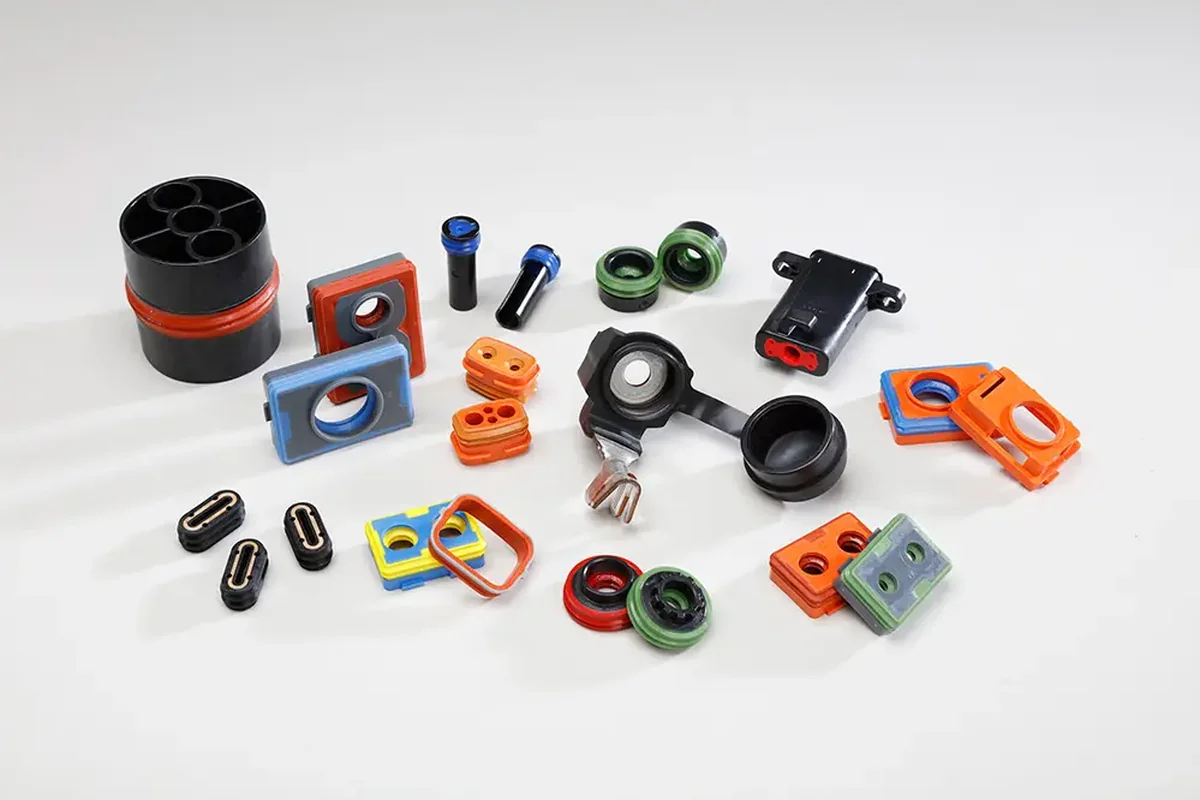
The process begins by molding or machining the base component. Once cooled, this base part is placed into an overmolding mold design cavity. Melted soft-touch material fills the surrounding space, creating chemical bonds and mechanical locks at the material interface.
Types of Overmolding
Selecting the right material pairing determines overall part strength, performance, and manufacturing costs.
Plastic Over Plastic
Plastic over plastic overlays a second resin (such as soft TPE) onto a rigid polymer substrate like ABS or polycarbonate. This method enhances grip, aesthetics, and impact resistance.
Rubber Over Plastic
Rubber over plastic pairs vulcanized rubber or elastomers with high-temperature thermoplastics, delivering high vibration resistance and sealing capability.
Silicone Overmolding
Silicone overmolding utilizes liquid silicone rubber (LSR) over thermoplastics or metal substrates, providing high thermal stability, biocompatibility, and chemical resistance.
Key Benefits of Overmolding
- Enhanced Product Durability: Protects internal electronics against shock, moisture, and debris.
- Superior Ergonomics: Creates a soft grip molding surface that improves operator comfort and reduces fatigue.
- Reduced Assembly Costs: Replaces multi-part assemblies with a single consolidated component, eliminating fasteners and manual bonding.
- Waterproof Sealing: Forms continuous environmental barriers that satisfy IP67 and IP68 waterproof standards.
Common Challenges and Limitations
- Material Incompatibility: Mismatched thermal properties cause poor polymer bonding, leading to delamination under load.
- Tooling Complexity: Requires multi-stage mold tooling, increasing initial capital expenditure compared to single-shot molding.
- Thermal Degradation: High melting temperatures of the secondary material can melt or distort the underlying rigid substrate.
Custom Overmolding Services at Lava3DP
Lava3DP operates an end-to-end production ecosystem, taking complex concepts from initial digital files to full-scale volume manufacturing. Selecting a certified overmolding manufacturer ensures your parts meet exact tolerances.
Prototype Overmolding
Prototype overmolding validates form, fit, and tactile feel before committing to expensive production tooling. We utilize aluminum tooling and 3D printed substrate inserts to yield functional testing samples in days.
Low-Volume Production
Our low volume overmolding service bridges the gap between prototyping and mass output. Utilizing modular tooling frames, we deliver runs from 100 to 10,000 units with minimal upfront overhead.
High-Volume Manufacturing
For high-volume production overmolding, Lava3DP deploys multi-cavity hardened steel tooling and automated robotics, maintaining tight repeatability across hundreds of thousands of components.
Multi-Material Injection Molding Solutions
We deploy multi material injection molding setups, including two shot molding presses, to manufacture dual-material components in a single automated molding cycle.
Engineering Support from Design to Production
Our technical staff analyzes your CAD models to optimize wall thickness, draft angles, and material pairings, delivering an actionable overmolding design guide review before cutting steel.
Overmolding Materials Guide
Selecting compatible overmolding materials is critical to achieving structural integrity and avoiding premature bond failure.
Thermoplastic Elastomers (TPE)
Thermoplastic elastomer materials process easily and bond exceptionally well to common engineering resins. TPE overmolding provides a versatile balance of flexibility, tactile comfort, and tear strength.
Thermoplastic Polyurethane (TPU)
TPU overmolding offers higher abrasion resistance, tensile strength, and oil resistance compared to standard TPEs. Thermoplastic polyurethane excels in rugged industrial environments.
Silicone Rubber
Silicone overmolding uses liquid silicone rubber (LSR) for medical grade parts, high-temperature seals, and wearable devices requiring extreme flexibility and biological safety.
ABS
Acrylonitrile Butadiene Styrene serves as a popular, cost-effective rigid substrate material due to its high impact resistance and ease of chemical bonding.
Polycarbonate (PC)
Polycarbonate provides high impact strength and dimensional stability, making it ideal for clear housings and structural structural frames requiring overmolded grips.
Nylon (PA)
Nylon provides excellent mechanical strength and chemical resistance. However, TPU bonding to Nylon requires precise thermal processing and specialized grade selection due to nylon’s hydroscopic nature.
Polypropylene (PP)
Polypropylene offers high chemical resistance and low cost, though its low surface energy requires specialized TPE formulations for successful bonding.
Polyethylene (PE)
Polyethylene is lightweight and moisture-resistant. Like PP, it requires carefully tailored modified elastomers to form a durable chemical bond.
POM (Acetal)
Polyoxymethylene features extreme stiffness and low friction, but its non-polar surface requires mechanical interlocks for successful elastomer bonding.
Engineering Plastics
High-performance engineering plastics like PEEK, PEI, and PPS withstand elevated operating temperatures and aggressive chemical environments in demanding applications.
Material Compatibility for Strong Bonding
Achieving permanent polymer bonding requires matching the thermal and chemical properties of both materials.
TPE Bonding to ABS
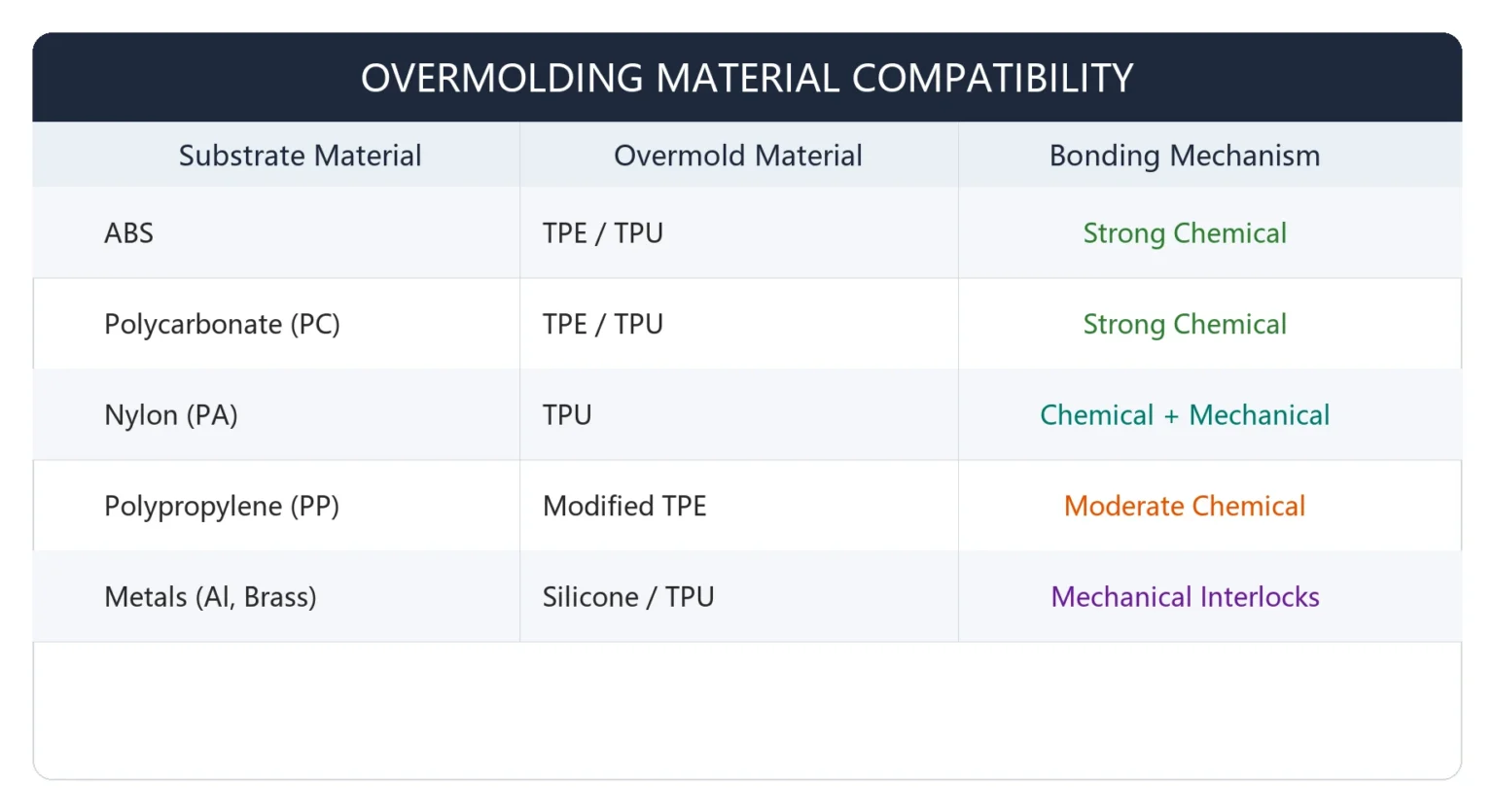
TPE bonding to ABS generates exceptional thermal chemical bonds. Standard processing temperatures allow the TPE melt to fuse directly into the ABS outer layer.
TPE Bonding to PC
TPE bonding to PC yields durable, structural bonds with clean visual margins. Ideal for ruggedized consumer electronics and medical devices.
TPU Bonding to Nylon
TPU bonding to Nylon requires elevated mold temperatures to ensure polyamides cross-link effectively with polyurethane elastomers.
Chemical Bonding vs Mechanical Bonding
Chemical bonding occurs when molecular chains fuse at the molten interface. Mechanical bonding relies on physical features—such as undercuts, holes, and dovetails—to lock materials together when chemical compatibility is low.
Material Compatibility Chart
Refer to the engineering compatibility table above to determine whether your proposed rigid substrate and soft elastomer pair require mechanical interlocks.
Overmolding Design Guide
Following standardized overmolding design guidelines prevents visual defects, warping, and premature mechanical separation.
Selecting the Right Substrate Material
Choose a rigid substrate with a higher melting point than the overmold resin to prevent core deformation during the second injection shot.
Wall Thickness Recommendations
Maintain uniform overmolding wall thickness between 1.5 mm and 3.0 mm. Keep the overmold layer thinner than the base substrate to prevent thermal distortion.
Draft Angle Guidelines
Apply an overmolding draft angle of at least 1.5° to 2.0° on all vertical walls to ensure smooth part ejection without tearing soft elastomers.
Radius and Corner Design
Incorporate generous internal radii (minimum 0.5 mm) to eliminate stress concentrations and promote uniform melt flow across the substrate.
Rib and Boss Design
Design internal structural ribs at 50-60% of the main substrate wall thickness to increase rigidity without causing sink marks on outer cosmetic surfaces.
Undercuts and Shut-Off Design
Position mold shut-off lines along clean geometric boundaries. Incorporate mechanical undercuts to reinforce soft touch overmolding edges.
Gate and Runner Placement
Locate injection gates in thick sections to permit uniform packing, avoiding high-velocity jetting near thin functional edges.
Venting Considerations
Provide shallow vents (0.01 mm to 0.02 mm deep) around the overmold perimeter to release trapped air and eliminate burn marks.
Shrinkage and Warpage Control
Account for differing volumetric shrinkage rates between rigid thermoplastics and elastomeric overmolds to prevent post-molding twisting.
Bonding Surface Preparation
Keep substrate surfaces free of mold release agents, oils, and moisture to maximize molecular polymer bonding strength.
Design Checklist for Manufacturable Parts
Use an overmolding design checklist during CAD development:
- Verify material chemical compatibility.
- Confirm wall thickness uniformity across both shots.
- Include mechanical locks for non-compatible resin pairs.
- Check draft angles on all core-side features.
Related: Continuous Fiber 3D Printing: Reinforced Additive Manufacturing (2026)
Overmolding Manufacturing Process
Executing a successful production run requires tight control over temperature, injection pressure, and timing.
Part Design Review
Engineers evaluate the CAD model through Design for Manufacturability (DFM) software to catch potential flow errors or thin spots early.
Material Selection
Engineers verify operating parameters, chemical exposure, and mechanical load specifications to select optimal resin formulations.
Mold Design and Tooling
Toolmakers machine precision steel or aluminum cavities incorporating tight shut-offs to isolate the second-shot elastomer.
Injection Overmolding
The substrate is placed into the secondary cavity, where injection overmolding fills the void space around the rigid core.
Cooling and Ejection
Controlled cooling lines bring the multi-material part to solid temperature before ejector pins push the completed component free.
Surface Finishing
Secondary operations apply surface textures, matte looks, or protective coatings to match target industrial requirements.
Inspection and Quality Control
Technicians conduct rigorous dimensional checks and destructive bond testing to verify part integrity.
Overmolding Tooling Options
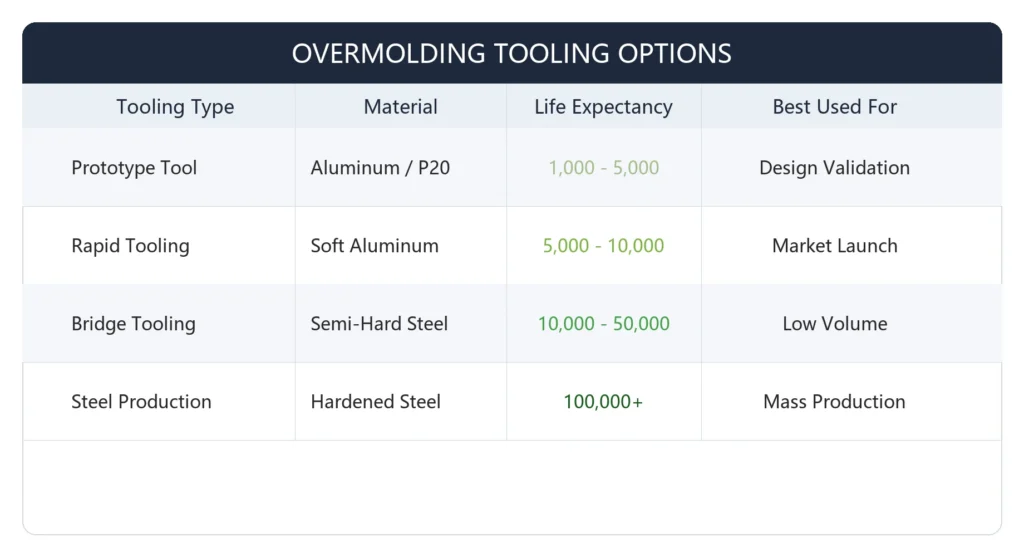
Choosing the appropriate mold tooling impacts upfront tooling lead times and total unit pricing.
Prototype Tooling
Machined quickly from soft metal alloys, prototype tooling provides fast physical parts for design testing at minimal initial cost.
Aluminum Tooling
Aluminum molds deliver fast heat dissipation and short machining cycles, making them ideal for short-to-medium manufacturing runs.
Steel Production Tooling
Hardened tool steels (such as H13 or S7) withstand abrasive resins and millions of press cycles without dimensional degradation.
Rapid Tooling
Utilizes modular mold bases and direct CNC machining to produce functional tooling within days instead of weeks.
Bridge Tooling
Fills the gap between prototype validation and final high-volume production steel tooling, maintaining production schedules.
Tool Maintenance
Regular cleaning, polishing, and seal replacement prolong tooling lifespans and prevent flash formation at core shut-offs.
Manufacturing Technologies for Overmolded Parts
Different overmolding technologies accommodate specific volume demands, geometry constraints, and production budgets.
Injection Overmolding
The primary methodology where pre-molded substrate parts are manually or robotically transferred to a second injection mold cavity.
Two-Shot Molding
A specialized dual material molding process using a rotating platen press to mold both materials within a single continuous machine cycle.
Multi-Material Injection Molding
Injects three or more distinct materials sequentially into complex mold cavities, ideal for integrated structural and sealing features.
Insert Molding
Where functional non-plastic parts—like threaded inserts, pins, or pre-formed metal subassemblies—are overmolded by a resin layer.
Compression Overmolding
Utilizes heated compressive molds, commonly selected for heavy silicone or thermoset rubber overmolding applications.
Silicone Overmolding
Employs specialized liquid silicone injection units equipped with chilled runners and heated molds to vulcanize medical grade parts.
Related: Laser Cutting Services: Process, Materials, Tolerances, Design Guide, Applications & Cost (2026)
Overmolding vs Insert Molding
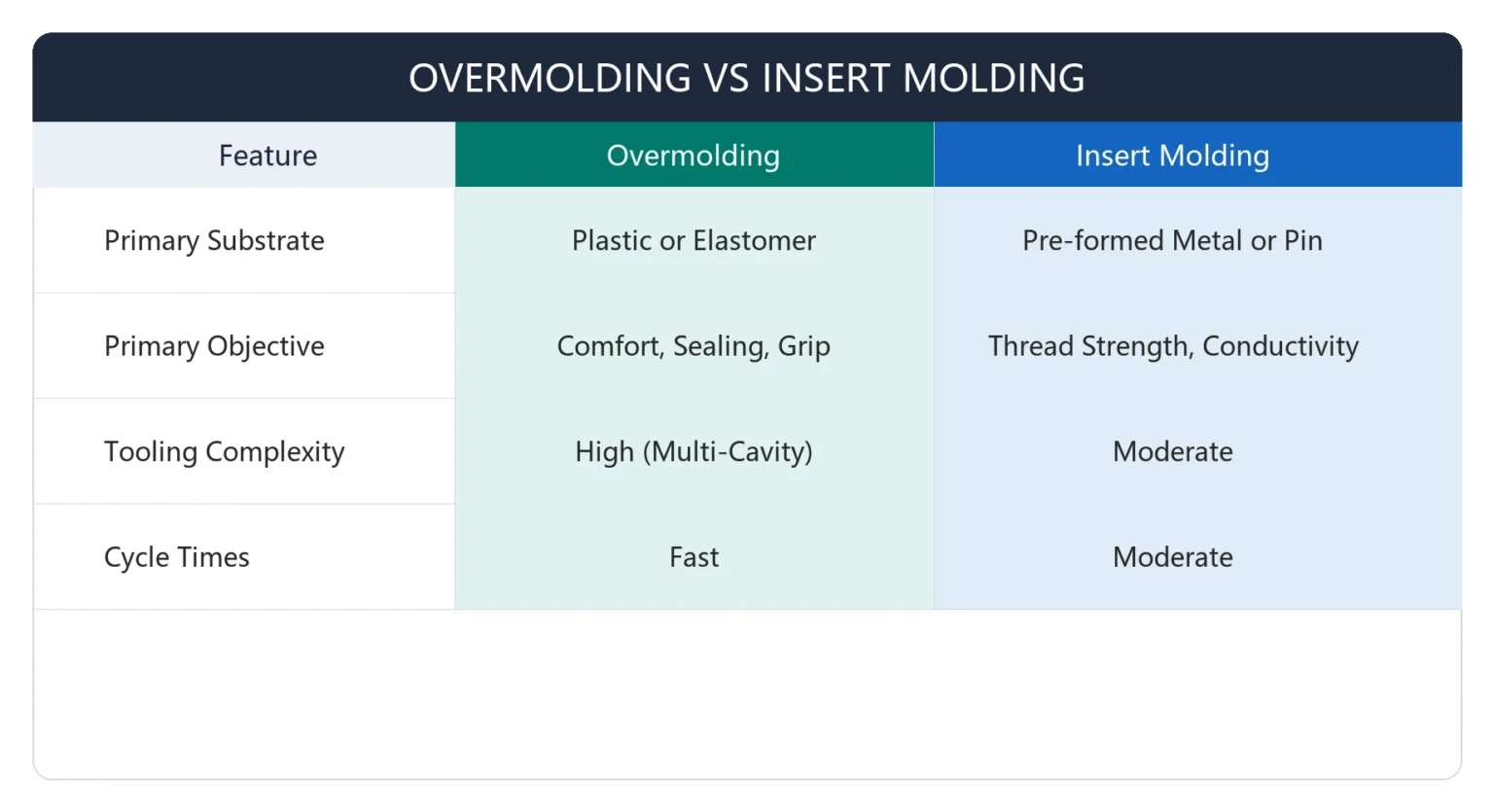
Understanding overmolding vs insert molding clarifies which process best aligns with your structural and operational requirements.
Key Differences
Overmolding typically covers a plastic substrate with an elastomer. Insert molding embeds non-plastic parts—such as metal pins or electronic sensors—inside a molded plastic substrate housing.
Advantages of Each Process
- Overmolding: Superior soft touch aesthetics, integrated seals, vibration damping.
- Insert Molding: High structural fastener strength, encapsulated electrical contacts, reduced assembly steps.
Which Manufacturing Method Is Right for Your Project?
Select insert molding when your part requires load-bearing threaded joints. Select custom overmolding when your design demands ergonomic grips, soft handles, or outer protective bumpers.
Overmolding vs Two-Shot Molding
Both processes yield multi-material parts, but they differ significantly in tooling design and automation levels.
Manufacturing Process Comparison
Standard overmolding requires two separate molds and part transfers between machines. Two-shot molding uses one multi-station press to mold both shots sequentially.
Cost Comparison
Two-shot molding incurs high initial mold costs but low piece-part costs. Traditional overmolding reduces initial tooling investment, making it economical for low volume overmolding production.
Design Flexibility
Two-shot molding excels at micro-molding, thin-wall features, and high-precision electronic connectors. Overmolding accommodates large, complex, or metal-inserted parts.
Production Speed
Two-shot molding offers fast cycle times due to fully automated inline processing without manual part handling.
Material Compatibility
Both processes require compatible melt temperatures and shrink rates, though two-shot molding provides tighter shot-to-shot thermal control.
Industries That Use Overmolding
Precision overmolding solutions serve critical roles across demanding technical sectors.
Medical Device Manufacturing
Medical overmolding creates fluid-tight, sterilizable seals on surgical instruments, diagnostic equipment, and fluid delivery devices.
Automotive Components
Automotive overmolding enhances interior switches, steering wheel grips, under-hood sensor housings, and vibration-isolated bushings.
Consumer Electronics
Consumer electronics overmolding creates ruggedized shockproof outer frames, soft-grip handles, and waterproof sealing layers for outdoor devices.
Aerospace Components
Aerospace overmolding combines light engineering plastics with protective elastomer skins to resist chemical exposure and extreme temperature swings.
Industrial Equipment
Industrial overmolding protects sensitive heavy machinery controls against oil penetration, heavy vibration, and mechanical impacts.
Electrical Connectors
Electrical connector overmolding encapsulates bare wiring, terminals, and pin headers, delivering long-term strain relief and weather resistance.
Power Tools
Power tool overmolding provides durable, non-slip ergonomic grips that absorb motor vibrations and increase tool handling safety.
Wearable Devices
Wearable device overmolding pairs biocompatible liquid silicone with electronic modules for health monitors and smartwatches.
Robotics
Robotics components rely on overmolded grips and protective end-effector seals to minimize damage during high-speed automated picking.
Defense Applications
Mil-spec overmolded cables and ruggedized gear housings withstand extreme impacts, water immersion, and harsh chemicals.
Related: Micro SLA 3D Printing: Technology, Materials, Accuracy, Applications & Cost Guide
Common Applications of Overmolding
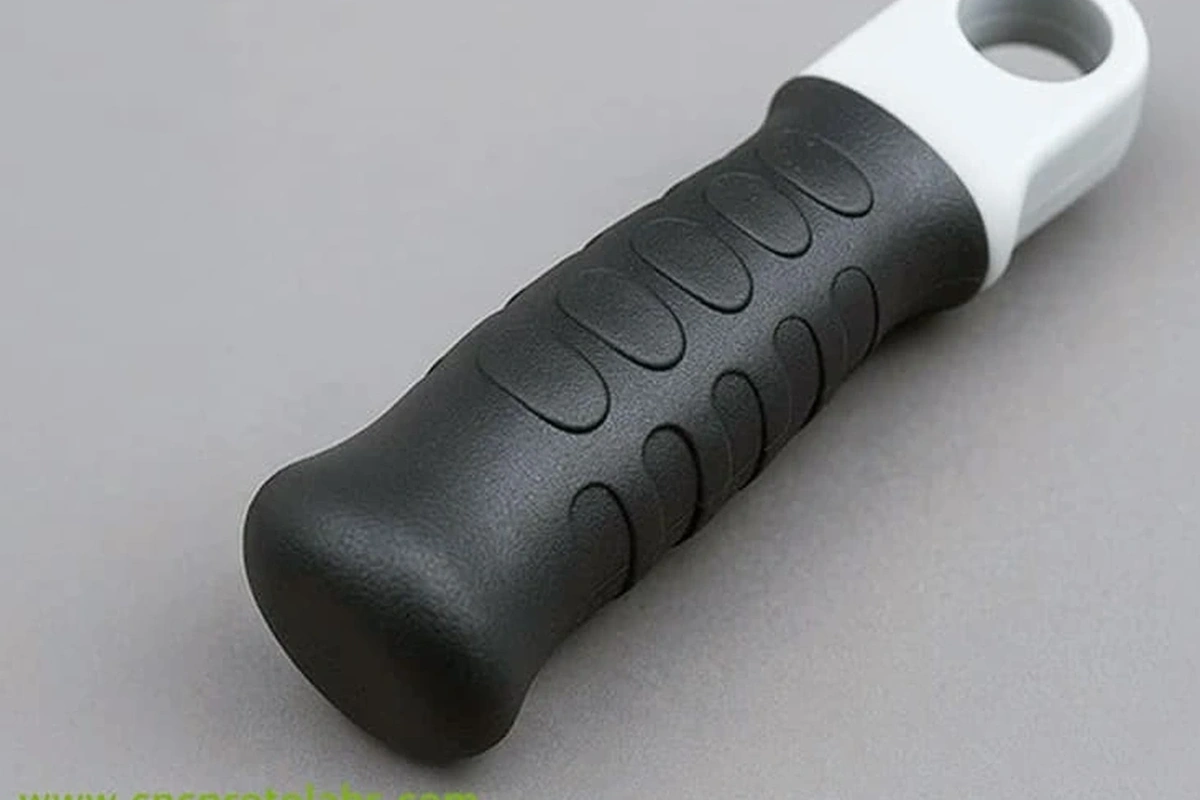
Soft-Touch Handles
Improves hand feel and user leverage on hand tools, kitchen utensils, and industrial control levers.

Medical Devices
Improves grip safety and cleanliness on surgical instrument handles and diagnostic equipment housings.
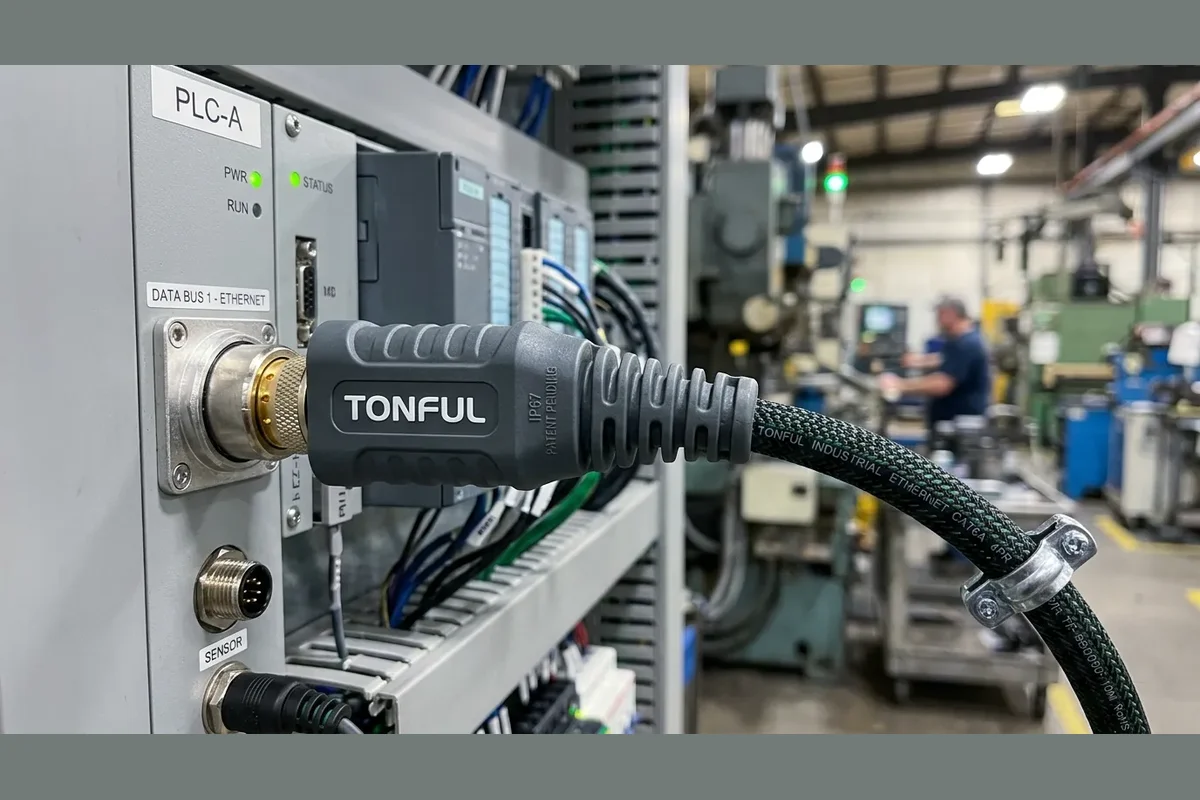
Cable Assemblies
Provides integrated strain relief and environmental sealing where flexible cables connect to rigid connectors.
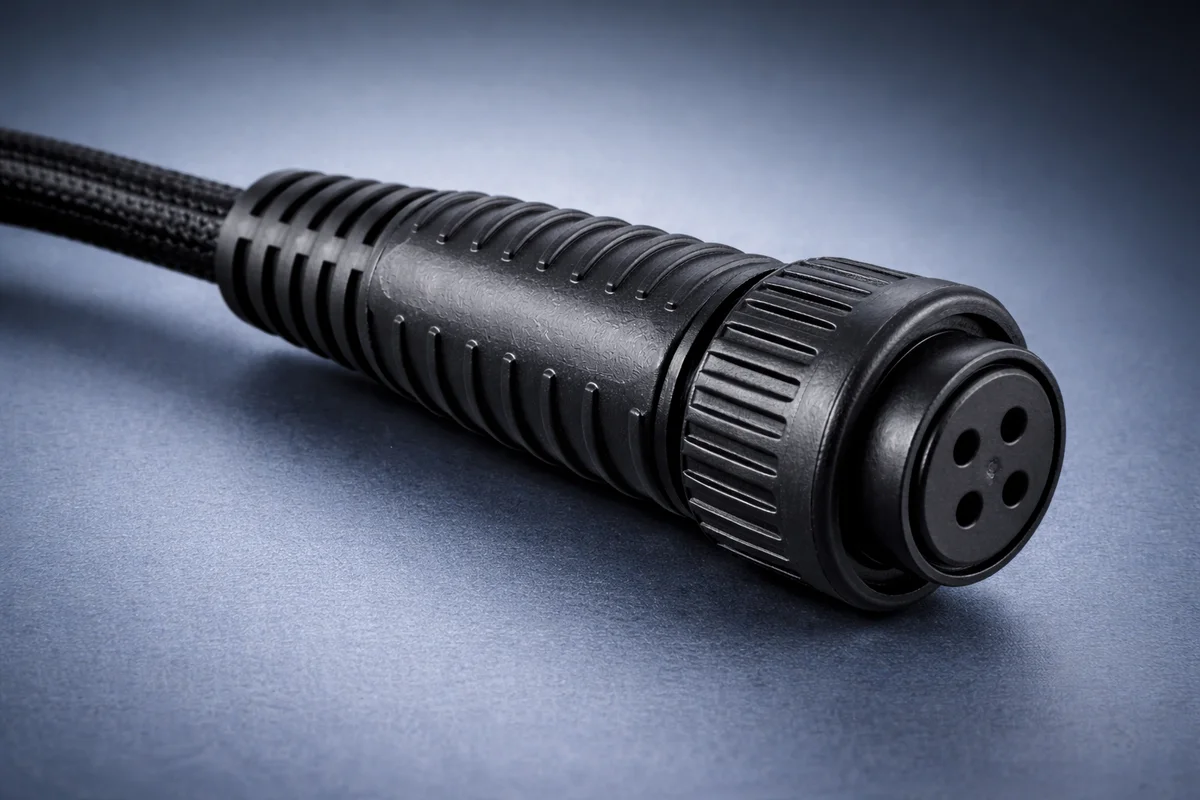
Waterproof Electronic Enclosures
Seals outdoor housings and handheld computers against water ingress to satisfy IP68 standards.
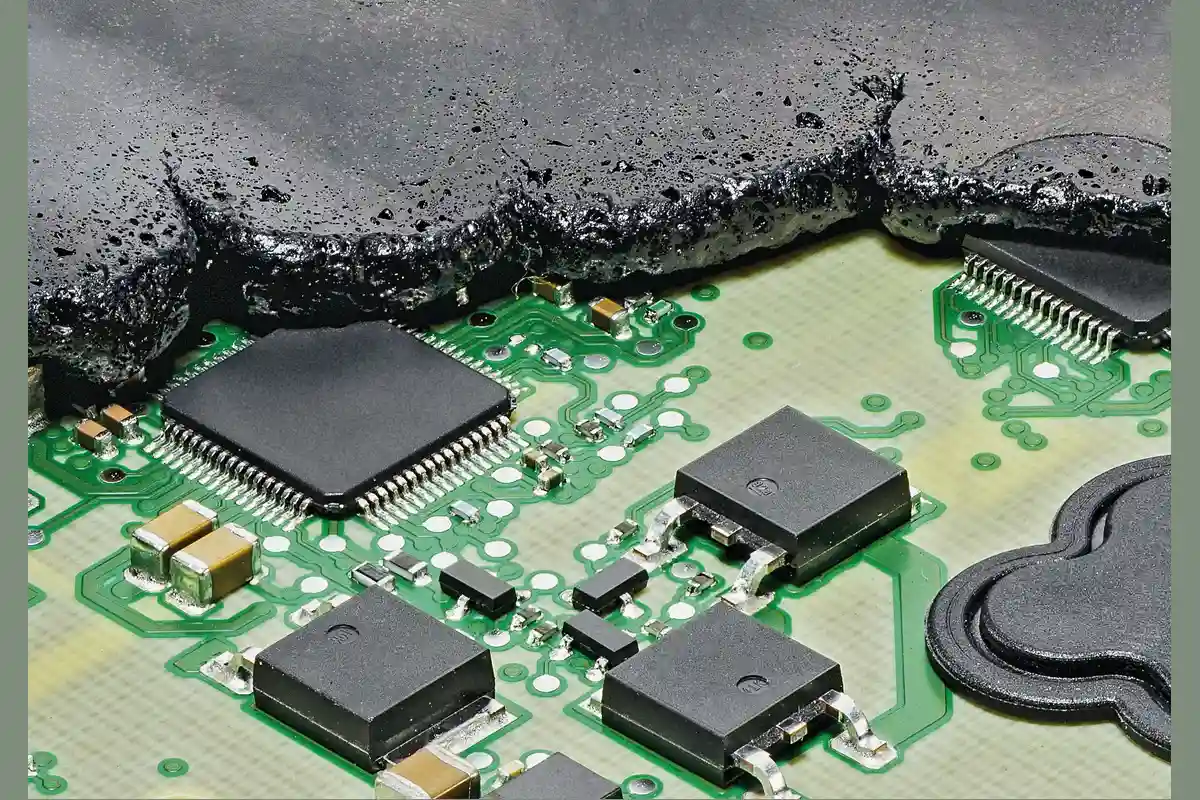
Sensors
Protects delicate electronic sensor overmolding subassemblies from fluid ingress, thermal shock, and physical crushing.
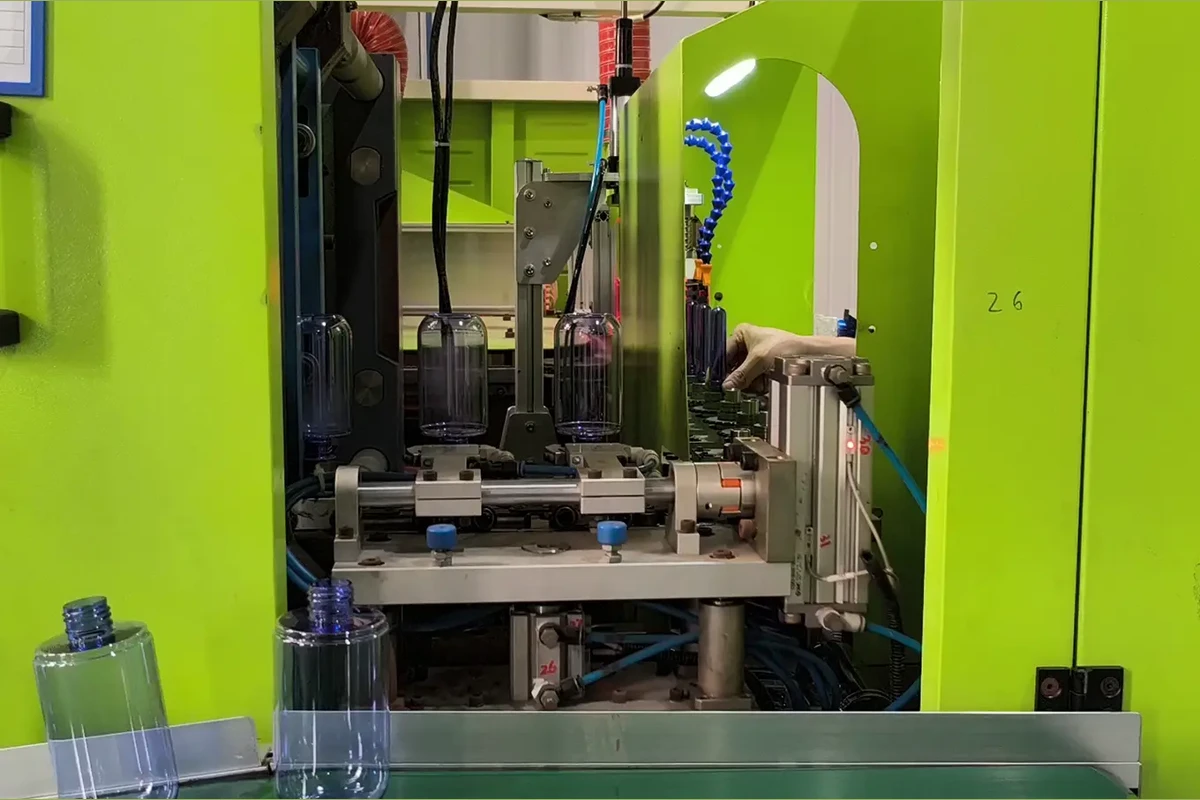
Industrial Grips
Dampens heavy operational vibrations on jackhammers, drill rigs, and industrial machinery levers.
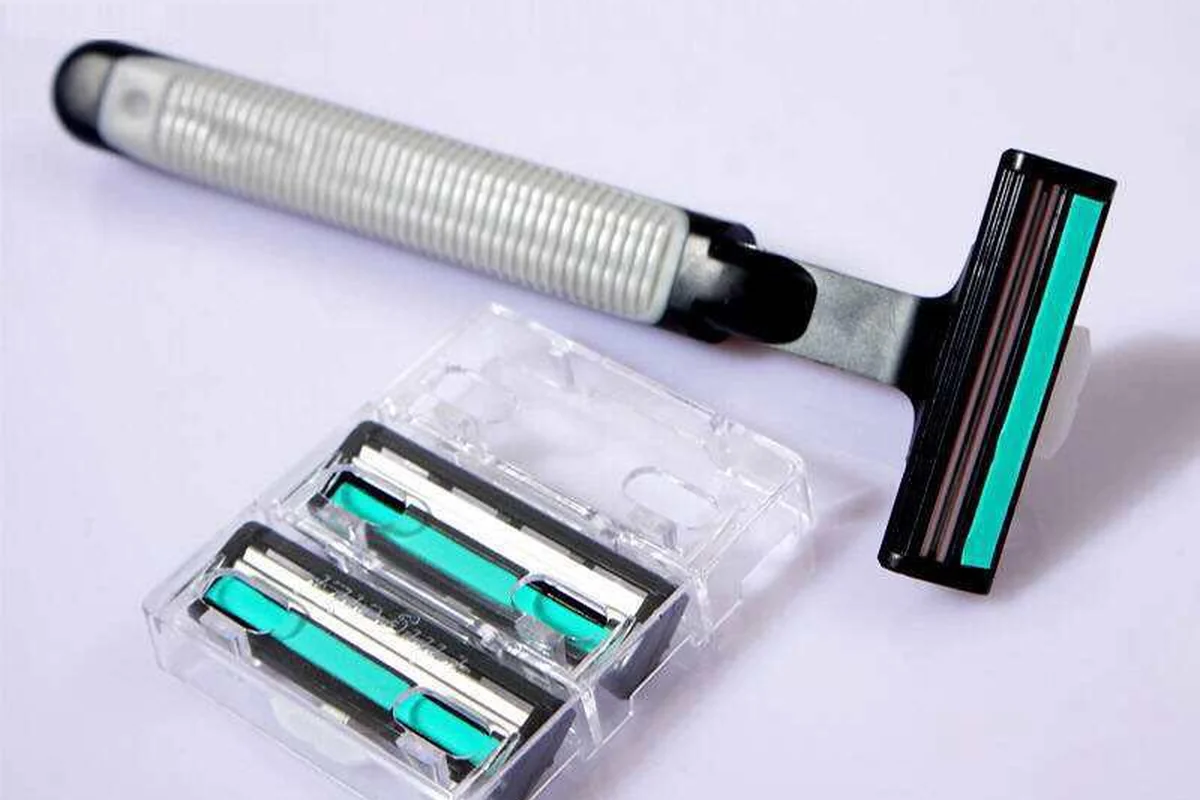
Consumer Products
Adds attractive dual-tone colors and soft-touch textures to toothbrush handles, razors, and personal care items.

Automotive Interior Components
Enhances tactile feel on gear shift knobs, control dials, and armrest accents.
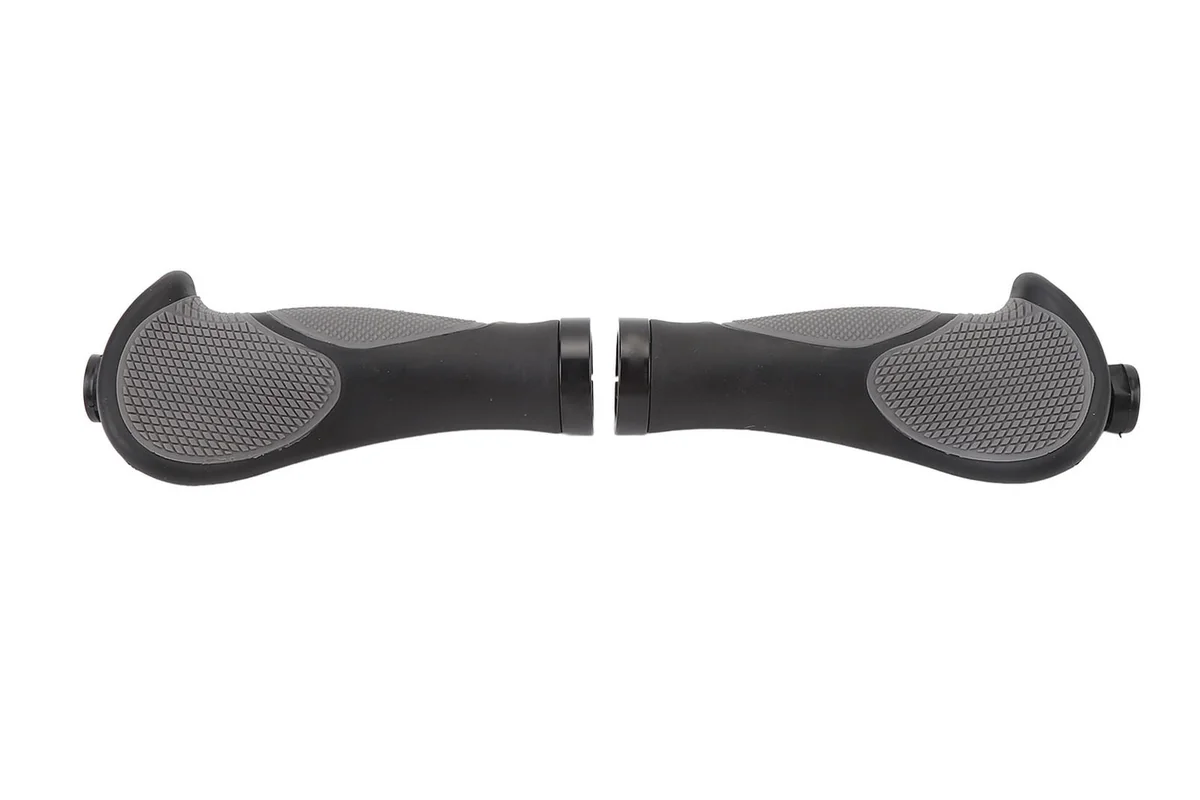
Sporting Goods
Improves wet-weather friction and control on bicycle grips, golf club handles, and trek poles.
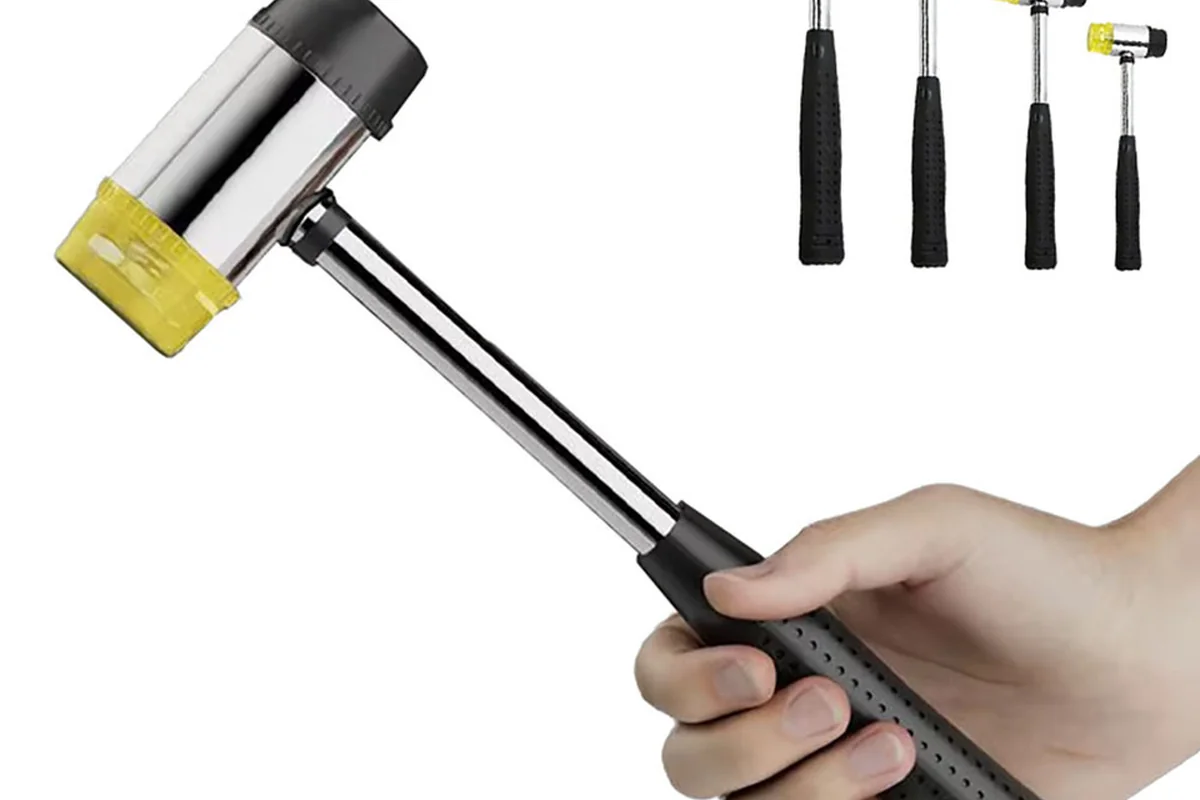
Hand Tools
Protects steel pliers and wrenches with durable, electrically insulating soft grip covers.
Surface Finishes and Secondary Operations
Surface textures enhance part ergonomics while concealing mold parting lines and sink marks.
Textured Finishes
Engineers specify standardized SPI or Mold-Tech textures to improve slip resistance on soft touch grips.
Matte Finish
Reduces surface glare and visual imperfections on consumer electronics and automotive interiors.
Gloss Finish
Delivers smooth, polished aesthetic surfaces on decorative covers and outer cosmetic shells.
Soft-Touch Finish
Combines ultra-soft elastomer formulations with fine surface graining for a premium tactile feel.
Painting
Applies specialized protective coatings or decorative color accents to non-functional substrate areas.
Laser Marking
Engraves permanent high-contrast logos, serial numbers, and 2D barcodes onto overmolded plastic parts.
Pad Printing
Transfers multi-color graphics and logos onto curved or uneven outer part geometry.
Silk Screen Printing
Applies flat, high-durability text and indicators onto flat faceplates and industrial control panels.
Assembly Services
Lava3DP provides downstream mechanical fastening, ultrasonic welding, and packaging solutions.
Overmolding Tolerances and Quality Control
Maintaining tight overmolding tolerances requires strict process validation and real-time monitoring.
| Parameter | Standard Tolerance |
|---|---|
| Rigid Substrate Dimensions | +/- 0.05 mm to +/- 0.10 mm |
| Overmold Thickness | +/- 0.10 mm |
| Concentricity / Alignment | +/- 0.08 mm |
| Molded Part Weight | +/- 0.5% |
Typical Manufacturing Tolerances
Standard production tolerances for rigid plastic parts range around +/- 0.05 mm, while flexible elastomeric overmolds typically maintain +/- 0.10 mm due to material elasticity.
Dimensional Inspection
Technicians verify part dimensions using optical measuring systems and coordinate measuring machines (CMM).
Bond Strength Testing
Peel tests and tensile pull tests quantify polymer bonding strength between layers to prevent delamination.
Leak Testing
Pressure decay and vacuum testing confirm that waterproof sealing interfaces satisfy target IP ratings.
Functional Testing
Verifies mechanical snap-fits, button tactile response, and physical performance under operational loads.
Material Certification
Lava3DP provides raw material Certificates of Analysis (CoA) confirming compliance with RoHS, REACH, and FDA standards.
First Article Inspection (FAI)
Comprehensive FAI documentation validates that initial production samples meet every engineering print callout.
Related: Custom Metal 3D Printing Services: Materials, Pricing & Lead Times Explained
Common Overmolding Defects and Solutions
Preventing defects during the overmolding manufacturing process requires identifying root causes quickly.
Poor Bonding
Cause: Mold temperature too low, contaminated substrate, or incompatible resins.
Solution: Increase mold temperature, eliminate surface contaminants, or incorporate mechanical locks.
Flash
Cause: Excessive injection pressure or worn tooling shut-off surfaces.
Solution: Lower injection pressure and refurbish mold shut-off lands.
Short Shot
Cause: Insufficient injection pressure, low melt temperature, or restrictive runner gates.
Solution: Increase injection speed, raise melt heat, or widen gate dimensions.
Sink Marks
Cause: Heavy wall thickness or inadequate packing pressure during cooling.
Solution: Maintain uniform wall thickness and increase holding pressure.
Warpage
Cause: Non-uniform cooling rates between substrate and overmold material.
Solution: Equalize mold cooling line temperatures and balance wall thickness ratios.
Delamination
Cause: Incompatible polymers or excessive mold release agents present on the base substrate.
Solution: Switch to chemically compatible resin grades and eliminate mold release sprays.
Air Traps
Cause: Inadequate mold venting trapped air ahead of the advancing melt front.
Solution: Add shallow perimeter vents along final resin fill zones.
Burn Marks
Cause: Trapped compressed air overheating during fast injection fills.
Solution: Reduce injection speed and improve mold venting.
Troubleshooting Guide
Reviewing fill simulations and adjusting hold times solves the vast majority of cosmetic and structural defects quickly.
Design Tips to Reduce Manufacturing Cost
Optimizing custom overmolded parts early in the engineering phase reduces total tool steel costs and piece prices.
Simplify Geometry
Eliminate unnecessary complex curves and deep pockets that require expensive slider mechanisms or complex mold shut-offs.
Reduce Material Waste
Minimize runner volume by selecting hot runner systems or placing gates directly over functional part features.
Select Compatible Materials
Choosing standard resin combinations like TPE bonding to ABS avoids expensive primers, surface pre-treatments, or complex mechanical interlocks.
Optimize Mold Design
Design substrate and overmold parts to share common tooling frames or nest efficiently inside standard press beds.
Minimize Secondary Operations
Incorporate colorants, textures, and sealing features directly into the mold tooling to eliminate post-molding paint or assembly operations.
Design for Manufacturability (DFM)
Partnering with your injection molding supplier early allows automated DFM analysis to eliminate costly design revisions late in development.
How Much Do Custom Overmolding Services Cost?
Overmolding cost breaks down into initial mold tooling investments and per-piece manufacturing expenses.
Factors That Affect Pricing
Total project cost depends on tool material choice, overall part dimensions, resin grade selection, cycle time length, and order volume.
Tooling Cost
Prototype aluminum molds range from $2,500 to $6,000, while high-volume hardened steel production tools range from $12,000 to over $40,000 based on cavity count.
Material Cost
Standard ABS and TPE resins keep per-part costs low, whereas medical grade LSR silicone or high-temp engineering resins increase raw material costs.
Production Volume
Higher volume runs spread fixed NRE tooling costs over more units, drastically lowering your unit overmolding price.
Part Complexity
Complex internal features, tight tolerances, and side-action slides increase mold machining hours and tooling expenses.
Surface Finish Requirements
High-polish mirror finishes or high-precision Mold-Tech textures require manual hand-polishing, adding to base tool cost.
Secondary Operations
Downstream operations like laser marking, pad printing, and custom packaging add minor incremental costs per unit.
Typical Lead Times
Prototype overmolding tooling requires 7 to 14 days, while full production steel tooling takes 3 to 6 weeks depending on part complexity.
Why Choose Lava3DP for Custom Overmolding Services?
Lava3DP combines modern manufacturing infrastructure with deep engineering expertise to deliver functional prototypes and volume production parts.
Engineering Design Support
Our engineering staff reviews your digital CAD files, offering tailored feedback on wall thickness, parting lines, and material selection.
Rapid Prototyping with Industrial 3D Printing
We utilize industrial 3D printing services to prototype rigid bases within hours, validating physical ergonomics before cutting metal tooling.
Rapid Tooling and Bridge Tooling
Our modular mold bases allow us to deliver bridge tooling quickly, accelerating your overall time-to-market.
Production Injection Molding
Our facility houses automated injection molding presses capable of handling prototype runs up through high-volume production outputs.
Wide Range of Engineering Materials
We maintain an extensive inventory of engineering plastics, high-performance TPEs, TPUs, and liquid silicones to meet your performance parameters.
Precision Quality Inspection
Every production run undergoes strict dimensional inspection and bond testing using certified CMM equipment.
Fast Global Manufacturing and Shipping
Our integrated supply chain ensures fast turnarounds and direct global delivery to keep your production lines running on schedule.
Instant Online Quoting
Upload your 3D CAD files to our platform to receive a comprehensive quote with automated DFM feedback.
Ready to Manufacturing with LAVA3dp?
Upload your CAD file today and receive instant pricing, expert engineering support, fast production, and worldwide delivery.
Get an Instant Quote →Frequently Asked Questions
What is overmolding?
Overmolding is a multi-step manufacturing process where a soft elastomer or second plastic shot is molded directly over a rigid substrate base to create a unified single component.
What materials can be overmolded?
Common substrate materials include ABS, polycarbonate, nylon, polypropylene, and various metals. Overmold resins typically include TPE, TPU, and liquid silicone rubber.
What is the difference between overmolding and insert molding?
Overmolding overlays a second resin over a plastic substrate. Insert molding encapsulates non-plastic parts—such as metal pins or brass threaded inserts—inside a molded plastic housing.
Is TPE better than TPU for overmolding?
TPE offers a softer feel, higher flexibility, and lower material cost. TPU provides higher tear strength, superior chemical resistance, and better abrasion resistance.
Can metal parts be overmolded with plastic?
Yes. Plastic over metal molding encapsulates aluminum, brass, or stainless steel components using mechanical locks or specialized adhesive primers to bond the layers together.
What industries use overmolding the most?
The medical device, automotive, consumer electronics, power tool, and industrial equipment industries rely heavily on overmolded components for seals, soft grips, and structural protection.
How much does custom overmolding cost?
Prototype overmolding tooling starts around $2,500, while per-part production prices range from less than $1.00 to over $10.00 depending on volume, resin choice, and design complexity.
What is the typical lead time for overmolded parts?
Prototype parts take 7 to 14 days using rapid tooling, while high-volume production steel tooling requires 3 to 6 weeks.
Can Lava3DP produce both prototypes and production parts?
Yes. Lava3DP manages the entire product lifecycle, offering rapid prototype overmolding, low-volume bridge tooling, and high-volume mass production.
Whether you need prototype validation or full-scale volume manufacturing, choosing an experienced online overmolding service streamlines your product development cycle. If you are searching for custom overmolding or a specialized overmolding company near me, partner with Lava3DP to turn your multi-material product designs into high-performance components. Contact our engineering team or upload your CAD files today to receive an instant overmolding quote.