

-1024x538.webp)
Get the ultimate 2026 guide to full color 3D printing services at LAVA3dp. Read about top technologies (PolyJet, CJP), materials, pricing, and file optimization to order realistic color 3D prints today. Get an online 3D printing quote with Lava3DP.
Industrial product development and medical visualization have shifted toward photorealistic 3D printing. No longer are product designers forced to spend hours post-processing white or grey polymer pieces with manual airbrushing. Today, professional color 3D printing delivers functional, highly accurate, and beautifully colored components straight out of the machine.
Whether you need a full color prototype for an upcoming stakeholder presentation or a detailed anatomical reference for surgical planning, selecting the right additive manufacturing workflow is critical. This guide breaks down the mechanics, materials, costs, and software guidelines to help you obtain the best full color 3D printing results.
What Is Full Color 3D Printing?
Full color 3D printing is the advanced practice of fabricating physical objects while simultaneously applying high-fidelity color data throughout or on the outer layer of the geometry during the printing process. Unlike basic monochrome printing systems, these setups function like standard paper printers but operate in three dimensions, applying pigment directly to the core build material.
How Full Color 3D Printing Works
Color Is Applied Layer by Layer
Full Color vs Multi-Color 3D Printing
Multicolor 3D printing typically refers to desktop consumer setups (such as dual-extruder filament systems or multi-material accessories). These machines print by alternating between a limited number of pre-colored filament spools (usually 4 to 16 colors). They cannot create smooth gradients, photorealistic shading, or match specific Pantone color matching values.
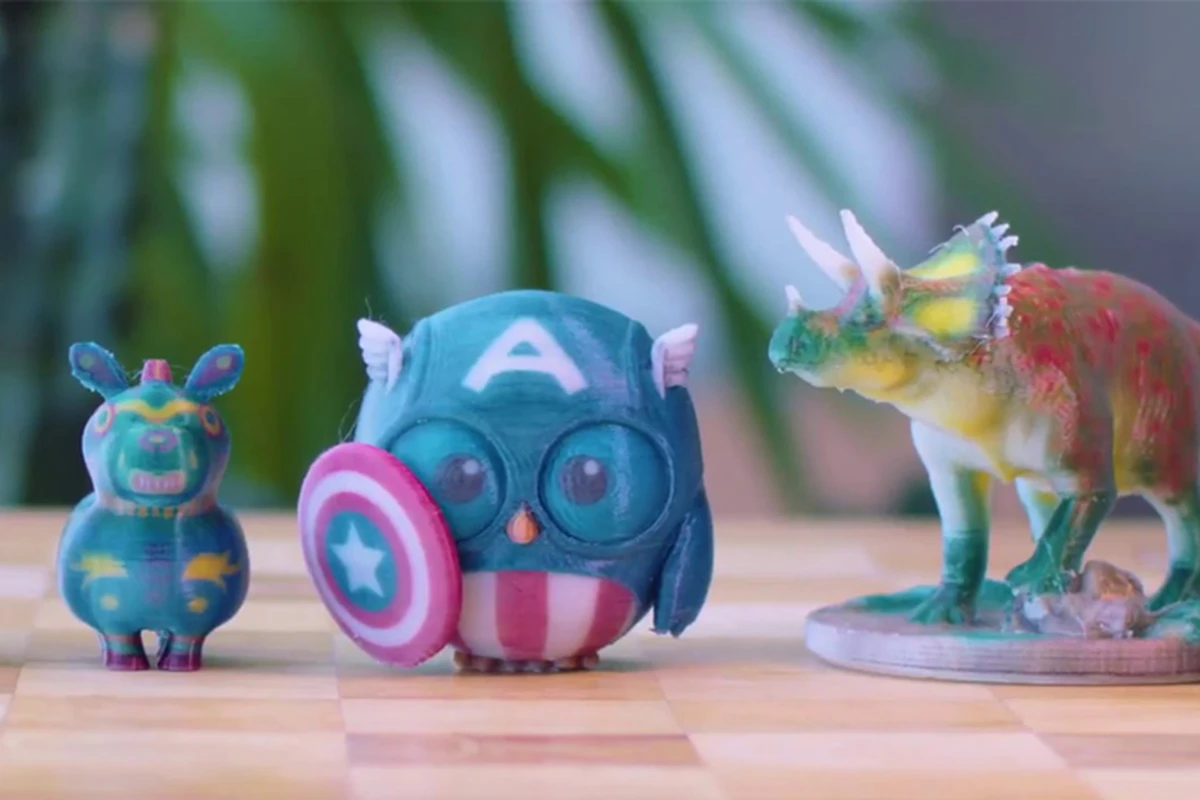
Full color 3D printing utilizes industrial binder jetting or material jetting to mix base color agents dynamically. This enables millions of distinct color options, rendering complex texture mapping, photo projections, and smooth color transitions.
Related: The Ultimate Guide to Rapid Prototyping: Processes, Materials, Costs & Applications (2026)
Benefits of Full Color 3D Printed Parts
Utilizing color 3D printed parts offers several major advantages over traditional prototyping:
- Reduced Labor: Eliminates the need for manual sanding, priming, and hand painting.
- Complete Design Freedom: Intricate internal color patterns, text labels, and complex graphics are built directly into the structure.
- Accurate Visual Representation: Perfect for realistic color 3D prints where color accuracy is non-negotiable.
- Accelerated Timelines: Spearheads rapid prototyping by shaving days off the product design cycle.
Common Applications Across Industries
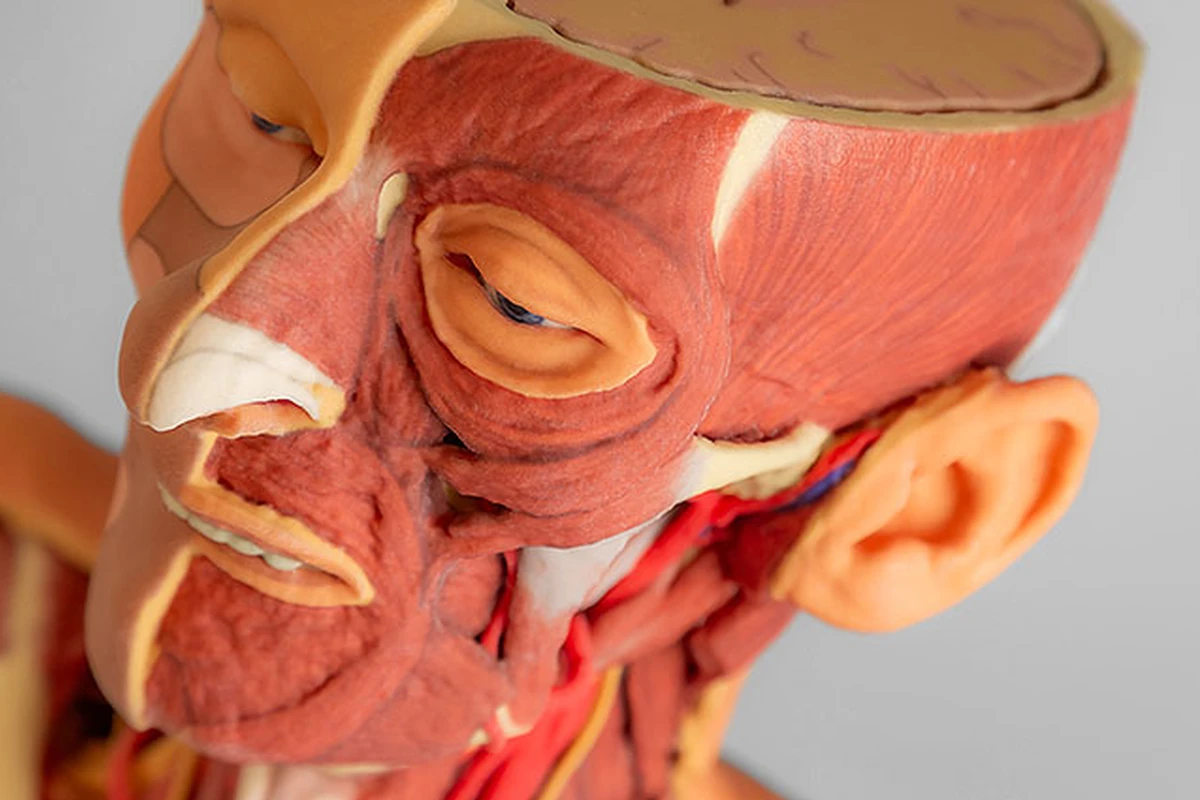
Industrial color 3D printing has become standard practice across many sectors. Product development firms use it for product prototype printing to run consumer focus groups. Architects rely on architectural model printing to communicate spatial designs to clients. Additionally, healthcare networks rely on medical anatomical models to study patient pathology and practice surgical techniques before entering the operating room.
Full Color 3D Printing Technologies We Offer
ColorJet Printing (CJP)
PolyJet 3D Printing
Material Jetting
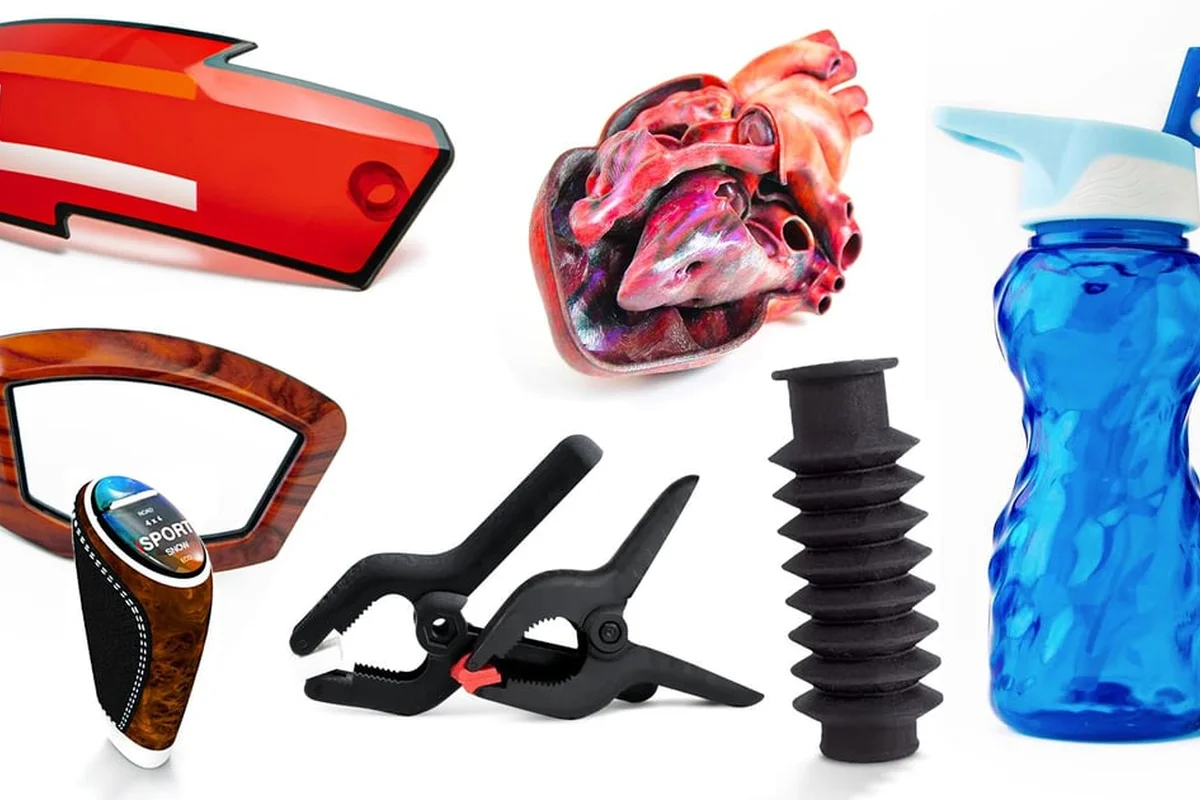
Binder Jetting
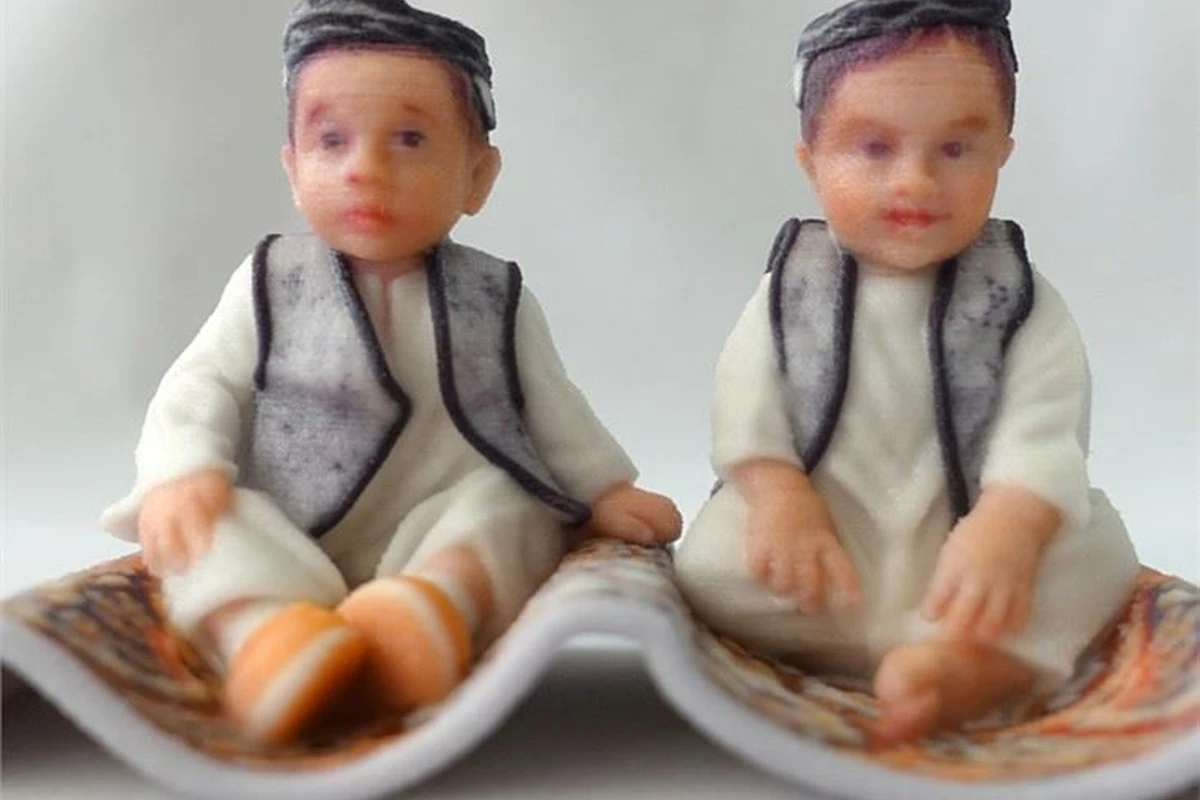
Which Technology Is Right for Your Project?
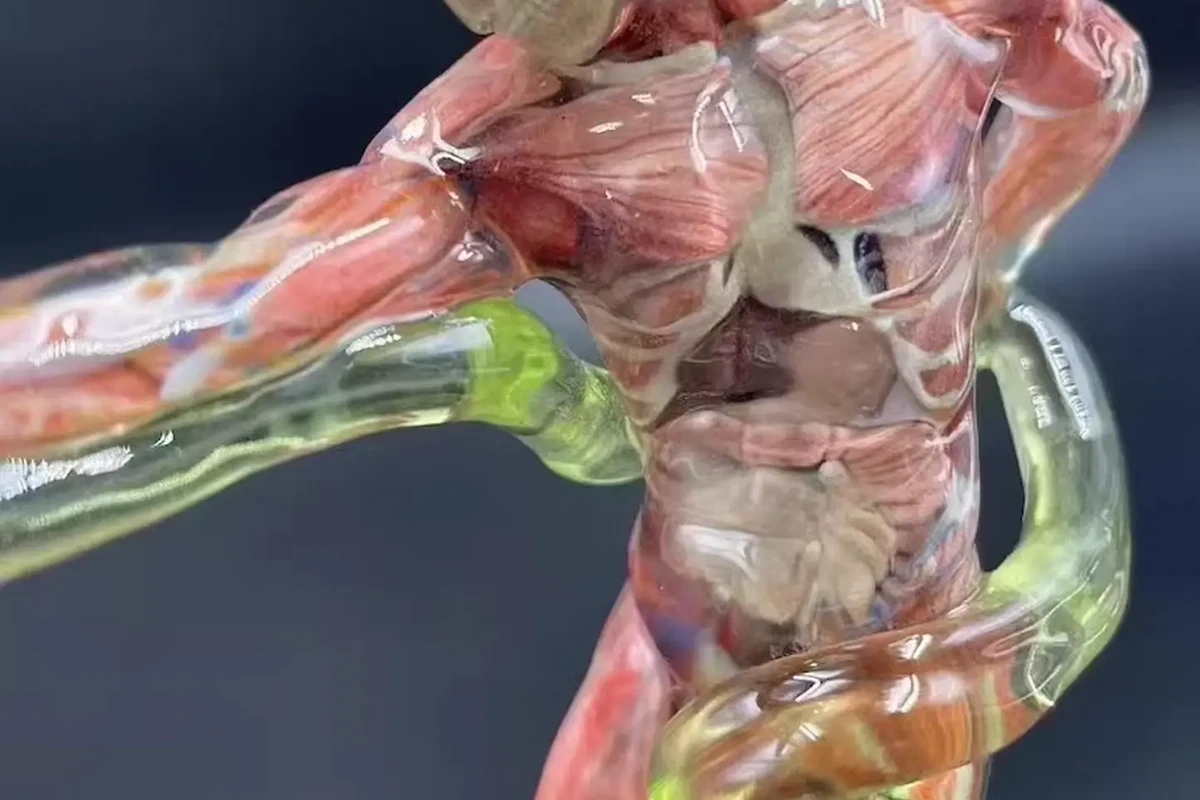
Select PolyJet / Material Jetting if your project requires production-ready prototypes, thin walls, functional plastic-like properties, transparent sections, or exact Pantone matching.
Select ColorJet Printing / Binder Jetting if your project is for static, visual-heavy applications like custom figurine printing, large-scale architectural mockups, or cost-conscious concept models.
Full Color 3D Printing Materials Available at Lava3DP
Choosing the correct full color 3D printing materials directly impacts how your part feels, its strength, and how the colors look under different lighting conditions.
Full-Color Sandstone
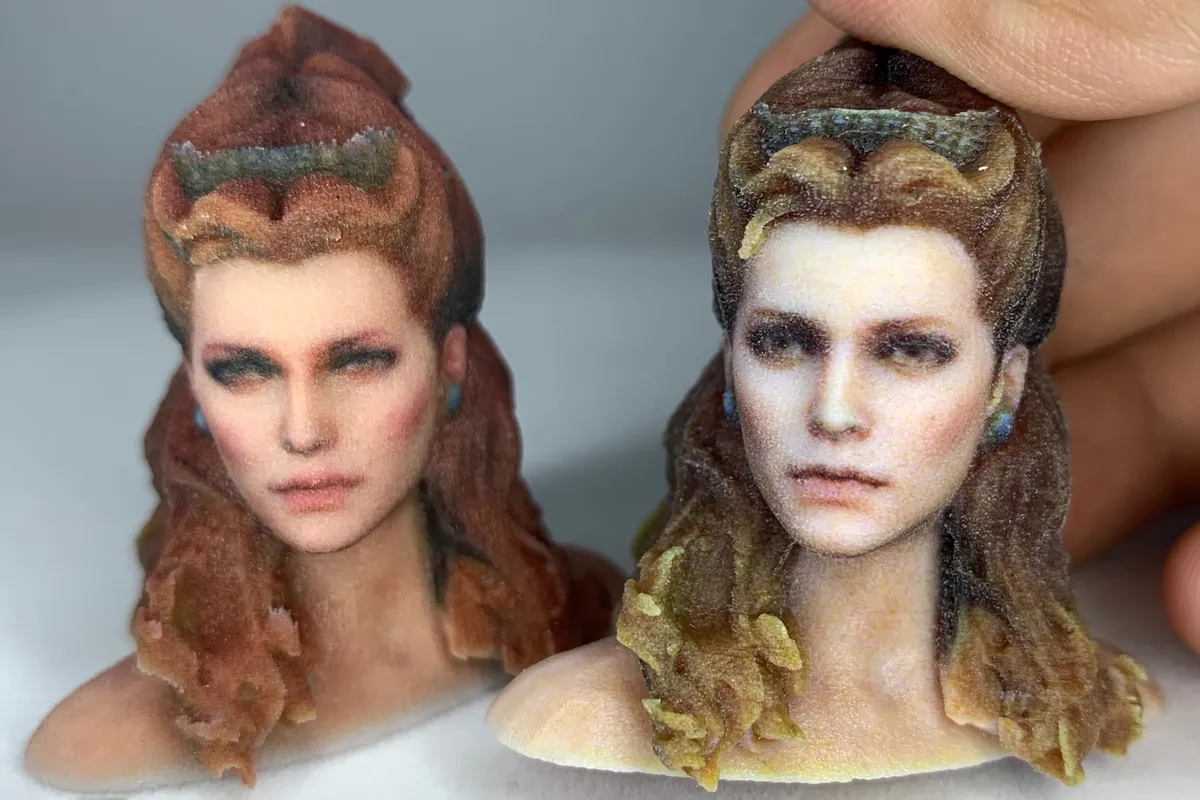
Often referred to as gypsum or plaster-based material, full-color sandstone is the workhorse of figurine 3d printing and educational models. It is highly detailed but inherently fragile. While not suited for functional mechanical testing, it provides excellent color saturation and a sandy, matte finish. It is ideal for museum replicas and architectural displays.
Photopolymer Resins
For parts that must perform like molded plastics, we utilize photopolymer resins via our full color resin 3d printer fleet. This full color resin 3d printing process uses acrylic-based polymers that offer excellent mechanical properties, high tensile strength, and smooth finishes. It is perfect for consumer product design and engineering evaluations.
High-Detail Concept Modeling Materials
When fine text, intricate internal features, or elastic properties are required, our multicolor resin printing systems combine high-detail resins. We can mix rigid and rubber-like materials together to simulate soft-touch overmolding on handles, transparent casing windows, or colored buttons.
Material Properties, Finish & Color Accuracy
| Material | Primary Tech | Max Build Volume (mm) | Surface Finish | Color Fidelity | Best For |
|---|---|---|---|---|---|
| Sandstone (Gypsum) | Binder Jetting (CJP) | 254 × 381 × 203 | Sandy, porous, matte | High saturation | Figurines, Architectural displays, Replicas |
| Vero Photopolymer/multi material | PolyJet (Material Jetting) | 490 × 390 × 200 | Ultra-smooth, gloss/matte | Exceptional (Pantone Validated) | Medical models, Consumer electronics, Prototypes |
Choosing the Best Material for Your Application
For functional testing or parts that will be handled regularly, choose photopolymer resins. If you require a cost-effective, high-volume visual model where handling is minimal, sandstone 3D printing is the industry standard.
Related: Aluminum CNC Machining: Complete Guide to Processes, Grades, Service Costs & Design Tips (2026)
What Can You Make with Full Color 3D Printing?
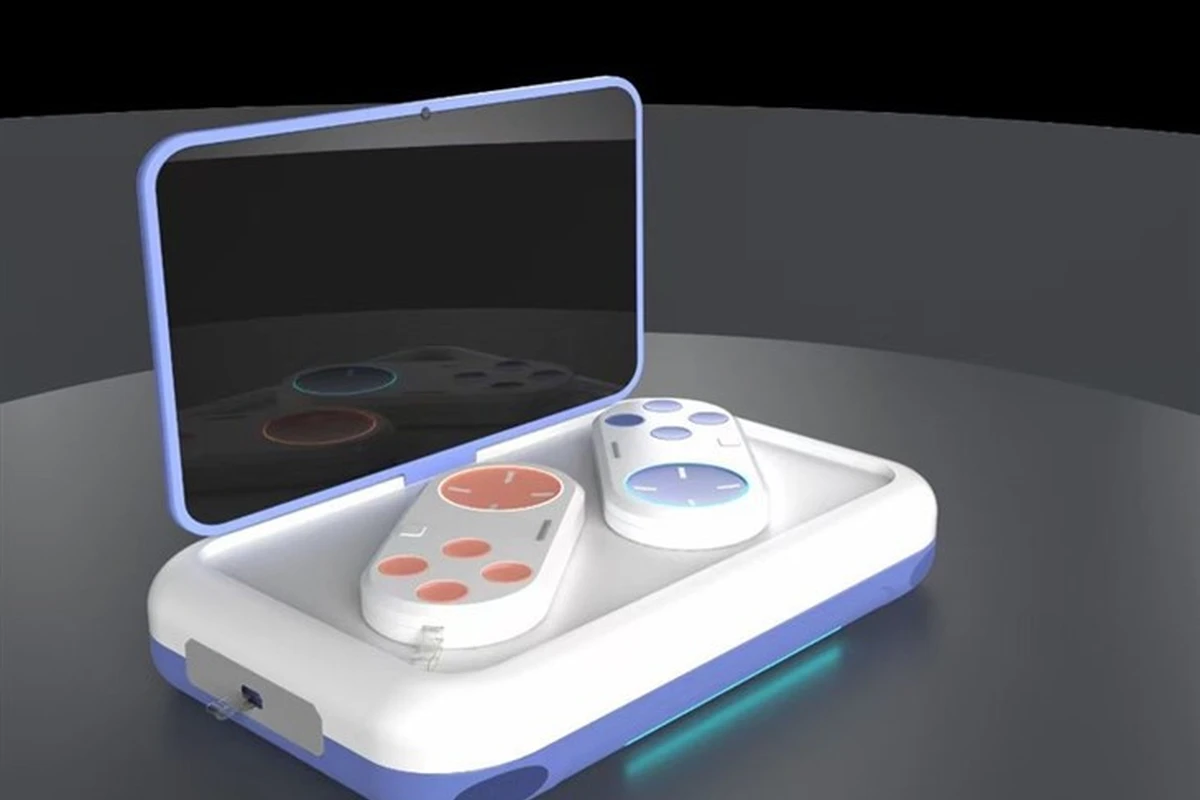
Product Prototypes
Industrial designers use our custom full color 3d printing service to validate consumer product design concepts. Printing a handheld electronic device with its logos, colored buttons, and screen graphics already integrated saves weeks of manual mockups.
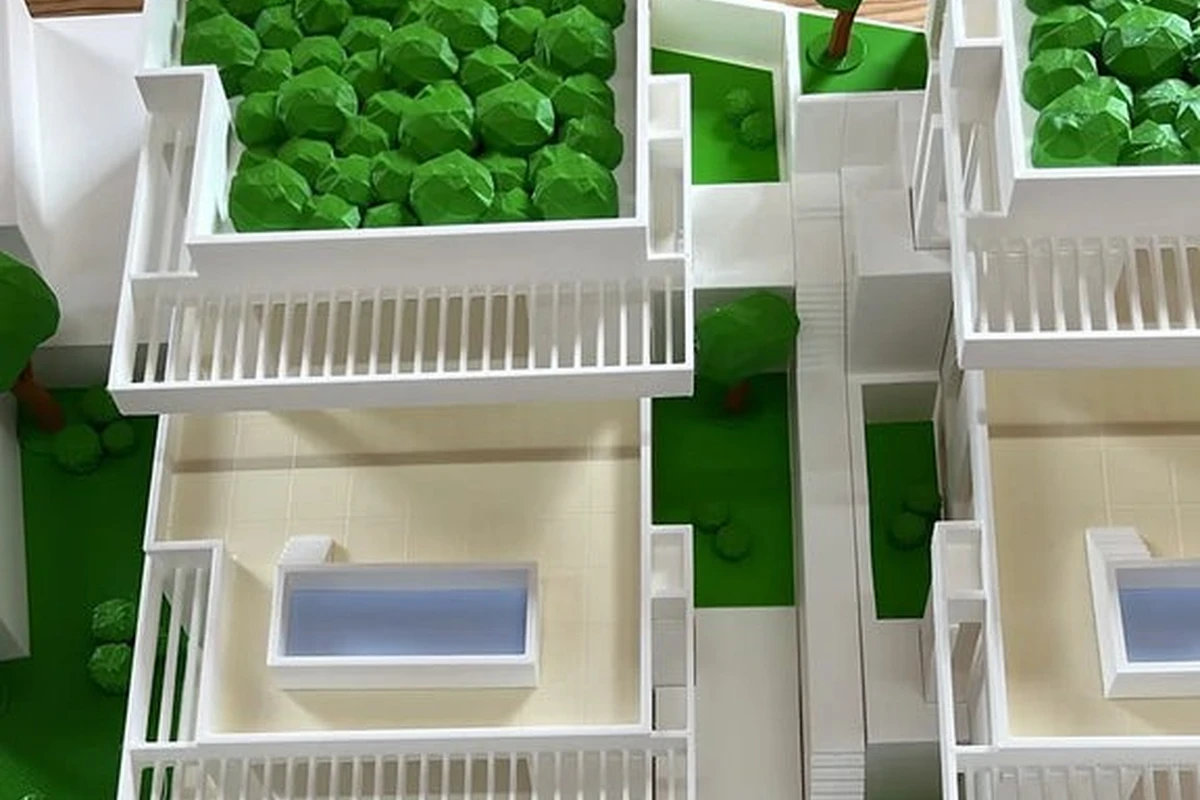
Architectural Models
Architects rely on full color architectural model printing to display terrain elevation, highlight building materials, and contrast landscaping elements against concrete structures. These parts are highly detailed and help clients visualize scale and materials clearly.
Medical & Anatomical Models
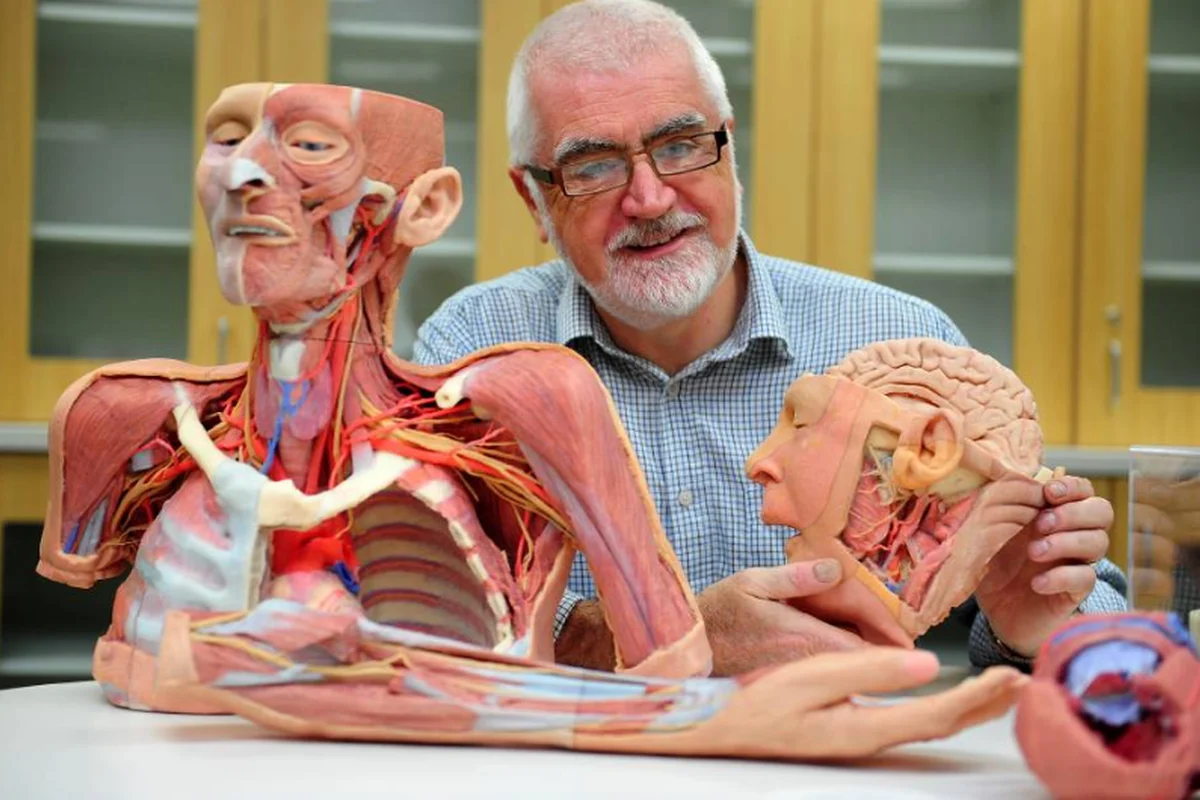
For medical visualization, full color medical model printing is a game changer. Using patient CT and MRI scans, we print life-like representations of organs, tumors, and bone structures. This lets surgeons review spatial relationships between blood vessels and soft tissues before operating.
Miniatures, Figurines & Collectibles
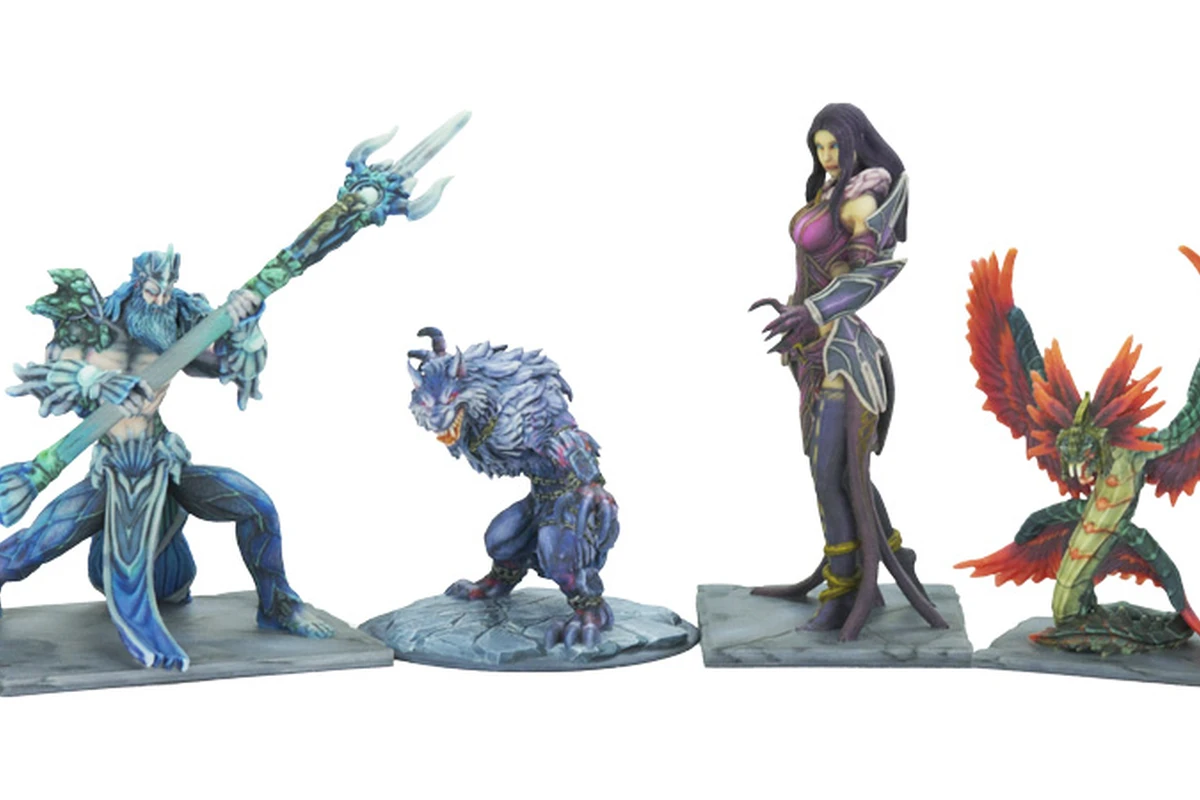
From gaming avatars to custom corporate awards, full color figurine 3d printing is incredibly popular. Custom figurine printing and miniature color printing allow fans and creators to realize their digital assets as physical models with no painting required.
Engineering Concept Models
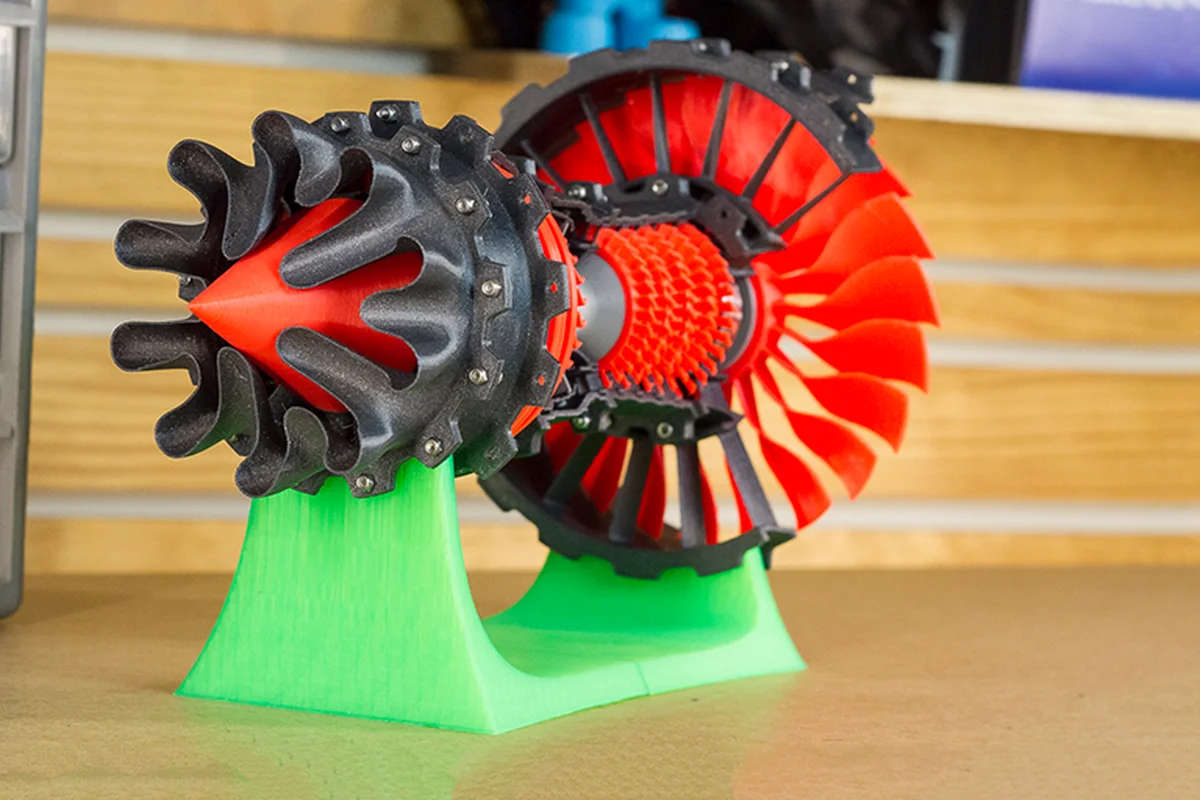
Engineers use concept model printing to showcase complex fluid dynamics, color-coded stress analysis maps, or multi-part assemblies with color-coded components to make testing and explanation straightforward.
Educational & Training Models
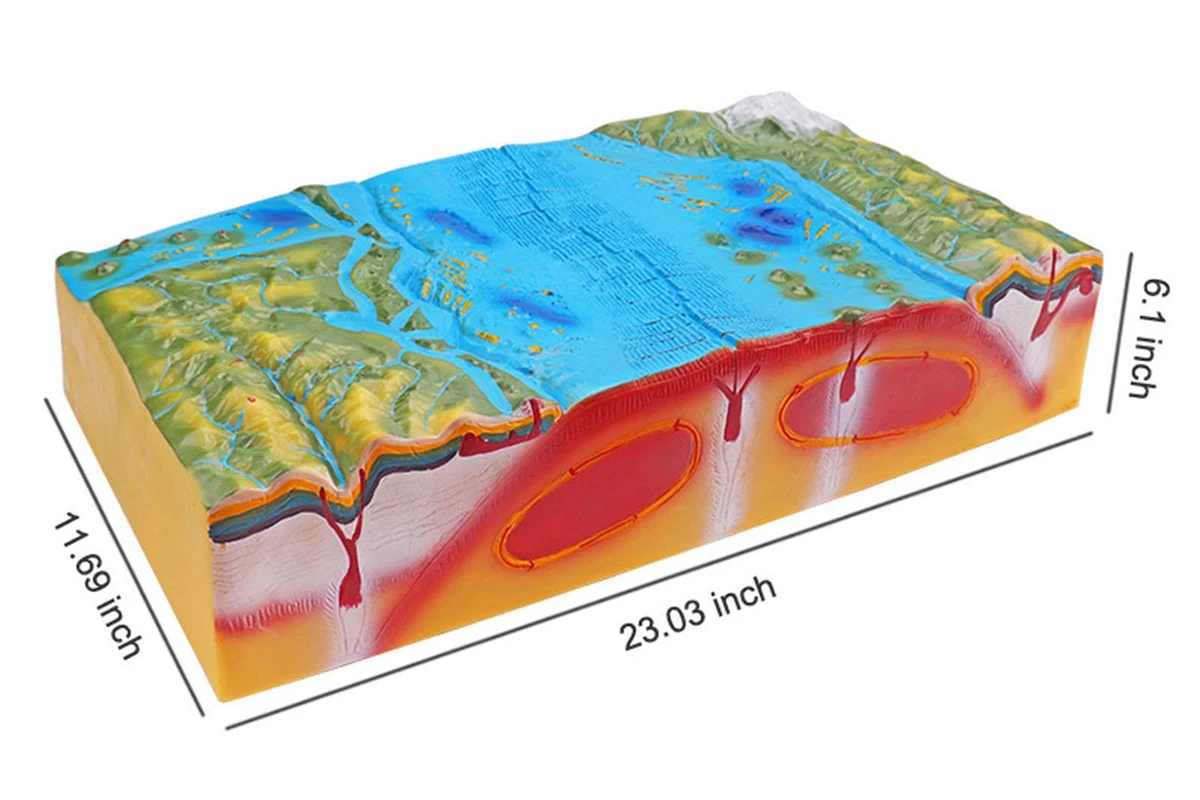
Universities and training centers use these color 3d printed parts to create interactive visual aids. Ranging from geography models depicting tectonic shifts to mechanical assemblies showing internal gear systems, color makes complex systems easier to understand.
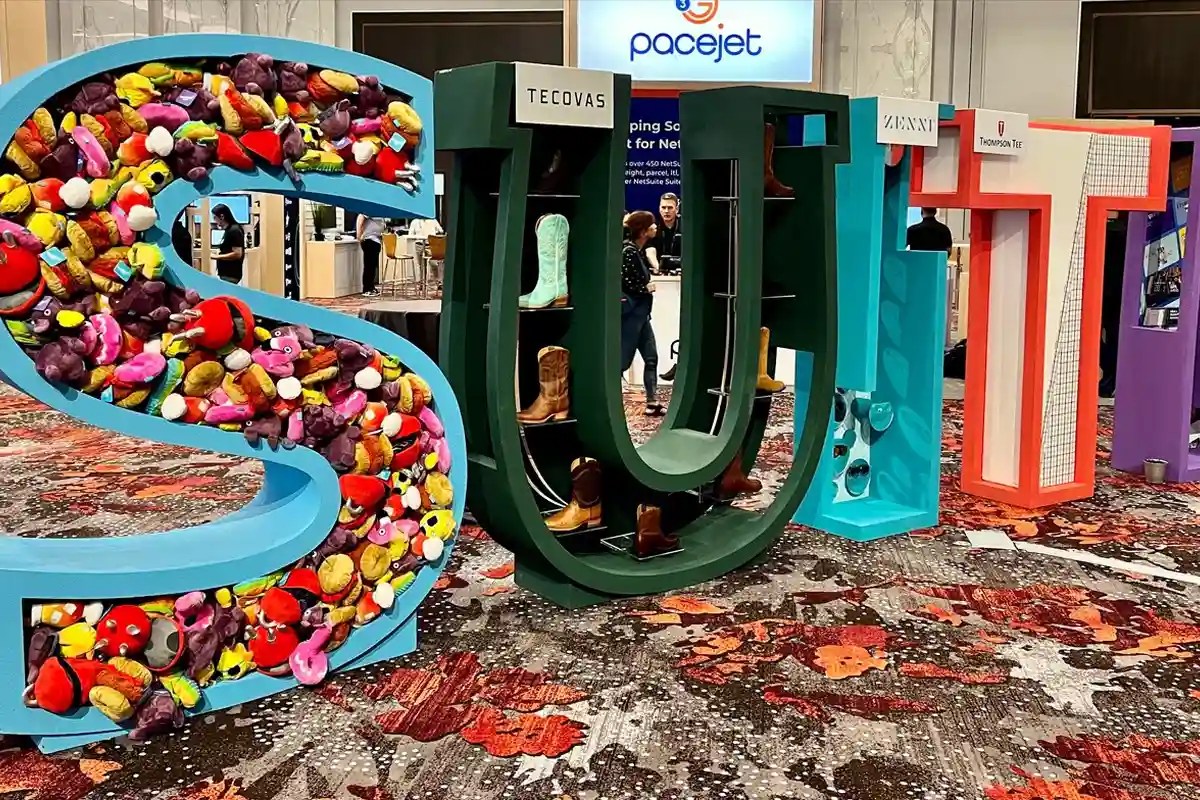
Marketing & Trade Show Displays
Stand out at your next industry event. Instead of shipping delicate, expensive production units, companies use affordable full color 3d printing to generate highly durable trade show displays that look identical to finished products.
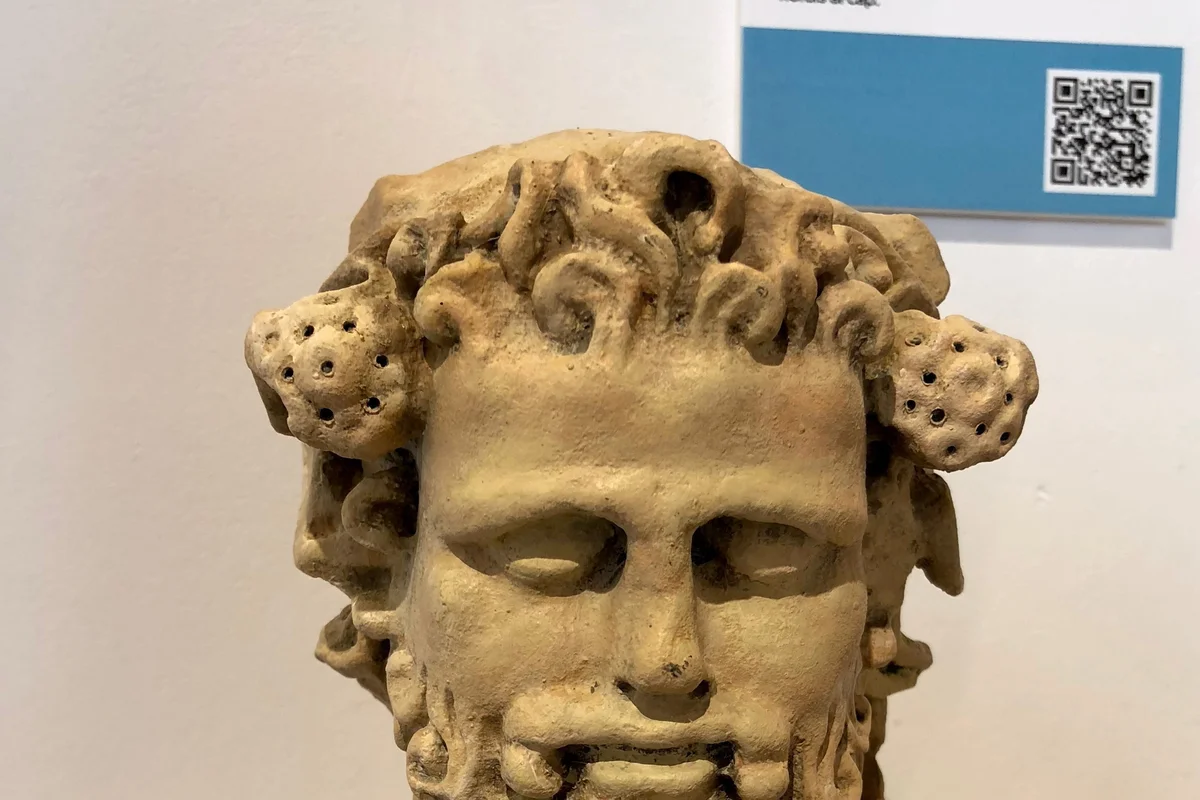
Museum Replicas & Art Models
By combining reverse engineering, 3D scanning, and museum replica printing, historians can safely reproduce fragile ancient artifacts, allowing visitors to touch and interact with history without risking original pieces.
Industries That Benefit from Full Color 3D Printing
Integrating full color manufacturing service pipelines improves communication and design reviews across multiple sectors.
Product Design & Manufacturing
Consumer electronics, toys, and packaging designers use rapid prototyping to test colors, graphics, and ergonomic shapes early in the product development cycle.
Architecture & Construction
Firms can quickly produce detailed architectural visualization models, including multi-color site maps, landscaping overlays, and textured structural elements.
Healthcare & Medical Devices
Surgeons use colored anatomical models for patient consent discussions and surgical rehearsals. Medical device companies also use them to demonstrate implants directly inside colored bone replicas.
Automotive & Transportation
Automotive teams print detailed dashboard mockups, taillights with realistic clear-red coloring, and color-coded engine components for assembly testing.
Aerospace & Defense
Engineers print highly detailed flight-deck designs and structural stress mapping prototypes to optimize aerospace layouts.
Consumer Products
Cosmetic packaging, sports equipment, and footwear brands print custom-colored prototypes to evaluate aesthetic options before tooling up for mass production.
Education & Research
Geology, archaeology, and biology departments use physical models to assist classroom instruction and hands-on laboratory work.
Entertainment, Gaming & Film
Game developers and film studios order full color 3d prints to produce character models, physical props, and visual effects assets.
Related: ABS Filament Explained: Complete Guide to Printing, Settings, Uses & Tips (2026)
Design Guidelines for Full Color 3D Printing
Choosing the Correct File Format (OBJ, VRML & 3MF)
Selecting the best file format for color 3d printing is critical. Traditional STL files do not carry color or texture data. Instead, you must use formats built to handle color:
Why STL Files Don’t Support Color
The standard STL file format only defines the outer surface geometry of a 3D object using a raw triangulated mesh. It has no coding parameters for color, textures, or material properties. If you upload an STL to an online full color 3d printing service, the system will only read it as a monochrome white or gray model.
Preparing Texture Maps & UV Mapping
To print complex graphics, you must use UV mapping in your CAD software or digital sculpting program. This process wraps a flat 2D image around your 3D model. Always ensure your texture mapping paths are relative, keeping your OBJ texture files in the same folder as your main model when packaging them for upload.
Recommended Wall Thickness
To prevent breakages during cleaning and post processing:
Minimum Feature Size
Very small parts can easily break during post-processing. Make sure free-standing features like thin pins, antennae, or small fingers are at least 1.5 mm thick for sandstone and 0.8 mm thick for high-detail photopolymer resin.
Text, Logos & Fine Details
For clear, readable text on your models:
Color Profiles & Texture Resolution
For crisp images on your parts, export texture files with a resolution between 150 DPI and 300 DPI. Save your images using the CMYK color system profile rather than RGB, as CMYK directly reflects how the 3D printer’s inkjets mix colors.
Designing for Strength and Printability
For hollow models, you must design escape holes (at least two holes with a minimum diameter of 5 mm) to allow uncured resin or unsintered powder to drain from the core during post-processing. Without these, your model will remain heavy, fragile, and more expensive due to trapped material.
File Requirements Before Uploading Your Model
Before requesting an online 3d printing quote, make sure your files meet our structural checklist.
Supported CAD & Mesh File Formats
Our automated analysis systems accept:
- For integrated files:
.3mf,.wrl(VRML) - For textured files:
.obj(accompanied by.mtland image textures like.pngor.jpgcompiled into a single.zipfile)
Export Settings for Accurate Colors
When exporting, set your unit scale (mm, inches, or cm) within your CAD software. Make sure to embed texture coordinates and select “Export Textures” or “Export vertex colors” in your export options depending on the software you use.
Common File Errors to Avoid
- Missing Texture Maps: Uploading an OBJ without its corresponding MTL and image texture files.
- Non-Manifold Geometries: Ensure your mesh is “water-tight” with no open holes, overlapping faces, or zero-thickness edges.
- Low Resolution Textures: Exporting tiny, pixelated texture maps that look blurry when printed.
Model Orientation & Repair Tips
Position flat surfaces parallel to the print bed to reduce stair-stepping artifacts. If your model has errors, run it through mesh repair software (such as Autodesk Netfabb or Blender’s 3D Print Toolbox) to clean up loose shells and intersecting faces before uploading.
Full Color 3D Printing Surface Finish Options
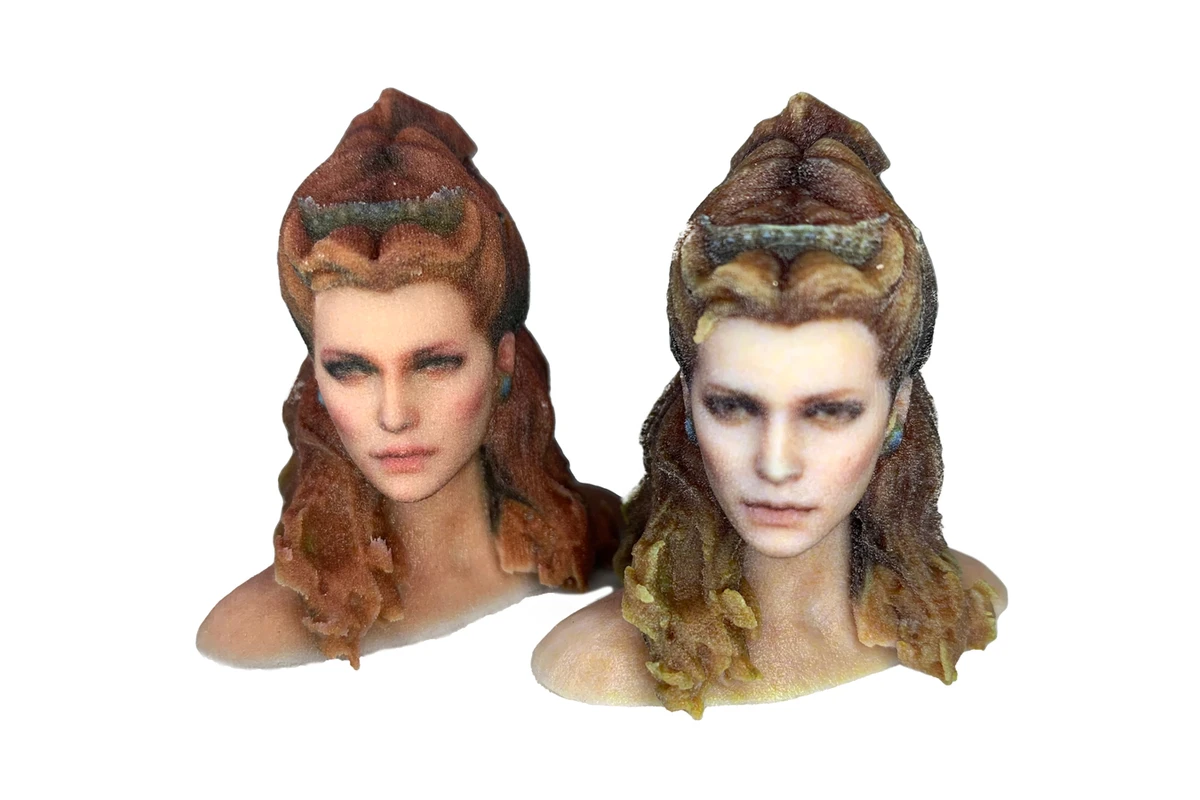
Matte Finish
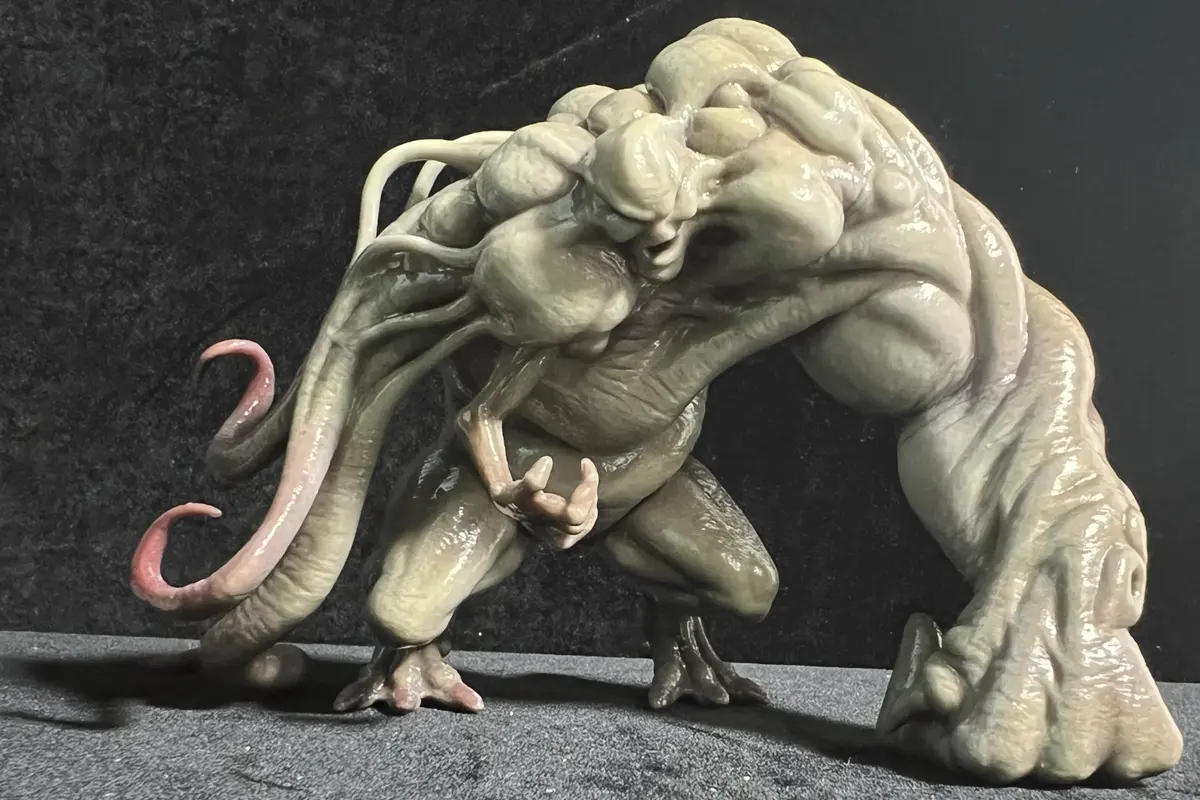
Sandstone: A natural, fine-grained surface similar to unglazed porcelain. It is excellent for architectural visualization as it does not reflect glare under bright display lights.
Resins: Soft-looking finish that helps hide layering lines and offers a smooth tactile feel.
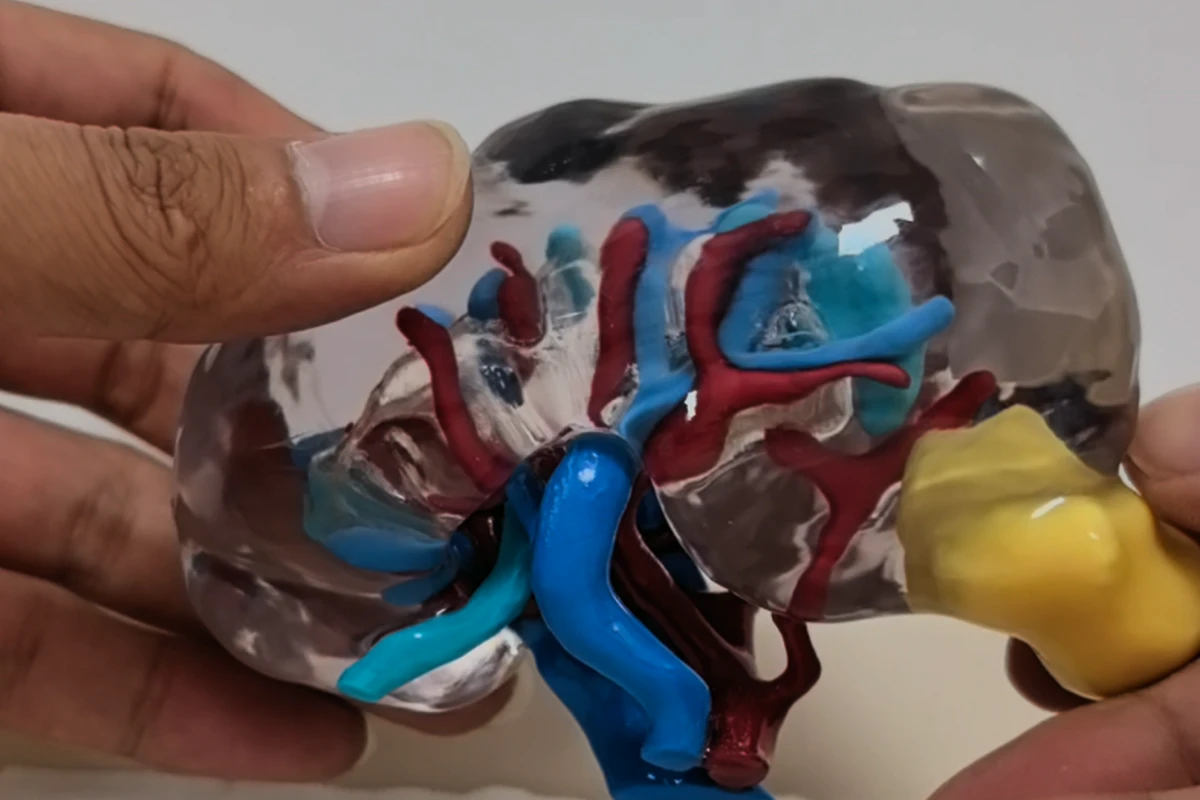
Gloss Finish
Resins: An ultra-smooth, glass-like coating. Gloss finishes bring out the deep color saturation of photopolymer resins and work well for transparent sections.
Protective Coatings
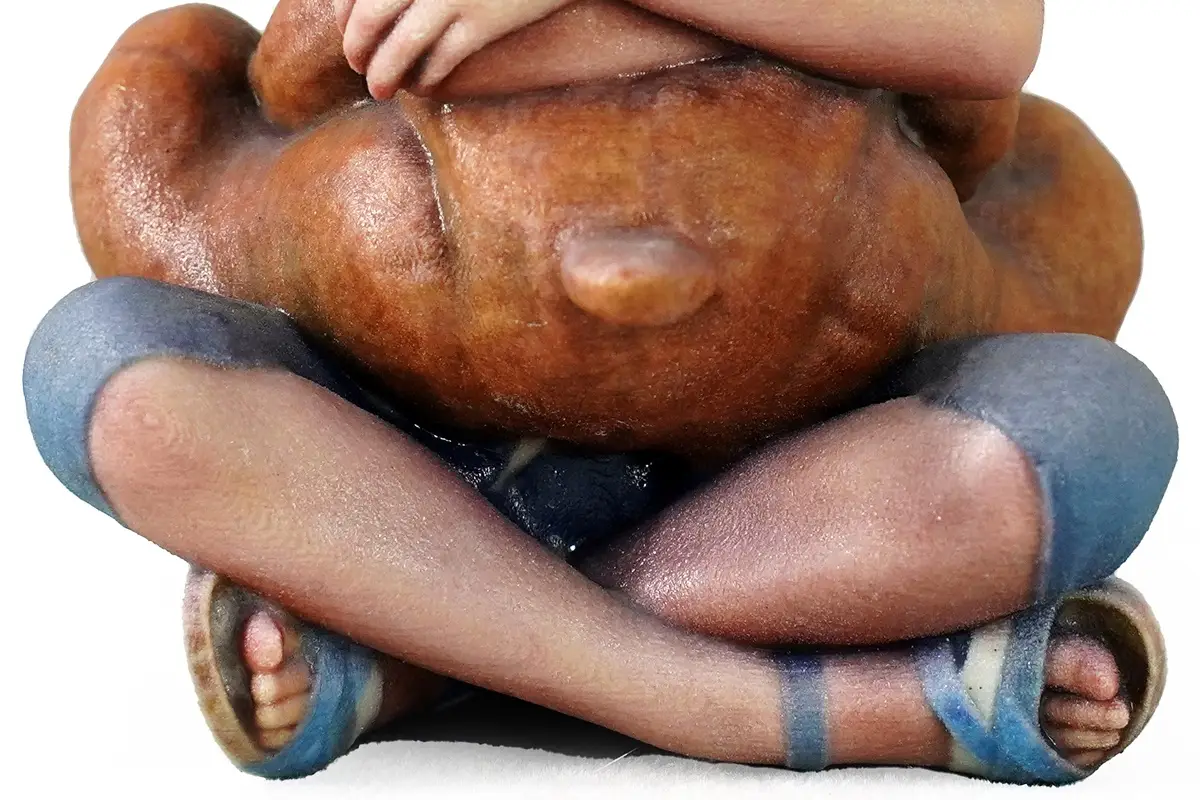
We apply specialized, UV-cured clear varnishes to protect printed surfaces. These seal the models against moisture, oils, and sweat, helping to prevent fading over time.
Color Enhancement & Sealing
For sandstone parts, we infiltrate the porous gypsum structure with cyanoacrylate (super glue) or specialized resins. This process dramatically improves the structural strength of the model while enriching the overall color contrast.
Full Color 3D Printing Pricing Explained
Calculating your full color 3d printing cost depends on several key design and material decisions.
Factors That Affect Cost
- Material Choice: Sandstone is generally much more affordable than multi-material photopolymer resins.
- Build Volume: Larger models consume more powder, binder, or resin, increasing production costs.
- Post-Processing: Specialized coatings, glossy hand-polishing, or internal structural sealing add to labor costs.
Material Selection
Our plaster-based gypsum materials provide an affordable full color 3d printing entry point for large visual prototypes. On the other hand, engineering-grade resins printed via PolyJet technology require higher material and hardware investments.
Part Size & Build Volume
Because pricing is heavily determined by the volume of raw material consumed, nesting or hollowing your designs is a great way to save money. A hollowed-out model with proper powder escape holes can reduce your full color 3d printing price by up to 50% compared to a solid piece.
Color Complexity
Unlike hand painting, where more colors mean higher labor costs, industrial printing cost remains flat regardless of color complexity. Whether you print a single solid color or a complex multi-colored texture with millions of shades, the machine uses the same amount of binder.
Printing Technology
CJP powder systems are generally more cost-efficient for large, thick components. Material jetting technologies require dedicated support materials (which are dissolved away after printing), adding slightly to overall material usage costs.
Quantity & Batch Production
Printing multiple parts in a single run allows us to pack the build volume more efficiently. This lowers setup times and overhead costs, enabling us to pass those savings on to you for small-batch production runs.
Post-Processing Requirements
Standard matte cleaning is included in our base prices. Opting for glossy clear coats, custom assembly, or industrial-grade UV resistant colors involves additional processing steps and manual labor.
Related: PLA Filament Explained: Complete Guide to Types, Settings, Uses & Tips (2026)
Full Color 3D Printing vs Alternative Manufacturing Methods
How does this digital manufacturing approach compare to traditional prototyping methods?
Full Color 3D Printing vs Hand Painting
Manual model painting requires skilled labor, fine brushes, priming, and drying time. While it can produce beautiful individual models, it is very slow, expensive, and difficult to scale. 3D printing prints highly complex, repeatable patterns and text with precise digital accuracy across dozens of parts simultaneously.
Full Color 3D Printing vs Multi-Material Printing
Basic multi-material printing (like desktop FDM setups with filament changers) is limited to simple solid-color regions. It cannot reproduce gradients, photo projections, or transparent-to-opaque fades. Professional jetting systems offer millions of colors and smooth color blending at the voxel level.
Full Color 3D Printing vs CNC Machining
CNC machining is great for producing high-strength functional parts out of block plastics or metals, but it cannot carve out complex internal colors, textures, or hollow geometries. 3D printing builds these color details directly inside the internal structures of the part.
Full Color 3D Printing vs Injection Molding
Injection molding is the gold standard for high-volume manufacturing, but its tooling costs are incredibly expensive and it is limited to single-color or muti limited color plastics. 3D printing eliminates tooling costs, letting you print multi-colored, complex parts instantly.
Why Choose Lava3DP for Full Color 3D Printing Services?
Industrial-Grade Printing Technologies
We operate high-end systems including HP Multi Jet Fusion, Stratasys PolyJet, and 3D Systems ColorJet systems. This ensures your parts are built using high-quality industrial hardware.
High Color Accuracy & Detail
Our printers are Pantone-validated, meaning the colors on your screen will match the finished physical part closely. We also achieve fine layer resolutions down to 14 microns for smooth surface finishes.
Wide Range of Materials
From rigid and flexible photopolymers to cost-effective full-color sandstone, we stock materials tailored to your specific functional and aesthetic needs.
Design Review by Experienced Engineers
Every file uploaded to our platform is reviewed by a 3D printing engineer. We check your wall thicknesses, texture maps, and geometry to ensure your model prints successfully.
Rapid Prototyping & Production
With our streamlined workflows and high-capacity print farm, we can print, post-process, and ship your custom parts in as little as 3 to 5 business days.
Global Manufacturing & Shipping
We ship our custom-printed models worldwide. Whether you are located in North America, Europe, or Asia, we use secure packaging to ensure your parts arrive safely.
Competitive Pricing with Instant Quotes
No hidden fees. Upload your CAD file, choose your material, and get an accurate quote in minutes.
Related: PETG Filament Explained: Pros, Cons, Print Settings & Best Uses in 2026
Our Full Color 3D Printing Workflow
Upload Your 3D Model: 1-2 minutes.
1-2 minutesUpload your 3MF, VRML, or OBJ files directly to our secure portal. Make sure to package any texture maps together in a single ZIP file.
Design Review & Manufacturability Check: Within 5 minutes.
Within 5 minutesOur engineers inspect your model’s wall thicknesses, file integrity, and texture mapping coordinates to prevent print failures.
Material & Technology Recommendation: Instant.
InstantBased on your part’s application, we recommend either sandstone CJP for visual mockups or photopolymer resins for durable, high-fidelity prototypes.
Instant Quotation: Instant.
InstantReview your final pricing, select your delivery timeline, and submit your order securely online.
Printing & Quality Inspection: 1-3 days depend on structure
1-3 daysWe build your parts layer-by-layer on our professional systems and run a detailed quality inspection to check color accuracy and dimensional tolerances.
Post-Processing & Color Finishing: 1 day.
1 dayWe clean your parts, apply your chosen finishes (matte or gloss), and coat them with UV-resistant sealers to protect the color quality.
Secure Packaging & Worldwide Delivery: Shipping dependent.
Shipping dependentYour parts are packed in protective foam padding and shipped directly to your door with tracking.
Best Practices for Getting High-Quality Full Color Prints
Keep these expert tips in mind before finalizing your design files.
Optimize Texture Resolution
Use high-resolution texture maps (between 2048 x 2048 and 4096 x 4096 pixels). Low-resolution images will look blurry and pixelated when printed onto physical models.
Avoid Thin Walls & Floating Features
Ensure your walls are thicker than our recommended limits (1.5 mm for resin, 3.0 mm for sandstone). Support structures can easily damage very thin, unsupported details during cleanup.
Use High-Resolution Color Maps
Export your texture files in CMYK format. This prevents color shifting, ensuring the final physical print matches your digital design as closely as possible.
Verify Color Profiles Before Export
Open your file in a 3D viewer (like Microsoft 3D Builder) before uploading. If the colors look correct and the textures load properly there, they will transfer correctly to our printing systems.
Consider Post-Processing Requirements
If your model has hard-to-reach internal cavities, design drainage holes. This makes it much easier for our technicians to clean out unsintered powder or uncured resin, keeping your model clean and lightweight.
Common Full Color 3D Printing Challenges and How We Solve Them
Color Variation
Different printers and materials can cause slight color shifts.
We use Pantone-validated color profiles and run regular machine calibrations to keep our printing colors consistent and accurate.
Texture Misalignment
Textures shifting or wrapping incorrectly around complex curves.
We run automated pre-print checks to verify your UV mapping coordinates and catch alignment issues before printing begins.
Fragile Thin Features
Delicate details breaking during post-print powder removal.
We recommend resin-strengthening infiltration for sandstone models and use soluble support materials for photopolymer resins to prevent damage.
Large Model Segmentation
Designing models that are larger than our maximum build volume.
Our engineering team can help cut your large designs into interlocking, indexed parts that can be printed separately and assembled seamlessly post-print.
Surface Finish Improvements
Visible layer lines on curved surfaces.
We use ultra-thin layer printing options and offer hand-polishing and clear-coating services to give your parts a smooth, professional finish.
Related: Best Filament Dryers for PLA, PETG, ABS, TPU, and Nylon (2026 Guide)
Get an Instant Quote for Full Color 3D Printing Services
Ready to bring your digital designs to life?
Upload Your Design Files
Upload your OBJ, 3MF, or VRML files to our secure online portal. Our platform quickly reads your design geometries and checks for any printable errors.
Receive Expert Material Recommendations
Our system automatically suggests the best printing processes and materials based on your design’s geometry and application.
Get Competitive Pricing Within Minutes
Instantly compare different materials, shipping timelines, and surface finishes to find the best option for your project budget.
Start Your Full Color 3D Printing Project with Lava3DP
Get started with Lava3DP today. Our industrial capacity, professional file checks, and expert engineering support make it easy to order high-quality, realistic color 3D prints.
Ready to Manufacturing with LAVA3dp?
Upload your CAD file today and receive instant pricing, expert engineering support, fast production, and worldwide delivery.
Get an Instant Quote →